
Choosing between DOT 3 and DOT 4 brake fluid is not a matter of upgrading for better performance; it is a critical safety decision dictated entirely by your vehicle manufacturer’s specifications. Using the incorrect fluid can compromise your vehicle’s braking efficiency, damage internal components, or even lead to complete brake failure.
Generally, DOT 3 brake fluid is the standard specification for older or everyday commuter vehicles that operate under normal driving conditions. In contrast, DOT 4 brake fluid is formulated for modern vehicles, heavier cars, or those equipped with advanced safety systems like Anti-lock Braking Systems (ABS) and Electronic Stability Control (ESC) which generate higher operating temperatures.
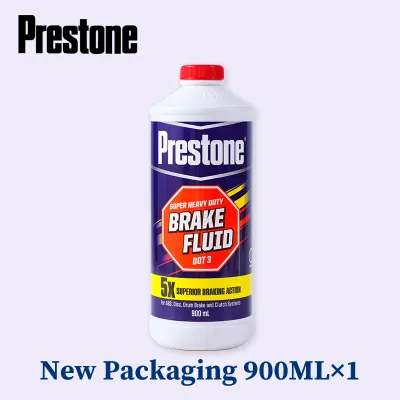
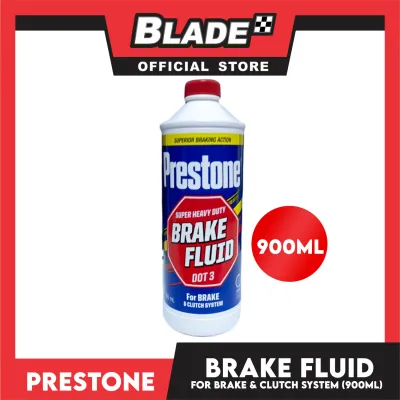
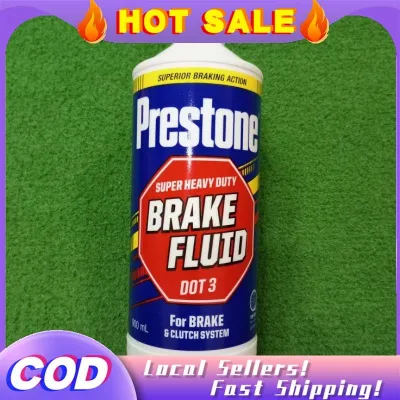
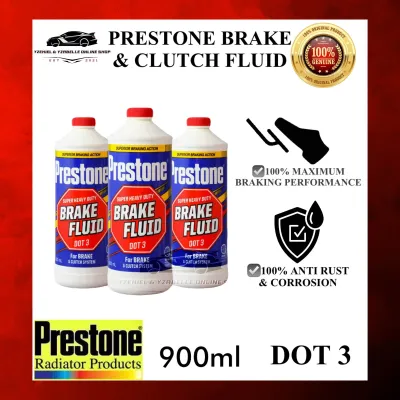
Before purchasing any product, such as Prestone Super Heavy Duty DOT 3 Brake Fluid 900mL, you must verify the exact requirements of your vehicle. This information is typically stamped directly on the master cylinder reservoir cap under the hood or detailed within the maintenance section of your owner’s manual. Never guess or assume compatibility, as your safety on the road depends on this precise match.
Products mentioned in this guide
Prices are valid at publication and may change. Please refer to the product page for the latest price.
Understanding the Core Differences Between DOT 3 and DOT 4
To appreciate why choosing the correct fluid is so vital, it helps to understand the underlying physical and chemical differences between these two classifications. While both serve the same primary function—transferring hydraulic force from the brake pedal to the brake calipers and wheel cylinders—they behave differently under extreme thermal stress and environmental exposure.
Boiling Points and Heat Resistance
Braking systems operate by converting kinetic energy into thermal energy through friction. This friction generates immense heat, which is absorbed by the brake fluid circulating within the calipers and wheel cylinders. If the brake fluid reaches its boiling point, it vaporizes, creating highly compressible gas bubbles within the hydraulic lines. When this happens, pressing the brake pedal merely compresses the gas instead of moving the brake pads, resulting in a spongy pedal feel or a complete loss of stopping power—a dangerous phenomenon known as brake fade.
Brake fluid heat resistance is measured by two primary standards: the dry boiling point and the wet boiling point. The dry boiling point refers to the temperature at which fresh, uncontaminated fluid from a newly opened bottle begins to boil. The wet boiling point measures the boiling temperature after the fluid has absorbed approximately 3.7% water by volume, which typically occurs after one to two years of real-world service.
Under the Federal Motor Vehicle Safety Standard (FMVSS) 116, the minimum temperature requirements differ significantly:
- DOT 3: Minimum dry boiling point of 205°C (401°F) and a minimum wet boiling point of 140°C (284°F).
- DOT 4: Minimum dry boiling point of 230°C (446°F) and a minimum wet boiling point of 155°C (311°F).
These higher temperature thresholds mean DOT 4 fluid offers superior resistance to boiling under heavy loads, long descents on steep mountain roads, or aggressive stop-and-go driving. However, you must always look for explicit FMVSS 116 compliance printed on the product label rather than relying on generic marketing claims of “high performance.”
Chemical Composition and Moisture Absorption
Both DOT 3 and DOT 4 brake fluids are glycol-ether-based formulations. Glycol-based fluids are highly hygroscopic, meaning they naturally and continuously absorb moisture from the surrounding atmosphere. This moisture enters the braking system through microscopic pores in the flexible rubber brake hoses, seals, and the master cylinder reservoir cap’s breather vent.
In tropical regions like the Philippines, where relative humidity levels are consistently high throughout the year, this moisture absorption process occurs at an accelerated rate. As water mixes with the brake fluid, it steadily lowers the fluid’s boiling point toward the critical wet boiling point limit.
Because DOT 4 fluid is formulated with additional borate esters, it is chemically designed to better handle this absorbed moisture, maintaining a higher wet boiling point than DOT 3 over a similar timeframe. However, this chemical advantage does not make DOT 4 permanent. Both fluids require regular, complete system flushes to remove moisture-laden fluid, which prevents internal corrosion of steel brake lines, pistons, and expensive ABS modulator valves.
Can You Mix or Upgrade From DOT 3 to DOT 4?
A common question among car owners is whether they can mix DOT 3 and DOT 4 fluids or “upgrade” their system to DOT 4 for better performance. While both fluids are glycol-based and technically compatible in terms of basic chemistry, mixing different DOT ratings or different brands is strongly discouraged unless explicitly permitted by your vehicle manufacturer.

Mixing DOT 3 and DOT 4 fluids results in a mixture with unpredictable physical properties. The boiling point of the blended fluid will drop closer to the lower DOT 3 standard, meaning you lose the thermal benefits of the DOT 4 fluid without gaining any safety margin. Furthermore, different manufacturers utilize proprietary additive packages to prevent foaming, corrosion, and seal swelling. Mixing these additives can cause chemical conflicts that degrade the fluid’s performance prematurely.
The idea that filling a DOT 3 system with DOT 4 fluid constitutes an automatic “upgrade” is largely a myth. If your vehicle’s braking system was designed strictly for DOT 3, its master cylinder, calipers, and rubber seals are optimized for the specific viscosity and chemical properties of DOT 3. Introducing DOT 4, which contains different chemical compounds like borate esters, can occasionally cause the older rubber compounds in standard DOT 3 systems to swell, soften, or degrade prematurely, leading to slow hydraulic leaks and compromised braking pressure.
Conversely, downgrading a vehicle that requires DOT 4 to DOT 3 is an immediate and severe safety hazard. If a modern vehicle designed for DOT 4 is run on DOT 3, the fluid may boil during routine heavy braking or ABS activation, leading to sudden brake failure. Always prioritize the manufacturer’s original specifications over aftermarket performance promises. If you intend to change the fluid type, consult original-vehicle service manuals and ensure the entire system is completely flushed by a qualified professional to remove all traces of the old fluid.
How to Check Your Vehicle’s Exact Brake Fluid Requirements
Determining the correct brake fluid for your vehicle is a straightforward process that requires no specialized tools. Follow these practical steps to ensure you purchase and install the correct product for your car’s hydraulic system.
Step 1: Inspect the Master Cylinder Cap Open your vehicle’s hood and locate the brake master cylinder reservoir, typically positioned near the firewall on the driver’s side. In almost all modern and classic vehicles, the required fluid type (such as “DOT 3” or “Use Only DOT 4”) is clearly stamped or embossed directly onto the plastic or metal reservoir cap. Clean any dirt or road grime off the cap before opening it to prevent debris from falling into the fluid.
Step 2: Consult the Owner’s Manual If the markings on the reservoir cap are worn, faded, or missing, immediately refer to your vehicle’s owner’s manual. Look under the “Specifications,” “Capacities and Lubricants,” or “Scheduled Maintenance” sections. The manual will specify the exact fluid standard required and may also outline specific brand recommendations or viscosity characteristics, particularly for vehicles with specialized ABS modules.
Step 3: Evaluate the Current Fluid Condition While checking the reservoir, observe the color and clarity of the fluid through the translucent plastic tank. Fresh brake fluid is clear with a light amber or yellow tint. Over time, as it absorbs moisture and accumulates microscopic wear debris from the rubber seals and metal lines, it darkens to a deep brown or black color.
It is crucial to remember that a visual inspection cannot determine the precise moisture content or the remaining boiling point of your brake fluid. Even if the fluid looks relatively clean, it may still carry a dangerously high water volume if it has been in service for several years. Therefore, strict adherence to the manufacturer’s recommended time and mileage service intervals is the only reliable way to ensure your braking system remains safe and fully functional.
Evaluating DOT 3 Options: Prestone Super Heavy Duty DOT 3 Brake Fluid 900mL
For vehicles where the manufacturer explicitly specifies a DOT 3 fluid, choosing a high-quality, compliant product is essential. A widely recognized example in the automotive care market is Prestone Super Heavy Duty DOT 3 Brake Fluid 900mL. This specific product serves as an excellent reference point for understanding what to look for when purchasing standard brake consumables.
When evaluating a product like Prestone Super Heavy Duty DOT 3 Brake Fluid 900mL, your first step should be verifying the safety standards printed on the packaging. High-quality DOT 3 fluids must meet or exceed the FMVSS 116 and SAE J1703 specifications. These certifications guarantee that the fluid will maintain its physical properties, viscosity, and minimum boiling points under the demanding operating conditions of everyday driving.
The 900mL volume size is particularly practical for standard automotive maintenance. A typical passenger car or compact SUV hydraulic system requires between 500mL and 800mL of fluid for a complete system flush. Purchasing a 900mL bottle provides sufficient volume to thoroughly bleed the lines, displace old, contaminated fluid, and top off the reservoir to the maximum fill line without leaving an excessive amount of leftover fluid.
In the tropical, highly humid climate of the Philippines, packaging integrity is a critical factor. When buying brake fluid from retail stores or authorized online marketplaces, always inspect the bottle to ensure the factory foil seal under the cap is completely intact and unbroken. Because glycol-based fluids absorb moisture from the air, a broken seal means the fluid has already begun absorbing atmospheric humidity, reducing its dry boiling point before it even enters your vehicle. Never purchase or use a bottle that shows signs of leakage, tampering, or swelling. Store any unused fluid in its original container with the cap tightly sealed in a cool, dry place, and discard any fluid that has been open for more than a few months.
Furthermore, brake fluid is highly corrosive to automotive paint, plastics, and certain rubber compounds. Always handle it with extreme care, use protective gloves, and immediately wipe clean any accidental spills on painted surfaces with soapy water.
Decision Framework: When to Choose DOT 3, DOT 4, or Seek Help
To simplify your maintenance choices, use this clear decision framework to determine your next steps:
- Choose DOT 3 if:
- Your vehicle's owner's manual or master cylinder reservoir cap explicitly specifies DOT 3.
- You operate a standard commuter vehicle, compact car, or older model under everyday driving conditions.
- You are performing a routine top-up or full system flush on a system designed specifically for this rating.
- Choose DOT 4 if:
- Your vehicle manufacturer explicitly requires DOT 4 fluid.
- You drive a modern vehicle equipped with high-performance ABS, traction control, or Electronic Stability Control (ESC) systems.
- You frequently drive in demanding environments, such as hauling heavy cargo, towing trailers, or navigating steep, winding mountain passes where brakes experience prolonged high temperatures.
- Verify first if:
- You are unsure of the fluid type currently inside your vehicle's braking system.
- The master cylinder reservoir cap is missing, illegible, or has been replaced with an aftermarket part lacking specifications.
- You are considering transitioning your vehicle from DOT 3 to DOT 4.
In these scenarios, stop immediately and consult a qualified professional mechanic or your local authorized dealership to verify compatibility and prevent system damage. - Neither may fit if:
- Your vehicle requires specialized fluids such as DOT 5 or DOT 5.1. DOT 5 is a silicone-based fluid that is completely incompatible with glycol-based DOT 3 and DOT 4 fluids; mixing them will cause the fluid to jelly, leading to immediate brake system failure. DOT 5.1 is a high-performance glycol-based fluid with an exceptionally high boiling point, typically reserved for heavy-duty commercial or high-performance racing applications.
Frequently Asked Questions (FAQ)
How often should I change my brake fluid?
While general automotive industry guidelines suggest replacing your brake fluid every two years or every 30,000 to 40,000 kilometers, the exact interval depends entirely on your vehicle manufacturer’s specifications and your specific driving environment. In high-humidity tropical climates, more frequent testing or replacement may be necessary due to accelerated moisture absorption. Always check your owner’s manual for the definitive maintenance schedule.
Does brake fluid expire in the bottle?
Yes, brake fluid has a limited shelf life. An unopened bottle of high-quality brake fluid stored in a cool, dry environment can remain stable for up to several years, but you should always check the manufacturer’s packaging for specific dates. Once the factory foil seal is broken, the fluid begins absorbing moisture from the air immediately. It is highly recommended to discard any opened bottles after a few months, as using moisture-contaminated fluid compromises your braking safety.
Can I use DOT 4 instead of DOT 3 in an emergency?
In a strict emergency where your fluid level is dangerously low and braking performance is compromised, adding a compatible DOT 4 fluid to a DOT 3 system may be done temporarily to safely transport the vehicle to a repair facility. However, because mixing fluids alters their boiling points and chemical properties, you must have the entire braking system completely flushed and refilled with the correct manufacturer-specified fluid by a qualified professional mechanic immediately afterward.
Community discussion
Share your experience or ask a question. Comments are reviewed before publication.