
Brake fluid is the vital hydraulic medium that translates the pressure on your brake pedal into stopping power at the wheels. When choosing between DOT3 and DOT4 formulations, the decision centers on boiling points, moisture absorption rates, and your vehicle manufacturer’s specific engineering requirements. While DOT4 generally offers superior resistance to extreme heat, selecting the correct fluid requires understanding how these ratings perform in real-world driving conditions.
Quick Answer: The Core Differences Between DOT3 and DOT4
DOT3 and DOT4 are both glycol-based brake fluids, but they differ in their chemical refinement and thermal limits. The primary distinction is that DOT4 brake fluid possesses higher dry and wet boiling points than DOT3, making it significantly more resistant to boiling under heavy braking loads.
However, this higher performance comes with a practical trade-off. DOT4 is typically more hygroscopic, meaning it absorbs moisture from the atmosphere at a faster rate than DOT3, which can lead to a more rapid decline in its boiling point over time.
Products mentioned in this guide
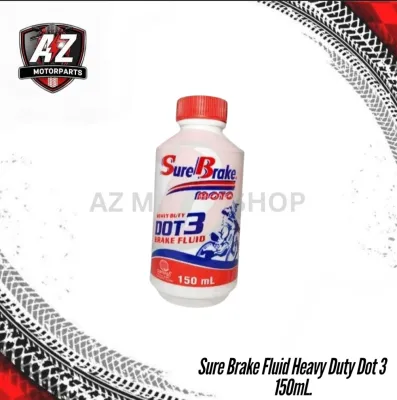
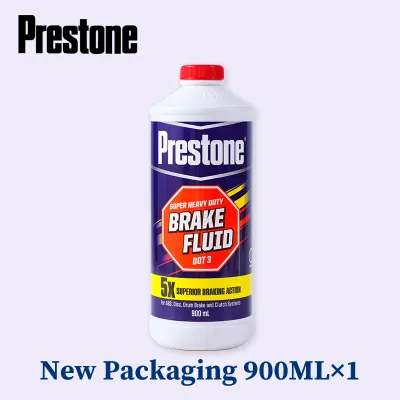
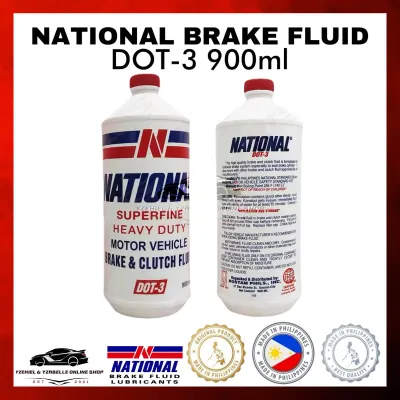
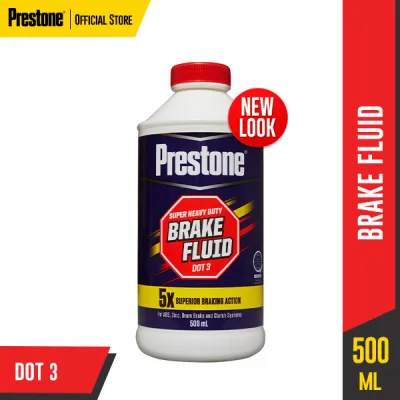
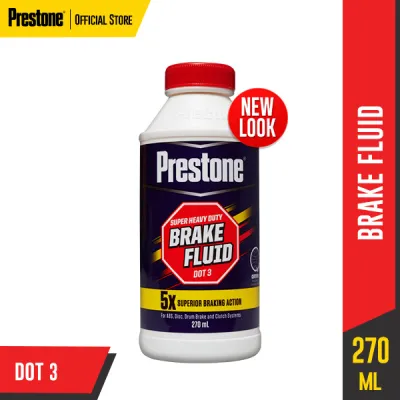
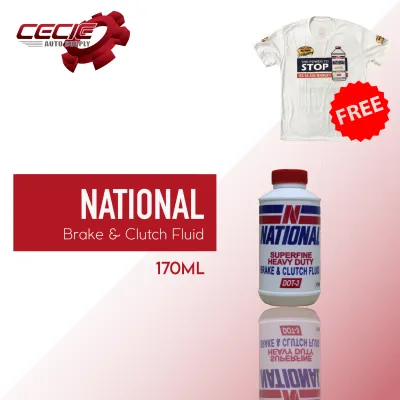
Prices are valid at publication and may change. Please refer to the product page for the latest price.
Because of these differences, the absolute best choice for your vehicle is not simply the one with the higher number. You must always use the specific fluid rating recommended by your vehicle’s original equipment manufacturer (OEM) to ensure optimal system compatibility and safety.
What the DOT Ratings Actually Mean
The acronym “DOT” refers to the United States Department of Transportation, specifically the Federal Motor Vehicle Safety Standard (FMVSS) No. 116. This standard serves as the global benchmark for regulating the physical and chemical properties of hydraulic brake fluids used in motor vehicles.

Rather than representing a quality tier or performance score, a DOT rating defines the minimum safety thresholds a fluid must meet to be legally sold. These thresholds include dry and wet boiling points, low-temperature kinematic viscosity, chemical stability, and compatibility with rubber seals and metallic system components.
Assuming a higher DOT number is automatically better for every car is a common misconception. Modern braking systems, especially those equipped with complex anti-lock braking (ABS) and electronic stability control (ESC) systems, are engineered around the specific viscosity and flow characteristics of a designated fluid class. Using an incorrect specification can degrade internal seals or slow down hydraulic response times during emergency maneuvers. Always check your vehicle manufacturer’s instructions before purchasing.
Boiling Points Explained: Dry vs. Wet
To understand how brake fluid keeps you safe, you must look at its dry and wet boiling points. The dry boiling point refers to the temperature at which fresh, uncontaminated fluid from a newly opened, sealed container begins to boil.
The wet boiling point measures the boiling temperature after the fluid has absorbed 3.7% water by volume. This parameter is the more accurate indicator of real-world safety because glycol-based fluids are naturally hygroscopic, meaning they actively draw moisture from the surrounding air.
Over time, moisture enters the closed hydraulic system through micro-pores in rubber hoses, reservoir seals, and joints. In tropical, highly humid environments like the Philippines, this moisture absorption occurs at an accelerated pace, rapidly lowering the fluid’s boiling point and increasing the risk of vapor lock during prolonged braking.
The table below outlines the minimum performance baselines established by the FMVSS 116 standard:
| Fluid Type | Dry Boiling Point (Minimum) | Wet Boiling Point (Minimum) |
|---|---|---|
| DOT3 | 205°C | 140°C |
| DOT4 | 230°C | 155°C |
While these figures represent the absolute legal minimums, premium commercial brake fluids often exceed these baselines. However, the standard comparison remains the foundation for understanding how much heat a fluid can handle before failing.
Performance and Real-World Driving Scenarios
Selecting the appropriate fluid depends heavily on your daily driving environment, vehicle weight, and how much thermal stress your brakes experience.
Daily Commuting and City Driving
For typical passenger cars navigating daily stop-and-go city traffic, such as commuting through congested urban roads, standard DOT3 fluid is highly adequate. Under normal driving conditions, brake temperatures rarely rise high enough to threaten the dry or wet boiling limits of a healthy DOT3 fluid.
Because DOT3 absorbs moisture more slowly than standard DOT4, it often maintains its safety margin longer in commuter vehicles that do not experience heavy towing or aggressive driving.
Heavy Loads, Mountain Roads, and Performance Driving
When descending steep mountain passes, such as driving down from Baguio via Kennon Road or navigating the winding roads of Tagaytay and Antipolo, your brakes are subjected to prolonged friction. This continuous application generates intense heat that transfers directly from the brake pads and rotors to the calipers and fluid.
If the fluid’s temperature exceeds its wet boiling point, the water content inside the fluid vaporizes into gas. Because gas is compressible—unlike hydraulic liquid—pressing the pedal merely compresses the gas bubbles instead of pushing the brake pads, resulting in a dangerously soft pedal and sudden brake fade.
In these demanding scenarios, or when towing heavy payloads, the higher wet boiling point of DOT4 provides a critical safety buffer. However, you must never upgrade to DOT4 if your vehicle’s manufacturer strictly specifies DOT3, unless a qualified technician verifies that your system’s components and ABS valves are fully compatible with the alternative fluid’s viscosity profile.
Mixing, Flushing, and Safety Boundaries
A common automotive myth is that DOT3 and DOT4 can be freely mixed without consequence because they are both glycol-based. While mixing them will not cause an immediate chemical reaction, it degrades the performance of the fluid to the level of the lower-rated component and can unpredictably alter the viscosity of the mixture. To maintain the safety and integrity of your braking system, always perform a complete system flush when transitioning between fluid types.
As a general guideline, brake fluid should be completely flushed and replaced every two years or every 40,000 kilometers, whichever comes first. However, you should always check your vehicle manufacturer’s specific maintenance schedule, or use electronic moisture test pens to verify the actual water contamination level.
Brake fluid is highly toxic, highly corrosive to painted surfaces, and serves as your primary safety system on the road. Because bleeding brakes and replacing hydraulic fluid require specialized tools, precise sequences, and carry significant safety risks, this task should be performed by a qualified professional. Always refer to your vehicle’s service manual and the specific product label before conducting any brake maintenance, and never reuse drained fluid.
Frequently Asked Questions (FAQ)
Can I use DOT4 instead of DOT3 if my owner's manual specifies DOT3?
While DOT4 has higher boiling points, it also has a different viscosity profile, particularly at lower temperatures, compared to standard DOT3. Some modern ABS and traction control systems are calibrated precisely for the thinner viscosity of DOT3, and using DOT4 could slightly delay safety system response times. Always consult your owner’s manual and follow the manufacturer’s specific recommendations.
How do I know if my brake fluid needs to be changed?
Fresh brake fluid is typically clear with a light amber or yellow tint. As it ages and absorbs moisture and metallic wear particles, it turns dark brown, cloudy, or black. Because visual appearance alone cannot precisely measure water content, using a dedicated moisture tester pen or test strips to check if the water level exceeds 3% is the most reliable diagnostic method.
Is DOT5 compatible with DOT3 or DOT4?
No, DOT5 is a silicone-based fluid and is completely incompatible with glycol-based fluids like DOT3, DOT4, and DOT5.1. Mixing silicone and glycol fluids will cause the mixture to gel, leading to clogged valves, swollen seals, and total brake system failure. Note that DOT5.1 is glycol-based and compatible with DOT3 and DOT4, but it must never be confused with silicone-based DOT5.
Community discussion
Share your experience or ask a question. Comments are reviewed before publication.