
Choosing between DOT3 and DOT4 brake fluid depends entirely on your vehicle manufacturer’s specifications. While DOT4 generally offers higher boiling points for demanding conditions, you must never downgrade to a lower DOT rating than what is specified on your master cylinder reservoir cap or in your owner’s manual. In tropical climates like the Philippines, where high humidity is a constant factor, understanding how these fluids handle moisture is critical to maintaining your vehicle’s stopping power and overall safety.
Brake fluid serves as the lifeblood of your vehicle’s stopping mechanism, translating the physical pressure of your foot on the pedal into the hydraulic force that clamps the brake pads against the spinning rotors. Because liquids are virtually incompressible, they are highly efficient at transmitting this energy. However, if the fluid reaches its boiling point due to the intense heat generated by friction during braking, it vaporizes into gas. Since gas is highly compressible, pressing the pedal will merely compress the gas bubbles rather than engage the brakes, leading to a dangerous condition known as brake fade.
Maintaining the integrity of this hydraulic system requires strict adherence to the correct fluid specifications. Using the wrong fluid can lead to chemical incompatibility, seal degradation, and catastrophic brake failure. Whether you are navigating the steep, winding descents of mountain roads or enduring the grueling stop-and-go traffic of metropolitan highways, choosing the correct fluid ensures your vehicle remains controllable when you need it most.
Products mentioned in this guide
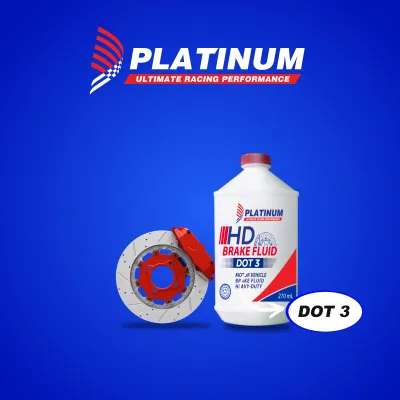
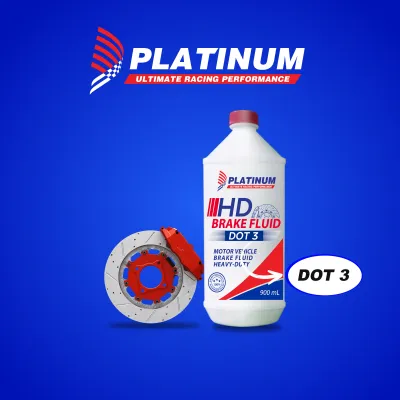
Prices are valid at publication and may change. Please refer to the product page for the latest price.
Understanding DOT3 and DOT4 Brake Fluid Specifications
The Department of Transportation (DOT) classification system serves as the global standard for grading automotive hydraulic fluid performance. These ratings are primarily based on the fluid’s boiling points under different conditions, both when fresh and after absorbing moisture over time. By establishing these clear baselines, the classification system ensures that drivers and technicians can select a fluid that matches the thermal demands of a vehicle’s specific braking architecture.
Both DOT3 and DOT4 brake fluids share a glycol-ether chemical base, which gives them their essential performance characteristics but also introduces a significant vulnerability. Glycol-ether fluids are highly hygroscopic, meaning they actively attract and absorb moisture from the surrounding atmosphere. This moisture absorption occurs continuously, drawing water vapor through microscopic pores in the flexible rubber brake hoses, reservoir seals, and joints throughout the system.
The fundamental role of this hydraulic fluid is to remain in a stable liquid state under extreme operating conditions. Unlike engine oil, which primarily lubricates moving parts, brake fluid must withstand immense pressure and localized temperatures that can exceed several hundred degrees Celsius at the brake calipers. If the fluid lacks the chemical stability to endure these temperatures, the entire braking system becomes compromised, rendering safety features ineffective.
In the Philippines, the challenges of moisture absorption are amplified by the prevailing tropical climate. High relative humidity means there is a constant supply of water vapor in the air, which accelerates the rate at which glycol-ether fluids degrade. Consequently, understanding the chemical behavior of these fluids is not just a matter of theoretical knowledge, but a practical necessity for ensuring vehicle reliability on humid coastal roads and during heavy monsoon seasons.
Key Performance Differences That Affect Braking
The primary differentiator between DOT3 and DOT4 brake fluids lies in their dry and wet boiling points. The dry boiling point refers to the temperature at which the fluid will boil when it is brand new, fresh from a sealed container, with zero percent water content. The wet boiling point, which is far more critical for real-world daily driving, represents the boiling temperature once the fluid has absorbed approximately 3.7 percent water by volume, a level typically reached after one to two years of service.

Standard DOT3 fluid is formulated to meet a minimum dry boiling point of 205°C (401°F) and a minimum wet boiling point of 140°C (284°F). In contrast, standard DOT4 fluid raises these thresholds significantly, requiring a minimum dry boiling point of 230°C (446°F) and a minimum wet boiling point of 155°C (311°F). This higher thermal ceiling makes DOT4 much more resilient under heavy braking loads, such as when descending steep mountain passes or towing heavy cargo.
Moisture absorption rates also differ slightly due to the specific chemical additives used in each formulation. While DOT4 fluids generally offer superior initial resistance to high temperatures, some formulations can absorb moisture at a slightly faster rate than DOT3 when exposed to high humidity. This accelerated absorption means that while DOT4 provides a higher safety margin out of the box, its performance can degrade more rapidly if maintenance intervals are neglected, particularly in tropical environments.
Another critical performance factor is viscosity, which measures the fluid’s resistance to flow. Modern vehicles equipped with advanced electronic safety systems, such as Anti-lock Braking Systems (ABS) and Electronic Stability Control (ESC), rely on the rapid cycling of micro-valves to modulate braking pressure individually at each wheel. Standard DOT4 fluid is generally more viscous at extremely low temperatures than specialized low-viscosity DOT4 variants, but both DOT3 and DOT4 must maintain precise flow characteristics to ensure these safety systems react within milliseconds during an emergency stop on wet, rain-slicked asphalt.
Safety Rules and Manufacturer Specifications
When it comes to servicing your braking system, the most critical safety rule is to never use a lower DOT rating than what is specified by your vehicle manufacturer. If your car was engineered to use DOT4 fluid, downgrading to DOT3 introduces a severe safety risk. Because DOT3 has lower boiling points, the intense heat generated during emergency stops or prolonged braking can easily exceed its thermal limits, causing the fluid to vaporize and resulting in sudden, catastrophic brake fade.
Conversely, using DOT4 fluid in a system originally designed for DOT3 is generally acceptable, but it requires careful verification. While the two fluids are chemically compatible due to their shared glycol-ether base, you must ensure that the specific additives in the DOT4 fluid will not adversely affect the older rubber seals and hoses in a legacy DOT3 system. Always consult your vehicle’s official documentation or a qualified professional technician to confirm compatibility before making any changes to the factory-specified fluid type.
To locate the correct fluid specification for your vehicle, look directly at the master cylinder reservoir cap located under the hood. The manufacturer typically embosses the required DOT rating directly onto the plastic cap. If the text on the cap has become worn, faded, or covered in road grime, refer to the maintenance section of your official owner’s manual, or contact an authorized dealership service center to verify the exact requirements for your specific model and year.
Because the braking system is your vehicle’s primary safety mechanism, any maintenance or modification carries inherent risks. Always state the safety boundary: before performing any work on your brakes, consult your vehicle’s original service manual for specific instructions, torque values, and safety precautions. If you lack the specialized tools, such as a torque wrench or a vacuum brake bleeder, or if you are uncomfortable handling corrosive hydraulic fluid, always have a qualified professional technician perform the inspection and fluid replacement.
How to Inspect and Maintain Your Brake Fluid
Regular inspection of your brake fluid is a simple yet vital part of routine vehicle maintenance. Start with a visual check by locating the translucent plastic reservoir under your hood and comparing the fluid level against the molded MIN and MAX lines on the side of the container. Avoid opening the reservoir cap unnecessarily during this check; opening the cap exposes the fluid to the ambient air, allowing moisture to enter the system and accelerate degradation.
Observe the color of the fluid through the reservoir wall. Fresh brake fluid is typically clear with a light amber or yellow tint. As the fluid ages, absorbs moisture, and undergoes repeated heating cycles, it gradually darkens, turning to a deep brown or even black color. This dark coloration indicates that the fluid is heavily contaminated with moisture, oxidized additives, and microscopic debris worn from the internal rubber seals of the master cylinder and calipers.
While visual inspection is a helpful indicator, it cannot precisely measure the water content of the fluid. Professional automotive technicians use specialized electronic testers that measure the actual boiling point of the fluid or use moisture test strips to determine the exact percentage of water contamination. If the moisture level exceeds 3 percent, a complete system flush is required to restore the fluid’s thermal performance and protect internal metal components from corrosion.
Knowing when to halt DIY maintenance and seek professional help is crucial for your safety. If you experience a spongy or soft brake pedal, if the pedal sinks slowly to the floorboard when held down, or if you notice any visible fluid leaks around the master cylinder, brake lines, or wheels, stop driving the vehicle immediately. These symptoms indicate air in the system, a mechanical failure, or a severe leak, all of which require immediate professional diagnosis and repair by a qualified mechanic.
Decision Framework: Which Hydraulic Fluid Should You Choose?
To make the right choice for your vehicle, follow a structured decision framework based on your manufacturer’s specifications and driving conditions. You should choose DOT3 fluid if your vehicle manufacturer explicitly specifies it in the owner’s manual, and if your car is a standard commuter vehicle without advanced electronic braking aids that require specialized low-viscosity fluids. For daily driving in normal traffic conditions, a high-quality DOT3 fluid provides reliable performance and adequate thermal protection at an affordable price point, often costing only a few hundred pesos (₱) per bottle.
You should choose DOT4 fluid if your vehicle manufacturer explicitly specifies DOT4, or if you operate your vehicle under demanding conditions where high heat is frequently generated. This includes driving in heavy stop-and-go city traffic, towing trailers, or navigating steep mountain descents where prolonged braking is necessary. If your manufacturer permits upgrading from DOT3 to DOT4, making the switch can provide an extra margin of safety against brake fade, provided you commit to regular maintenance intervals.
Before purchasing any fluid or initiating a service, always verify the system requirements if the reservoir cap text is unreadable or if you are considering switching from the factory-filled rating. If your vehicle features a complex ABS or Electronic Stability Control system, check if the manufacturer requires a specialized low-viscosity fluid, often labeled as DOT4 LV or Class 6. Taking the time to verify these details prevents compatibility issues and ensures that your vehicle’s safety systems operate exactly as the engineers intended.
Frequently Asked Questions (FAQ)
Can I mix DOT3 and DOT4 brake fluid in the same reservoir?
While DOT3 and DOT4 brake fluids are chemically compatible because they both use a glycol-ether base, mixing them is not recommended as a permanent solution. If you mix the two, the overall boiling point of the mixture will drop closer to that of the lower-rated DOT3 fluid. This reduction in thermal resistance compromises the performance advantages of the DOT4 fluid and can lead to unexpected brake fade under heavy loads.
In an emergency situation where your fluid level is dangerously low, topping off a DOT4 system with DOT3 is acceptable to safely reach a repair shop. However, you should have the entire system flushed and refilled with fresh, uniform fluid of the correct specification as soon as possible. Mixing different brands or ratings can also dilute the specific corrosion inhibitors and additives designed to protect your braking components.
Does the color of the brake fluid indicate its DOT rating?
No, the color of brake fluid does not indicate its DOT rating or chemical classification. Fresh DOT3 and DOT4 fluids from various manufacturers can range from completely clear to light yellow, amber, or even pale blue depending on the specific proprietary additives and dyes used during production. There is no standardized color-coding system that distinguishes a DOT3 fluid from a DOT4 fluid by sight alone.
Instead of relying on color to identify the fluid type, you must always read the label on the container and match it to the specification on your master cylinder cap. Color is, however, an excellent indicator of the fluid’s age and condition. A transition from clear or light amber to dark brown or black signifies that the fluid has absorbed significant moisture and contaminants, indicating that a professional system flush is overdue.
Community discussion
Share your experience or ask a question. Comments are reviewed before publication.