
Choosing the right brake fluid for your Honda PCX 160 is a critical decision that directly impacts your safety on the road. While both DOT3 and DOT4 are glycol-based fluids that share similar chemical foundations, the definitive choice for your scooter must align with the manufacturer’s specifications. You can easily verify this by checking the owner’s manual or looking directly at the master cylinder reservoir cap mounted on your handlebars. Before purchasing any product or performing maintenance, always check the applied fluid’s label and your scooter’s manufacturer instructions. If instructions conflict, or if you are unsure of the specifications, stop and consult an authorized Honda service center or a qualified professional.
The core trade-off between these two options lies in how they manage heat and moisture. DOT4 brake fluid is formulated to handle higher operating temperatures, making it highly resistant to brake fade under heavy load or continuous braking. However, DOT3 generally absorbs environmental moisture at a slower rate, which can translate to a more stable performance profile over a longer period if maintenance is neglected. In tropical, high-humidity environments like the Philippines, moisture absorption is a critical factor that directly affects long-term braking safety, hydraulic pressure consistency, and your scheduled maintenance intervals.
DOT3 vs. DOT4: Boiling Points, Moisture, and Chemistry
To understand why choosing the correct fluid grade is so important, you must look at the underlying physical and chemical properties of these hydraulic fluids. Under the Department of Transportation (DOT) standards, brake fluids are classified primarily by their boiling points and chemical compositions. DOT4 fluids are engineered with borate esters in addition to the standard glycol-ether base. This chemical modification allows DOT4 to meet significantly higher minimum dry and wet boiling point standards compared to DOT3. The dry boiling point refers to the temperature at which fresh, uncontaminated fluid will vaporize, while the wet boiling point measures the boiling threshold after the fluid has absorbed a specific percentage of water from the atmosphere.
Products mentioned in this guide
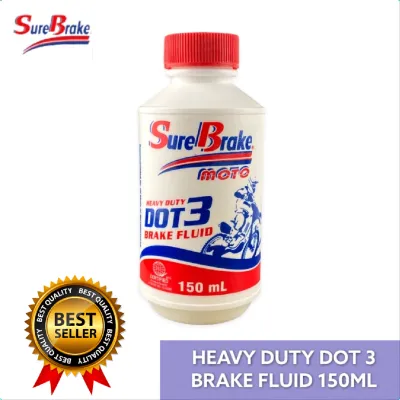
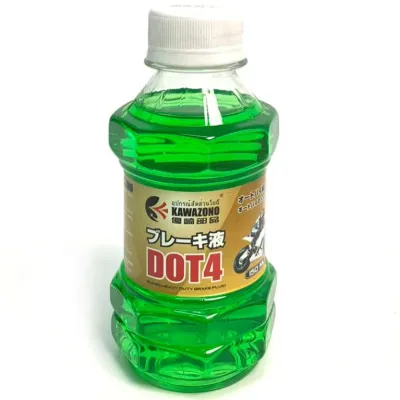
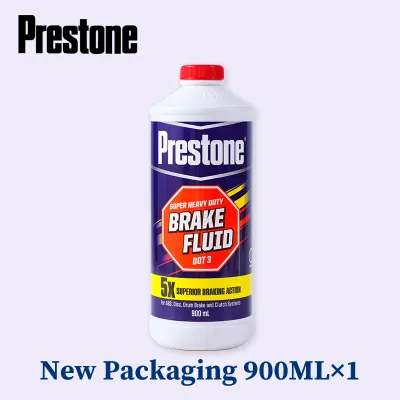
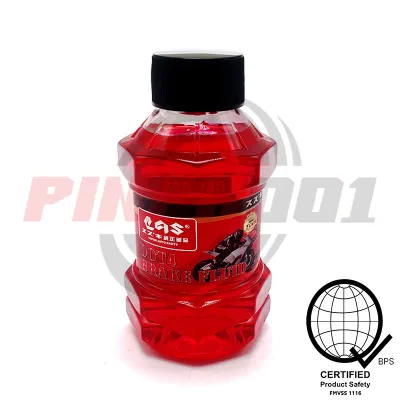
Prices are valid at publication and may change. Please refer to the product page for the latest price.
This difference in boiling points directly influences how your brakes perform under thermal stress. When you apply your brakes, the friction between the brake pads and the rotor generates intense heat, which is transferred directly to the caliper pistons and then to the brake fluid. If the fluid reaches its boiling point, it begins to vaporize, creating gas bubbles within the hydraulic lines. Because gas is highly compressible—unlike liquid—squeezing the brake lever will simply compress the gas bubbles rather than pushing the caliper pistons. This phenomenon, known as vapor lock, causes a sudden and dangerous loss of braking force, making the lever feel completely soft and unresponsive.
Both DOT3 and DOT4 fluids are highly hygroscopic, meaning they naturally attract and absorb moisture from the surrounding air. This process occurs continuously, even in a sealed braking system, as water molecules slowly penetrate the microscopic pores of the flexible rubber brake hoses and pass through the reservoir cap seals. The rate of this absorption is where the two grades diverge. Because of its chemical formulation, DOT4 typically absorbs water at a faster rate than DOT3. As a result, the wet boiling point of DOT4 can degrade more rapidly over time when exposed to high ambient humidity, requiring you to monitor its condition closely.
Despite these differences in moisture absorption rates and boiling points, DOT3 and DOT4 share a compatible glycol-ether base. This chemical similarity means they are technically miscible, meaning they can mix without causing a chemical reaction that would precipitate solids or damage the system immediately. However, mixing them is strongly discouraged by mechanics and manufacturers alike. Adding DOT3 to a system designed for DOT4 will immediately dilute the fluid’s thermal resistance, lowering the overall boiling point of the system and potentially compromising your safety during demanding riding conditions.
Matching Fluid Properties to Your PCX 160 Riding Style
Connecting these technical fluid properties to your daily riding habits is key to determining which option suits your Honda PCX 160. The PCX 160 is primarily designed as a premium urban commuter, engineered for efficiency, comfort, and maneuverability through city streets. Under typical commuting conditions, such as navigating the stop-and-go traffic of Metro Manila, your brakes are applied frequently but usually at lower speeds. This type of riding generates moderate heat within the single front and rear disc brakes, meaning a standard fluid with a stable boiling point is often perfectly adequate for daily use.

However, your riding style and route profile can quickly elevate the thermal demands on your braking system. If you frequently carry a pillion passenger, transport heavy cargo, or enjoy weekend tours through steep, winding mountain passes like the Marilaque Highway or the roads leading up to Tagaytay, your brakes will work significantly harder. Continuous downhill braking on a heavy scooter generates extreme heat that can quickly overwhelm lower-grade fluids. Under these high-load scenarios, the superior dry boiling point of DOT4 provides a vital safety margin, preventing brake fade and ensuring consistent stopping power when you need it most.
Your local climate plays an equally significant role in how these fluids behave over time. The Philippines experiences intense tropical heat paired with exceptionally high relative humidity, especially during the monsoon season. This ambient moisture accelerates the rate of water contamination within your scooter’s hydraulic lines. Because the reservoir breather system must allow for air volume changes as the brake pads wear down, humid air is constantly drawn into the master cylinder. This environmental reality means that the wet boiling point advantage of DOT4 can degrade faster here than in drier climates, making regular fluid inspection a necessity rather than an afterthought.
Additionally, you must consider the specific mechanical configuration of your PCX 160. If you ride the ABS (Anti-lock Braking System) variant, your braking system relies on a sophisticated hydraulic modulator that rapidly pumps and releases pressure during emergency stops to prevent wheel lockup. This modulator features incredibly tight internal tolerances and small valve orifices. The fluid you use must meet the precise viscosity standards specified by Honda to ensure these valves actuate instantly. Using a fluid with incorrect viscosity or one contaminated with moisture can cause sluggish ABS response, trigger system fault codes, or even lead to premature wear of the expensive ABS pump.
Maintenance Realities: Flushing Intervals and Seal Safety
Choosing between DOT3 and DOT4 also dictates your long-term maintenance schedule and the overall upkeep of your scooter. Because DOT4 absorbs moisture at a faster rate, it generally requires a stricter and more frequent flushing schedule to maintain its high-temperature safety margins. In highly humid regions, a complete brake fluid flush is often recommended every 12 to 24 months, or even sooner if you ride high mileages. Neglecting this maintenance with DOT4 can lead to a rapid accumulation of water, which not only lowers the boiling point but also promotes internal corrosion of the caliper pistons and master cylinder bores.
Conversely, DOT3 fluid may offer a slightly more forgiving maintenance window for riders who tend to stretch their service intervals. Because it absorbs water more slowly, its boiling point remains relatively stable over a longer period under normal commuting conditions. However, this does not mean you can ignore the fluid indefinitely. Regardless of the grade you choose, regular inspections are mandatory to ensure the hydraulic system remains free of air, water, and debris. Always refer to your Honda PCX 160 owner’s manual for the official service intervals and mileage recommendations.
When selecting a brake fluid, you must also verify its compatibility with the internal rubber seals, O-rings, and flexible hoses of your PCX 160. Glycol-based fluids are highly specialized chemicals, and the rubber compounds used in your scooter’s braking system are specifically formulated to resist swelling or degrading when exposed to them. Always read the product label carefully to ensure it is rated for use in modern motorcycle hydraulic systems. Using non-compatible fluids, such as silicone-based DOT5 or mineral oils, will rapidly destroy the rubber seals, leading to catastrophic fluid leaks and complete brake failure.
To keep your braking system in top condition, perform regular visual and tactile inspections of the master cylinder. Most scooters feature a transparent sight glass on the reservoir body, allowing you to check the fluid level and color without opening the system. Fresh, healthy brake fluid should be clear or have a very light amber tint. If you observe that the fluid has turned dark brown, cloudy, or murky, it is a clear indication of severe moisture contamination and oxidation. This visual change, or a tactile sensation of a spongy, soft brake lever, means you must perform an immediate and thorough system flush to restore safety.
The Final Verdict: How to Choose the Right Fluid
Making the final decision on which brake fluid to use in your Honda PCX 160 comes down to a clear, conditional framework based on your vehicle’s specifications, your riding environment, and your commitment to maintenance.
Choose DOT3 if:
- Your PCX 160's master cylinder reservoir cap or owner's manual strictly specifies DOT3 as the primary fluid.
- Your daily riding consists almost entirely of light, flat-city commuting at moderate speeds with minimal cargo.
- You prefer a fluid that exhibits a slower rate of moisture absorption, allowing for more stable performance over standard maintenance intervals.
Choose DOT4 if:
- The owner's manual explicitly permits or recommends the use of DOT4 as an upgrade or alternative.
- You frequently ride with a passenger, carry heavy loads, or regularly navigate steep, hilly terrains that demand heavy, sustained braking.
- You want the maximum possible safety margin against high-temperature brake fade and are fully committed to a stricter, more frequent fluid flushing schedule to combat humidity.
Verify First if:
- You are unsure of the current fluid grade inside your brake lines, as mixing unknown fluids can compromise performance.
- Your PCX 160 is equipped with an ABS system, which may require a specific low-viscosity formulation (often designated as DOT 4 LV or a proprietary Honda equivalent) to ensure optimal modulator operation.
Crucial Rule: Never simply top off a master cylinder containing DOT3 with DOT4 fluid, or vice versa. Topping off mixed fluids creates an unpredictable boiling profile and can mask underlying system leaks. If you decide to transition from one grade to another, you must always perform a complete, thorough system flush to purge all old fluid and contaminants from the lines, calipers, and master cylinders.
Safe Handling and When to Call a Professional
Working with glycol-based brake fluids requires extreme care and attention to safety boundaries. These fluids are highly corrosive chemical solvents. If you spill even a small drop onto the painted bodywork, plastic fairings, or the clear plastic screen of your PCX 160’s instrument cluster, it can permanently dull, melt, or strip the finish within minutes. Before opening your master cylinder reservoir, always cover the surrounding areas of your scooter with thick, protective cloths or plastic sheeting, and keep a clean rag and water nearby to instantly flush away any accidental spills.
Furthermore, performing a proper brake fluid change is not as simple as draining the old fluid and pouring in the new. Because air is highly compressible, even a tiny air bubble trapped inside the hydraulic lines will severely degrade your braking performance. Properly bleeding the system requires specific tools—such as a clear bleed hose, a catch bottle, and the correct size wrenches—along with a precise sequence of pumping the lever, holding pressure, and opening the bleed valve on the caliper. You must also ensure that the reservoir never runs dry during the process, as this will draw more air into the system.
Given the safety-critical nature of your brakes, you must know when to step back and seek professional assistance. If you attempt a DIY fluid change and find that the brake lever remains spongy, soft, or fails to build firm pressure after multiple bleeding attempts, do not ride the scooter. Additionally, if your ABS warning light illuminates on the dashboard, or if you do not possess the proper bleeding equipment and experience, take your PCX 160 to an authorized Honda dealer or a qualified motorcycle mechanic. Professional technicians have the specialized diagnostic tools and pressure-bleeding systems required to service ABS modulators safely and efficiently.
Frequently Asked Questions (FAQ)
Can I mix DOT3 and DOT4 brake fluid in my PCX 160?
While DOT3 and DOT4 are both glycol-ether based and will chemically mix without immediate adverse reactions, you should never intentionally mix them in your scooter’s braking system. Mixing the two grades dilutes the superior wet and dry boiling points of the DOT4 fluid, reducing your safety margin against brake fade. For optimal safety and performance, always perform a complete system flush when changing or upgrading fluid grades.
Does the Honda PCX 160 require a specific brand of brake fluid?
Honda does not mandate that you use a single proprietary brand of brake fluid for standard maintenance. However, the fluid you choose must meet the exact DOT specifications (such as FMVSS 116 standards) and viscosity requirements outlined in your official Honda PCX 160 owner’s manual. Always purchase reputable, high-quality brands from authorized retailers to avoid counterfeit or substandard products.
How do I know if my PCX 160 brake fluid needs to be changed?
You can identify the need for a fluid change through visual, tactile, and scheduled indicators. Visually, if the fluid visible in the master cylinder sight glass appears dark, cloudy, or tea-colored, it is contaminated with moisture and must be replaced. Tactilely, a spongy or soft brake lever that requires you to pull closer to the grip to stop indicates air or boiled moisture in the lines. Always cross-reference these signs with the manufacturer’s recommended time or mileage intervals.
Community discussion
Share your experience or ask a question. Comments are reviewed before publication.