
The correct brake fluid for your motorcycle is determined entirely by the specifications set by your vehicle’s manufacturer. There is no single, universally superior option; instead, the right choice is the fluid your motorcycle’s braking system was engineered to use. You can easily find this requirement stamped on top of your master cylinder reservoir cap or detailed in your owner’s manual.
While DOT4 brake fluid generally offers higher temperature resistance than DOT3, using the wrong fluid or downgrading a system that requires DOT4 can severely compromise your braking safety. Because motorcycles rely on independent front and rear braking systems—with the front brake typically providing over 70 percent of your stopping power—any reduction in braking efficiency can have immediate, critical consequences. Always verify your motorcycle’s requirements before purchasing or adding any fluid to your system.
Understanding DOT3 and DOT4 Brake Fluid Basics
To understand why these two fluids are compared and sometimes confused, it helps to look at their chemical foundations. Both DOT3 and DOT4 are non-petroleum, glycol-based fluids. They are designed to operate under immense hydraulic pressure and extreme temperature ranges without compressing, allowing the force from your hand at the lever to transfer directly to the brake calipers.
Products mentioned in this guide
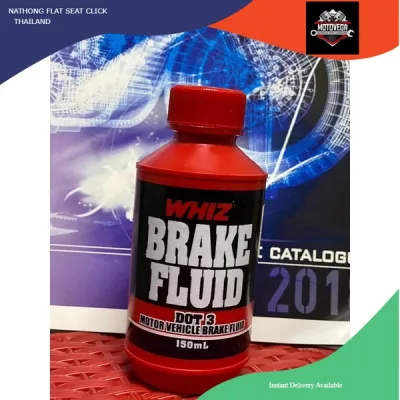
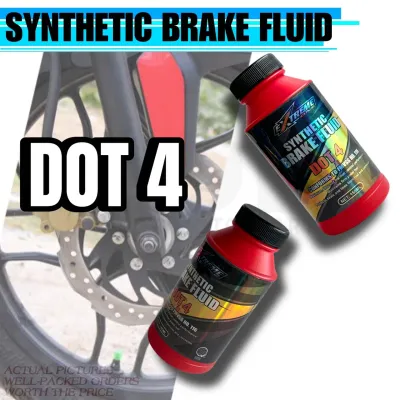
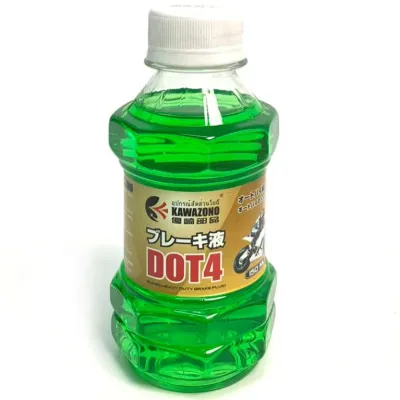
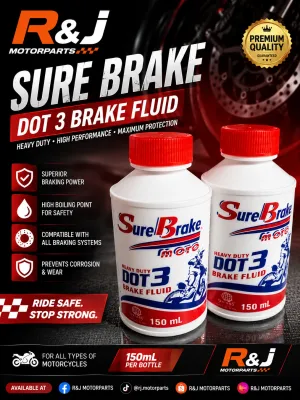
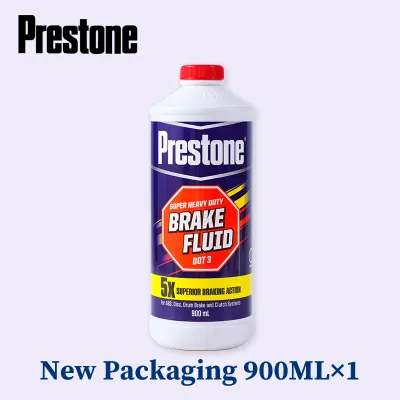
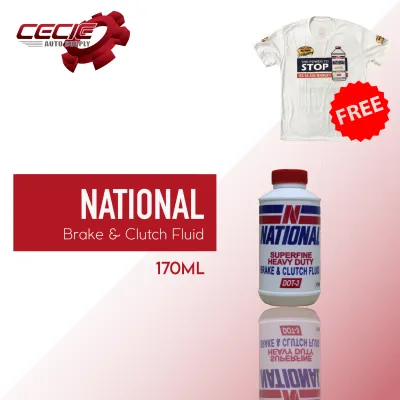
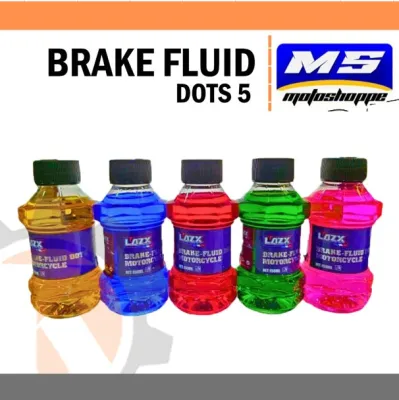
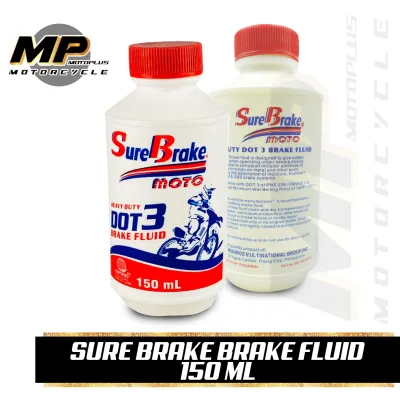
Prices are valid at publication and may change. Please refer to the product page for the latest price.
A defining characteristic of glycol-based brake fluids is that they are hygroscopic. This means they naturally and continuously absorb moisture from the surrounding atmosphere over time. Even in a sealed braking system, microscopic water molecules slowly penetrate the system through flexible rubber brake hoses, master cylinder gaskets, and caliper seals. This moisture absorption is a normal process, but it gradually degrades the performance of the fluid.
The Department of Transportation (DOT) rating system is a set of standardized safety benchmarks established to classify brake fluids based on their physical properties and performance limits. While DOT3 and DOT4 share a similar glycol ether base, their internal additive packages differ significantly. DOT4 fluids are formulated with additional chemical compounds, such as borate esters, which are specifically designed to chemically bind with water molecules. This advanced additive package helps DOT4 maintain higher performance standards and resist boiling even as it absorbs moisture over its service life.
Boiling Points and Heat Resistance: The Core Differences
The primary technical distinction between DOT3 and DOT4 brake fluids lies in their boiling points. These boiling points are measured and rated in two distinct states: dry and wet. Understanding these states is crucial for evaluating how each fluid behaves under real-world riding conditions.

The dry boiling point refers to the temperature at which fresh, pure brake fluid from an unopened container begins to boil. The wet boiling point represents the boiling temperature of the fluid after it has absorbed a standardized amount of water—specifically 3.7 percent water content by volume—from the surrounding environment. This wet rating is a much more accurate representation of the fluid’s performance after it has been in your motorcycle’s braking system for several months.
According to standard international safety regulations, such as the Federal Motor Vehicle Safety Standard (FMVSS) No. 116, the minimum temperature requirements for each class are clearly defined:
- DOT3 Minimum Standards: Dry boiling point of 205°C (401°F); wet boiling point of 140°C (284°F).
- DOT4 Minimum Standards: Dry boiling point of 230°C (446°F); wet boiling point of 155°C (311°F).
Always check the specific product label when purchasing brake fluid, as premium formulations from reputable brands often exceed these minimum regulatory requirements.
During a ride, kinetic energy is converted into thermal energy through the friction of your brake pads squeezing against the brake rotors. Because motorcycle braking components are compact and have relatively small surface areas to dissipate heat, they can reach extreme temperatures very quickly. This thermal load is intensified during continuous downhill descents, when carrying heavy luggage or a passenger, or during stop-and-go commuting.
If the temperature of your braking system exceeds the boiling point of the brake fluid, the water trapped within the fluid vaporizes into gas bubbles. Because gas is highly compressible, pulling your brake lever will simply compress these bubbles rather than pushing the brake pads against the rotor. This dangerous phenomenon is known as vapor lock, and it manifests as a sudden, terrifying loss of braking power, a spongy lever feel, or a lever that pulls all the way to the handlebar grip without slowing the motorcycle down.
Can You Mix, Upgrade, or Downgrade Your Brake Fluid?
Maintaining the integrity of your motorcycle’s hydraulic system requires strict adherence to fluid compatibility rules. Making unauthorized substitutions or mixing different types of fluid can lead to unpredictable braking behavior and mechanical issues.
Mixing DOT3 and DOT4 brake fluid in the same reservoir is highly discouraged. Although they are chemically compatible because both are glycol-based, mixing them immediately dilutes the performance of the higher-rated fluid. The overall boiling point of the mixture will drop close to the level of the DOT3 fluid, stripping away the extra thermal protection you expect from DOT4. This creates an inconsistent boiling threshold that could fail under heavy braking loads.
Upgrading your system from DOT3 to DOT4 is sometimes permissible, but it requires careful preparation. If your motorcycle manufacturer approves DOT4 as an alternative option, you must perform a complete brake system flush rather than simply topping off the reservoir. This involves draining all old DOT3 fluid, thoroughly flushing the lines, and refilling the system with fresh DOT4. Before proceeding, you must verify with your vehicle’s documentation that your original rubber seals and internal master cylinder components are fully compatible with the specific borate ester additives found in DOT4 fluids.
Downgrading from DOT4 to DOT3 is a severe safety hazard and should never be attempted. If your motorcycle’s braking system was engineered and calibrated for DOT4, it relies on the higher wet and dry boiling points of that standard. Introducing DOT3 fluid into a system designed for DOT4 increases the risk of early fluid boiling and vapor lock under normal operating temperatures, which can lead to sudden brake failure.
Whenever you change, upgrade, or service your brake fluid, completely bleeding the system is mandatory. This process ensures that all trapped air bubbles are purged from the lines and that only fresh, uncontaminated fluid fills the entire hydraulic circuit from the master cylinder to the brake caliper pistons.
Brake Fluid Maintenance in Tropical and Humid Climates
Operating a motorcycle in tropical and highly humid environments, such as the Philippines, demands a more rigorous maintenance schedule. High ambient humidity accelerates the rate at which glycol-based brake fluids absorb moisture from the air, shortening the effective lifespan of the fluid.
When water accumulates in your brake fluid, it does more than just lower the boiling point; it also promotes internal corrosion. Moisture can cause rust and pitting on the metal surfaces of your master cylinder bore, caliper pistons, and ABS modulator valves. This corrosion can lead to sticky brake pistons, uneven pad wear, fluid leaks, or complete system binding.
To ensure your safety on the road, you should regularly perform a visual inspection of your brake fluid. Most motorcycles feature a transparent sight glass on the master cylinder reservoir. Look through this window to check both the fluid level and its color:
- Healthy Fluid: Clear to light amber or straw-colored.
- Contaminated Fluid: Dark brown, cloudy, or containing visible black sediment.
If you observe dark or cloudy fluid, it has become heavily saturated with moisture and debris, requiring an immediate flush.
Under typical riding conditions, brake fluid should be completely replaced every 1 to 2 years, regardless of the mileage covered. However, if you ride daily in highly humid coastal regions, navigate flooded streets during the monsoon season, or frequently commute through dense, stop-and-go urban traffic, you may need to shorten this interval to maintain optimal safety.
Before performing any brake system maintenance, always consult your motorcycle’s factory service manual and the warning labels on your selected brake fluid bottle. If you lack a clean, dry workspace, specialized bleeding tools, or the necessary technical experience, do not attempt to flush or bleed the brakes yourself. A minor mistake during this process can introduce air into the system or cause leaks, leading to immediate brake failure. Always have your brake system serviced by a qualified professional mechanic. Additionally, handle glycol-based brake fluids with extreme care; they are highly corrosive to painted fairings, plastics, and polished metal, and any accidental spills must be flushed off immediately with water.
Decision Framework: Which Fluid Should You Buy?
To help you make the correct choice for your motorcycle, refer to this structured decision framework before purchasing your next bottle of brake fluid:
- Choose DOT3 if: Your motorcycle's owner's manual or master cylinder reservoir cap explicitly specifies DOT3, and your daily riding consists of light, low-stress commuting without heavy loads, passengers, or steep mountain descents.
- Choose DOT4 if: Your motorcycle manufacturer specifies DOT4 on the reservoir cap or in the manual. You should also choose DOT4 if your system is approved for it and you frequently ride in heavy traffic, carry heavy cargo, ride with a passenger, or navigate steep, winding mountain roads where high heat resistance is required.
- Verify first if: You are unsure of the fluid currently in your system, are planning an upgrade from DOT3 to DOT4, or notice any symptoms of brake system issues, such as a spongy lever, fluid leaks, or decreased stopping power. Always consult a professional mechanic and review your vehicle's service manual before making any changes to your braking system.
Frequently Asked Questions (FAQ)
Is DOT 5.1 the same as DOT 5?
No, DOT 5.1 and DOT 5 are entirely different formulations and are completely incompatible. DOT 5.1 is a high-performance, glycol-based fluid that shares the same chemical foundation as DOT3 and DOT4, meaning it can be used in systems designed for those standards if a higher boiling point is desired. DOT 5, however, is a silicone-based fluid. Mixing silicone-based DOT 5 with glycol-based fluids will cause the fluids to gel, destroying your brake seals and causing immediate, catastrophic brake system failure.
Does brake fluid expire in an unopened bottle?
Yes, brake fluid has a limited shelf life even when stored in an unopened container. While a factory-sealed metal or high-density plastic bottle can typically be stored for up to two to three years under cool, dry conditions, you should always check the manufacturer’s expiration date on the packaging. Once the factory seal is broken, the fluid immediately begins to absorb moisture from the air. It is highly recommended to purchase small, single-use bottles that provide just enough fluid for a single flush, and safely discard any leftover fluid rather than saving it for future use.
Community discussion
Share your experience or ask a question. Comments are reviewed before publication.