
The braking system of your vehicle is its most critical safety feature, and the hydraulic fluid running through it is the lifeblood of that system. When maintaining this system, choosing between DOT3 and DOT4 brake fluid is a decision that directly impacts your safety on the road. The ultimate authority on which fluid your vehicle requires is always your vehicle manufacturer. You can find this specification clearly printed in your vehicle owner’s manual or stamped directly onto the master cylinder reservoir cap under the hood.
While DOT4 fluid is generally backward-compatible with systems designed for DOT3, you must never use DOT3 fluid in a system that explicitly requires DOT4. Because the braking system is highly pressurized and subject to extreme thermal stress, guessing or using the wrong specification is not an option. Making an incorrect choice can lead to a soft brake pedal, reduced stopping power, or complete brake failure under demanding driving conditions.
Understanding the Basics: What Are DOT3 and DOT4?
To understand these fluids, it helps to look at the regulatory standards that govern them. The acronym “DOT” refers to the Department of Transportation, specifically complying with the Federal Motor Vehicle Safety Standard No. 116 (FMVSS 116) in the United States, which has been widely adopted as the global benchmark for brake fluid performance. This standard classifies hydraulic fluids based on their physical properties, chemical stability, and, most importantly, their boiling points.
Products mentioned in this guide
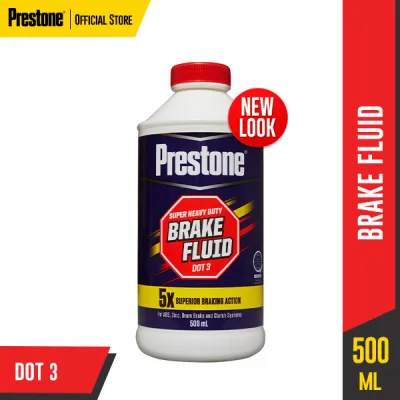
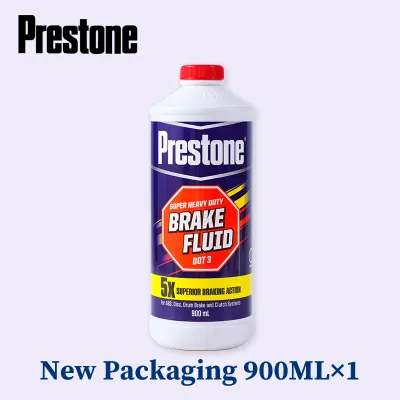
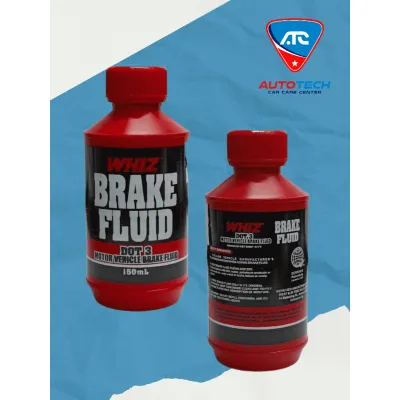
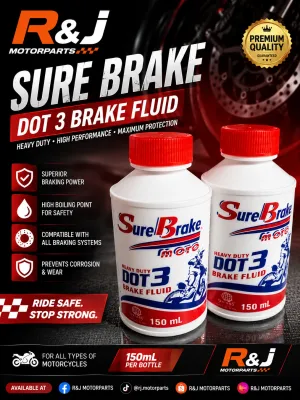
Prices are valid at publication and may change. Please refer to the product page for the latest price.
Both DOT3 and DOT4 are primarily glycol-ether based fluids. This common chemical foundation means they share similar characteristics, such as being hygroscopic, meaning they naturally attract and absorb moisture from the surrounding atmosphere. The primary difference between the two lies in their chemical additives, specifically the inclusion of borate esters in DOT4 formulations. These esters are synthesized into the fluid to alter its performance characteristics, providing greater thermal stability and raising the temperature at which the fluid will boil.
Because they share a glycol-ether base, these fluids are chemically compatible in terms of mixability, but their performance profiles remain distinct. The chemical modifications in DOT4 allow it to withstand the higher operating temperatures generated by modern, compact braking systems and heavier vehicle profiles. Understanding this chemical baseline is essential before comparing how they perform under real-world driving pressures.
DOT3 vs. DOT4: Key Performance and Safety Differences
When comparing these two fluid specifications, the differences manifest in how they handle heat, absorb moisture, and protect internal system components. These factors are critical to maintaining consistent hydraulic pressure when you press the brake pedal.

To provide a clear overview of how these fluids compare under standardized testing, the table below outlines the minimum performance requirements established by FMVSS 116:
| Performance Metric | DOT3 Minimum Standard | DOT4 Minimum Standard | Primary Significance |
|---|---|---|---|
| Dry Boiling Point | 205°C (401°F) | 230°C (446°F) | Boiling point of fresh, uncontaminated fluid |
| Wet Boiling Point | 140°C (284°F) | 155°C (311°F) | Boiling point after absorbing 3.7% water |
| Base Chemistry | Glycol-Ether | Glycol-Ether with Borate Esters | Determines chemical compatibility and heat tolerance |
| Viscosity at -40°C | Max 1,500 mm²/s | Max 1,800 mm²/s | Affects low-temperature ABS/ESC performance |
| Primary Application | Older, light-duty passenger vehicles | Modern vehicles, heavy loads, high-heat driving |
Boiling Points (Dry vs. Wet)
The dry boiling point refers to the temperature at which brand-new, uncontaminated fluid will boil. When brake fluid is poured from a freshly unsealed bottle, it contains virtually zero moisture, allowing it to perform at its maximum thermal capacity. For DOT3, this minimum threshold is 205°C (401°F), while DOT4 must reach at least 230°C (446°F). This higher dry boiling point gives DOT4 a distinct advantage during intense braking episodes.
The wet boiling point is a much more realistic measure of safety for a vehicle in daily use. This metric represents the boiling point of the fluid once it has absorbed approximately 3.7% water by volume, which typically occurs after one to two years of service. Under the FMVSS 116 standard, the minimum wet boiling point drops to 140°C (284°F) for DOT3 and 155°C (311°F) for DOT4. This decline highlights why regular maintenance is necessary, as even a small amount of water contamination significantly reduces the fluid’s thermal limits.
When brake fluid boils, it undergoes a physical phase change from a liquid to a gas, creating vapor bubbles within the hydraulic lines. Because gas is highly compressible, whereas liquid is incompressible, this phenomenon—known as vapor lock—causes the brake pedal to feel spongy or sink completely to the floorboard without activating the brakes. Maintaining a high wet boiling point is your primary defense against this sudden and dangerous loss of braking force.
Moisture Absorption and Climate Impact
Glycol-based fluids are highly hygroscopic, meaning they act like a sponge, drawing moisture out of the air. This moisture absorption is not a manufacturing defect; it is a deliberate design characteristic. By absorbing and holding water in suspension, the fluid prevents pools of pure water from collecting at low points in the braking system, which would freeze in cold climates or boil instantly at just 100°C (212°F), causing immediate brake failure.
In tropical, high-humidity environments like the Philippines, this moisture absorption process is significantly accelerated. The combination of intense atmospheric humidity and high ambient temperatures creates a demanding environment where moisture can rapidly permeate the microscopic pores of rubber flexible brake hoses and reservoir seals. Consequently, a vehicle operating in these conditions will reach the 3.7% wet contamination threshold much faster than a vehicle driven in an arid climate.
While DOT4 starts with a higher dry boiling point, the borate esters that give it this advantage also make it highly active in attracting water. As a result, the boiling point of DOT4 can degrade more rapidly than that of DOT3 once exposure to high humidity begins. This rapid degradation means that if you choose to run DOT4 in a highly humid environment, you must adhere strictly to recommended service intervals to ensure the fluid’s performance does not drop below safe operating limits.
Chemical Additives and Corrosion Protection
Beyond managing heat and moisture, brake fluids contain a complex package of chemical additives designed to protect the internal metallurgy of your braking system. These additives include corrosion inhibitors, pH buffers, and antioxidants. Because the hydraulic system contains a mix of metals—including steel, copper, brass, cast iron, and aluminum—it is highly susceptible to galvanic corrosion when moisture is present.
DOT4 formulations use advanced borate ester chemistry, which provides superior buffering capacity against acidity compared to standard DOT3 fluids. This chemical shield helps neutralize the corrosive acids that form as the fluid breaks down under thermal stress. By maintaining a stable, alkaline pH level, DOT4 offers enhanced protection for expensive internal components, such as anti-lock braking system (ABS) hydraulic modulators and electronic stability control (ESC) valves.
These protective chemical additives are sacrificial, meaning they deplete over time as they perform their neutralizing duties. Once these inhibitors are exhausted, the combination of absorbed moisture and degraded fluid will begin to corrode the internal surfaces of your brake calipers, wheel cylinders, and master cylinder pistons. This internal decay can lead to stuck calipers, leaking seals, and clogged ABS valves, emphasizing the need for regular fluid replacement regardless of the vehicle’s mileage.
Compatibility Rules: Can You Mix DOT3 and DOT4?
The short answer is yes, you can physically mix DOT3 and DOT4 brake fluids because they share a compatible glycol-ether base. However, just because they are miscible does not mean doing so is ideal or entirely safe for long-term operation. Understanding the chemical and physical consequences of mixing these fluids is vital before performing any top-ups or system services.
When you add DOT4 fluid to a system currently filled with DOT3, the two fluids will blend without any adverse chemical reactions, such as congealing or phase separation. However, the resulting mixture will only perform to the level of the lowest common denominator. The superior boiling points and advanced corrosion protection of the DOT4 fluid will be diluted by the existing DOT3 fluid, meaning you will not gain the performance benefits of the higher-tier fluid.
Conversely, you must never add DOT3 fluid to a system that explicitly requires DOT4. If your vehicle’s manufacturer specified DOT4, the braking system was designed to operate at higher thermal thresholds, or it utilizes advanced ABS/ESC systems calibrated for the specific viscosity and heat tolerance of DOT4. Introducing DOT3 into such a system lowers the overall boiling point below the manufacturer’s safety margin, greatly increasing the risk of vapor lock and brake fade during heavy braking, such as descending steep mountain roads like those in Baguio or Tagaytay.
If you decide to transition your vehicle from DOT3 to DOT4 to take advantage of the higher thermal margins, a simple top-up is insufficient. The only safe and effective way to upgrade is to perform a complete system flush. This process involves purging all the old fluid from the master cylinder, lines, and calipers, and replacing it entirely with fresh fluid from a sealed container. This ensures that your system benefits from the full dry and wet boiling point specifications of the new fluid.
How to Choose: A Step-by-Step Decision Guide
Selecting the correct fluid for your vehicle does not have to be a guessing game. By following a structured approach, you can ensure your braking system remains reliable and compliant with original equipment manufacturer (OEM) standards.
Step 1: Locate the OEM Specification
Before purchasing any product, you must verify what your vehicle’s manufacturer requires. Open your hood and locate the brake master cylinder reservoir, which is typically mounted on the driver’s side firewall. Clean the dirt off the reservoir cap and read the text stamped into the plastic or metal; it will explicitly state “Use only DOT3” or “Use only DOT4.” Cross-reference this information with the specifications section in your vehicle owner’s manual to confirm.
Step 2: Inspect the Current Fluid Condition
With the vehicle parked on a level surface, visually inspect the fluid level and color through the translucent plastic of the reservoir without removing the cap. Fresh brake fluid should be nearly clear with a light amber or pale-yellow tint. If the fluid appears dark brown, cloudy, or has black suspended particles, it has severely degraded, absorbed excessive moisture, or begun to erode the rubber seals. In this state, a simple top-up is inadequate, and a complete system flush is required.
Step 3: Evaluate Your Driving Environment and Habits
Consider where and how you drive daily. If you frequently navigate heavy, stop-and-go traffic in hot urban areas, haul heavy cargo, or regularly drive through mountainous terrain with steep descents, your brakes will generate substantial heat. Under these demanding conditions, upgrading a DOT3-rated system to a high-quality DOT4 fluid (via a complete flush) provides an extra margin of safety against brake fade, provided your vehicle documentation confirms compatibility.
Decision Framework
To simplify your final decision, use the following guidelines based on your vehicle’s requirements and driving conditions:
- Choose DOT3 if: Your vehicle owner's manual specifically mandates it, you drive primarily under normal, light-duty commuting conditions, and you prefer a fluid whose boiling point degrades at a slower, more predictable rate over time.
- Choose DOT4 if: Your vehicle manufacturer recommends or requires it, or you are upgrading a compatible DOT3 system to handle high-heat, high-demand driving scenarios, and you are committed to a strict maintenance schedule.
- Verify first if: Your vehicle utilizes a specialized electronic braking or stability control system that requires a low-viscosity variant (such as DOT4 Class 6), which is common in many modern European and Asian imports. Always check the product label to ensure it meets these specific manufacturer standards.
Essential Maintenance and Safety Rules for Brake Fluid
Brake fluid is a highly specialized chemical compound that requires careful handling and strict maintenance to ensure vehicle safety. Because it is hygroscopic, its lifespan is limited once it is exposed to the environment, making regular service a non-negotiable aspect of car ownership.
As a general safety rule, you should perform a complete brake fluid flush every two years or every 40,000 kilometers, whichever comes first. In highly humid tropical regions, you may need to shorten this interval to every 12 to 18 months, as the rate of moisture absorption is significantly higher. Do not rely solely on mileage; even a vehicle that sits idle in a garage will absorb moisture from the air over time, degrading the fluid’s boiling point and compromising safety.
When adding or replacing fluid, always use product from a fresh, vacuum-sealed container. Never use fluid from a bottle that has been opened and sitting on a shelf for more than a few weeks. Once the factory seal is broken, the air inside the bottle introduces moisture, and the fluid begins to degrade immediately. Using pre-exposed fluid defeats the purpose of maintenance and introduces contaminated fluid directly into your hydraulic system.
Additionally, you must handle the fluid with extreme care during application. It is highly corrosive to automotive paint, clear coats, and certain plastics. If you spill any fluid on your vehicle’s bodywork, do not wipe it, as this can smear and lift the paint; instead, immediately flush the area with copious amounts of soapy water to neutralize and wash away the chemical.
Finally, remember that servicing a hydraulic braking system carries inherent safety risks. Bleeding the lines to remove air bubbles requires specific tools, such as a pressure bleeder or a vacuum pump, along with a precise understanding of the vehicle’s specific bleeding sequence. If air is trapped in the lines, your brake pedal will feel soft, and the vehicle may not stop safely. If you do not have the proper training, tools, and manufacturer instructions, always have your brake fluid flushed and bled by a qualified professional mechanic.
Frequently Asked Questions (FAQ)
Is DOT 5 the same as DOT 5.1?
No, DOT 5 and DOT 5.1 are entirely different chemical formulations and are completely incompatible. DOT 5 is a silicone-based fluid designed primarily for specific military vehicles, classic cars that sit for long periods, or specialized show cars. It does not absorb water and does not damage paint, but it cannot be mixed with glycol-ether based fluids like DOT3, DOT4, or DOT 5.1. Mixing DOT 5 with any glycol-based fluid will cause the fluids to separate, create a thick sludge, and lead to immediate seal swelling and complete brake system failure.
In contrast, DOT 5.1 is a glycol-ether based fluid, sharing the same basic chemistry as DOT3 and DOT4 but formulated to meet much higher dry and wet boiling point standards. DOT 5.1 is compatible with DOT3 and DOT4 systems, though it is typically reserved for high-performance or heavy-duty vehicles with advanced ABS systems that require extremely low viscosity at low temperatures. Always check your manual to ensure your system is rated for the specific flow characteristics of DOT 5.1 before upgrading.
Does the color of the brake fluid indicate its type?
No, you cannot determine the DOT rating or performance level of brake fluid by its color. Manufacturers use various dyes, meaning fresh fluid can range from completely clear to pale yellow or light amber. The color is not a standardized indicator of whether a fluid is DOT3, DOT4, or DOT 5.1.
However, color is an excellent indicator of the fluid’s health and contamination level. As brake fluid ages, absorbs moisture, and undergoes thermal breakdown, it gradually darkens. Fluid that has turned dark amber, brown, or black is heavily contaminated with water, oxidized additives, and microscopic debris from degrading rubber seals. If your fluid has darkened significantly, it is a clear warning sign that your system requires an immediate flush and refill with fresh fluid.
Community discussion
Share your experience or ask a question. Comments are reviewed before publication.