
Choosing the right brake fluid for your vehicle is one of the most critical maintenance decisions you can make, directly impacting your vehicle’s stopping power and overall road safety. The definitive answer to whether your car requires DOT 3 or DOT 4 fluid does not depend on personal preference, brand marketing, or price, but strictly on the specifications established by your vehicle’s manufacturer. Using the incorrect fluid can compromise your braking performance, damage internal components, or lead to complete brake failure under demanding driving conditions. To make an informed decision, you must understand how these fluids behave, how to verify your vehicle’s exact requirements, and how environmental factors influence their service life.
Your vehicle’s braking system operates as a closed hydraulic loop. When you press the brake pedal, the master cylinder forces fluid through the brake lines to the calipers or wheel cylinders, pressing the brake pads against the rotors to slow your vehicle. Because liquids are virtually incompressible, this force is transferred almost instantaneously. However, the friction generated during braking produces intense heat, which transfers directly into the brake fluid. If the fluid reaches its boiling point, it vaporizes into gas, which is highly compressible. This results in a spongy brake pedal and a severe drop in braking efficiency, a dangerous phenomenon known as vapor lock.
Understanding DOT Standards and Brake Fluid Basics
To ensure all brake fluids meet strict safety and performance criteria, regulatory bodies establish standardized classifications. The Federal Motor Vehicle Safety Standard No. 116 (FMVSS 116) defines the requirements for different classes of brake fluids, commonly known as DOT ratings. These standards are maintained by the Department of Transportation and measure critical physical properties, including minimum boiling points, viscosity limits, and chemical stability. When you look at a bottle of brake fluid, the DOT rating indicates that the product has been formulated and tested to meet these specific regulatory baselines, regardless of the brand name on the label.
Products mentioned in this guide
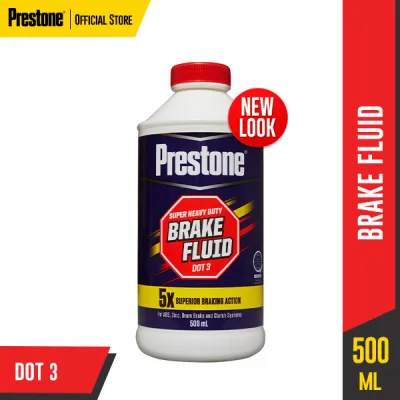
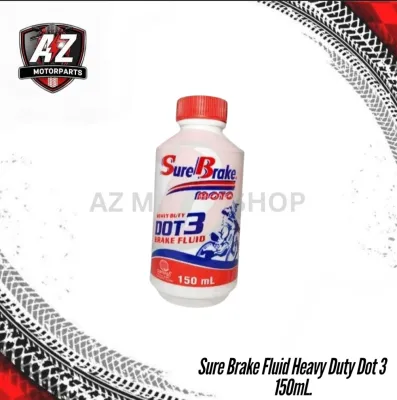
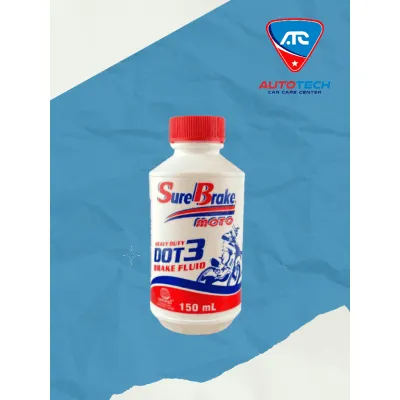
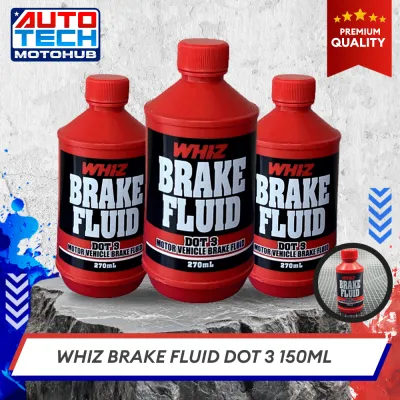
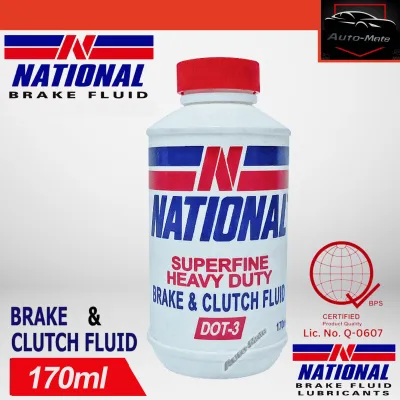
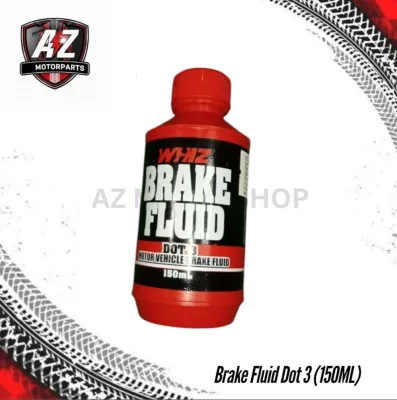
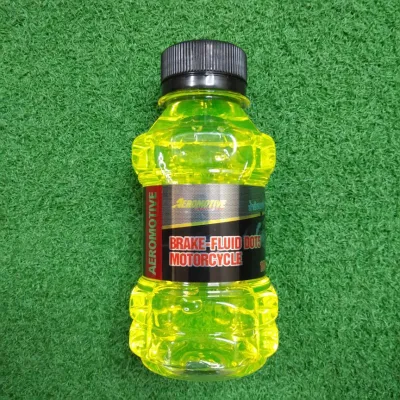
Prices are valid at publication and may change. Please refer to the product page for the latest price.
Both DOT 3 and DOT 4 brake fluids are glycol-ether based formulations. A defining characteristic of glycol-based fluids is that they are highly hygroscopic, meaning they actively attract and absorb moisture from the surrounding atmosphere over time. This moisture absorption occurs continuously, even in a sealed braking system, as water vapor slowly permeates through microscopic pores in the rubber brake hoses, seals, and the reservoir cap. As the water content within the fluid increases, the fluid’s boiling point drops significantly, reducing its ability to withstand the extreme heat generated during heavy braking.
In tropical climates like the Philippines, high relative humidity levels accelerate this moisture absorption process. The constant presence of warm, moist air means that brake fluid in these regions is exposed to a higher volume of water vapor than in drier climates. Consequently, the degradation of the fluid’s boiling point can occur more rapidly, making regular inspection and timely replacement even more critical for maintaining safe stopping distances. Selecting a brake fluid based solely on brand reputation, color, or price without verifying that it meets the exact DOT specification required for your vehicle is a major safety risk that can lead to premature system failure.
Comparing DOT3 and DOT4: What to Check on Product Labels
When evaluating brake fluids at an auto parts store or on an ecommerce platform, you must look closely at the technical specifications printed on the product label. The most critical values to compare are the dry boiling point and the wet boiling point. The dry boiling point refers to the temperature at which pure, uncontaminated fluid boils straight out of a freshly opened bottle. The wet boiling point represents the boiling temperature after the fluid has absorbed approximately 3.7% water by volume, which simulates the condition of the fluid after a period of real-world service in your vehicle.

Generally, DOT 4 fluids are formulated with borate esters in addition to the standard glycol-ether base, which allows them to achieve higher dry and wet boiling points than DOT 3 fluids. This chemical enhancement makes DOT 4 more resilient under high-temperature conditions, such as descending steep mountain passes, towing heavy loads, or navigating dense, stop-and-go urban traffic. However, this superior heat resistance does not mean DOT 4 is a universal replacement for DOT 3 in every application, as chemical compatibility with internal system components must always be verified.
Another critical specification to check on the label is viscosity, which refers to the fluid’s thickness and resistance to flow. Modern vehicles equipped with advanced safety systems, such as Anti-lock Braking Systems (ABS), Traction Control Systems (TCS), and Electronic Stability Control (ESC), rely on the rapid movement of fluid through incredibly small valves and passages. Some of these modern systems require specialized low-viscosity fluids, often labeled as DOT 4 LV or ISO Class 6, to ensure the safety systems can react within milliseconds, especially in cold or rapidly changing conditions. Using a fluid with the incorrect viscosity can delay the activation of these critical safety features, so you must always cross-reference the label specifications with your vehicle’s owner’s manual.
Safety Rules: Following Manufacturer Specifications
Because the braking system is your vehicle’s primary safety mechanism, you must establish strict boundaries when selecting and servicing brake fluid. Any maintenance, fluid top-up, or system flush must strictly adhere to the original-vehicle instructions and manufacturer specifications. If you are not fully trained, lack the proper diagnostic tools, or feel uncomfortable performing hydraulic brake work, you must have all brake fluid services completed by a qualified professional mechanic. Attempting to service your brakes without the proper expertise can introduce air into the system, leading to immediate brake failure.
Under no circumstances should you ever downgrade your brake fluid by using DOT 3 in a vehicle that explicitly requires DOT 4. Because DOT 3 fluid has lower dry and wet boiling points, it cannot handle the thermal loads that a DOT 4 system is designed to generate. If you downgrade the fluid, you run a severe risk of the fluid boiling during heavy braking, resulting in sudden brake fade, a sinking pedal, and an inability to stop the vehicle safely. Always treat the manufacturer’s specified DOT rating as the absolute minimum requirement for your vehicle.
Conversely, upgrading from DOT 3 to DOT 4 is not always a straightforward or safe process. While DOT 4 offers higher boiling points, the chemical additives and borate esters used in its formulation can be incompatible with the natural rubber seals and hoses found in older vehicles designed strictly for DOT 3. This chemical incompatibility can cause the rubber components to swell, soften, or degrade prematurely, leading to internal fluid leaks, pressure loss in the master cylinder, or external leaks at the calipers. You must verify that your vehicle manufacturer explicitly approves the use of DOT 4 in your specific model year before attempting an upgrade.
Furthermore, you should avoid mixing different DOT ratings or different brands of brake fluid in your reservoir. Mixing fluids can alter the overall chemical balance, potentially lowering the boiling point of the mixture to the lowest common denominator or causing unpredictable reactions that degrade the fluid’s performance. If you find yourself in a situation where the current fluid type in your reservoir is unknown, do not attempt to guess or top it off with a random fluid. The safest protocol is to stop, avoid driving the vehicle if the brakes feel compromised, and consult a qualified mechanic to perform a complete system flush with the correct, verified fluid.
How to Verify Your Vehicle's Exact Brake Fluid Requirement
To eliminate guesswork and ensure you purchase the correct fluid, you should follow a systematic checklist to verify your vehicle’s exact requirements. The first and easiest step is to inspect the brake fluid reservoir cap located in your engine bay. In most modern vehicles, the manufacturer stamps or prints the required DOT specification directly onto the plastic cap. Before you wipe or open the cap, ensure you clean any dirt, road grime, or moisture from the surrounding area to prevent contaminants from falling into the reservoir, as even a tiny speck of dirt can damage the internal seals of the master cylinder.
If the writing on the reservoir cap has faded, or if you want to double-check the information, your next step is to consult the vehicle’s owner’s manual. Look for the “Specifications,” “Technical Data,” or “Maintenance” section, which will list the exact type of brake fluid required, along with the system’s total capacity. The manual is the most reliable source of truth, as it will also specify if your vehicle requires a specialized low-viscosity formulation or has specific brand approvals that must be met to maintain your vehicle’s warranty.
Additionally, you should cross-reference your vehicle’s model year and braking system type. Older classic cars often have unique material requirements that are highly sensitive to modern synthetic glycol fluids, while newer vehicles with complex electronic braking systems have strict viscosity parameters. If you do not have access to the physical owner’s manual, you can often find digital copies on the manufacturer’s official website or contact an authorized local dealership service department to verify the specification using your vehicle identification number (VIN).
Once you have identified the correct specification, write it down or take a clear photo of the manual page or reservoir cap. Bring this information with you to the auto parts store or use it to verify the product description when ordering from an online marketplace. Never rely on generic application guides or verbal recommendations from store clerks, as even minor variations in vehicle trim levels or engine options can sometimes change the fluid requirements.
Purchasing, Storage, and Maintenance Checklist
When purchasing brake fluid, always inspect the physical packaging carefully before buying. Ensure that the foil seal under the plastic cap is completely intact, unpunctured, and shows no signs of tampering. If the seal is broken or compromised, the fluid has already been exposed to atmospheric moisture and should be discarded. Additionally, check the manufacturing or packaging date printed on the bottle; avoid purchasing stock that has been sitting on retail shelves for several years, as the fluid can degrade over extended periods even in an unopened container.
Because of the highly hygroscopic nature of glycol-based fluids, you should always purchase brake fluid in smaller, single-use containers rather than large jugs. Once you break the factory seal on a bottle of brake fluid, the air that enters the container introduces moisture. If you store a half-empty bottle on your garage shelf for several months, the fluid will absorb that moisture, significantly lowering its boiling point before it ever reaches your vehicle. Buying smaller bottles ensures that you only open what you need for an immediate top-up or flush, minimizing waste and ensuring maximum fluid integrity.
To maintain optimal braking performance, do not rely on visual inspections alone to determine when your brake fluid needs to be replaced. While dark, cloudy, or discolored fluid is a clear sign of severe contamination and oxidation, fluid that appears clean and amber can still contain dangerous levels of dissolved water. Instead, follow the replacement intervals specified in your vehicle’s owner’s manual, which typically recommend a complete system flush every two years, regardless of mileage. Alternatively, you can have a professional technician test the fluid’s moisture content using an electronic moisture tester or chemical test strips to get an accurate reading of its condition.
Finally, always practice safe handling and proper disposal when working with brake fluid. Glycol-based fluids are highly corrosive and can quickly strip or damage your vehicle’s paint if spilled; if an accidental spill occurs, wash the area immediately with a large amount of soapy water. Brake fluid is also classified as hazardous waste and must never be poured down household drains, onto the ground, or into storm sewers. Store your used brake fluid in a sealed, clearly labeled container and transport it to an authorized local recycling center, hazardous waste collection site, or a professional automotive service shop that accepts used fluids for proper disposal.
Frequently Asked Questions (FAQ)
Can I mix DOT3 and DOT4 brake fluids in an emergency?
While DOT 3 and DOT 4 fluids are chemically compatible because they share a glycol-ether base, mixing them should only be done in an absolute emergency when no other option is available to restore braking function. Mixing the two fluids lowers the overall boiling point of the system to near the level of the lower-rated DOT 3 fluid, reducing your vehicle’s resistance to brake fade under heavy use. If you must mix them to safely reach a service center, you should schedule a professional brake system flush as soon as possible to restore the correct, uniform fluid specification and ensure optimal safety.
How do I know if my brake fluid needs to be replaced?
The most reliable way to determine if your brake fluid needs replacement is by following the time or mileage intervals specified in your vehicle’s owner’s manual, or by having a professional measure the moisture content. Over time, moisture naturally seeps into the system, lowering the boiling point and increasing the risk of internal corrosion. Do not rely solely on the color of the fluid; while dark or cloudy fluid indicates severe contamination, clear fluid can still hold a dangerous amount of dissolved water that compromises your safety.
Does the color of the brake fluid indicate its DOT rating?
No, the color of brake fluid is not a reliable indicator of its DOT rating or its overall health. Fresh DOT 3 and DOT 4 fluids are typically clear to light amber, though some manufacturers may add specific dyes for branding or identification purposes. Because color variations exist across different brands and formulations, you must always read the product label to verify the DOT rating rather than relying on visual appearance.
Community discussion
Share your experience or ask a question. Comments are reviewed before publication.