
The Short Answer: Which Brake Fluid Should You Use?
The correct brake fluid for your vehicle depends entirely on the manufacturer’s specification found in your owner’s manual or stamped on the brake fluid reservoir cap. While both DOT3 and DOT4 are glycol-ether-based hydraulic fluids, they are engineered for different thermal limits and system designs.
DOT4 offers higher dry and wet boiling points, making it standard for modern, heavy, or high-performance vehicles. DOT3 is typically specified for older or standard commuter vehicles operating under everyday driving conditions.
Upgrading or downgrading without verifying system compatibility and manufacturer approval is not recommended. Doing so can lead to seal degradation or compromised braking performance. Always prioritize safety by adhering strictly to the original equipment manufacturer (OEM) guidelines.
Products mentioned in this guide
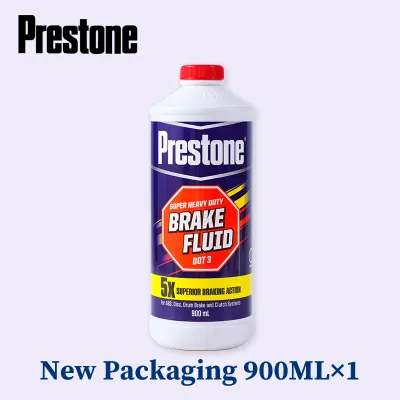
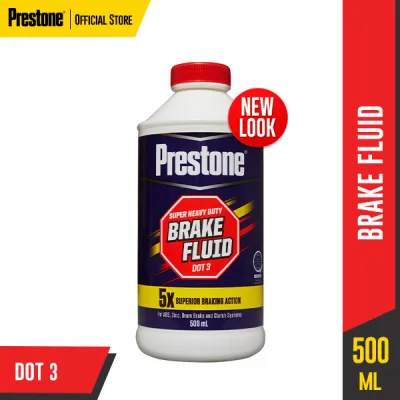
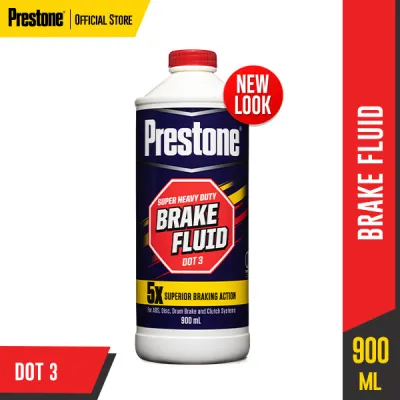
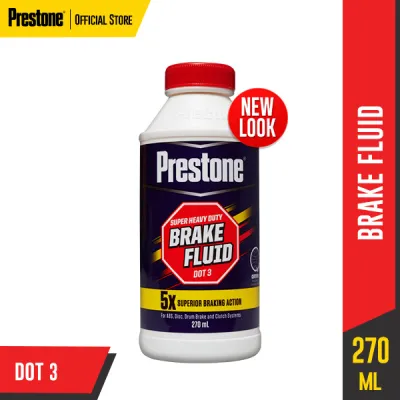
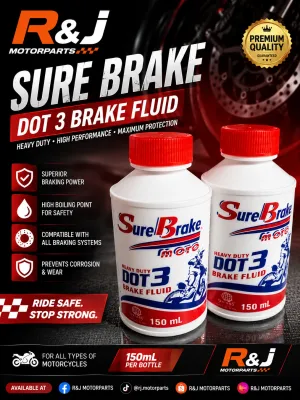
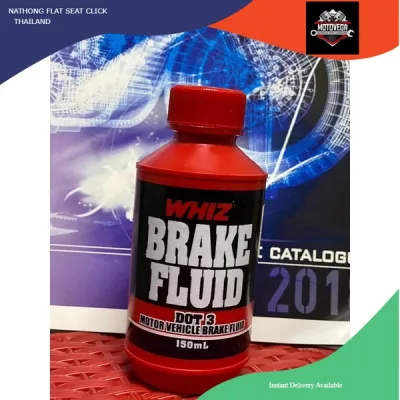
Prices are valid at publication and may change. Please refer to the product page for the latest price.
What Are DOT3 and DOT4 Brake Fluids?
Brake fluid is the hydraulic medium that transfers force from your foot on the brake pedal to the calipers and brake pads at the wheels. Because liquid is virtually incompressible, this fluid instantly transmits pressure throughout the sealed braking system. To operate safely, the fluid must maintain a stable viscosity across a wide temperature range, resist freezing, and avoid boiling under intense heat.

The Department of Transportation (DOT) rating system establishes strict safety and performance standards for these fluids, primarily regulating their boiling points and chemical stability. These standards ensure that any fluid labeled with a specific DOT rating meets minimum safety requirements.
The numbers “3” and “4” do not represent a simple “good, better, best” hierarchy. Instead, they denote different engineering specifications designed for specific braking system architectures. While both are glycol-ether-based, their distinct chemical additives, moisture absorption rates, and viscosity profiles mean they cannot always be substituted for one another. Using the wrong fluid type can damage internal components or interfere with modern electronic safety systems.
DOT3 vs. DOT4: Key Performance Differences
The primary differences between DOT3 and DOT4 brake fluids lie in how they manage heat and moisture over their operational lifespan. When you apply your brakes, friction between the pads and rotors generates intense thermal energy, which transfers directly into the brake calipers and the fluid inside them. If this fluid reaches its boiling point, your braking system can fail catastrophically.
In tropical climates like the Philippines, these specifications are especially critical. High ambient heat combined with intense relative humidity accelerates fluid degradation. Moisture from the humid air naturally penetrates the flexible rubber hoses and seals over time, steadily lowering the fluid’s boiling point. Understanding how each fluid handles these conditions is vital for road safety.
Dry and Wet Boiling Points
To evaluate a brake fluid’s thermal tolerance, industry standards measure two distinct temperatures: the dry boiling point and the wet boiling point. The dry boiling point is the temperature at which fresh, uncontaminated fluid from a sealed container will boil. The wet boiling point measures the boiling temperature after the fluid has absorbed approximately 3.7% water by volume, which typically occurs after one to two years of real-world exposure.
Under standard safety regulations, DOT3 brake fluid must meet a minimum dry boiling point of 205°C (401°F) and a minimum wet boiling point of 140°C (284°F). Standard DOT4 fluid must meet a higher minimum dry boiling point of 230°C (446°F) and a minimum wet boiling point of 155°C (311°F). Check the product label for the exact specifications of the specific fluid you are purchasing, as some premium brands exceed these minimums.
If your brake fluid reaches its boiling point during operation, it undergoes a dangerous physical transformation. The liquid turns into gas bubbles within the brake lines, a condition known as vapor lock. Because gas is highly compressible, pressing your brake pedal will simply compress the gas bubbles rather than pushing the hydraulic fluid to actuate the calipers. This results in a sudden, terrifying loss of braking power, often described as a “spongy” pedal that sinks all the way to the floor without stopping the vehicle.
Chemical Composition and Moisture Absorption
Both DOT3 and DOT4 brake fluids are hygroscopic, meaning they actively absorb moisture from the surrounding atmosphere. This moisture enters the system through microscopic pores in rubber brake hoses, reservoir cap vents, and worn seals. However, their chemical formulations handle this moisture differently.
DOT4 fluid contains borate esters in addition to its glycol-ether base. This chemical addition helps the fluid handle moisture more effectively by chemically binding with water molecules, which helps maintain a higher boiling point even as water content rises. However, this complex additive package can also make the fluid more sensitive to chemical degradation over time.
Because of these chemical differences, you cannot assume that a higher-performing fluid like DOT4 will automatically last longer in your system. In fact, some high-performance DOT4 fluids may require more frequent replacement intervals than standard DOT3 fluids. To keep your vehicle safe, always adhere to the specific flush intervals recommended by your vehicle’s manufacturer, rather than generalizing based on the fluid type.
Viscosity and ABS Compatibility
Viscosity, or fluid thickness, is another critical performance metric that distinguishes DOT3 from DOT4. Modern vehicles rely heavily on advanced driver assistance systems, such as the Anti-lock Braking System (ABS) and Electronic Stability Control (ESC). These systems operate by rapidly modulating hydraulic pressure to individual wheels—sometimes pulsing the brakes dozens of times per second—to prevent skidding and maintain steering control.
For these systems to react instantly, the brake fluid must flow freely through extremely narrow passages and micro-valves within the ABS modulator block, even under extreme temperature variations. Standard DOT4 fluids generally have a higher viscosity (thicker flow) at cold temperatures compared to DOT3. To address this, chemical manufacturers developed low-viscosity variations, often designated as DOT4 LV, Class 6, or ISO 4925 Class 6.
If your vehicle’s manufacturer specifies a low-viscosity fluid like DOT4 LV, substituting a standard DOT3 or a high-viscosity standard DOT4 can delay the response time of your ABS and ESC systems. This delay can lead to longer stopping distances or unstable handling during emergency maneuvers. Always verify the exact viscosity requirements of your vehicle before selecting a replacement fluid.
Can You Mix DOT3 and DOT4 Brake Fluid?
A frequent question among car owners is whether it is safe to mix DOT3 and DOT4 brake fluids, especially during a routine top-off. Because both fluids share a glycol-ether chemical foundation, they are fully miscible. This means they will physically mix together without separating, curdling, or forming harmful chemical precipitates or gels that could clog your brake lines.
However, physical compatibility does not equal functional safety. When you mix DOT3 and DOT4 fluids, you alter the chemical balance and degrade the performance characteristics of the superior fluid. The resulting mixture will not perform at the level of the higher-rated DOT4 fluid; instead, its boiling points will drop significantly, often falling close to or down to the lower DOT3 standard.
If your vehicle specifies DOT4, topping it off with DOT3 is highly discouraged. By introducing a lower-spec fluid, you lower the thermal threshold of the entire system, increasing the risk of vapor lock under heavy braking conditions. Conversely, if your vehicle specifies DOT3, adding DOT4 as a top-off is generally chemically safe, but it will not provide the full performance benefits of a pure DOT4 system because of the remaining DOT3 fluid in the lines.
If you decide to transition your vehicle from one fluid specification to another, simply pouring new fluid into the reservoir is insufficient and unsafe. A complete, professional system flush is required to remove all traces of the old fluid. This process involves pushing fresh fluid through the entire hydraulic circuit until only clean, uncontaminated fluid emerges from each bleeder valve. Furthermore, you must verify that your vehicle’s manufacturer explicitly permits the alternative specification before performing such a transition.
How to Choose the Right Brake Fluid for Your Car
Selecting the correct brake fluid requires a systematic approach centered on safety and manufacturer compliance. Because your brakes are your vehicle’s most critical safety component, you should never make this decision based on guesswork or generic advice. Use the following structured decision framework to determine the appropriate fluid for your vehicle:
Always Follow the Owner’s Manual First The absolute, non-negotiable rule of brake maintenance is to follow the vehicle manufacturer’s written specifications. Engineers design your car’s master cylinder, calipers, rubber hoses, and internal seals to work with the specific chemical properties of a designated fluid. This specification is clearly listed in your owner’s manual under the fluid capacities section and is almost always printed on the plastic cap of the brake fluid reservoir. If the manual specifies DOT3, use DOT3. If it specifies DOT4, use DOT4.
When to Stick with DOT3 If your vehicle is an older model, a standard subcompact commuter, or a light commercial vehicle designed specifically for DOT3, there is rarely any benefit to changing. Under daily driving conditions—such as commuting on flat city roads at moderate speeds—a high-quality DOT3 fluid provides more than enough thermal protection. Sticking with the original specification ensures that your braking system seals and hoses remain chemically compatible, preventing premature leaks or degradation of internal rubber parts.
When DOT4 is the Required Choice You must use DOT4 if your vehicle’s manufacturer specifies it. This is highly common in European vehicles, modern SUVs, crossover utility vehicles, and performance cars. Additionally, if you frequently drive in demanding environments, DOT4 is highly beneficial. In the Philippines, this includes navigating the steep, winding mountain passes of Benguet or Rizal, carrying heavy payloads in a utility pickup truck, or enduring the relentless stop-and-go traffic of Metro Manila during hot afternoon commutes. These scenarios generate massive amounts of heat in your brakes, making the higher boiling points of DOT4 essential to prevent vapor lock.
Crucial Verification Before Upgrading If you are considering upgrading a DOT3 system to DOT4 for better thermal performance, you must verify several factors first. Check your vehicle’s documentation to ensure the rubber seals and hoses in your older brake system are compatible with the borate esters found in DOT4. Additionally, check if your vehicle features an advanced ABS or traction control system that requires a low-viscosity fluid. If it does, a standard DOT4 fluid might be too thick, and you would need to look specifically for a DOT4 LV (Low Viscosity) product. When in doubt, consult a certified automotive technician before changing your fluid type.
When to Flush and Replace Your Brake Fluid
Maintaining your braking system goes far beyond choosing the right fluid type; it also requires regular inspection and timely replacement. Over time, all glycol-based brake fluids degrade. As the fluid absorbs moisture from the air, its boiling point drops steadily, and the protective anti-corrosion additives break down. This can lead to internal rust and corrosion within your steel brake lines, calipers, and expensive ABS modulator blocks.
Because moisture absorption is invisible, you must watch for physical signs that your brake fluid is compromised. A spongy or soft brake pedal that requires you to press harder or pump the pedal to stop is a primary indicator of moisture contamination and potential vapor lock. You should also inspect the fluid inside the plastic reservoir under your hood. Fresh brake fluid is clear with a light amber or yellow tint. If the fluid appears dark brown, cloudy, or has visible black sediment, it is highly contaminated and requires an immediate flush. Additionally, an illuminated ABS or brake warning light on your dashboard warrants an immediate diagnostic check.
As a best practice, have your brake fluid’s moisture content and level checked by a professional during every routine oil change. Many automotive service centers use digital moisture pens or chemical test strips to measure the exact water percentage in your fluid.
Do not rely on generic mileage rules of thumb. Instead, consult your vehicle’s manual to find the exact service interval, which is typically expressed in years (e.g., every two years) or mileage (e.g., every 40,000 kilometers), whichever comes first. Because of the high humidity and wet monsoon seasons in the Philippines, brake fluid can absorb moisture more rapidly than in drier climates, making regular inspections even more critical. When performing a flush, always ensure the work is carried out by a qualified professional to guarantee that no air remains trapped in the hydraulic lines.
Frequently Asked Questions (FAQ)
Is DOT5 the same as DOT4?
No, DOT5 is entirely different from DOT4. While DOT4 is a glycol-ether-based fluid, DOT5 is a silicone-based fluid developed primarily for specialized military vehicles and classic cars that sit idle for long periods. These two chemical bases are completely incompatible. If you mix silicone-based DOT5 with glycol-based DOT4 (or DOT3), the fluids will not mix; instead, they will separate, form a thick, jelly-like sludge, and destroy the rubber seals throughout your braking system, leading to complete brake failure. Note that DOT5.1 is glycol-based and chemically compatible with DOT4, but standard DOT5 must never be used in a system designed for glycol fluids.
Can I use DOT4 instead of DOT3 in an emergency?
In a strict roadside emergency where your brake fluid level is dangerously low and no DOT3 is available, adding DOT4 to top off the reservoir is acceptable. Because they are both glycol-based, they will mix safely without causing immediate chemical damage or solidifying. This is far safer than operating your vehicle with an empty master cylinder, which would introduce air into the lines and cause immediate brake failure. However, this mixture will lower the boiling point of your system. You should have your vehicle driven carefully to a professional service center as soon as possible for a complete brake system flush and refill with the correct manufacturer-specified fluid.
Community discussion
Share your experience or ask a question. Comments are reviewed before publication.