
The Direct Answer: Which Brake Fluid Does Your Car Need?
To maintain a highly responsive braking system and guarantee a sure brake pedal feel, selecting the correct brake fluid is paramount. The absolute best brake fluid for your vehicle is the one explicitly stamped on your master cylinder reservoir cap or detailed in your vehicle owner’s manual. Choosing between DOT 3 and DOT 4 is not a matter of selecting a “premium” or “standard” tier; rather, it is about matching the precise chemical and thermal specifications to which your vehicle’s braking system was engineered.
Automotive braking systems rely on hydraulic pressure to transfer the force of your foot on the pedal directly to the brake calipers or wheel cylinders. This process generates immense friction and heat at the wheels. If the fluid in the lines cannot withstand this heat, it will boil and vaporize, leading to a soft, spongy pedal and a catastrophic loss of stopping power. Therefore, matching the exact specification designated by your vehicle manufacturer is the only way to ensure consistent safety and reliable performance.
When evaluating your options, the core decision framework is straightforward. Always choose DOT 3 if your owner’s manual explicitly requires it and warns against alternatives. Choose DOT 4 if your manual specifies it, or if the manufacturer explicitly states that DOT 4 is an acceptable, backward-compatible alternative for your specific model. Before purchasing any product, physically inspect the reservoir cap under your hood and cross-reference it with your manual to verify compatibility.
Products mentioned in this guide
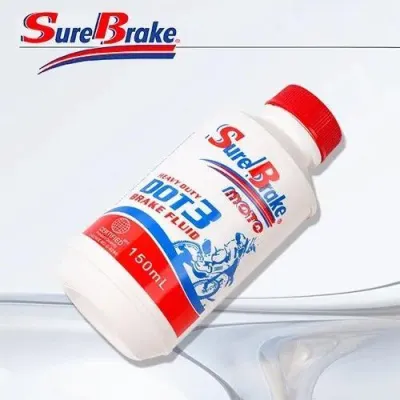
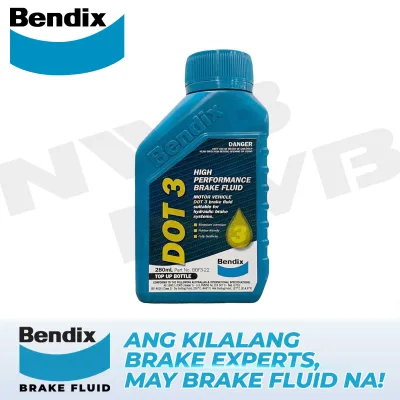
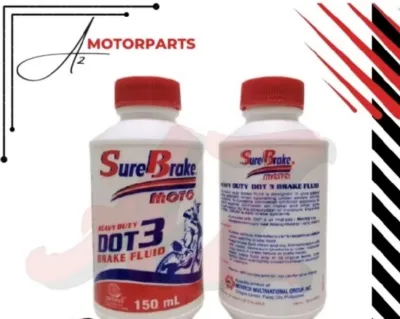
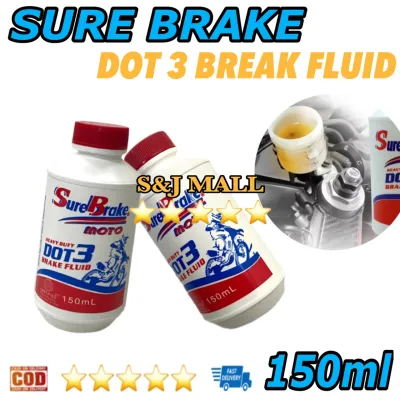
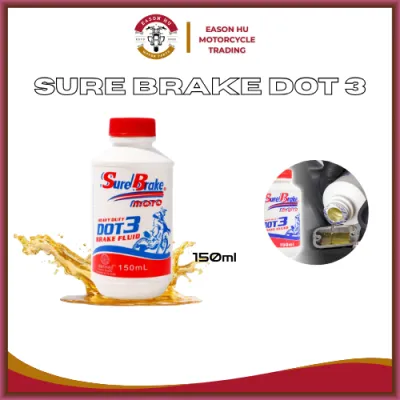
Prices are valid at publication and may change. Please refer to the product page for the latest price.
For drivers seeking reliable performance, choosing the correct brake fluid ensures sure brake operation even under heavy thermal loads. Never assume that a higher DOT number is automatically better for your car. Some older braking systems contain natural rubber seals and hoses that are specifically designed for the chemical composition of DOT 3 and may degrade prematurely if exposed to the different additive packages found in DOT 4.
DOT3 vs DOT4: Comparing Heat Resistance and Moisture Absorption
Both DOT 3 and DOT 4 brake fluids belong to the same chemical family of glycol-ether based fluids. They are inherently hygroscopic, meaning they actively attract and absorb moisture from the surrounding atmosphere over time. Despite this shared chemical foundation, they differ significantly in their chemical formulations, specifically in the addition of borate esters in DOT 4, which alters how they handle heat and moisture.

The performance of these fluids is primarily measured by two critical benchmarks: the dry boiling point and the wet boiling point. The dry boiling point refers to the temperature at which the fluid will boil when it is brand new, fresh from a sealed container, and contains zero percent water. The wet boiling point represents the boiling temperature after the fluid has absorbed approximately 3.7% water by volume, which typically occurs after several years of real-world operation.
While international standards establish minimum temperature thresholds for both classifications, you should always check the product labels of the specific brand you are purchasing to verify the exact boiling points. Manufacturers often formulate fluids that exceed these minimum standards. A higher dry boiling point provides a larger safety margin during prolonged braking, such as when descending steep mountain passes or navigating heavy, stop-and-go traffic.
Moisture absorption rates differ conceptually between the two types due to their chemical structures. The borate esters in DOT 4 fluid are highly effective at chemically binding with water molecules, which helps maintain a higher boiling point even as moisture enters the system. However, this chemical action can cause DOT 4 to absorb moisture at a different rate compared to DOT 3 under certain operating conditions. Consequently, vehicles utilizing DOT 4 may require more frequent fluid inspections and shorter service intervals to prevent internal corrosion.
In terms of typical industry applications, DOT 3 is commonly found in older passenger vehicles, light trucks, and standard commuter cars with moderate braking requirements. DOT 4 is widely specified for modern vehicles, heavier SUVs, turbocharged models, and European imports that generate higher operating temperatures during braking. However, these general market trends should never override the specific instructions provided by your vehicle’s manufacturer.
Compatibility Rules: Mixing, Topping Up, and Upgrading
Because DOT 3 and DOT 4 are both glycol-ether based fluids, they are chemically compatible in terms of mixability, meaning they will not separate or react violently if combined. However, mixing them is highly discouraged for routine maintenance. Adding DOT 3 to a system designed for DOT 4 will immediately lower the overall boiling point of the fluid, compromising the safety margins engineered into your vehicle’s braking system.
Furthermore, mixing different brands of fluid, or combining fresh fluid with old, degraded fluid already in the system, can compromise the effectiveness of the corrosion inhibitors. Over time, these protective additives break down. Topping up a highly contaminated reservoir with fresh fluid does not restore the system’s integrity; it merely dilutes the contaminants while leaving the underlying moisture and debris in the lines.
There is a common myth among car enthusiasts that upgrading to DOT 4 is a simple way to improve braking performance. In reality, pouring DOT 4 into a system designed for DOT 3 will not increase your stopping power or make your pedal feel firmer under normal driving conditions. Because DOT 4 has different moisture absorption characteristics, making this switch without a specific manufacturer recommendation may actually force you to change your brake fluid more frequently to avoid internal system damage.
It is critical to establish a hard safety boundary regarding silicone-based fluids. DOT 5 is a silicone-based brake fluid and is entirely incompatible with glycol-based DOT 3 and DOT 4 fluids. Mixing glycol-based and silicone-based fluids will cause the mixture to jellify, clogging the small passages of the Anti-lock Braking System (ABS) valves, destroying internal seals, and leading to complete brake failure. If your vehicle requires a glycol-based fluid, never introduce DOT 5 into the system.
If you decide to switch fluid specifications or need to replace degraded fluid, a complete system flush is the only safe and reliable method. This process involves completely draining the old fluid, flushing the lines with fresh fluid to remove contaminants, and bleeding the system to ensure no air bubbles are trapped. Because of the critical safety implications and the potential to damage ABS components, this procedure should be performed by a qualified mechanic using professional equipment.
How to Inspect Your Brake Fluid and Know When to Flush
Performing regular visual inspections of your brake fluid is a simple, low-risk way to monitor the health of your braking system. Start by locating the master cylinder reservoir under your hood. Without removing the cap, observe the fluid level through the translucent plastic housing. The fluid level must always sit between the clearly marked minimum (MIN) and maximum (MAX) lines.
Next, assess the color and clarity of the fluid through the reservoir wall. Clean, healthy brake fluid should be clear with a light yellow or amber tint. As the fluid ages, absorbs moisture, and undergoes thermal stress, it gradually darkens. Fluid that has turned dark brown or black, or contains visible floating particles, is heavily contaminated and requires an immediate professional flush.
To prevent introducing moisture and dirt into the sealed system, avoid opening the reservoir cap unnecessarily. This precaution is especially important in highly humid or dusty environments. Every time the cap is removed, ambient air enters the reservoir, and the hygroscopic fluid immediately begins absorbing moisture from the air, which permanently lowers its wet boiling point.
Be alert to the physical warning signs of degraded brake fluid while driving. If you experience a spongy or soft brake pedal that requires you to pump the pedal to slow down, or if you notice a significant increase in stopping distance, your fluid may have boiled or absorbed excessive moisture. Additionally, an illuminated brake warning light or ABS light on your dashboard warrants an immediate inspection by a professional technician.
Rather than relying on generic mileage rules, establish your maintenance intervals based on your vehicle manufacturer’s specific service schedule. In demanding driving conditions, such as continuous stop-and-go city driving or operating in coastal areas, more frequent testing is advisable. A qualified mechanic can use an electronic tester to measure the exact moisture content of your fluid, providing a scientific basis for when a complete flush is required.
Before performing any inspection or maintenance, always refer to the specific product label and your vehicle’s manufacturer instructions. If you encounter conflicting information, or if you are unsure of the correct procedures for your specific vehicle model, stop immediately and consult a certified automotive professional.
Frequently Asked Questions (FAQ)
Can I mix DOT3 and DOT4 brake fluid in an emergency?
Mixing DOT 3 and DOT 4 brake fluid in an emergency is highly discouraged. While they are chemically compatible and will not react destructively, mixing them alters the overall boiling point and moisture resistance of the fluid in an unpredictable manner, potentially compromising your vehicle’s stopping power. If you find your brake fluid reservoir critically low on the road, it indicates a potential leak or severely worn brake pads, both of which require immediate professional attention.
If the exact specified fluid is unavailable, the safest course of action is to have your vehicle towed to a professional repair shop. Topping up with the wrong fluid can degrade system performance and may require a costly, immediate flush of the entire hydraulic system to restore safety.
Does a humid climate affect brake fluid lifespan?
Yes, a highly humid and tropical climate significantly accelerates the degradation of glycol-based brake fluids. Because both DOT 3 and DOT 4 fluids are hygroscopic, they continuously draw moisture from the surrounding air. In regions with high relative humidity, moisture can permeate the flexible rubber hoses and seals of your braking system at an accelerated rate.
To protect your system, keep the reservoir cap tightly sealed and avoid opening it unless absolutely necessary. Because moisture accumulation lowers the fluid’s boiling point and promotes internal corrosion of steel brake lines and ABS components, vehicles operated in humid environments often require more frequent fluid testing and shorter flush intervals than those specified for dry climates.
Community discussion
Share your experience or ask a question. Comments are reviewed before publication.