
Quick Answer: Which Brake Fluid Does Your Honda Beat Need?
To keep your scooter operating safely on busy roads, finding the correct brake fluid (sometimes searched as break fluid for honda beat) is a critical maintenance step. The exact requirement depends on the specific model year and production batch of your Honda Beat.
Before purchasing or topping up, always check the master cylinder reservoir cap located on your right handlebar, or consult your official owner’s manual. The manufacturer stamps the exact specification—typically DOT 3 or DOT 4—directly onto the reservoir cap.
It is important to note that the Honda Beat utilizes a hybrid braking setup: a hydraulic front disc brake and a mechanical, cable-operated rear drum brake. This means that brake fluid is exclusively used in the front braking system. The rear brake relies on mechanical tension and does not use any hydraulic fluid.
Products mentioned in this guide
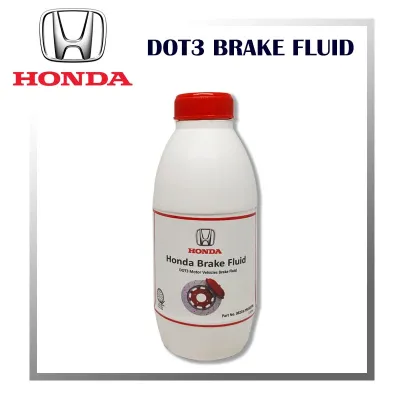
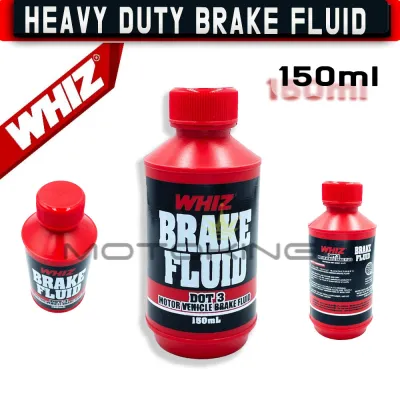
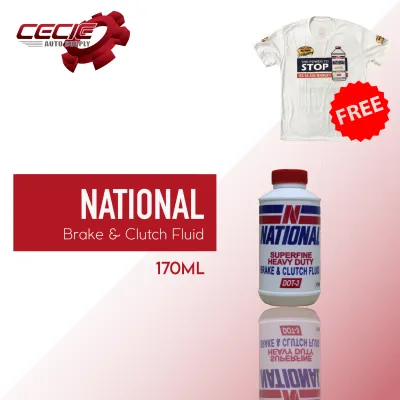
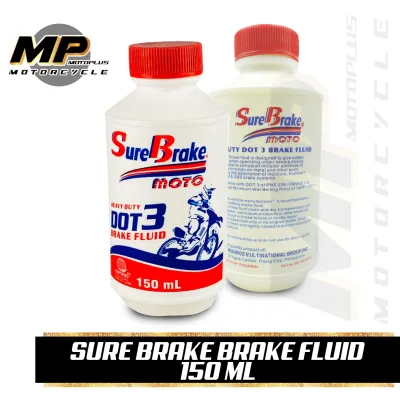
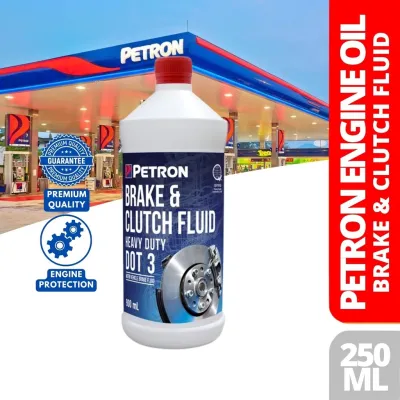
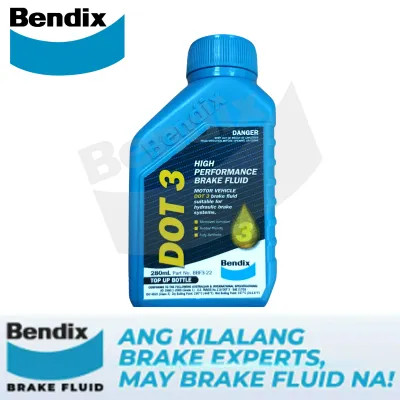
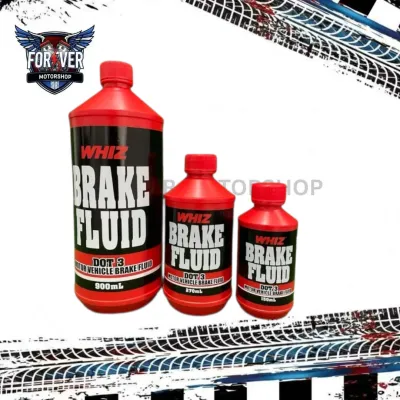
Prices are valid at publication and may change. Please refer to the product page for the latest price.
While DOT 4 is a modern standard that offers higher heat resistance, using the exact OEM-specified fluid is the only guaranteed safe choice for your scooter’s hydraulic braking system. Never guess with brake fluid; always verify the manufacturer’s label first. Using an incorrect fluid type can lead to seal degradation, fluid leaks, or sudden brake failure.
Understanding DOT3 and DOT4 Brake Fluids
The Department of Transportation (DOT) classifies brake fluids based on strict performance standards, focusing primarily on their chemical compositions and boiling points. Both DOT 3 and DOT 4 are non-petroleum, glycol-ether-based fluids designed to transfer hydraulic pressure from your hand lever directly to the brake caliper pistons.

These fluids are engineered to be virtually incompressible, ensuring that the force you apply when squeezing the brake lever is instantly transmitted to the brake pads. Because of this hydraulic requirement, you must never use petroleum-based oils, mineral oils, or engine oils in your brake system. Petroleum-based products will rapidly swell and destroy the rubber seals and hoses, leading to complete system failure.
DOT 3 brake fluid is a long-standing industry standard commonly used in everyday commuter vehicles. It provides reliable hydraulic pressure under standard driving conditions but has lower boiling thresholds compared to newer formulations. It is highly compatible with older rubber compounds and is widely available.
DOT 4 brake fluid is formulated with additional borate esters. This chemical modification significantly raises both its dry and wet boiling points, allowing the fluid to withstand much higher thermal stress before boiling. This makes it the preferred choice for modern motorcycles and scooters that operate under more demanding thermal conditions.
Understanding these boiling points is critical for safety. When brake fluid gets too hot, it can boil and create gas bubbles. Because gas is compressible, squeezing your brake lever will simply compress the air bubbles instead of pushing the brake pads, leading to a dangerous loss of stopping power.
Key Differences: DOT3 vs DOT4 for Scooters
Boiling Point & Heat Resistance Brake fluid performance is measured by its dry boiling point (fresh fluid) and wet boiling point (fluid that has absorbed moisture). DOT 4 maintains a higher thermal threshold in both states compared to DOT 3.
In the Philippines, this difference becomes highly practical during daily commutes. Stop-and-go traffic in congested urban areas like Metro Manila generates continuous heat as you constantly apply the front brake. Riding with a pillion passenger or descending steep hills in places like Antipolo or Tagaytay puts even greater thermal stress on your front disc brake. Under these demanding conditions, DOT 4 offers a wider safety margin against vapor lock.
When you apply the front brake, the friction between the brake pads and the rotor generates intense heat. This heat conducts through the metal caliper pistons and directly into the brake fluid. If the fluid’s temperature exceeds its boiling point, vapor lock occurs, causing the brake lever to feel spongy and lose its ability to clamp the rotor.
Moisture Absorption (Hygroscopy) Both DOT 3 and DOT 4 are hygroscopic, meaning they naturally attract and absorb moisture from the surrounding air over time. This moisture enters the sealed hydraulic system through microscopic pores in the rubber brake hoses and reservoir gaskets.
The tropical climate of the Philippines, with its high relative humidity and intense rainy seasons, accelerates this moisture absorption. As water mixes with the glycol-based fluid, the overall boiling point of the mixture drops toward its wet boiling point limit, reducing its resistance to heat.
While DOT 4 starts with a higher dry boiling point, its wet boiling point is also significantly higher than that of DOT 3. This means that even after absorbing some moisture, DOT 4 retains better heat resistance than fresh or slightly contaminated DOT 3, providing an added layer of safety in humid environments.
Maintenance Intervals Using a higher-rated fluid like DOT 4 does not mean you can neglect your maintenance schedule. In fact, the borate esters in DOT 4 can cause it to absorb moisture at a slightly faster rate in highly humid environments.
To prevent internal corrosion and maintain consistent stopping power, you must adhere strictly to the manufacturer’s recommended flushing schedules. Over time, moisture-saturated fluid becomes acidic, which can damage the internal metal pistons of your caliper and degrade the rubber seals.
Regularly flushing the system ensures that water content is kept to a minimum, preserving the boiling point of the fluid and protecting the expensive metal and rubber components of your front brake assembly from premature wear and corrosion.
Can You Mix DOT3 and DOT4 in a Honda Beat?
Because both DOT 3 and DOT 4 are glycol-ether-based, they are chemically compatible. Mixing them will not cause an immediate chemical reaction, such as gelling or coagulation, which could instantly clog your brake lines.
However, mixing them is highly discouraged as a standard maintenance practice. Adding DOT 3 to a system designed for DOT 4 dilutes the superior properties of the higher-rated fluid, lowering the overall boiling point of the mixture to the lowest common denominator.
Furthermore, mixing fluids of different brands or ages can introduce unpredictable boiling characteristics. If your Honda Beat requires DOT 4 and you top it up with DOT 3 in an emergency, you should plan to have the entire system flushed and refilled with pure DOT 4 as soon as possible.
If you want to transition your Honda Beat from DOT 3 to DOT 4, or if you are unsure of what fluid is currently in the reservoir, the only safe protocol is a complete system flush. A qualified professional should drain the old fluid entirely and bleed the system with fresh fluid from a sealed container to ensure consistent performance.
How to Verify and Maintain Your Brake Fluid Safely
Visual Inspection To inspect your brake fluid, park your Honda Beat on a level surface using the center stand and turn the handlebars until the reservoir is level. Look through the circular sight glass on the side of the master cylinder.
The fluid level should always be above the lower limit mark. However, before topping up a low reservoir, inspect your front brake pads for wear. As the brake pads wear down, the caliper pistons remain extended further out, which naturally draws more fluid down from the reservoir. If you top up the reservoir with worn pads, the reservoir will overflow when you eventually install new, thicker brake pads.
Additionally, check the color of the fluid through the sight glass. Fresh brake fluid is clear with a light amber or straw-like tint. If the fluid has turned dark brown, cloudy, or black, it indicates severe moisture contamination and suspended debris from wearing rubber seals, requiring an immediate replacement.
Safety Boundaries Glycol-based brake fluid is highly corrosive to painted surfaces, plastics, and rubber components. If spilled on your Honda Beat’s fairings or bodywork, it can quickly strip the paint and cause the plastic to crack.
Always cover the surrounding handlebar area and fairings with thick cotton rags before opening the reservoir. Keep a spray bottle of soapy water nearby to immediately clean and neutralize any accidental spills.
Additionally, never reuse brake fluid that has been drained from the system, and never use fluid from a container that has been open for more than a few months. Once a container is opened, it immediately begins absorbing atmospheric moisture, lowering its boiling point before it even enters your scooter.
When to Seek a Professional Bleeding a motorcycle’s braking system requires precision. If air bubbles are trapped in the brake lines during the process, the hydraulic system will lose pressure, leading to catastrophic brake failure.
If you do not have the proper tools or experience, always have your brake fluid serviced at an authorized Honda service center or by a qualified mechanic. Professional service ensures the caliper bolts are torqued correctly and the system is completely free of air.
Final Decision: Which Fluid Should You Choose?
Choose DOT3 if:
- It is explicitly specified on your Honda Beat's master cylinder cap or in the owner's manual.
- You are performing a standard top-up of an existing, healthy OEM system that already uses DOT 3.
- You want to maintain the exact chemical compatibility designed by the factory for your specific model year.
Choose DOT4 if:
- The manufacturer explicitly specifies DOT 4 for your specific model year.
- You are upgrading from DOT 3 after performing a complete, professional system flush to handle heavy traffic or steep descents better.
- You frequently ride under demanding conditions, such as carrying a pillion passenger or navigating mountainous terrain.
Verify first if:
- You are unsure of the current fluid type in your system.
- The fluid in the sight glass appears dark, cloudy, or contaminated.
- Stop riding and consult an authorized service center for a professional inspection.
Frequently Asked Questions (FAQ)
How often should I change the brake fluid on my Honda Beat?
As a general rule, brake fluid should be replaced every 1 to 2 years, or every 10,000 to 20,000 kilometers, as specified in your owner’s manual. However, because of the high humidity and heavy rainfall in the Philippines, moisture contamination occurs more rapidly. It is highly recommended to have your fluid inspected annually by a professional to check for water content and replace it if necessary.
Does using DOT4 instead of DOT3 improve my scooter's braking power?
No, upgrading to DOT 4 does not increase your scooter’s raw stopping power, clamping force, or brake pad friction. Those performance aspects are determined by your brake pads, rotor, caliper, and master cylinder leverage. DOT 4 simply provides a higher boiling point, which prevents brake fade (vapor lock) under extreme heat, ensuring your existing braking power remains consistent and reliable during heavy, continuous use.
Community discussion
Share your experience or ask a question. Comments are reviewed before publication.