
Quick Answer: Should You Use DOT3 or DOT4 in Your Mitsubishi?
When maintaining your vehicle, choosing the correct brake fluid is one of the most critical safety decisions you will make. The only definitive answer for your specific Mitsubishi vehicle is found directly on the brake fluid reservoir cap under the hood or within the pages of your owner’s manual. Rather than relying on generic online advice or forum recommendations, you must always treat the manufacturer’s official specifications as the final authority.
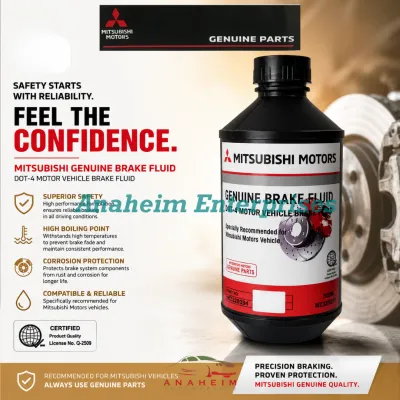
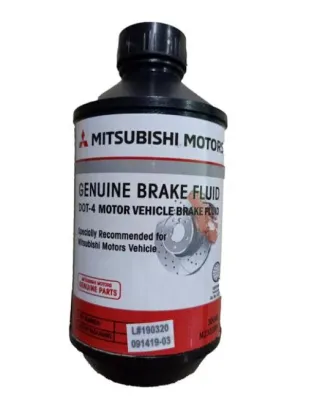
Most modern Mitsubishi models, such as the Montero Sport, Xpander, Strada, or Mirage, are engineered to utilize a high-quality mitsubishi dot4 brake fluid or a compatible specification. This design choice is driven by the demanding thermal requirements of modern braking systems and advanced safety features like Anti-lock Braking Systems (ABS) and Active Stability Control (ASC). Conversely, older or specific base models from earlier generations might explicitly specify a DOT3 fluid, which was the industry standard for many decades.
To ensure your safety and protect your vehicle’s braking system, you must follow a strict safety rule: never downgrade your brake fluid. If your Mitsubishi specifies DOT4, using DOT3 is highly dangerous because it lowers the boiling point of the fluid, making your brakes vulnerable to failure under heavy use. While upgrading from DOT3 to DOT4 is generally acceptable if your owner’s manual permits it, mixing different grades is highly discouraged. Choosing brake fluid is a precise safety decision, not a performance upgrade to be guessed or experimented with.
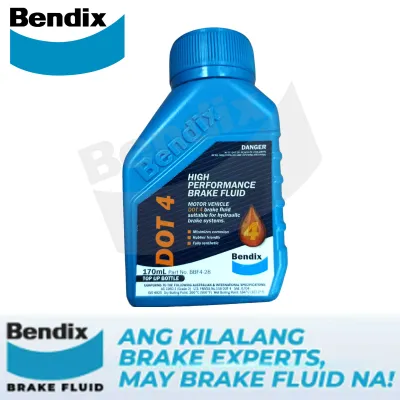
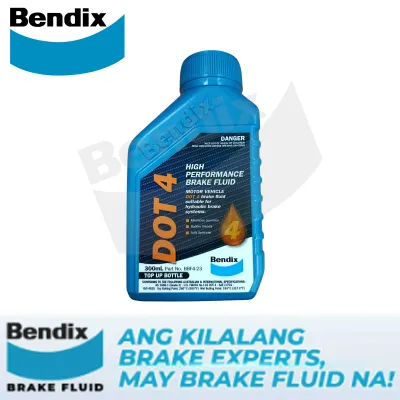
Products mentioned in this guide
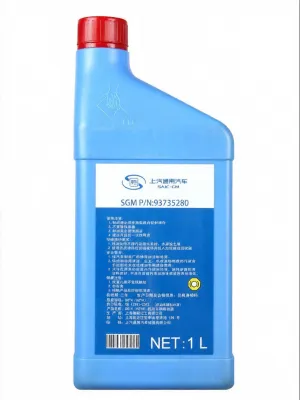
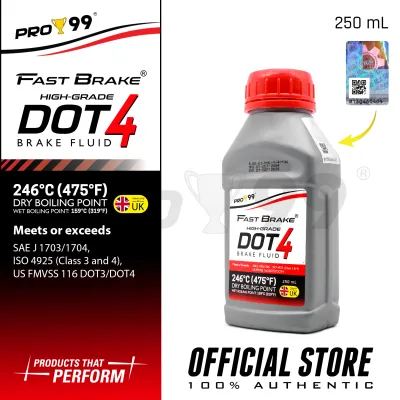
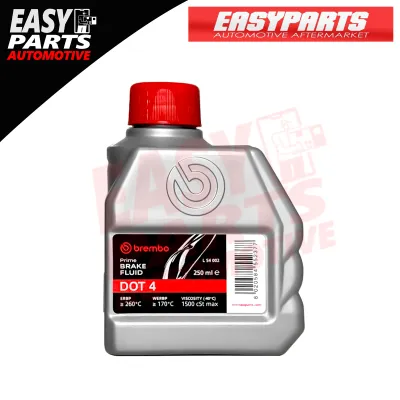
Prices are valid at publication and may change. Please refer to the product page for the latest price.
Understanding the Core Differences: DOT3 vs DOT4 Brake Fluid
To understand why choosing the correct fluid is so critical, it helps to examine the chemical and physical differences between DOT3 and DOT4. Both of these fluids belong to the same chemical family, as they are glycol-ether based. This shared chemistry means they are generally compatible with the standard natural and synthetic rubber seals used throughout your Mitsubishi’s hydraulic braking system. However, their performance characteristics under extreme heat differ significantly due to their chemical additives and refinement processes.

The primary differentiator between these two standards is their boiling point, which is strictly defined by international standards such as the Federal Motor Vehicle Safety Standard (FMVSS) 116 and ISO 4925:
- DOT3 Brake Fluid: This standard requires a minimum dry boiling point of 205°C (401°F) and a minimum wet boiling point of 140°C (284°F).
- DOT4 Brake Fluid: This standard requires a minimum dry boiling point of 230°C (446°F) and a minimum wet boiling point of 155°C (311°F).
To put these numbers into context, you must understand the distinction between “dry” and “wet” boiling points. The dry boiling point refers to the temperature at which fresh, uncontaminated fluid out of a sealed container will begin to boil. The wet boiling point is measured after the fluid has absorbed 3.7% water by volume from the surrounding environment. Because brake fluid is highly hygroscopic—meaning it naturally absorbs moisture from the air over time—the wet boiling point is the far more realistic and critical metric for daily driving conditions.
Because both fluids are hygroscopic, they continuously draw in moisture through microscopic pores in the flexible rubber brake hoses and through the reservoir cap vent. As water content increases, the boiling point of the fluid drops rapidly. Because DOT4 starts with a significantly higher initial dry and wet boiling point, it provides a much larger safety buffer as the fluid ages. This thermal buffer prevents the fluid from vaporizing under the high temperatures generated during heavy braking.
How to Check Your Mitsubishi’s Exact Brake Fluid Specification
You should never guess which fluid your vehicle requires based on its age or model name. Instead, you must perform a physical verification to ensure you are using the correct product. Fortunately, Mitsubishi makes this information easily accessible through several physical and written sources on the vehicle.
Your first step should always be to inspect the brake fluid reservoir cap located under the hood, typically positioned near the firewall on the driver’s side. Manufacturers almost always mold or print the required DOT specification directly onto the plastic cap. You will often see clear instructions such as “Use only DOT 3 or DOT 4 brake fluid” or a specific warning pointing to a single standard. Wipe any dirt or road grime off the cap before opening or reading it to prevent contaminants from falling into the reservoir.
If the cap is illegible or missing, your next step is to consult the vehicle’s official Owner’s Manual. Navigate to the index and look for sections labeled “Specifications,” “Fluids and Capacities,” or “Scheduled Maintenance.” Here, you will find a detailed table listing the exact fluid specifications, capacities, and recommended brands for every system in your vehicle, including the hydraulic clutch and brake systems.
Additionally, you can check for under-hood warning labels or decals. These are often located near the firewall, on the underside of the hood, or on the strut towers. These labels frequently contain critical maintenance specifications, including the correct fluid types required for servicing.
It is vital that you do not assume all vehicles of the same model year or trim level use the identical fluid. Manufacturing transitions, regional assembly differences, and export market specifications can result in variations. For instance, a Mitsubishi L300 assembled for one market might have different hydraulic components than one built for another, making direct physical inspection of your specific vehicle the only safe path.
Performance and Driving Conditions: When Mitsubishi DOT4 Brake Fluid Offers an Advantage
Your driving environment plays a massive role in how hard your braking system has to work. In demanding driving scenarios, opting for a high-quality mitsubishi dot4 brake fluid can provide a substantial safety advantage over DOT3, even if your vehicle’s manual states that either fluid is acceptable.
Consider the extreme heat generated during stop-and-go city traffic, a common daily reality on congested roads like EDSA or within busy metropolitan areas across the Philippines. When you are constantly creeping forward and applying the brakes, the brake pads and rotors have very little time to cool down. This intense heat transfers directly through the brake calipers into the brake fluid. If the fluid reaches its boiling point, it creates vapor bubbles. Because vapor is highly compressible unlike liquid, pressing the brake pedal will simply compress the gas bubbles instead of pushing the brake pads, resulting in a spongy pedal or complete brake fade.
Mountainous or hilly driving presents another severe thermal challenge. Descending steep routes, such as the drive down from Baguio via Kennon Road or navigating the winding roads of Tagaytay, requires sustained or frequent braking to control vehicle speed. This continuous friction heavily taxes the thermal limits of the entire brake system. Under these conditions, the extra 25°C dry boiling point and 15°C wet boiling point safety margin of DOT4 can make the difference between a controlled descent and sudden brake failure.
Furthermore, tropical climate conditions—characterized by high ambient temperatures and high relative humidity—dramatically accelerate the degradation of brake fluid. High humidity means there is more moisture in the air to be absorbed through the brake system’s seals and hoses. As moisture levels rise, a DOT3 fluid will quickly degrade toward its low wet boiling point of 140°C. DOT4’s superior chemical formulation resists this degradation more effectively, providing a crucial safety margin in hot, humid climates where moisture contamination is an ongoing battle.
It is important to clarify, however, what a higher DOT rating does and does not do. While DOT4 handles extreme heat much better than DOT3, it does not inherently increase your vehicle’s braking force or shorten your stopping distances under normal, cool driving conditions. The stopping power of your Mitsubishi is determined by the mechanical design of the calipers, rotors, pads, and tire traction. DOT4 simply ensures that this stopping power remains fully available and reliable when the system is operating under severe thermal stress.
Compatibility and Mixing Rules: What You Must Avoid
When servicing your Mitsubishi’s brakes, understanding the rules of fluid compatibility is essential to prevent system damage and maintain safety. There are strict boundaries regarding fluid substitution and mixing that you must never cross.
If you are considering “upgrading” your fluid, putting DOT4 into a braking system originally designed for DOT3 is generally safe and often highly beneficial. Because both are glycol-ether based, the chemical compounds will not react negatively with the rubber seals or metal lines of an older DOT3 system. However, you must first verify that your owner’s manual does not explicitly forbid fluid substitutions, as some vintage hydraulic components may have unique material requirements.
Conversely, “downgrading” is an absolute safety hazard. You must never put DOT3 brake fluid into a system engineered specifically for DOT4. Modern braking systems designed for DOT4 rely on its higher boiling point to handle the thermal loads of the vehicle’s weight, engine power, and electronic safety systems like ABS. Using a lower-grade fluid can cause early boiling and sudden brake failure during an emergency stop or heavy descent.
When it comes to mixing DOT3 and DOT4, the rule of thumb is to avoid it whenever possible. While they are chemically compatible and will not cause a chemical reaction or gel within the lines, mixing them dilutes the performance of the higher-grade fluid. If you add DOT3 to a system filled with DOT4, you effectively lower the boiling point of the entire mixture down toward the DOT3 baseline. If you find yourself in an emergency where you must top off a low reservoir and only have the other grade available, do so to maintain hydraulic pressure, but schedule a complete system flush as soon as possible.
Finally, there is a strict prohibition against using DOT5 or mineral oil-based fluids in your standard Mitsubishi brake system. DOT5 is a silicone-based fluid, and mineral oils (such as LHM) use entirely different chemical bases. If you introduce silicone-based DOT5 or mineral oil into a glycol-ether system, it will rapidly swell and destroy the rubber seals, leading to massive fluid leaks and complete, catastrophic brake failure. Always double-check the label before pouring any fluid into your reservoir.
Maintenance and Replacement Intervals for Mitsubishi Vehicles
Maintaining your braking system requires ongoing monitoring and timely replacement of the fluid. Many car owners mistakenly believe that brake fluid only needs to be changed when the brake pads are replaced, or that it degrades solely based on mileage. In reality, brake fluid degrades primarily based on time and moisture absorption.
Even if your Mitsubishi sits in a garage and accumulates very little mileage, the brake fluid is continuously absorbing moisture from the surrounding air. Over time, this moisture accumulation not only lowers the boiling point but also promotes internal corrosion. Water in the brake lines can rust steel lines, corrode aluminum calipers, and damage expensive ABS modulator valves.
As a general industry standard, brake fluid should be replaced every 2 years or every 40,000 kilometers, whichever comes first. However, you must always prioritize the specific maintenance schedule outlined in your Mitsubishi owner’s manual, as some models or heavy-duty driving schedules may require more frequent intervals.
During your routine weekly or monthly vehicle checks, you can perform a visual inspection of the fluid reservoir. Fresh brake fluid is clear with a very pale yellow or amber tint. As the fluid degrades, absorbs moisture, and accumulates microscopic wear debris from the rubber seals and metal components, it will turn dark brown, black, or appear cloudy. If your fluid looks dark or dirty, it is a clear sign that a flush is overdue.
For a more precise evaluation, you can use a digital brake fluid moisture tester pen. This inexpensive tool measures the electrical conductivity of the fluid to estimate the percentage of water content. If the tester indicates a water content of 3% or higher, the fluid has reached a critical level of contamination and must be replaced immediately to restore your safety margin.
When it is time to replace or bleed your brake fluid, it is highly recommended that this service be performed by a qualified technician. Modern Mitsubishi vehicles equipped with ABS, ASC, and electronic brakeforce distribution require specialized bleeding procedures to ensure that no air bubbles are trapped within the complex ABS hydraulic modulator block. Trapped air can cause erratic safety system behavior or a sudden loss of pedal pressure, making professional equipment and training essential for a safe service.
Decision Framework: Choosing the Right Fluid for Your Vehicle
To help you make the correct choice for your Mitsubishi, follow this simple, condition-based decision matrix:
- Choose DOT4 if: Your owner's manual or reservoir cap lists DOT3 or DOT4 as acceptable, and you frequently drive in heavy stop-and-go traffic, navigate mountainous terrain, or live in a high-humidity tropical environment. The extra thermal protection of DOT4 provides a critical safety buffer. These fluids are widely available in the Philippine market, typically ranging from ₱300 to ₱800 per bottle depending on the brand.
- Stick to DOT3 if: Your vehicle is an older, classic Mitsubishi model where the manufacturer explicitly specifies only DOT3, and you are strictly following a legacy maintenance schedule that has proven reliable for those specific vintage rubber seals and components.
- Verify first if: Your reservoir cap is missing, illegible, or the owner's manual is unavailable. In this scenario, do not guess. Contact a Mitsubishi authorized service center or a qualified mechanic to verify the correct specification using your vehicle's Chassis Number or VIN before adding any fluid.
- Neither may fit if: Your Mitsubishi has been heavily modified with aftermarket big brake kits, multi-piston racing calipers, or is used exclusively for track days. These high-performance setups often require specialized high-temperature fluids (such as DOT 5.1 or racing-specific fluids) that operate outside standard DOT3/DOT4 parameters.
Frequently Asked Questions (FAQ)
Can I use DOT 5.1 in my Mitsubishi instead of DOT 4?
Yes, you can generally use DOT 5.1 in a standard Mitsubishi brake system, but it is usually unnecessary. It is crucial not to confuse DOT 5.1 with DOT 5. DOT 5 is silicone-based and completely incompatible with your vehicle. In contrast, DOT 5.1 is glycol-ether based, making it chemically compatible with DOT3 and DOT4 systems. It offers an even higher boiling point than DOT4, which is beneficial for extreme high-performance driving. However, DOT 5.1 is significantly more expensive, more difficult to find, and tends to absorb moisture faster than DOT4, meaning it requires more frequent replacement intervals. For standard daily driving, a high-quality DOT4 fluid is the most practical and cost-effective choice.
Does using DOT4 brake fluid improve my Mitsubishi's braking distance?
No, upgrading to DOT4 brake fluid will not shorten your vehicle’s stopping distance under normal, everyday driving conditions. Brake fluid acts as a hydraulic medium to transfer the force from your foot on the pedal directly to the brake calipers; it does not increase the friction between the brake pads and rotors. Your stopping distance is determined by factors like tire grip, road conditions, brake pad material, and rotor size. What DOT4 does is prevent brake fade under extreme heat. By maintaining a high boiling point, it ensures that your brakes continue to function reliably and do not fail during hard, repeated braking.
How do I know if my brake fluid needs to be replaced immediately?
There are several critical warning signs that indicate your brake fluid requires immediate professional inspection and replacement. If your brake pedal feels spongy, soft, or sinks slowly to the floorboard when pressed, air or moisture vapor may be trapped in the lines. Another clear indicator is the illumination of the brake warning light on your dashboard, which can signal a dangerous drop in fluid level or pressure. Additionally, if a visual check reveals that the fluid in the reservoir is dark brown, black, or contains visible floating particles, it is highly contaminated and must be flushed immediately to prevent damage to your master cylinder and ABS components.
Community discussion
Share your experience or ask a question. Comments are reviewed before publication.