
Choosing the correct brake fluid for your Suzuki Ertiga is one of the most critical maintenance decisions you can make for your vehicle’s safety. The absolute best brake fluid for your Ertiga is the exact Department of Transportation (DOT) rating specified by Suzuki for your specific model year and generation. Because braking systems are engineered around precise chemical and thermal operating parameters, using the manufacturer-recommended fluid ensures your vehicle stops reliably under all driving conditions.
To verify the correct specification for your vehicle, look under the hood and inspect the cap of the brake fluid reservoir, which is located near the firewall on the driver’s side. The required DOT rating is embossed directly onto the plastic cap. You can also find this information in the “Specifications” or “Maintenance” section of your Suzuki Ertiga owner’s manual. Before purchasing any fluid, always check the applied product’s label and your vehicle’s manufacturer instructions to confirm compatibility.
To help you decide which fluid is most suitable for your current situation, consider this conditional framework:
Products mentioned in this guide
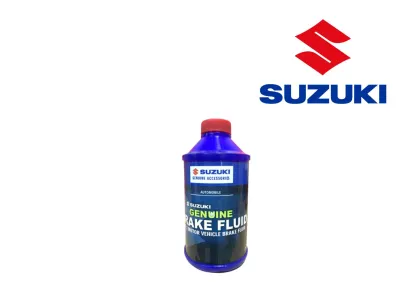
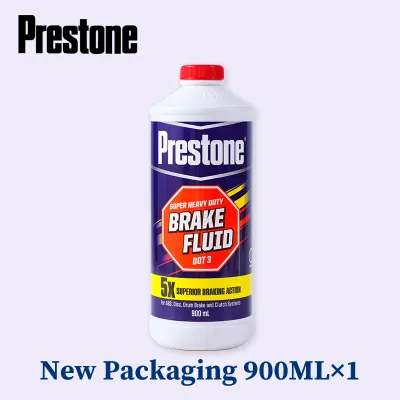
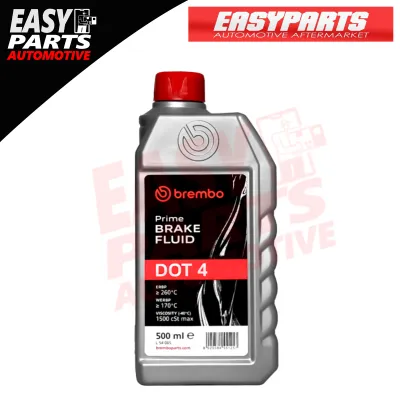
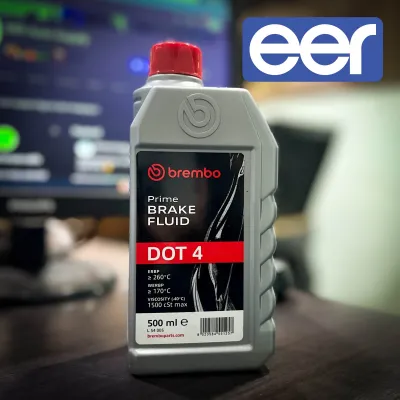
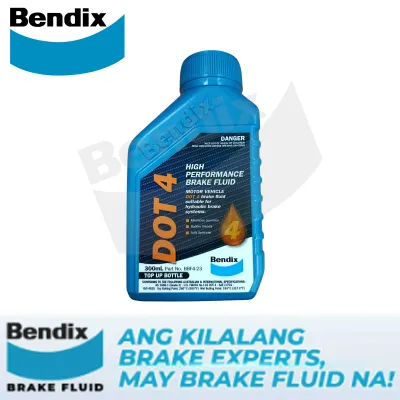
Prices are valid at publication and may change. Please refer to the product page for the latest price.
- Choose DOT3 if: Your Ertiga's reservoir cap or owner's manual explicitly mandates DOT3 fluid, and you prefer to maintain the exact factory baseline. This is highly suitable for standard daily commuting under normal passenger loads.
- Choose DOT4 if: Your owner's manual permits its use, or if you frequently subject your Ertiga to heavy passenger loads, steep mountain descents, or severe stop-and-go traffic. DOT4 offers a higher heat-resistance margin, which is highly beneficial for a 7-seater multi-purpose vehicle (MPV). It is backward-compatible with DOT3 systems, but you must perform a complete system flush to gain its thermal benefits.
- Verify first if: You are unsure of the fluid currently in your system, if the vehicle was purchased second-hand, or if any aftermarket braking components have been installed. Never downgrade from DOT4 to DOT3 if your Ertiga came filled with DOT4 from the factory, as this can severely compromise braking performance and safety.
DOT3 vs DOT4: Core Differences in Boiling Points and Moisture
Boiling Points and Heat Resistance
To understand why the choice between DOT3 and DOT4 matters, you must first understand how brake fluid operates under thermal stress. Brake systems function by converting the kinetic energy of your moving vehicle into thermal energy through friction between the brake pads and rotors. This intense heat transfers directly into the brake calipers and the brake fluid flowing through them. Brake fluid must remain a liquid at all times to transmit hydraulic pressure effectively.
Federal Motor Vehicle Safety Standards (FMVSS 116) establish the minimum performance criteria for brake fluids, focusing on “dry” and “wet” boiling points. The dry boiling point refers to the temperature at which fresh, uncontaminated fluid from a newly opened, sealed container begins to boil. The wet boiling point represents the boiling temperature of the fluid after it has absorbed 3.7% water by volume, which simulates the condition of the fluid after approximately one to two years of real-world service.
Under these standards, DOT3 fluid must meet a minimum dry boiling point of 205°C (401°F) and a minimum wet boiling point of 140°C (284°F). In contrast, DOT4 fluid is engineered to withstand higher thermal loads, requiring a minimum dry boiling point of 230°C (446°F) and a minimum wet boiling point of 155°C (311°F).
If brake fluid reaches its boiling point during operation, it undergoes a phase change and vaporizes into gas bubbles. Because gas is highly compressible—unlike liquid—pressing the brake pedal will simply compress the gas bubbles inside the lines rather than forcing the brake pads against the rotors. This physical phenomenon is known as vapor lock, and it manifests as a soft, spongy brake pedal and a sudden, dangerous reduction in stopping power, commonly referred to as brake fade.
Moisture Absorption and Maintenance Intervals
Both DOT3 and DOT4 brake fluids are glycol-ether-based chemical compounds. A defining characteristic of glycol-based fluids is that they are highly hygroscopic, meaning they actively attract and absorb moisture from the surrounding atmosphere. Moisture enters the braking system over time through microscopic pores in the flexible rubber brake hoses, through the seals in the master cylinder and wheel calipers, and whenever the reservoir cap is opened for inspection.
While moisture absorption is inevitable, the chemical formulation of DOT4 fluid handles this water contamination differently than DOT3. Many DOT4 formulations include borate esters, which chemically bind with water molecules to help maintain a higher boiling point even as moisture levels rise. However, this chemical structure can cause DOT4 to absorb moisture at a slightly faster rate once exposed to the atmosphere.
Because DOT4 absorbs moisture efficiently, it can experience a relatively rapid drop in its boiling point once it surpasses its chemical holding capacity. Consequently, vehicles using DOT4 fluid require strict adherence to recommended service intervals. Even though DOT4 provides a higher safety margin when fresh, neglecting maintenance can lead to rapid degradation, making timely fluid replacements highly critical.
Viscosity and ABS Performance
Viscosity refers to the thickness or resistance to flow of a fluid. In modern automotive engineering, brake fluid viscosity plays a major role in the proper operation of active safety systems. Modern variants of the Suzuki Ertiga are equipped with an Anti-lock Braking System (ABS) and Electronic Stability Program (ESP), which rely on rapid hydraulic pressure modulations to prevent wheel lockup and maintain steering control during emergency maneuvers.
During an ABS or ESP intervention, electronic solenoids and micro-valves inside the ABS modulator cycle open and closed dozens of times per second. To function correctly, the hydraulic fluid must flow through these tiny orifices with minimal resistance, even under extreme temperature variations.
Standard DOT4 fluid typically has a slightly higher viscosity at very low temperatures compared to standard DOT3. While this viscosity difference is rarely noticeable in warm climates, it has led to the development of specialized low-viscosity DOT4 formulations (often designated as DOT4 Class 6 or DOT4+). If your Ertiga’s owner’s manual specifies a low-viscosity fluid for advanced ABS and stability control systems, you must use a fluid that meets those exact viscosity parameters to ensure the safety systems react with the precise speed intended by Suzuki’s engineers.
How DOT3 and DOT4 Handle Real-World Ertiga Driving Conditions
As a popular three-row family MPV, the Suzuki Ertiga is designed to carry up to seven passengers or haul substantial cargo. When the vehicle is fully loaded to its Gross Vehicle Weight Rating (GVWR), the demands placed on the braking system increase exponentially. Halting a fully loaded MPV requires significantly more physical work from the front disc brakes and rear drum brakes than stopping a vehicle carrying only a single driver.

This increased workload translates directly into extreme thermal energy. If you are navigating your Ertiga through the heavy, stop-and-go traffic of Metro Manila, your brakes are subjected to constant, repetitive applications with very little cool air flowing over the rotors to dissipate heat. Under these conditions, the temperature of the brake calipers and wheel cylinders climbs steadily, heating the fluid inside the lines.
An even more demanding scenario occurs when driving on steep provincial highways, such as descending from Baguio City via the Marcos Highway or traversing the winding roads of Tagaytay. Continuous braking on long downhill stretches can quickly push standard brake components to their thermal limits. In these situations, the superior heat resistance of DOT4 fluid provides a vital safety buffer. Because DOT4 has a higher wet boiling point than DOT3, it is far less likely to vaporize under prolonged, heavy braking, ensuring that you maintain a firm pedal and reliable stopping power when descending steep grades with your family onboard.
Furthermore, the tropical climate of the Philippines introduces unique environmental challenges for brake fluid preservation. High ambient temperatures combined with extreme relative humidity—especially during the monsoon season—accelerate the rate of moisture ingress through the rubber hoses and reservoir vents of your Ertiga.
Because moisture enters the system more rapidly in humid environments, the “wet” boiling point of your brake fluid becomes the realistic baseline for daily driving much sooner than it would in an arid climate. Since DOT4 retains a higher boiling point (155°C minimum) under moisture contamination compared to DOT3 (140°C minimum), upgrading to DOT4 offers a more robust defense against moisture-induced brake fade in tropical regions.
However, before upgrading your fluid, you must verify that your Ertiga’s braking system is in good physical condition. While glycol-based DOT4 is chemically compatible with the rubber seals and hoses designed for DOT3, older vehicles with worn, cracked, or degraded rubber components may develop leaks regardless of the fluid type. Ensuring your hoses and seals are intact is a prerequisite for any fluid service.
Mixing, Upgrading, and Flushing: Practical Rules for Your Brakes
Mixing Fluids
When maintaining your Suzuki Ertiga, you should strongly avoid mixing different grades of brake fluid. If your vehicle is currently filled with DOT3, topping off a low reservoir with DOT4 is highly discouraged. While they are chemically compatible because both are glycol-based, mixing them dilutes the superior properties of the DOT4 fluid.
When you mix DOT3 and DOT4, the resulting mixture does not perform at an average of the two ratings. Instead, the thermal properties of the fluid drop significantly, often defaulting close to the lower boiling point of the DOT3 fluid. This compromises your safety margin and makes it impossible to accurately track the degradation rate of the fluid. Always top off your reservoir with the exact type of fluid currently residing in the system.
Upgrading from DOT3 to DOT4
If you decide to upgrade your Suzuki Ertiga from DOT3 to DOT4 to take advantage of the higher boiling points, you must perform a complete system flush and bleed. Simply siphoning the fluid out of the plastic reservoir under the hood and pouring in DOT4 is highly ineffective, as the vast majority of the old, moisture-laden DOT3 fluid remains trapped inside the brake lines, ABS modulator, and wheel calipers.
To execute a proper upgrade, a thorough purging of the entire hydraulic circuit is required. This process ensures that all old fluid, accumulated moisture, and microscopic wear debris are completely expelled from the system. Only when the lines are filled entirely with fresh, uncontaminated DOT4 fluid will you achieve the enhanced thermal protection and safety margins that the higher specification offers.
The DOT5 Warning
It is absolutely vital to understand the difference between DOT4 and DOT5 brake fluids, as confusing the two can result in catastrophic brake failure. While DOT3, DOT4, and DOT5.1 are glycol-ether-based fluids, DOT5 is a silicone-based fluid. Glycol-based and silicone-based fluids are completely incompatible and must never be mixed under any circumstances.
If DOT5 fluid is introduced into a system designed for glycol-based fluids like DOT3 or DOT4, the two fluids will not mix. Instead, they will separate into distinct layers, creating highly unstable hydraulic pressure. Furthermore, silicone-based fluid will cause the rubber seals, hoses, and O-rings in your Ertiga’s braking system to swell, degrade, and dissolve. This leads to severe fluid leaks, stuck calipers, master cylinder failure, and an immediate loss of braking ability. Never use DOT5 fluid in your Suzuki Ertiga.
Professional Flush Protocol
Because the braking system is your vehicle’s primary safety mechanism, any disassembly, flushing, or fluid modification carries significant safety implications. To prevent serious safety risks, always seek professional installation and servicing from a qualified mechanic. A professional technician should follow these basic protocols during a brake fluid flush:
- Reservoir Evacuation: Siphon the old, contaminated fluid out of the master cylinder reservoir using a dedicated fluid extractor, ensuring no dirt or debris falls into the chamber.
- System Cleanliness: Wipe the reservoir neck clean with a lint-free cloth, avoiding any petroleum-based cleaners that could damage the plastic or internal seals.
- Fresh Fluid Replenishment: Fill the reservoir to the maximum line with fresh, high-quality fluid from a newly opened, sealed container.
- Sequential Bleeding: Bleed each wheel caliper and cylinder in the specific sequence recommended by Suzuki (typically starting from the wheel furthest from the master cylinder and working closer) until the fluid running out of the bleed valves is completely clear and free of air bubbles.
- ABS Modulator Purging: If required by the specific model year, use a diagnostic scan tool to electronically cycle the ABS solenoid valves, purging any old fluid or trapped air bubbles from the ABS modulator block.
- Final Verification: Verify that the brake pedal is firm, check all bleed valves and connections for leaks, and perform a low-speed road test to ensure proper braking response before returning the vehicle to service.
How to Inspect and Maintain Your Ertiga's Brake Fluid
Visual Inspection
Regular visual inspections are a simple, low-risk way to monitor the health of your Ertiga’s braking system. Start by locating the semi-transparent plastic brake fluid reservoir under your hood. Without removing the cap, check the fluid level against the molded “MIN” and “MAX” lines on the side of the reservoir. Keeping the cap closed during routine checks is important, as opening it unnecessarily exposes the hygroscopic fluid to moisture in the air.
Next, observe the color and clarity of the fluid through the plastic reservoir walls. Healthy, fresh brake fluid should be clear with a very light amber, yellow, or straw-colored tint. If the fluid appears dark brown, cloudy, black, or contains visible dark sediment, it is highly contaminated. This dark coloration indicates that the fluid has absorbed excessive moisture and is contaminated with microscopic rubber particles from degrading internal seals, signaling that an immediate professional flush is required.
Locating Specifications
To ensure you always use the correct fluid, familiarize yourself with where the specifications are documented. On the Suzuki Ertiga, the required fluid type is typically stamped or embossed directly on top of the black or yellow plastic reservoir cap. If the text on the cap has become worn or obscured over time, consult the maintenance specification tables in your owner’s manual. Never guess or assume compatibility based on generic product packaging.
Replacement Intervals
Brake fluid degradation is primarily driven by time rather than mileage because moisture absorption occurs continuously, regardless of whether the vehicle is driven or parked. In highly humid environments like the Philippines, time-based replacement intervals are critical to preventing internal corrosion and vapor lock.
As a general guideline, you should have your Ertiga’s brake fluid completely replaced every 2 years or every 30,000 to 40,000 kilometers, whichever comes first. However, you must always refer to your specific Suzuki Ertiga owner’s manual to follow the manufacturer’s exact maintenance schedule, as intervals can vary slightly depending on the model year and engine variant.
When to Stop and Consult a Pro
If you experience any of the following warning signs while driving or inspecting your Suzuki Ertiga, stop operating the vehicle immediately and consult a qualified professional:
- The brake pedal feels unusually soft, spongy, or offers little resistance when pressed.
- The brake pedal slowly sinks all the way to the floorboard when you hold constant pressure on it while stopped.
- The red brake warning light on your instrument cluster remains illuminated after the handbrake is fully released.
- You observe visible fluid leaks around the master cylinder, brake lines, or behind the wheels near the calipers and drums.
- The vehicle pulls noticeably to one side when you apply the brakes.
Attempting to drive a vehicle with these symptoms poses an immediate safety hazard. Have your Ertiga towed to an authorized Suzuki service center or a certified automotive repair shop for a professional diagnosis.
Frequently Asked Questions (FAQ)
Can I use DOT 5.1 in my Suzuki Ertiga?
Yes, DOT 5.1 is a glycol-based fluid and is chemically compatible with systems designed for DOT3 and DOT4. It offers exceptionally high dry and wet boiling points, making it highly resistant to thermal stress. However, for a standard family MPV like the Suzuki Ertiga, DOT 5.1 is generally unnecessary and significantly more expensive than high-quality DOT4 fluids. Additionally, because DOT 5.1 is highly hygroscopic, it often requires more frequent replacement intervals to maintain its performance advantages. Unless you are operating your vehicle under extreme racing conditions, sticking to a high-quality DOT4 or the factory-recommended DOT3 is the most practical and cost-effective choice.
How often should I change the brake fluid in a tropical climate?
In a tropical climate characterized by high relative humidity and high ambient temperatures, you should replace your brake fluid every 2 years or every 30,000 to 40,000 kilometers, whichever occurs first. The high humidity accelerates the rate at which moisture penetrates the flexible rubber hoses and reservoir seals, lowering the fluid’s boiling point much faster than in drier climates. Regular, time-based replacements are essential to protect your Ertiga’s internal ABS components from moisture-induced corrosion and to prevent dangerous brake fade.
Does using DOT4 instead of DOT3 void my Suzuki warranty?
Using a high-quality DOT4 brake fluid that meets or exceeds the manufacturer’s minimum specifications generally does not void your Suzuki warranty, as DOT4 is backward-compatible with DOT3 systems. However, to ensure your warranty remains fully intact, any fluid upgrade or brake servicing should be performed by an authorized Suzuki dealership or a certified service center using approved fluids. Always keep detailed service receipts and records showing that the system was flushed completely and that the fluid used meets the necessary safety standards. If a braking component fails due to improper installation, incorrect fluid mixing, or contaminated fluid, that specific repair may not be covered under the vehicle’s comprehensive warranty.
Community discussion
Share your experience or ask a question. Comments are reviewed before publication.