
Quick Answer: What Brake Fluid Does a Toyota Wigo Need?
The correct brake fluid for your Toyota Wigo depends on its model year and the manufacturer specifications stamped on the brake fluid reservoir cap or detailed in your owner’s manual. For most model years of this subcompact hatchback, Toyota specifies DOT 3 brake fluid as the standard factory fill. However, DOT 4 brake fluid is chemically compatible and offers superior resistance to boiling under high temperatures. Before purchasing or adding any fluid, you must verify the original equipment manufacturer (OEM) recommendation to ensure safety and system compatibility.
Your braking system is the most critical safety component of your vehicle. It relies on hydraulic pressure to squeeze the brake pads against the rotors, converting kinetic energy into heat. Because this system operates under extreme pressure and temperature, guessing the fluid type or using unverified alternatives is highly dangerous. Incorrect fluid can degrade internal rubber seals, cause corrosion within the hydraulic lines, or lead to a malfunction in the Anti-lock Braking System (ABS) module. Always check the physical reservoir cap under the hood or consult your owner’s manual before making any changes.
If you find any discrepancy between the markings on your reservoir cap and the guidelines in your manual, prioritize the cap’s instructions, as it directly reflects the physical hardware installed on your vehicle. If the writing on the cap has faded or the manual is missing, do not attempt to add fluid blindly. Instead, consult an authorized Toyota dealership or a certified automotive professional who can verify the exact hydraulic requirements of your specific Wigo model year.
Products mentioned in this guide
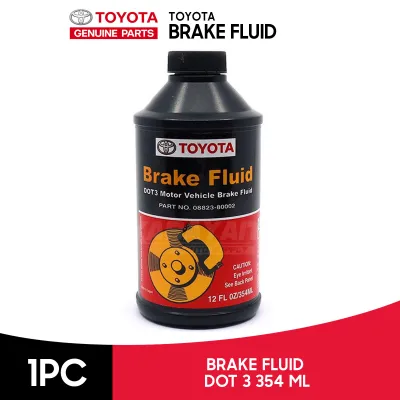
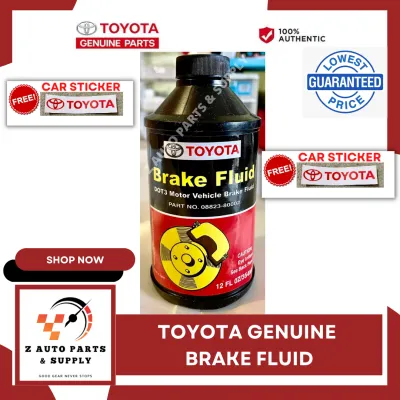
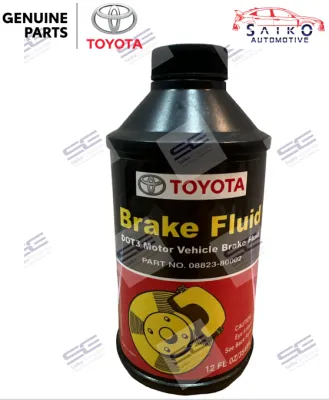
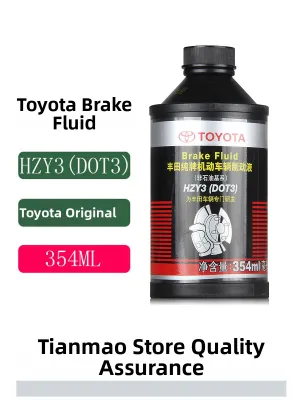
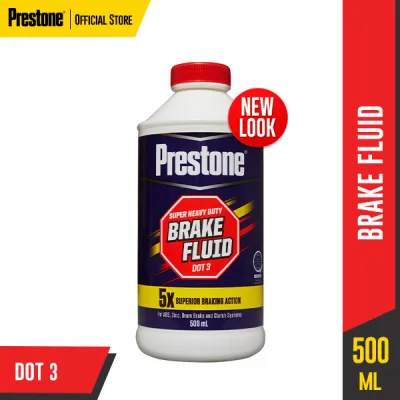
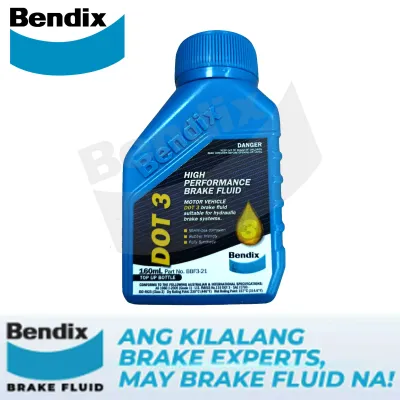
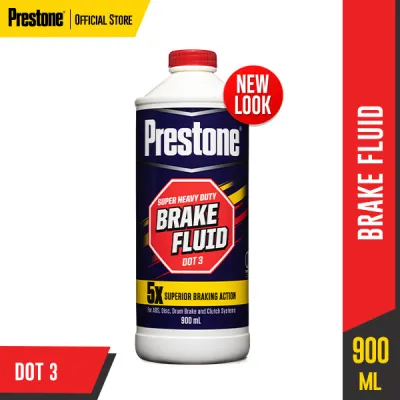
Prices are valid at publication and may change. Please refer to the product page for the latest price.
DOT3 vs DOT4 Brake Fluid: Core Differences
Understanding the technical distinctions between DOT 3 and DOT 4 brake fluids is essential for maintaining your vehicle’s safety, especially under challenging driving conditions. While both fluids serve the same fundamental purpose—transferring force from your foot on the brake pedal to the wheels—their chemical formulations dictate how they handle heat, moisture, and aging.

The primary differences lie in their dry and wet boiling points, as well as their moisture absorption rates. Below is a detailed comparison of these two common glycol-ether-based brake fluids:
| Technical Specification | DOT 3 Brake Fluid | DOT 4 Brake Fluid |
|---|---|---|
| Minimum Dry Boiling Point | 205°C (401°F) | 230°C (446°F) |
| Minimum Wet Boiling Point | 140°C (284°F) | 155°C (311°F) |
| Moisture Absorption Rate | Slower | Faster |
| Chemical Composition | Glycol-Ether | Glycol-Ether with Borate Esters |
| Typical Service Life | Up to 2 Years | Up to 2 Years (Stricter Monitoring) |
| Ideal Driving Environment | Flat city commuting | Steep hills, heavy traffic, loaded cargo |
Boiling Points and Heat Resistance
The dry boiling point refers to the temperature at which pure, uncontaminated brake fluid begins to boil. The wet boiling point represents the boiling temperature of the fluid after it has absorbed approximately 3.7% water by volume. This distinction is critical because brake fluid is highly hygroscopic, meaning it naturally absorbs moisture from the atmosphere over time.
When you drive your Toyota Wigo in heavy, stop-and-go traffic—such as the daily commute along EDSA or C-5 in Metro Manila—your brakes generate a substantial amount of heat. This thermal energy transfers directly into the brake fluid. If the fluid’s temperature exceeds its boiling point, it will vaporize, creating gas bubbles within the hydraulic lines. Because gas is highly compressible, pressing the brake pedal will merely compress the gas bubbles instead of pushing the brake pads against the rotors. This dangerous condition, known as vapor lock or brake fade, results in a spongy pedal feel and a catastrophic loss of stopping power.
DOT 4 brake fluid offers a higher dry and wet boiling point than DOT 3, providing a larger safety margin against vapor lock. This extra thermal capacity is particularly beneficial if you frequently navigate steep provincial roads, such as the climbs to Baguio via Kennon Road or the winding descents of Tagaytay. The small brake rotors of a subcompact car like the Wigo have less surface area to dissipate heat, making fluid quality even more vital when carrying a full load of passengers or cargo.
Moisture Absorption and Service Life
Although DOT 4 fluid provides superior heat resistance when fresh, it comes with a distinct trade-off regarding moisture absorption. DOT 4 formulations contain borate esters, which help elevate the boiling point but also make the fluid more aggressive at drawing moisture from the surrounding air. In the highly humid, tropical climate of the Philippines, this hygroscopic behavior is accelerated.
As brake fluid absorbs moisture, its boiling point drops rapidly toward its wet rating. Because DOT 4 absorbs moisture at a faster rate than DOT 3, its performance can degrade more quickly if it is not replaced on schedule. If you choose to use DOT 4 fluid in your Wigo, you must adhere strictly to your maintenance intervals and monitor the fluid’s condition regularly. Neglecting a DOT 4 system can actually result in a lower boiling point over time than a well-maintained DOT 3 system, defeating the purpose of the upgrade.
Water contamination does more than just lower the boiling point; it also introduces oxygen into the sealed hydraulic system. This moisture can cause internal corrosion of steel brake lines, caliper pistons, and the delicate valves inside the ABS actuator. Replacing these components is far more expensive than performing a routine fluid change, highlighting the importance of regular service.
Chemical Base and System Compatibility
Both DOT 3 and DOT 4 brake fluids utilize a glycol-ether base, making them chemically compatible with the same types of rubber seals and hoses used in the Toyota Wigo’s braking system. These seals are typically made of ethylene propylene diene monomer (EPDM) rubber, which resists swelling and degradation when exposed to glycol-based fluids. This chemical similarity is why DOT 4 can often be used as a direct upgrade in systems originally designed for DOT 3.
It is crucial to distinguish these glycol-based fluids from silicone-based fluids, such as DOT 5. Silicone-based DOT 5 brake fluid is completely incompatible with glycol-based systems and must never be used in your Toyota Wigo. Mixing silicone fluid with glycol fluid will cause the two substances to separate, forming a thick sludge that can clog the brake lines, ruin the rubber seals, and cause immediate, total brake failure.
Additionally, while DOT 5.1 is also a glycol-based fluid with an even higher boiling point, its viscosity and chemical additives are tailored for high-performance vehicles with advanced stability control systems. For a commuter hatchback like the Wigo, the extra cost of DOT 5.1 is rarely justified, and its ultra-low viscosity may not align with the sealing tolerances of older Wigo braking systems. Stick to the options approved by the manufacturer.
Can You Mix DOT3 and DOT4 in Your Wigo?
A common question among Wigo owners is whether they can mix DOT 3 and DOT 4 brake fluids, especially during an emergency top-up. Because both fluids are glycol-ether based, they are miscible, meaning they will blend together without causing an immediate chemical reaction, forming sludge, or damaging your vehicle’s rubber seals. If you find your brake fluid level is dangerously low and only one type is available, topping up with either DOT 3 or DOT 4 is acceptable to ensure you have functional brakes to reach a service center.
However, mixing these fluids carries a significant practical consequence. When you add DOT 3 fluid to a system filled with DOT 4, or vice versa, you alter the chemical balance of the mixture. The overall boiling point of the blended fluid will drop toward the level of the lower-performing fluid—the DOT 3 specification. This means you immediately lose the high-temperature benefits of the DOT 4 fluid.
Furthermore, mixing fluids makes it difficult to predict the exact wet boiling point and moisture absorption rate of the mixture. This unpredictability complicates your maintenance schedule, as you can no longer rely on the standard performance characteristics of either fluid. For this reason, mixing should be treated strictly as a temporary, emergency solution.
If you must mix fluids to resolve a low-level warning on the road, you should schedule a complete brake system flush as soon as possible. A professional technician can drain the contaminated mixture, clean the reservoir, and refill the entire system with fresh, uniform fluid of a single specification. This ensures your Wigo’s braking performance remains predictable and reliable under all driving conditions.
How to Inspect and Maintain Your Wigo's Brake Fluid
Regular inspection of your Toyota Wigo’s brake fluid is a simple yet vital part of vehicle ownership. To perform a visual check, park your car on a level surface, engage the handbrake, and turn off the engine. Open the hood and locate the translucent brake fluid reservoir, which is mounted on the driver’s side firewall near the back of the engine bay.
Without removing the cap, look at the side of the reservoir to check the fluid level against the molded “MIN” (minimum) and “MAX” (maximum) lines. The fluid level should ideally rest close to the MAX line. If the level is at or below the MIN line, it indicates either a leak in the hydraulic system or significant wear on your brake pads, as more fluid is drawn into the calipers to compensate for thinner pads. In either case, you should have your brakes inspected by a professional immediately.
Next, observe the color and clarity of the fluid through the translucent plastic. Healthy brake fluid should be clear with a light yellow or amber tint. If the fluid appears dark brown, cloudy, or has black particles floating in it, it is heavily contaminated with moisture, dirt, and degraded additives. Dark fluid is a clear warning sign that the fluid has lost its protective properties and must be replaced.
When handling brake fluid, you must observe strict safety precautions:
- Protect your vehicle's paint: Brake fluid is highly corrosive to automotive paint. Even a single drop can dissolve the clear coat and ruin the finish. Always place a clean rag around the reservoir cap before opening it to catch any accidental drips.
- Avoid skin and eye contact: The chemicals in glycol-based fluids are toxic and can cause irritation. Wear nitrile gloves and safety glasses during inspection or maintenance.
- Minimize exposure to air: Keep the reservoir cap closed as much as possible. Leaving the cap off exposes the fluid to atmospheric humidity, accelerating moisture absorption and lowering its boiling point before it even enters your brake lines.
- Clean spills immediately: If any fluid spills on your car's bodywork, wash it off immediately with a generous amount of soapy water. Do not just wipe it with a dry rag, as this can smear the fluid and damage the paint further.
While checking the fluid level is an easy task, performing a complete brake fluid flush or bleeding the brakes is a job best left to qualified professionals. The braking system on the Toyota Wigo includes an ABS module with intricate internal valves. If air is introduced into the lines during a DIY bleeding process, it can become trapped inside the ABS unit, leading to a soft, spongy brake pedal or a complete loss of braking pressure when you need it most.
A professional service center has the specialized pressure-bleeding equipment required to flush the old fluid out completely without introducing air or damaging the hydraulic components. In the Philippines, a professional brake fluid flush typically costs between ₱1,500 and ₱3,500, depending on the shop and the specific fluid used. This is a small price to pay for the peace of mind that your vehicle’s primary safety system is functioning perfectly.
Decision Framework: Which Fluid Should You Buy?
To make the right choice for your Toyota Wigo, you should evaluate your driving habits, local geography, and the physical requirements of your vehicle. Use the following structured guidelines to determine the best course of action:
Choose the exact OEM-specified fluid (check the cap/manual) if:
- Your daily commute consists of standard city driving on flat roads, such as typical urban routes in Manila, Cebu, or Davao.
- You want to maintain strict compliance with your vehicle's factory warranty guidelines.
- You prefer standard, predictable service intervals without the need for more frequent moisture checks.
Choose DOT 4 (only if OEM allows or specifies it) if:
- You frequently drive in extremely heavy, prolonged stop-and-go traffic where brake heat buildup is a constant concern.
- You regularly travel on steep, mountainous roads, such as weekend trips to Baguio, Tagaytay, or through the Sierra Madre passes.
- You often carry a full load of passengers or heavy cargo, placing higher physical demands on your subcompact braking system.
Verify first with a professional if:
- The markings on your brake fluid reservoir cap are faded, damaged, or completely illegible.
- You do not have access to the original owner's manual for your specific Wigo model year.
- You bought the vehicle second-hand and suspect the previous owner modified the braking system or used an unknown fluid type.
Frequently Asked Questions (FAQ)
Is it safe to switch from DOT3 to DOT4 in an older Toyota Wigo?
Yes, it is generally safe to switch because both fluids share a glycol-ether base that is compatible with the EPDM rubber seals in older Toyota Wigo models. However, you should never simply pour DOT 4 on top of old DOT 3 fluid to make the switch. To safely upgrade, a professional must perform a complete brake system flush to drain all the old DOT 3 fluid and purge any moisture before refilling the system entirely with fresh DOT 4. Always check your owner’s manual first to ensure the manufacturer does not explicitly prohibit alternative fluid grades for your specific model year.
How often should I change the brake fluid in my Toyota Wigo?
As a general industry guideline, you should change the brake fluid in your Toyota Wigo every 2 years or every 40,000 kilometers, whichever comes first. However, the owner’s manual for your specific model year is the ultimate authority on maintenance intervals. In highly humid tropical environments like the Philippines, brake fluid absorbs moisture more rapidly, which may require you to replace the fluid sooner. If your brake pedal feels spongy, or if a visual inspection reveals that the fluid has turned dark brown or black, you should have the system inspected and flushed by a professional immediately, regardless of the time or mileage elapsed.
Community discussion
Share your experience or ask a question. Comments are reviewed before publication.