
Quick Answer: Which Brake Fluid Should You Use?
The correct brake fluid for your vehicle is strictly determined by your vehicle manufacturer’s specifications. Do not assume that a higher DOT number is universally superior or backward-compatible for your specific braking system. Using the wrong fluid can compromise your vehicle’s safety and damage internal braking components.
As a general rule, DOT3 brake fluid is commonly specified for older vehicles or standard commuter cars with traditional braking configurations. DOT4 brake fluid is typically required for modern passenger cars, heavier vehicles, SUVs, and high-performance models, especially those equipped with advanced anti-lock braking systems (ABS) and electronic stability programs (ESP), due to its higher boiling points.
Always verify the required specification by checking your owner’s manual or inspecting the brake fluid reservoir cap under the hood before purchasing or topping off. If the markings are unreadable or the manual is missing, consult a qualified mechanic or your vehicle’s dealership to ensure you use the correct product.
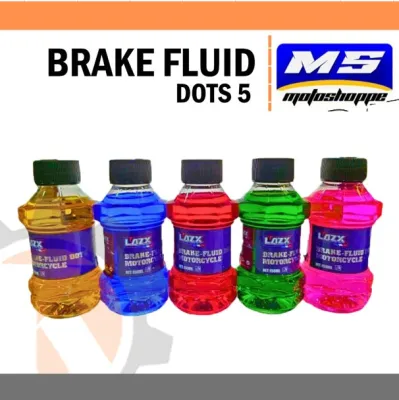
Products mentioned in this guide
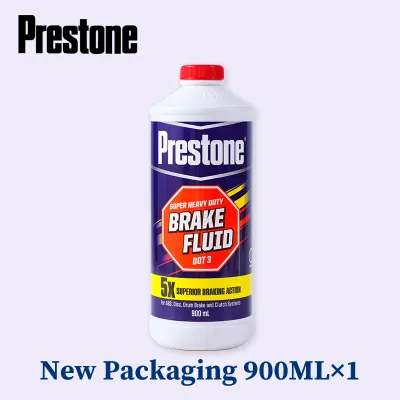
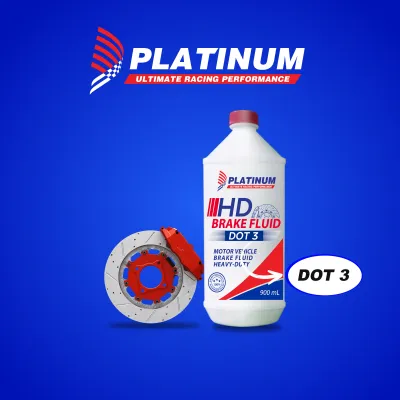
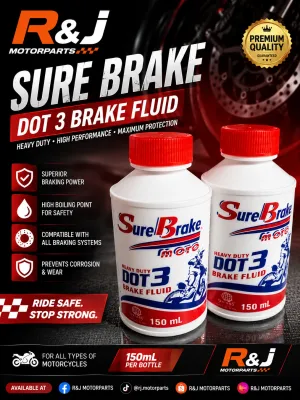
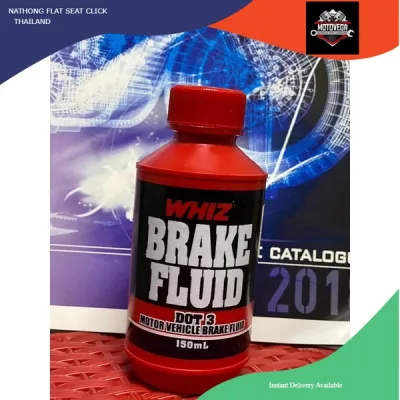
Prices are valid at publication and may change. Please refer to the product page for the latest price.
Understanding DOT3 and DOT4 Brake Fluid Basics
To understand why choosing the right hydraulic fluid is so critical, it helps to understand what “DOT” stands for. The Department of Transportation (DOT) establishes strict safety and performance thresholds that hydraulic fluids must meet to be legally sold and used in automotive braking systems. These standards ensure that any approved fluid can withstand the extreme operating conditions of modern traffic.

Both DOT3 and DOT4 are glycol-ether based hydraulic fluids. This chemical foundation makes them highly effective at transferring pressure, but it also makes them hygroscopic. A hygroscopic fluid naturally and actively absorbs moisture from the surrounding atmosphere over time, even through microscopic pores in rubber brake hoses, seals, and the reservoir cap.
The primary function of brake fluid is to act as an incompressible medium that transfers the physical force of your foot on the brake pedal directly to the brake calipers or wheel cylinders. Because the friction between brake pads and rotors generates immense thermal energy, the fluid must operate under extreme heat without boiling. If the fluid reaches its boiling point, it turns into gas. Unlike liquid, gas is highly compressible, which leads to a spongy pedal and a catastrophic loss of braking pressure.
Key Differences Between DOT3 and DOT4 Brake Fluid
While both fluids share a similar glycol-ether chemical base, they are formulated differently to meet distinct performance standards. The primary differences lie in their chemical additives, boiling points, and how they handle moisture accumulation over their service life.
The table below summarizes the standard regulatory minimums established by federal safety standards. Many premium commercial brands formulate products that exceed these baselines, but these figures represent the absolute minimum legal requirements for each specification.
| Specification | Base Chemistry | Minimum Dry Boiling Point | Minimum Wet Boiling Point | Typical Applications |
|---|---|---|---|---|
| DOT 3 | Glycol-Ether | 205°C (401°F) | 140°C (284°F) | Older passenger cars, light commuter vehicles |
| **DOT 4** | Glycol-Ether / Borate Ester | 230°C (446°F) | 155°C (311°F) | Modern vehicles, SUVs, performance cars, ABS/ESP systems |
Boiling Points and Heat Resistance
Dry boiling point refers to the temperature at which fresh, uncontaminated fluid out of a sealed container will boil. Wet boiling point represents the boiling threshold after the fluid has absorbed approximately 3.7% water by volume, which typically occurs after one to two years of real-world service.
With a dry boiling point of 230°C compared to DOT3’s 205°C, DOT4 provides a much wider safety margin against brake fade. Brake fade occurs when extreme heat causes the brake fluid to boil, creating steam pockets in the brake lines. When you press the pedal, you end up compressing the gas instead of moving the caliper pistons, making the pedal feel soft and drastically reducing stopping power.
In heavy stop-and-go traffic or during steep descents down mountain passes, brakes generate intense heat. Heavier modern SUVs and vehicles carrying full passenger loads put massive strain on their braking systems. DOT4’s superior thermal resistance acts as a critical safety buffer under these demanding conditions, whereas standard DOT3 might reach its thermal limits faster.
Moisture Absorption and Service Intervals
While DOT4 handles extreme heat better due to the addition of borate esters, this chemical modification also makes it more aggressive at absorbing moisture from the air. Consequently, DOT4 can degrade and reach its wet boiling point faster than DOT3 under identical environmental conditions.
In highly humid and tropical environments like the Philippines, the rate of moisture ingress is significantly accelerated. High ambient humidity means more water vapor is constantly in contact with the flexible rubber components of your braking system. Over time, this moisture penetrates the system, steadily lowering the boiling point of the brake fluid.
Because of this rapid moisture absorption, DOT4 systems require strict adherence to service intervals. Neglecting a fluid change in a highly humid climate can quickly reduce your premium DOT4’s boiling point down to, or even below, standard DOT3 levels, increasing the risk of internal corrosion and vapor lock.
Can You Mix DOT3 and DOT4 Brake Fluid?
Since both DOT3 and DOT4 are glycol-ether based, they are chemically compatible. If you mix them, they will not undergo a hostile chemical reaction, nor will they immediately damage the rubber seals, hoses, or metal pistons in your braking system. This is a stark contrast to silicone-based fluids like DOT5, which must never be mixed with glycol-based fluids under any circumstances.
Even though they can mix without immediate mechanical damage, doing so compromises your braking system’s performance. When you add DOT3 fluid to a system designed for and filled with DOT4, you immediately dilute the thermal properties of the DOT4. The overall boiling point of the mixture drops toward the lower DOT3 threshold, negating the high-temperature safety margins your vehicle’s manufacturer engineered into the system.
Mixing should never be treated as a standard maintenance practice or a permanent solution. It should only be done in genuine roadside emergencies when your fluid level is dangerously low and the correct specification is unavailable. If you must top off with a different fluid to reach safety, you should plan to have the entire system flushed and refilled with the correct fluid as soon as possible.
If you wish to upgrade your vehicle’s braking system from DOT3 to DOT4 to handle heavier loads or spirited driving, you must perform a complete system flush. This involves draining all old fluid, flushing the lines thoroughly with fresh DOT4 to remove any residual DOT3 and moisture, and then bleeding the system to eliminate air bubbles. However, before executing an upgrade, you must verify that your vehicle manufacturer’s documentation permits the use of DOT4, as some older master cylinder seals may react poorly to the borate esters present in DOT4 formulations.
How to Verify the Correct Brake Fluid for Your Vehicle
To ensure your braking system operates safely and effectively, follow this step-by-step, fail-safe verification method before purchasing any fluid or attempting maintenance.
Step 1: Inspect the Brake Fluid Reservoir Cap
Pop the hood and locate the translucent brake fluid reservoir, typically mounted on the driver’s side firewall. In most vehicles, the required fluid specification (e.g., “Use Only DOT3” or “Use Only DOT4”) is clearly stamped or molded directly onto the plastic or rubber cap. Clean the cap first to prevent dirt from falling into the reservoir when you open it.
Step 2: Consult the Owner's Manual
If the cap markings are faded, dirty, or missing, open your vehicle’s owner’s manual. Navigate to the specifications, capacities, or maintenance section. Here, the manufacturer will list the exact hydraulic fluid standard required, along with the system’s total volume capacity.
Step 3: Check for Manufacturer-Specific Standards
Many modern European and Asian vehicles require specialized variations of standard fluids. For example, vehicles equipped with advanced electronic stability control (ESC) or ABS often specify a low-viscosity DOT4 fluid (sometimes labeled as DOT4 Plus, DOT4 LV, or Class 6). These low-viscosity fluids are designed to flow quickly through the tiny valves of ABS modulators at extremely low temperatures or high speeds, ensuring rapid system response. Using a standard, high-viscosity DOT4 in these systems can delay the safety interventions of your ABS.
Step 4: Inspect the Fluid Condition
Look through the side of the translucent reservoir to inspect the fluid’s color and clarity. Fresh brake fluid is clear with a light yellow or amber tint. If the fluid appears dark brown, cloudy, or has visible black sediment, it has absorbed excessive moisture and accumulated wear debris from the system. In this state, a simple top-off is insufficient; the entire system requires a professional flush.
Safety Warning and Proper Handling
Brakes are your vehicle’s most critical safety system. Never guess the fluid type, and never use silicone-based DOT5 in a system designed for glycol-based DOT3 or DOT4.
Before purchasing any fluid or performing maintenance, check the applied product’s label and the treated vehicle’s manufacturer instructions. If the instructions conflict, if the vehicle’s required fluid is unidentified, or if your specific use case is not covered in the documentation, stop immediately and consult the manufacturer or a qualified professional mechanic.
Additionally, brake fluid is highly corrosive to automotive paint, plastics, and rubber body seals. If you spill any fluid during inspection or topping off, immediately flush the area with copious amounts of water and wipe it dry to prevent permanent cosmetic or structural damage. Because of the safety risks involved in bleeding and flushing brake lines, any complete system flush or component replacement should be performed by a qualified professional.
Frequently Asked Questions (FAQ)
How often should I change my brake fluid?
Most manufacturers recommend flushing and replacing the brake fluid every two years or every 30,000 to 40,000 kilometers, whichever comes first. However, your vehicle’s owner’s manual remains the ultimate authority on service intervals. In highly humid tropical regions like the Philippines, moisture contamination occurs much faster. It is highly recommended to test your brake fluid’s moisture content annually using a dedicated electronic fluid tester or chemical test strips, and flush the system early if the moisture level exceeds 2% to 3% to prevent internal corrosion.
Does using DOT4 instead of DOT3 improve braking performance?
Switching to DOT4 will not make your car stop in a shorter distance or increase your baseline braking power during normal, everyday driving. Braking performance, such as stopping distance, is determined by your tires, brake pads, rotors, and caliper clamping force. The primary advantage of DOT4 is its higher boiling point, which prevents brake fade under extreme thermal stress. It maintains consistent pedal feel and stopping power during heavy braking scenarios, but it does not increase the mechanical friction of your brakes.
What happens if my brake fluid absorbs too much water?
When brake fluid absorbs excessive moisture, two major issues occur: vapor lock and internal corrosion. Water has a boiling point of only 100°C (212°F). As moisture content rises, the overall boiling point of the brake fluid drops dramatically. Under hard or prolonged braking, the heat generated can easily boil the water inside the lines, turning it into compressible gas bubbles. This causes a spongy brake pedal or, in severe cases, complete brake failure where the pedal goes to the floor without stopping the vehicle. Furthermore, water promotes internal rust and corrosion, which can destroy expensive components like the master cylinder, brake calipers, and ABS control modules.
Community discussion
Share your experience or ask a question. Comments are reviewed before publication.