
Riding a motorcycle in the Philippines means constantly battling intense tropical heat, sudden downpours, and suffocating humidity. For daily commuters and weekend tourers alike, finding a riding jacket that balances safety with thermal comfort is a major challenge. The Duhan riding jacket has become a highly visible option on local roads, primarily due to its accessible price point and sporty designs. However, its performance in hot and humid weather depends entirely on choosing the correct construction, as the brand produces both heavily insulated winter gear and highly ventilated summer mesh jackets.
Quick Answer: Are Duhan Jackets Suitable for Tropical Heat?
Yes, but only if you select a model specifically engineered with extensive mesh panels and fully removable liners. Duhan offers a diverse catalog of riding gear, ranging from heavy, windproof touring jackets designed for colder climates to lightweight, high-airflow mesh options. For the typical Philippine climate—where temperatures routinely exceed 30°C and relative humidity often climbs above 80%—only the brand’s dedicated mesh or summer jackets are suitable.
Using a heavy textile, solid polyester, or non-removable thermal-lined jacket from Duhan for daily urban commuting will quickly lead to severe overheating, excessive sweating, and physical exhaustion. These heavier models trap body heat and block ambient airflow, making them highly impractical for low-speed city riding. Conversely, a properly selected Duhan mesh jacket allows wind to pass directly through the fabric, helping sweat evaporate and keeping your core temperature manageable while you ride.
Products mentioned in this guide
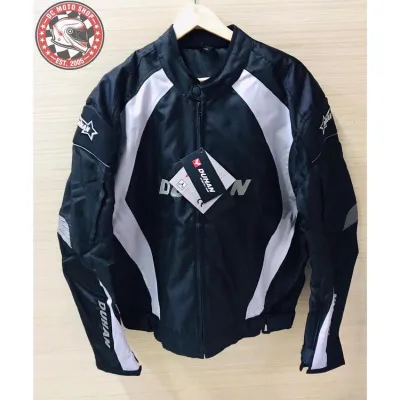
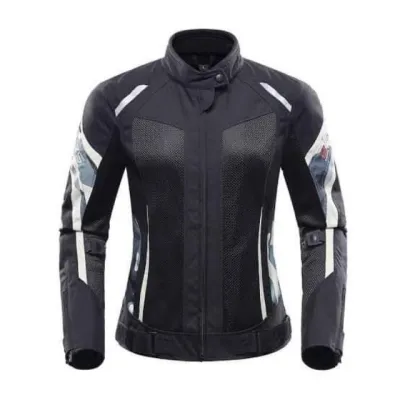
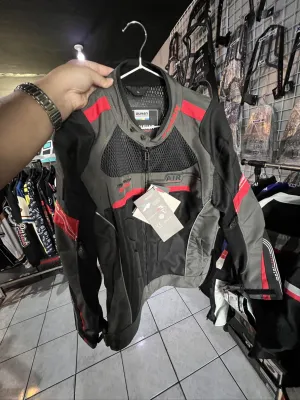
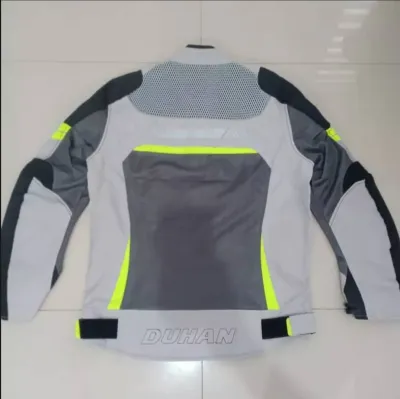
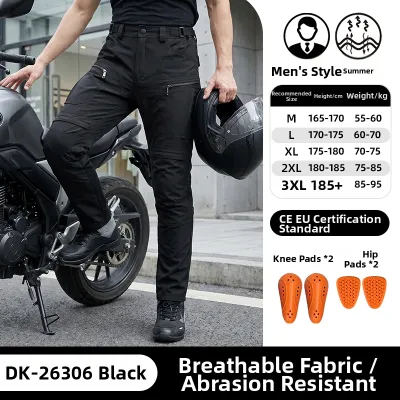
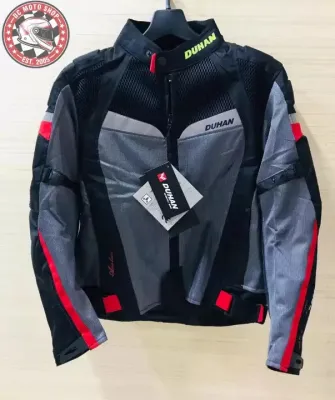
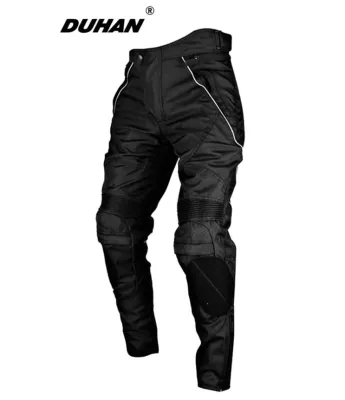
Prices are valid at publication and may change. Please refer to the product page for the latest price.
Key Design Features for Hot and Humid Weather
When evaluating a Duhan riding jacket for tropical use, you must look past aesthetic designs and focus on the physical construction of the garment. Many riders make the mistake of purchasing a jacket based solely on color schemes or matching brand logos, only to find the material acts like a greenhouse once they are on the road. Understanding the specific structural elements that facilitate cooling will help you make an informed decision before purchasing.

Mesh Panels and Airflow Channels
The primary mechanism of cooling in any summer riding jacket is direct ventilation. When inspecting a Duhan jacket, look for extensive mesh panels located across the chest, under the arms, and across the entire back. These panels are typically woven from high-tensile polyester mesh, which allows air to flow freely through the garment as you move forward.
For optimal comfort, the intake mesh on the front of the jacket must be paired with exhaust mesh on the back. This configuration creates a continuous airflow channel, drawing cool air in and pulling hot, humid air away from your body. Additionally, ensure the jacket fits snugly but not restrictively; if the jacket is too loose, the protective armor may shift out of place during an impact, but if it is too tight, it will compress the mesh and restrict the air gap needed for effective circulation.
While maximum mesh coverage is ideal for cooling, pay attention to the high-wear zones. The shoulders and outer elbows should still feature solid, high-denier textile overlays (such as 600D polyester) to provide necessary abrasion resistance. A well-designed Duhan summer jacket strategically positions these solid panels only where impact and sliding are most likely to occur, leaving the rest of the torso open to the wind.
Moisture-Wicking Liners and Fabric Weight
High humidity in the Philippines prevents sweat from evaporating efficiently, which can make the inside of a riding jacket feel damp and sticky. To combat this, check the interior lining of the jacket. Quality summer models feature a lightweight, breathable mesh inner liner that prevents the outer shell from sticking directly to your skin or base layer.
Furthermore, many Duhan jackets are sold as multi-season gear, featuring zippered internal liners designed for windproofing, waterproofing, or thermal insulation. While these liners are useful for cold-weather riding or high-altitude routes like those in Baguio or Marilaque during the cooler months, they must be completely removable. Leaving a thermal or solid windproof liner installed during a typical midday commute in Manila will immediately trap your body heat, rendering the external mesh panels useless.
Before buying, verify that the liners can be easily unzipped and stored. The weight of the base fabric also matters; lighter polyester weaves reduce the overall physical burden on your shoulders, which helps lower your metabolic heat production while managing your motorcycle in heavy traffic.
Balancing Airflow and Abrasion Protection
Choosing a riding jacket always involves a direct trade-off between maximum ventilation and physical protection. A full-mesh jacket provides the highest level of cooling, but the mesh fabric itself naturally possesses lower abrasion resistance than heavy, solid textiles or thick leather. Understanding how to balance these two critical factors is essential for staying safe on Philippine roads.
To ensure you are protected during a slide, examine the reinforcement panels on the jacket. The shoulders, elbows, and back must be reinforced with heavy-duty woven fabrics, typically rated at 600 Denier (600D) or higher. These reinforced zones hold the internal protective armor in place and bear the brunt of the friction if you contact the asphalt.
The quality of the impact protectors is just as vital as the outer shell. Duhan jackets generally come equipped with removable armor inserts for the shoulders, elbows, and back. You should inspect these inserts to confirm they carry legitimate safety certifications, such as CE Level 1 or CE Level 2 markings, which indicate they have been tested to absorb specific levels of impact energy.
In the context of typical Philippine road conditions—characterized by congested urban areas, low-speed filtering, and stop-and-go traffic—high-speed highway crashes are less common than low-speed slides or tip-overs. For these riding conditions, a highly ventilated mesh jacket equipped with robust, certified armor inserts offers an excellent balance. It provides sufficient impact and slide protection for typical urban speeds while preventing the cognitive impairment and slowed reaction times caused by heat exhaustion.
Be cautious of extremely cheap, unbranded, or counterfeit jackets marketed as “cooling summer gear” that lack proper internal pocketing for armor or use soft, non-impact-rated foam sheets instead of certified protectors. Always verify the physical presence and rating of the armor inserts by checking the manufacturer’s labels inside the armor pockets before relying on them for protection.
Managing Heat in Stop-and-Go Traffic
It is important to have realistic expectations: no mesh jacket, regardless of the brand or price, can actively cool you down when you are standing still. Mesh ventilation relies entirely on relative wind speed to force air through the fabric. When you are stuck in bumper-to-bumper traffic on major thoroughfares like EDSA or C-5 under a midday sun, heat buildup is inevitable.
To manage heat during these challenging periods, your choice of undergarments is critical. Avoid wearing heavy cotton t-shirts under your riding jacket, as cotton absorbs sweat and holds onto moisture, creating a humid microclimate against your skin. Instead, wear lightweight, technical base layers made of synthetic, moisture-wicking materials (often marketed as dry-fit or athletic compression wear). These fabrics pull sweat away from your body and allow it to evaporate quickly once you start moving again.
Staying hydrated is another non-negotiable safety practice for tropical riding. Dehydration accelerates physical fatigue, reduces concentration, and increases your susceptibility to heat cramps. Keep a water bottle accessible, or use a hydration pack during longer rides, and take regular breaks in shaded areas when traveling during the hottest parts of the day.
Additionally, take advantage of any adjustable features on your Duhan jacket. Some models include zippered vents on the forearms or biceps, as well as adjustable collar snaps. Keeping these open can help release trapped hot air even at low speeds. Remember that the primary goal of a summer riding jacket is not to make you feel cold in 35°C weather, but to keep your body temperature within a safe, functional range and protect you from direct solar radiation.
Jacket Care and Maintenance in High Humidity
The combination of heavy sweat and high ambient humidity in the Philippines creates an ideal breeding ground for bacteria, mold, and mildew. If you do not care for your Duhan riding jacket properly after each ride, it will quickly develop unpleasant odors and the structural integrity of the synthetic fibers may degrade over time.
Immediately after completing a ride, do not stuff your jacket into a top box, closet, or gear bag. Instead, remove any loose items from the pockets and hang the jacket inside out on a wide, heavy-duty hanger. Place it in a well-ventilated, shaded indoor area or a spot with active airflow, such as near an electric fan or air conditioner.
Avoid hanging your riding jacket in direct, harsh sunlight for extended periods. While UV rays can kill bacteria, prolonged exposure to intense tropical sunlight degrades the synthetic nylon or polyester fibers, weakens the stitching, and fades the colors, potentially compromising the jacket’s structural safety over time.
When the jacket requires a thorough cleaning, always consult the manufacturer’s care label sewn inside the garment first. Before washing, remove all internal impact armor inserts (shoulders, elbows, and back) and detach any removable inner liners.
For most textile and mesh jackets, hand washing in cool water with a mild, non-biological liquid detergent is the safest method. Gently agitate the soapy water through the mesh panels, rinse thoroughly to remove all soap residue, and allow the jacket to drip dry completely in the shade. Never use bleach, fabric softeners, or strong chemical solvents, and do not tumble dry or iron the jacket, as high heat can melt or warp the synthetic mesh construction.
Pre-Purchase Checklist: Verifying Climate Suitability
Before purchasing a Duhan riding jacket online or from a local physical store, use this checklist to verify that the specific model is suitable for the Philippine climate:
- Mesh-to-Textile Ratio: Ensure that at least 50% of the jacket's surface area—especially on the chest, inner arms, and back—consists of open mesh fabric rather than solid, heavy polyester.
- Removable Liners: Verify that any included waterproof or windproof liners are fully detachable via zippers or snaps, allowing you to strip the jacket down to its basic mesh shell.
- Armor Quality and Fit: Check that the jacket includes impact protectors for the shoulders and elbows, and verify that they carry recognized safety certification markings on the armor itself. Ensure the internal armor pockets hold the protectors securely in the correct anatomical positions.
- Sizing and Layering: Choose a size that fits snugly to prevent the armor from shifting during a slide, but ensure there is still enough room to comfortably wear a thin, moisture-wicking base layer underneath without restricting your arm movement or chest expansion.
- Authenticity and Labels: Purchase your jacket from authorized dealers or highly rated, reputable online marketplace sellers to avoid counterfeit products. Always inspect the physical tags and care labels upon delivery to confirm the materials and safety specifications match the advertised product.
Frequently Asked Questions (FAQ)
Can I wear a regular textile Duhan jacket in the Philippines if I just unzip it?
No, this is not recommended. Simply unzipping a heavy, non-mesh textile jacket does not provide adequate ventilation across your back, shoulders, and sides, which will lead to rapid heat buildup and heavy sweating. Furthermore, riding with a partially or fully unzipped jacket is highly unsafe, as the garment can easily balloon in the wind, shift the protective armor away from your joints, or fly open during a fall, leaving your skin completely unprotected against road rash.
Do I need a waterproof liner for riding in the Philippines' rainy season?
While a waterproof liner can keep you dry during sudden afternoon downpours, it also traps body heat and sweat because it blocks airflow. In the high humidity of the Philippines, wearing a waterproof liner inside your jacket often results in you getting wet from your own sweat anyway. Many experienced local riders find it much more comfortable to use a highly ventilated mesh jacket for daily riding and carry a separate, loose-fitting rain suit (such as a separate jacket and pants set) to wear over their protective gear when heavy rain begins.
Community discussion
Share your experience or ask a question. Comments are reviewed before publication.