
Selecting the right motorcycle footwear is one of the most critical decisions you will make for your daily safety and comfort on the road. To choose between Duhan shoes for commuting versus touring, you must weigh the flexibility, airflow, and walking comfort needed for stop-and-go traffic against the rigid support, weatherproofing, and impact protection required for high-speed highway travel. Finding the perfect balance ensures your feet remain protected from both road hazards and the elements.
Defining Your Ride: Urban Commuting vs. Highway Touring Needs
Urban commuting in the Philippines means navigating dense, slow-moving traffic in major metropolitan areas. You frequently face intense tropical heat radiating from the asphalt, high humidity, and sudden afternoon downpours. Urban riders stop constantly, put their feet down at intersections, and often have to walk around offices, campuses, or shops in their riding gear. Consequently, footwear for this scenario must be highly breathable, lightweight, and comfortable when you are off the bike.
Highway touring demands a completely different set of performance characteristics. When riding long distances along provincial highways or scenic mountain routes, you experience sustained high speeds, constant wind resistance, and prolonged pressure on the foot pegs. This sustained vibration and wind exposure can cause rapid foot fatigue if your soles are too flexible. Furthermore, a fall at highway speeds involves much higher kinetic energy, making robust impact protection and weatherproofing non-negotiable.
Products mentioned in this guide
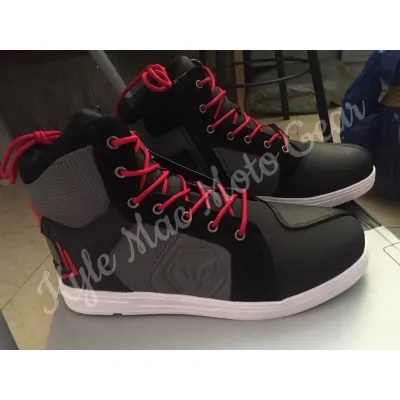
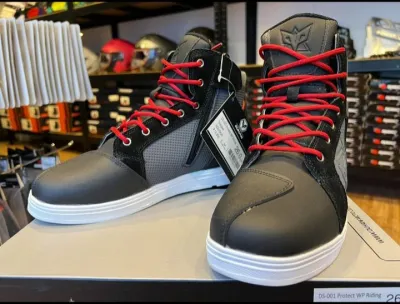
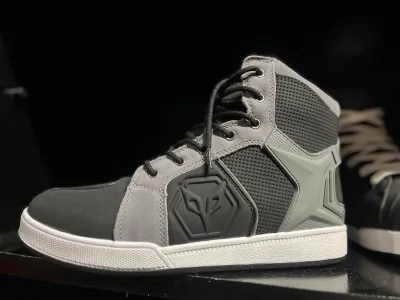
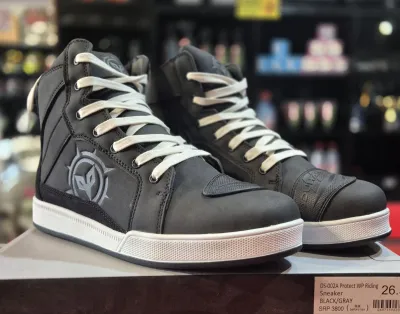
Prices are valid at publication and may change. Please refer to the product page for the latest price.
To determine your primary needs, apply the 80/20 rule to your riding habits. Ask yourself whether 80% of your weekly riding consists of short, low-speed city trips, or if it is spent on long-distance weekend tours. If you split your time evenly, you must decide whether to accept the safety compromises of a hybrid shoe or invest in two specialized pairs of duhan shoes to ensure optimal protection and comfort for both scenarios.
What to Look for in Duhan Shoes for Daily Commuting
In tropical climates, heat buildup inside a boot can quickly lead to discomfort and excessive sweat. When evaluating duhan shoes for daily city riding, prioritize models featuring extensive mesh panels or perforated synthetic leather. These materials facilitate continuous airflow, helping to keep your feet dry and cool during long waits at traffic lights. Always check the specific product description to verify if the mesh panels are positioned to maximize intake.

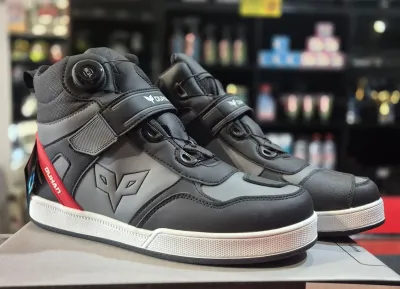
A commuter shoe must adapt seamlessly to your daily routine, which often involves stepping in and out of offices or retail spaces. Quick-entry systems such as side zippers, secure velcro flaps, or rotary dial laces save time and eliminate the hassle of traditional shoelaces. Traditional laces can also pose a safety hazard if they untie and tangle in your bike’s chain, sprockets, or foot pegs.
Unlike rigid racing boots, a commuter shoe requires a flexible sole with a sneaker-like profile. This flexibility allows your foot to roll naturally as you walk, preventing the stiff, awkward gait common with heavy motorcycle boots. Look for cushioned insoles and slip-resistant rubber outsoles that offer reliable grip on wet, oily city asphalt.
While comfort is key, a commuter shoe must still function as protective gear. Look for models that include reinforced toe boxes, stiffened heel cups, and dedicated ankle discs. These features provide essential abrasion and impact protection for low-speed city spills without adding the excessive bulk or weight of a full-height touring boot. A dedicated rubber shift pad on the upper is also crucial to prevent premature wear from constant gear changes.
Critical Features for Duhan Long-Distance Touring Boots
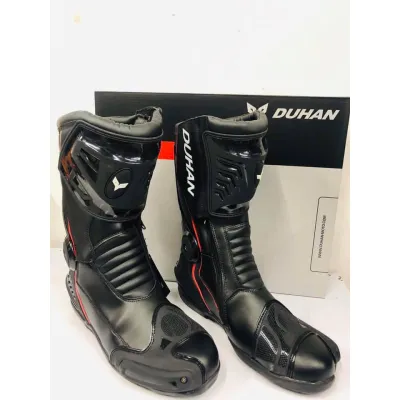
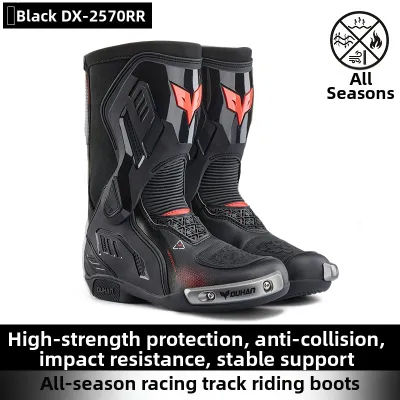
High-speed travel requires uncompromising structural support. Dedicated touring boots from Duhan typically feature taller shafts that cover the ankle and extend up the shin. This design incorporates rigid or semi-rigid thermoplastic polyurethane (TPU) protectors to shield your lower leg from flying debris and severe rotational forces during a high-speed slide. Always inspect the manufacturer’s specification sheet to confirm the presence of these impact-resistant inserts.
Long-distance tours expose you to unpredictable weather, from scorching midday sun to sudden, torrential monsoon rains. Effective touring footwear relies on integrated waterproof and windproof membranes that block external moisture while allowing internal water vapor to escape. However, keep in mind the physical trade-off: even the most advanced breathable membranes will feel significantly warmer and more humid in slow-moving traffic than a dedicated mesh shoe.
A stiff shank embedded within the sole is essential for long-distance comfort. When standing or sitting on foot pegs for hours, a soft sole bends around the peg, concentrating pressure on the arch of your foot and causing painful cramping. A rigid sole distributes this pressure across the entire foot, reducing fatigue and allowing you to maintain precise control over your motorcycle.
Because touring riders wear various styles of protective pants—ranging from heavy textile trousers to riding jeans—the boot’s collar must be adjustable. Look for wide-opening designs with adjustable velcro straps or buckles. This ensures you can securely tuck your pants inside the boot to block wind, or wear the boot under your pants to prevent rain from running down into your socks.
The Middle Ground: Can One Pair Cover Both Scenarios?
For riders seeking a single solution, the mid-cut or sport-touring shoe category attempts to bridge the gap. These shoes typically feature a cut that sits just above the ankle, offering more support than a low-top sneaker but far more flexibility than a tall touring boot. They are designed to provide a balanced mix of urban agility and highway-ready construction.
However, choosing a hybrid pair involves clear practical compromises. During heavy city traffic in high-humidity areas, a mid-cut shoe with moderate weatherproofing will inevitably feel warmer and more restrictive than a highly ventilated mesh shoe. Conversely, on the open highway, the mid-cut design leaves the upper shin exposed and offers less overall lateral ankle support than a dedicated, tall touring boot.
A hybrid shoe is generally best suited for weekend hobbyists who occasionally commute or riders who limit their highway trips to moderate speeds and clear weather. If your budget allows, investing in two dedicated pairs—a ventilated shoe for the daily grind and a robust, waterproof boot for long-distance touring—is the safest and most comfortable approach. This strategy also extends the lifespan of both pairs by reducing daily wear and tear.
Sizing, Fit, and Pre-Ride Safety Verification
When trying on your new duhan shoes, always wear the exact style of socks you plan to use while riding. Put on both shoes, fasten them completely, and adopt a simulated riding stance on your motorcycle or a chair. Check for any heel lift when you flex your ankles, and ensure your toes do not press hard against the front of the toe box, which can become incredibly painful after a few hours of riding.
Before heading out on the road, sit on your stationary motorcycle and practice operating the gear shifter and rear brake pedal. A thicker or stiffer sole can alter your tactile feedback and require you to adjust the height of your shift lever or brake pedal. Ensure you can comfortably slip your toe under the shifter and apply precise pressure to the rear brake without accidental engagement.
Never assume a shoe is safe based solely on its rugged appearance or brand name. Look inside the tongue or collar for the official CE EN 13634 label, which certifies that the footwear has undergone standardized testing for abrasion resistance, impact cut resistance, and transverse rigidity. Review the specific rating numbers on the label to understand the exact level of protection the shoe provides.
To preserve the performance and safety of your footwear, strictly follow the manufacturer’s care instructions. If your shoes feature synthetic leather or waterproof membranes, avoid using harsh household detergents or high-heat drying methods, which can compromise the adhesives and materials. Always refer to the care label attached to the product before applying any cleaning agents or aftermarket waterproofing treatments.
Frequently Asked Questions (FAQ)
Are Duhan riding shoes waterproof enough for the Philippine rainy season?
Waterproof capability depends entirely on the specific model’s membrane and construction. Some Duhan models are specifically designed with waterproof linings, while others prioritize maximum ventilation with open mesh. It is crucial to check the product label for waterproof ratings before purchase. Keep in mind that during heavy, wind-driven monsoon rain or deep wading, water can still enter from the top collar of the shoe, regardless of how waterproof the lower chassis is.
How do I clean and maintain the waterproof membrane on my touring boots?
To clean your boots without damaging the technical membrane, gently wipe away dirt using a damp cloth, a soft-bristled brush, and mild soap. Avoid using harsh chemicals, solvents, or machine washing, as these can permanently degrade the waterproof barrier and dissolve structural adhesives. Let the boots air dry naturally in a well-ventilated, shaded area away from direct heat sources. Always consult the specific product’s care label for manufacturer-approved conditioning or waterproofing sprays.
Community discussion
Share your experience or ask a question. Comments are reviewed before publication.