
Selecting the right e-bike cover in the Philippines requires looking beyond basic marketing terms. The ideal cover must withstand torrential monsoon downpours, intense tropical UV rays, and persistent high humidity. To protect your investment, you need a material that balances robust water resistance with breathability, ensuring that moisture does not get trapped against sensitive electrical components.
While many products claim to be completely waterproof or universal, the actual performance depends on specific material compositions, denier ratings, and specialized backings. This guide breaks down how to evaluate common fabrics, identify essential structural features, and choose a cover that keeps your e-bike safe in local tropical conditions.
Quick Guide to E-Bike Cover Selection
Choosing an e-bike cover is a balance between environmental protection and material durability. Instead of relying on generic product titles on an online marketplace, you must evaluate how a cover handles the specific climate threats of your parking area. A cover used under a covered carport requires different properties than one exposed to open-air elements.
Products mentioned in this guide
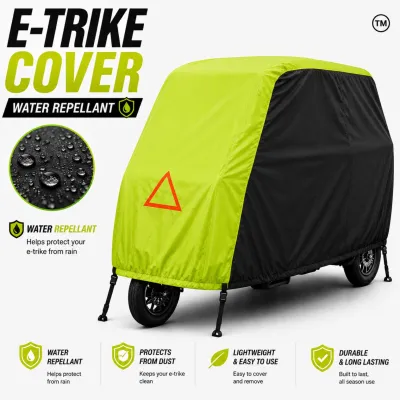
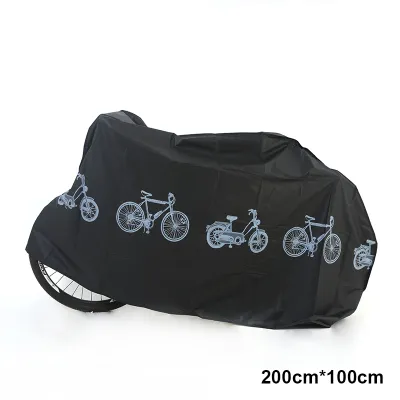
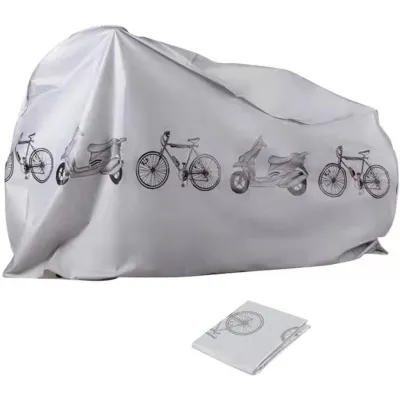
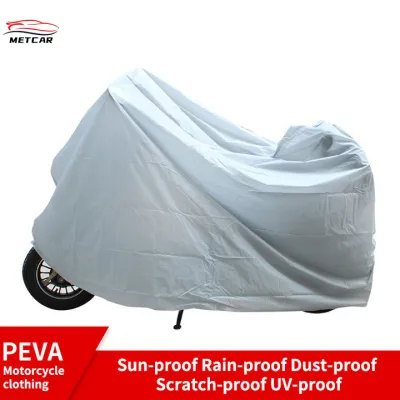
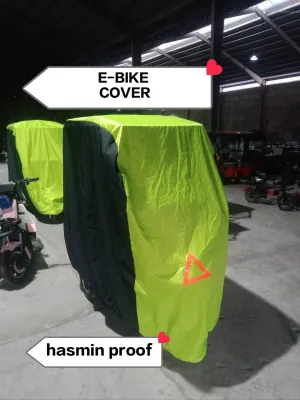
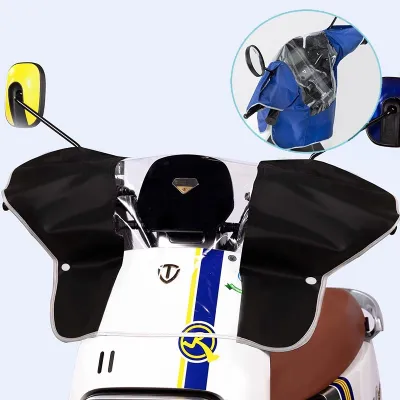
Prices are valid at publication and may change. Please refer to the product page for the latest price.
To make an informed decision, focus on three core criteria: water resistance, UV degradation prevention, and breathability. A fabric name alone does not guarantee performance. For example, two covers labeled as Oxford cloth can perform completely differently depending on their internal coatings and thread density. You must verify these specific coatings, linings, and construction methods on the product label or manufacturer specifications before purchasing.
Your decision path should begin by identifying your primary climate threat. If your e-bike is parked in direct sunlight daily, UV resistance and heat-reflective linings are your top priorities. If you park in an open area prone to heavy rain, focus on high-denier fabrics with heat-sealed seams. For highly humid coastal areas, active ventilation features become critical to prevent moisture accumulation.
How Philippine Weather Affects E-Bike Covers
The tropical climate of the Philippines presents a unique set of challenges that can rapidly degrade low-quality outdoor covers. Understanding these environmental factors helps you identify which material specifications are necessary to protect your e-bike’s frame, battery, and electronic display.

Heavy monsoon rains demand superior water resistance. Standard stitched seams without waterproofing will allow water to seep through the needle holes during prolonged downpours. This moisture can pool on your e-bike’s seat, handlebars, and electrical housing, leading to corrosion or electrical shorts. To prevent water ingress, look for covers featuring waterproof backings and sealed seams.
Intense UV exposure is another major threat. The strong tropical sun causes untreated fabrics to undergo UV degradation, making them brittle, prone to tearing, and faded within a few months. UV rays also heat up the air trapped beneath the cover, which can negatively affect the lifespan of your e-bike’s lithium-ion battery. Choosing a cover with UV-resistant treatments and heat-reflective properties is essential for outdoor parking.
High tropical humidity creates a breeding ground for mold, mildew, and rust. When a non-breathable cover is placed over a damp e-bike, or when ground moisture evaporates beneath the cover, condensation forms on the inside. Without proper ventilation, this trapped moisture remains in contact with metal components and electrical connections. Effective covers must incorporate design elements that allow moisture to escape while keeping rain out.
Evaluating Common E-Bike Cover Fabrics
When browsing an ecommerce platform, you will encounter three primary base materials: Oxford cloth, polyester, and PEVA. While these materials serve as the foundation, their ultimate effectiveness in tropical weather depends entirely on secondary treatments, backings, and manufacturing quality.
Oxford Cloth and Denier Ratings
Oxford cloth is a popular woven fabric known for its durability and resistance to tearing. When evaluating Oxford covers, pay close attention to the denier rating, which is represented by a number followed by the letter “D” (such as 210D, 300D, or 600D). The denier rating measures the thickness of the individual threads used in the weave.
- Low Denier (e.g., 190D to 210D): These covers are lightweight, easy to fold, and highly portable. However, they offer less resistance to sharp edges and may wear out faster under intense daily sun exposure.
- High Denier (e.g., 420D to 600D): These heavy-duty fabrics offer excellent tear resistance and durability against strong winds. The trade-off is that they are heavier and bulkier to store when not in use.
To ensure water resistance, untreated Oxford fabric is not enough. You must check the product description for a polyurethane (PU) or polyvinyl chloride (PVC) backing. A PU coating provides flexible water resistance, while PVC offers a heavier waterproof barrier but can become stiff over time. Note that untreated or poorly coated Oxford fabric will absorb water and degrade quickly under direct, prolonged sunlight.
Polyester and Reflective Linings
Polyester is a synthetic fabric that offers natural resistance to stretching and shrinking. However, standard base polyester requires additional chemical treatments to function effectively as an outdoor e-bike cover. Without specific waterproofing agents and UV inhibitors, a basic polyester cover will quickly leak and fade under tropical conditions.
When evaluating polyester covers, look for models that feature a silver, aluminum, or reflective inner lining. This specialized coating serves a dual purpose. First, it helps deflect solar radiation, keeping the temperature beneath the cover lower than it would be with a standard dark fabric. This temperature control is vital for protecting your e-bike’s battery and electronic display from thermal buildup. Second, the lining adds an extra layer of water resistance, preventing rain from penetrating the woven polyester fibers.
PEVA and Plastic-Based Blends
PEVA (polyethylene vinyl acetate) is a non-chlorinated vinyl material often used as an inner waterproof layer or as the primary material in budget-friendly covers. Because it is a solid plastic-based material, PEVA is naturally waterproof and prevents water from passing through the fabric surface.
However, PEVA has distinct limitations in tropical climates. You should check the manufacturer’s specifications for flexibility ratings, as some low-grade plastic blends can stiffen, crack, or melt when exposed to extreme temperature fluctuations and direct sunlight. Furthermore, because PEVA is completely non-porous, it carries a high risk of trapping condensation. If you choose a PEVA cover, ensure it features a soft inner lining to prevent scratching your e-bike’s paint, and verify that the design includes adequate ventilation to let trapped moisture escape.
Essential Structural Features for Tropical Climates
The base material of your e-bike cover only tells half the story. To withstand the heavy rains and strong winds of the Philippine monsoon season, a cover must incorporate specific structural and design elements.
- Seam Construction: Standard stitched seams leave thousands of tiny needle holes where water can seep through during a heavy downpour. For reliable rain protection, prioritize covers with heat-sealed or taped seams. These methods apply a waterproof tape over the stitched seams, creating a continuous barrier against water ingress.
- Ventilation Vents: Built-in air vents are crucial for managing humidity and wind. Vents allow warm, moist air to escape from beneath the cover, reducing the risk of condensation and mold. Additionally, during strong winds or tropical storms, vents allow air to flow through the cover rather than trapping it, preventing the cover from acting like a sail and knocking your e-bike over.
- Secure Fit and Anchors: A loose cover can easily be blown away or whipped against your e-bike, causing scratches. Look for covers equipped with elastic hems at the front and rear to provide a snug fit around the wheels. Adjustable buckle straps that pass underneath the frame are essential to anchor the cover securely during high winds. Some covers also feature reinforced lock holes at the front wheel, allowing you to secure both your e-bike and the cover with a standard U-lock or chain.
Maintaining Your E-Bike Cover in High Humidity
Proper maintenance of your e-bike cover is essential to preserve its protective coatings and extend its lifespan. Neglecting maintenance can lead to premature material failure, mold growth, and damage to your e-bike.
- Routine Cleaning: Dust, dirt, and bird droppings can degrade the waterproof and UV-resistant coatings over time. Clean your cover regularly using a soft sponge, cool water, and a mild, pH-neutral soap. Avoid harsh detergents, bleach, or machine washing, as the agitation and chemicals can strip away the internal PU or reflective coatings. Always refer to the manufacturer's care label for specific cleaning instructions.
- Drying Protocols: Never fold and store a wet or damp cover. Doing so traps moisture inside the folds, leading to rapid mold and mildew growth that can ruin the fabric. After a rainstorm, hang the cover in a shaded, well-ventilated area until it is completely dry. Similarly, ensure your e-bike is dry before covering it to prevent trapping moisture against the metal and electrical components.
- Inspection Checklist: Perform a visual inspection of your cover every few months. Look for signs of coating degradation, such as flaking or peeling on the inside surface. Check the seams for separation or lifting tape, and feel the fabric to see if it has become stiff or thin. If you notice significant wear, it may be time to apply a fabric-safe waterproofing spray or replace the cover entirely to maintain adequate protection.
Frequently Asked Questions (FAQ)
Can I use a standard motorcycle cover for an e-bike?
While you can use a standard motorcycle cover, it may not offer the best fit or protection for an e-bike. Motorcycles and e-bikes have different dimensions, shapes, and accessory layouts. A standard motorcycle cover is often too large and bulky, leaving excess fabric that can drag on the ground, collect dirt, or catch the wind.
Furthermore, e-bikes have sensitive electronic displays, controllers, and battery compartments that require targeted protection from heat and moisture. E-bike-specific covers are designed to accommodate narrower handlebars, mid-drive or hub motors, and integrated battery downtubes without putting unnecessary stress on mirrors, brake levers, or digital displays. Always check the cover’s dimensions and cut to ensure a proper fit.
How often should I inspect or replace the cover?
There is no fixed timeline for replacing an e-bike cover, as its lifespan depends on material quality and environmental exposure. Instead, rely on visual and tactile signals of failure. Inspect your cover immediately if you notice water no longer beading on the surface, if the inner coating begins to flake or peel, or if the fabric feels stiff and brittle to the touch.
If your e-bike is parked in direct, daily sunlight without any overhead shelter, you should inspect the cover more frequently. Covers exposed to continuous UV radiation and heavy rain will degrade faster than those used under a carport or shaded patio. Replacing a worn cover promptly is a small investment compared to the cost of repairing water-damaged e-bike electronics.
Does the color of the cover affect UV protection?
While darker colors absorb more heat from the sun, the color of the cover does not solely determine its level of UV protection. UV resistance primarily depends on the fabric’s chemical treatments, density, and internal coatings. A light-colored cover with a high-quality UV-inhibitor treatment can offer excellent protection while keeping the temperature beneath the cover lower.
When choosing a color, consider your parking environment. Silver or light-colored covers are highly effective at reflecting sunlight and reducing heat buildup, making them ideal for open-air parking in hot climates. However, always prioritize the manufacturer’s specifications for UV inhibitors and reflective linings over color choice alone to ensure comprehensive protection.
Community discussion
Share your experience or ask a question. Comments are reviewed before publication.