
Navigating the diverse road conditions of the Philippines requires gear that can adapt to rapid environmental shifts. Whether you are crawling through the dense, humid traffic of Metro Manila on your daily commute or carving through the scenic, winding asphalt of the Marilaque Highway on a weekend ride, choosing the right pair of eleveit boots is one of the most critical decisions you will make.
The choice between touring and commuter boots depends primarily on your typical riding distance, frequency, and how much walking you do off the bike. Touring boots prioritize maximum lower-leg protection, torsional rigidity, and robust weather sealing to keep you safe and dry during long highway stretches. In contrast, commuter boots balance adequate impact protection with everyday walkability, breathability, and quick on/off convenience for urban environments. While the brand offers distinct styles for both disciplines, riders must always check the specific model’s tags and product specifications for verified safety certifications and material claims before purchasing.
Core Differences: Eleveit Boots for Touring vs. Commuting
To make an informed decision, it is essential to understand the fundamental design philosophies that separate these two categories. Motorcycle footwear is engineered to manage specific risks, and the structural differences between touring and commuting models reflect the distinct environments they are built to navigate.
Products mentioned in this guide
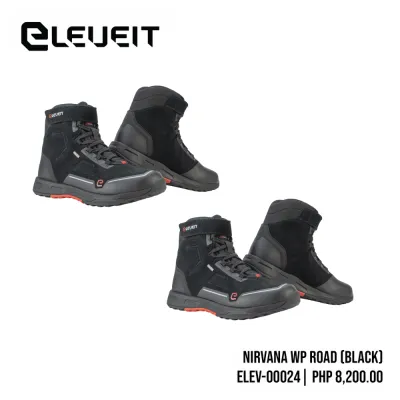
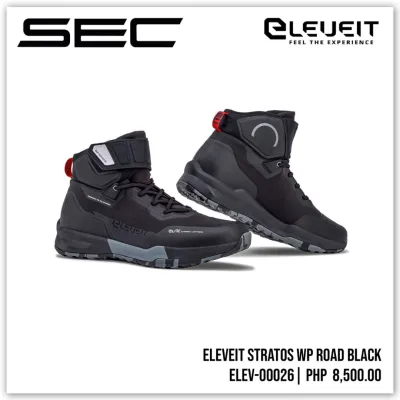
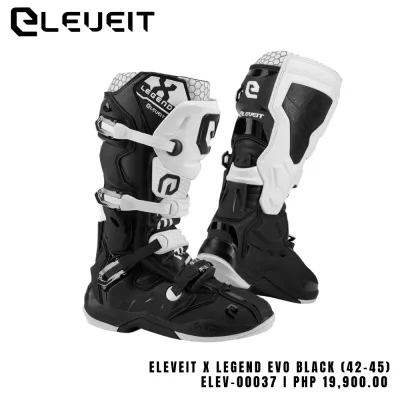
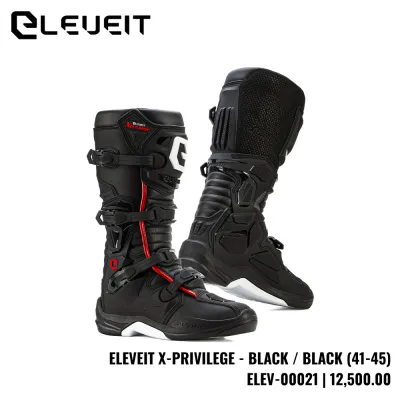
Prices are valid at publication and may change. Please refer to the product page for the latest price.
Protection and Armor Coverage
Touring boots are designed to shield the rider from high-energy impacts, extreme weather, and the physical weight of heavy touring or adventure motorcycles. They typically feature extended, rigid shin guards, robust heel cups, and reinforced ankle protectors that limit lateral movement to prevent fractures. The overall construction is stiff, using thick leather or advanced synthetic microfibers to resist abrasion during high-speed slides on asphalt or gravel. This extensive coverage is crucial on open highways where speeds are higher and hazards can be more severe.
Commuter boots, on the other hand, focus on localized protection that allows for natural foot movement. They usually feature smaller, impact-absorbing inserts around the ankle bones, reinforced toe boxes, and stiffened heel counters rather than full-length shin armor. This design provides essential protection against low-speed slides and common urban hazards without restricting the flexibility needed for walking.
Regardless of the style you prefer, it is critical to verify the safety standards of your chosen footwear. Look for the official CE certification label (specifically EN 13634) on the inner lining, tongue, or product packaging of your eleveit boots. This label indicates that the footwear has undergone standardized testing for height, abrasion resistance, impact cut resistance, and transverse rigidity, with performance levels (Level 1 or Level 2) varying by model and production batch.
Comfort, Walkability, and Daily Convenience
The primary trade-off between touring and commuter footwear lies in the balance between structural rigidity and off-bike flexibility. Commuter boots are designed with softer, more pliable soles and lower profiles, often mimicking the appearance of casual high-top sneakers or work boots. This casual aesthetic allows them to blend seamlessly into professional, academic, or social environments without drawing unwanted attention or causing discomfort during a full day of standing or walking.
In contrast, touring boots are inherently taller, stiffer, and require significantly more effort to walk in over extended periods. However, this rigidity serves a vital purpose on the motorcycle by providing excellent calf and arch support, which minimizes muscle fatigue when standing on the footpegs for hours. Walking in full-height touring boots can feel like wearing a supportive brace, which is ideal for the saddle but less practical for running errands or walking around an office.
Sole Flexibility: Commuter boots offer a natural heel-to-toe roll for comfortable walking, whereas touring boots feature highly rigid soles to prevent foot crushing in a lateral impact.
Shaft Height: Commuter options typically stop just above the ankle, making them easy to wear under standard pants, while touring boots extend up the calf for maximum coverage.
On/Off Speed: Commuter footwear often utilizes quick-access side zippers or traditional laces, while touring boots rely on elaborate multi-buckle systems and wide hook-and-loop flaps to secure the fit.
Feature Breakdown: What to Expect from Each Style
Evaluating specific functional features helps narrow down which boot type aligns with your daily routine and riding environment. The table below outlines the general characteristics of each style, though you should always verify the exact specifications of the specific model you intend to buy.

| Feature | Touring Boots | Commuter Boots |
|---|---|---|
| Boot Height | Mid-calf to high-calf (typically 25–30 cm) | Ankle-height or low-cut (typically 12–18 cm) |
| Sole Stiffness | High rigidity (transverse stiffness to prevent crushing) | Moderate to high flexibility (optimized for walking) |
| Closure System | Heavy-duty zippers, velcro flaps, and adjustable buckles | Classic laces, quick-lace systems, or simple side zippers |
| Primary Weather Focus | Heavy rain protection and thermal/wind blocking | High airflow, breathability, and quick-drying properties |
Weather Resistance and Climate Adaptability
Riding in the Philippines presents unique climate challenges, where intense tropical heat can quickly shift to sudden, torrential downpours during the monsoon season. Touring boots frequently incorporate integrated waterproof and breathable membranes, which are highly effective at keeping your feet dry during hours of highway riding in heavy rain. However, these membranes can trap heat, making them feel warm and sweaty when you are stuck in slow-moving, humid city traffic.
Commuter boots often prioritize ventilation, utilizing perforated leather, mesh panels, or lightweight textiles to maximize airflow and keep your feet cool in 34°C urban heat. The trade-off is that these highly ventilated options offer little to no water resistance, meaning your feet will quickly get soaked during a sudden afternoon thunderstorm. Some commuter models do feature water-resistant linings, but they are generally intended for light showers rather than sustained downpours.
It is also important to remember that even the most advanced waterproof membrane cannot prevent water from entering through the top collar of the boot. In heavy tropical rain, water running down your riding pants will easily flood your boots if they are not sealed correctly. To prevent this, ensure your riding pants are long enough to overlap and fit securely over the outside of your boot collars, creating a shingle effect that sheds water outward.
Shifting Pads, Soles, and Ergonomics
The ergonomic design of a boot directly affects how confidently you control your motorcycle. Touring boots are equipped with heavy-duty, vulcanized rubber soles featuring deep, aggressive tread patterns designed to grip wet, muddy, or gravel-strewn footpegs. They also feature thick, reinforced TPU (thermoplastic polyurethane) shift pads on the toe box to protect the boot from wear caused by heavy, positive-action gear shifters on larger displacement motorcycles.
Commuter boots typically feature flatter, smoother rubber soles that prioritize grip on paved surfaces, such as painted road markings, oil-slicked asphalt at intersections, and smooth office flooring. Their shift pads are often more subtle, sometimes integrated directly into the leather design to maintain a casual look. These soles and shift pads are optimized for the lighter, more frequent gear changes required when operating scooters, underbones, or light standard commuter bikes in stop-and-go traffic.
Decision Framework: Match the Boot to Your Riding Pattern
Selecting the right footwear requires an honest assessment of your typical riding habits, your motorcycle type, and your daily schedule. By matching your primary riding scenarios to the strengths of each boot category, you can ensure a balance of safety, comfort, and practicality.
Choose Touring Boots If…
You should opt for touring boots if your riding routine consists of long-distance, inter-city journeys along expressways or scenic provincial routes. These boots are highly recommended for riders of adventure, touring, or large-displacement sport-touring motorcycles, where the physical demands of managing a heavy machine require maximum ankle stability and shin protection.
Touring boots are also the logical choice if you frequently ride through unpredictable weather conditions or plan multi-day road trips where wet weather is highly probable. If your priority is absolute impact protection, torsional rigidity, and weather sealing over off-bike walking comfort, investing in a robust pair of touring boots is the safest decision for your lower limbs.
Choose Commuter Boots If…
Commuter boots are the ideal choice if your riding is primarily concentrated within urban areas, such as navigating daily city traffic for work, school, or casual errands. If your typical trip is short to medium in distance and requires you to walk extensively, sit at a desk, or stand for long periods once you reach your destination, the flexibility of a commuter boot is indispensable.
These boots are highly suited for riders of scooters, underbones, or light standard motorcycles who value quick on/off convenience and want a low-profile look that pairs naturally with standard jeans or casual trousers. Choosing commuter boots allows you to maintain a high level of on-bike safety without sacrificing the comfort and style required for your everyday off-bike activities.
Verify First: Sizing, Fit, and Gear Compatibility
Before purchasing any riding footwear, it is essential to verify the fit and compatibility with your existing riding gear. Always try on new boots while wearing the exact socks and riding pants or jeans you plan to use on the road. This ensures that the boot shaft fits comfortably over or under your pants and that there is sufficient room in the toe box without causing painful pressure points.
Keep in mind that European brands like Eleveit may have sizing profiles that run slightly narrow or wide depending on the specific model line. Consult the manufacturer’s official sizing chart carefully, measure your feet accurately, and read user feedback regarding fit characteristics. Additionally, ensure you purchase from an authorized local dealer or a reputable online marketplace seller that offers a clear, hassle-free return or exchange policy in case the fit is not perfect.
Frequently Asked Questions (FAQ)
Can I use commuter boots for long-distance touring?
While you can physically wear commuter boots on a long-distance trip, they are not recommended for regular or extended touring. Commuter boots generally lack the comprehensive shin armor, high-level torsional stiffness, and robust weatherproofing required to protect your lower legs during high-speed highway travel or in the event of a high-energy crash. Over long distances, the softer soles of commuter boots can also lead to foot fatigue and arch pain from prolonged contact with narrow footpegs. For multi-day tours or high-speed highway riding, dedicated touring boots provide the necessary safety margin and structural support to keep you comfortable and protected.
Are Eleveit boots waterproof in heavy tropical rain?
Waterproofing performance depends entirely on the specific model’s construction, materials, and integrated membrane technology, rather than the brand name alone. Models equipped with dedicated waterproof membranes are designed to resist water penetration while allowing moisture vapor to escape. However, no motorcycle boot is completely waterproof if submerged in deep floodwaters or if water is allowed to run down from your riding pants into the boot collar. To maximize wet-weather performance in tropical downpours, look for models with explicit waterproof designations, maintain the outer material with appropriate care products, and always wear your riding pants over the outside of the boot shaft.

Community discussion
Share your experience or ask a question. Comments are reviewed before publication.