
Upgrading to an LED dome light for your car is a highly practical modification that instantly modernizes your cabin, improves visibility, and reduces the electrical load on your vehicle’s battery. However, navigating the aftermarket lighting market requires a careful balance. While some bulbs promise blinding brightness, they may do so at the expense of high power consumption, excessive heat, and potential damage to your car’s electrical system. To find the ideal balance, you must select low-wattage, high-efficacy LED bulbs that match your vehicle’s exact physical and electrical specifications, featuring high-quality internal resistors or CANBUS compatibility if your car’s electrical system requires it. While high-quality LED bulbs may cost a few hundred pesos (₱) more upfront than cheap generic alternatives, they save you from the far greater expense of replacing a prematurely degraded car battery. This guide outlines the core specifications, fitment checks, and safety boundaries you need to evaluate to select an energy-efficient LED upgrade that delivers strong illumination without risking your car battery.
How to Evaluate Brightness and Power Efficiency
To select an LED dome light that provides brilliant illumination without putting unnecessary strain on your car battery, you must look beyond simple wattage ratings. In traditional halogen bulbs, wattage was a reliable indicator of brightness because more power directly translated to more light. With light-emitting diodes (LEDs), however, wattage only measures the electrical energy consumed, not the light produced. The true metric of efficiency is luminous efficacy, measured in lumens per watt (lm/W). A highly efficient LED bulb will produce a high volume of lumens (the actual light output) while drawing only a fraction of the wattage required by an equivalent halogen bulb. When shopping, look for manufacturers that specify both the lumen output and the actual power consumption in watts, allowing you to calculate this ratio.
The physical construction of the LED chip also plays a critical role in both light distribution and energy efficiency. The two most common designs you will encounter are Surface Mounted Diode (SMD) and Chip on Board (COB) configurations. SMD chips consist of individual diode packages mounted onto a circuit board. They are highly versatile, offer excellent heat dissipation, and allow for precise light distribution, making them ideal for multi-directional dome lights. COB chips, on the other hand, feature multiple bare silicon chips packaged closely together to form a single, continuous light source. COB LEDs typically offer a more uniform, intense beam of light with fewer hot spots, but they can generate concentrated heat in a smaller area, requiring robust thermal management to maintain efficiency over time.
Products mentioned in this guide
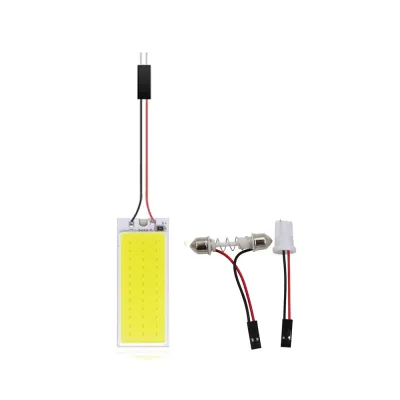
80 Lazada user ratings
Strong adhesive for secure fit, Bright white LED light, Bright white COB LED panel, Bright white COB LED panel, Easy to install with adapter…Read full reviewShow less
Strong adhesive for secure fit, Bright white LED light, Bright white COB LED panel, Bright white COB LED panel, Easy to install with adapters, Easy to install with adapters, Replace old car interior lights, Replace old car interior lights,
𝔹𝕣𝕚𝕘𝕙𝕥𝕟𝕖𝕤𝕤:𝔸𝕞𝕒𝕫𝕚𝕟𝕘 𝔻𝕦𝕣𝕒𝕓𝕚𝕝𝕚𝕥𝕪:𝕍𝕖𝕣𝕪 𝔻𝕦𝕣𝕒𝕓𝕝𝕖 ℂ𝕠𝕞𝕡𝕒𝕥𝕚𝕓𝕚𝕝𝕚𝕥𝕪:ℙ𝕖𝕣𝕗𝕖𝕔𝕥 𝕗𝕚𝕣 𝕞𝕒𝕘𝕒𝕟𝕕𝕒 𝕤𝕪𝕒 𝕒𝕟𝕘 𝕝𝕚𝕨𝕒𝕟𝕒𝕘 𝕥𝕝𝕘𝕒, 𝕗𝕠𝕣 𝕤𝕦𝕣𝕖 𝕠𝕠𝕣𝕕𝕖𝕣 𝕦𝕝𝕚𝕥 𝕒𝕜𝕠... 𝕤𝕒𝕪𝕒𝕟𝕘 𝕕𝕜𝕠 𝕟𝕒…Read full reviewShow less
𝔹𝕣𝕚𝕘𝕙𝕥𝕟𝕖𝕤𝕤:𝔸𝕞𝕒𝕫𝕚𝕟𝕘 𝔻𝕦𝕣𝕒𝕓𝕚𝕝𝕚𝕥𝕪:𝕍𝕖𝕣𝕪 𝔻𝕦𝕣𝕒𝕓𝕝𝕖 ℂ𝕠𝕞𝕡𝕒𝕥𝕚𝕓𝕚𝕝𝕚𝕥𝕪:ℙ𝕖𝕣𝕗𝕖𝕔𝕥 𝕗𝕚𝕣 𝕞𝕒𝕘𝕒𝕟𝕕𝕒 𝕤𝕪𝕒 𝕒𝕟𝕘 𝕝𝕚𝕨𝕒𝕟𝕒𝕘 𝕥𝕝𝕘𝕒, 𝕗𝕠𝕣 𝕤𝕦𝕣𝕖 𝕠𝕠𝕣𝕕𝕖𝕣 𝕦𝕝𝕚𝕥 𝕒𝕜𝕠... 𝕤𝕒𝕪𝕒𝕟𝕘 𝕕𝕜𝕠 𝕟𝕒𝕡𝕚𝕔𝕥𝕦𝕣𝕒𝕟 ...
Item received and installed it is great, thx seller highly recommended
Includes T10 and festoon adapters,
Low power consumption design,
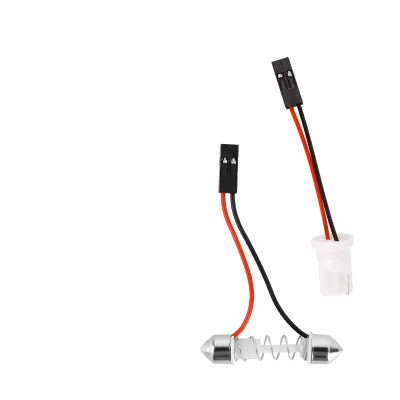
270 Lazada user ratings
mabait ung delivered very rider
Durable and energy efficient,
High brightness performance,
very poor,items not working
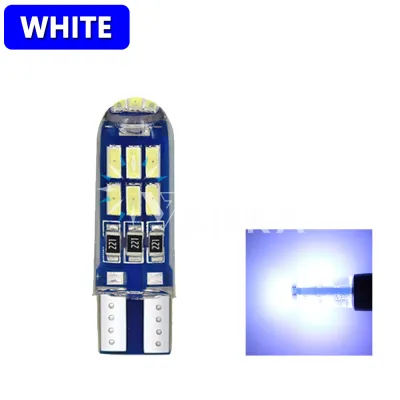
1,609 Lazada user ratings
Waterproof design is great, High-quality LED bulbs, Great for license plate lights, Impressive brightness, Durable silicone material, Easy t…Read full reviewShow less
Waterproof design is great, High-quality LED bulbs, Great for license plate lights, Impressive brightness, Durable silicone material, Easy to install, Adds a stylish touch to my car, Bright and vibrant colors,
Quality:10/9 Appearance:10/9 Performance:10/10 good good good salamat seller ,lazada , at kay kuya riders godbless you!!!!
ayos nman ung ice blue. hindi ko pa natry ung amber yellow kung babagay doon sa apat na munting ilaw ng kalabaw ko.
The way it looks i don’t see it being durable. I hope it still works even if it’s like what you see in the photo
mali nabili ko oks lang may spare na lang din. nice items and fast delivery. accommodating seller
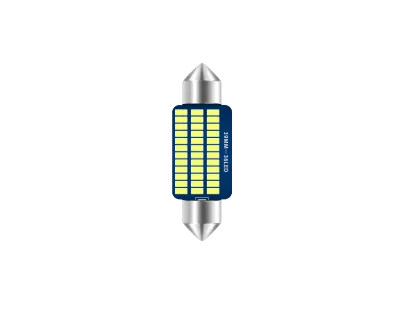
173 Lazada user ratings
Compatibility:To ensure the proper functioning and aesthetic appeal of your lighting fixtures, selecting the correct bulb size is of utmost …Read full reviewShow less
Compatibility:To ensure the proper functioning and aesthetic appeal of your lighting fixtures, selecting the correct bulb size is of utmost importance. It involves not only matching the dimensions of the bulb to fit the specific socket of your lamp or fixture but also considering the luminosity, energy efficiency, and color temperature that best suit your requirements. Durability:hope it will last Brightness:good
nice done light dome canbus lightist blue on ice cool in naked eyes the long wait is over. it's worth the wait
Ok naman maliwanag naman sna magtagal medyo mtagal lang dmating
nice item. but i made a mistake. i bought a wrong size.
Looks right Check later for working or no
2,065 Lazada user ratings
High-quality chipset ensures long-lasting performance., Impressive brightness for interior car lights., Great for license plate illumination…Read full reviewShow less
High-quality chipset ensures long-lasting performance., Impressive brightness for interior car lights., Great for license plate illumination., Xenon white color adds a modern touch., Easy to install and fits perfectly., fast shipping thank you so much seller
Super bright and energy-efficient!, Great for license plate illumination., Great for license plate illumination., High-quality chipset ensur…Read full reviewShow less
Super bright and energy-efficient!, Great for license plate illumination., Great for license plate illumination., High-quality chipset ensures long-lasting performance., Easy to install and fits perfectly.,
Xenon white color adds a modern touch., High-quality chipset ensures long-lasting performance., Impressive brightness for interior car light…Read full reviewShow less
Xenon white color adds a modern touch., High-quality chipset ensures long-lasting performance., Impressive brightness for interior car lights., thanks seller lazada and the rider...
Great for license plate illumination., Xenon white color adds a modern touch., High-quality chipset ensures long-lasting performance.,
Prices are valid at publication and may change. Please refer to the product page for the latest price.
Another critical factor is color temperature, measured in Kelvin (K). This rating determines the visual appearance of the light, ranging from warm yellow to cool blue. For automotive interiors, bulbs generally range from warm white (around 3000K) to cool white (6000K or higher). While cool white light often appears brighter to the human eye and provides sharp contrast, excessively high color temperatures (above 6500K) can introduce a harsh blue tint. This blue glare can cause significant eye strain during night driving and may reflect distractingly off the dashboard and windshield. Opting for a clean, neutral white light between 4000K and 5500K provides excellent perceived brightness and clarity while maintaining a comfortable cabin environment.
Features That Prevent Battery Drain and Electrical Issues
One of the primary concerns when upgrading to aftermarket LED lighting is the risk of parasitic battery drain. When your vehicle is turned off and locked, the electrical system does not shut down completely; a small amount of standby current continues to flow to maintain memory settings for the engine control unit, radio, and security systems. Poorly engineered LED bulbs with low-quality internal resistors can sometimes allow a tiny amount of current to bypass the switch, causing the bulb to glow faintly even when turned off, or slowly draining the battery over days of inactivity. High-quality LED dome lights are engineered with precise internal resistors that match the expected electrical load of the vehicle’s circuit, ensuring that the bulb shuts off completely and draws zero standby current when the switch is in the off position.

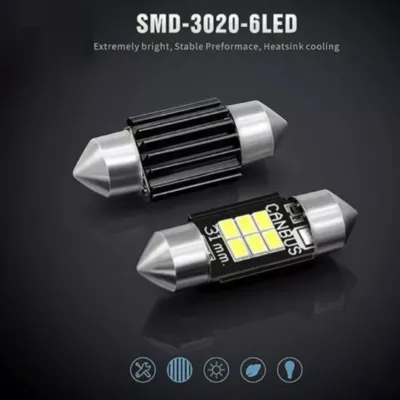
Modern vehicles are increasingly equipped with Controller Area Network Bus (CANBUS) systems, which monitor the electrical resistance of various circuits to detect burnt-out bulbs. Because LED bulbs draw significantly less current than original halogen bulbs, a standard LED can trick the CANBUS system into thinking the bulb has failed. This often results in annoying dashboard error warnings, rapid flickering, or the vehicle’s computer cutting power to the circuit entirely. CANBUS-compatible LED dome lights feature integrated load resistors that simulate the electrical resistance of a standard halogen bulb. This prevents error codes and ensures stable, flicker-free operation. However, because these resistors dissipate the excess energy as heat, it is vital to choose bulbs with high-quality heat sinks to prevent localized overheating.
Effective thermal management is essential for preserving both the lifespan of the LED and the integrity of your car’s interior fixtures. Unlike halogens, which emit heat forward as infrared radiation, LEDs conduct heat backward into their base and circuit board. In tropical climates, where cabin temperatures can soar when parked under the sun, this heat buildup is amplified. Look for LED dome lights constructed with aluminum substrates or integrated metal heat sinks, which efficiently draw heat away from the delicate diodes. Additionally, many modern vehicles feature automatic interior light shut-off timers managed by the body control module. Ensuring your vehicle’s factory delay system remains compatible with your new LEDs provides an extra layer of protection against accidental battery drain if a door is left slightly ajar.
Matching Bulb Sizes and Bases to Your Vehicle
Before purchasing any LED upgrade, you must verify the exact physical dimensions and base type required for your vehicle’s dome light housing. Automotive interior bulbs come in several distinct configurations, and assuming compatibility based solely on a vehicle category can lead to purchasing errors or electrical damage. The most common dome light configurations include Festoon bulbs, which are cylindrical with metal caps on both ends, and wedge-style bulbs like the 194 or T10. Festoon bulbs are further categorized by their length, typically ranging from 31mm to 41mm (such as the DE3175 or DE3022). Even a difference of two millimeters can prevent a bulb from fitting securely between the metal spring contacts of your dome light housing.
To ensure a perfect match, always consult your vehicle owner’s manual or use a reputable online vehicle fitment guide as a starting point. However, the most reliable method is to physically remove the existing dome light cover and extract the stock bulb. Measure the length of a Festoon bulb from end to end with a caliper or ruler, and inspect the markings printed on the base of the bulb. This physical verification also allows you to inspect the condition of the metal contacts inside the housing. In humid environments, these contacts can accumulate corrosion or oxidation over time, which increases electrical resistance and can cause new LED bulbs to flicker or fail prematurely. Cleaning the contacts gently with a specialized electrical contact cleaner before installation is highly recommended.
Under no circumstances should you attempt to force an incorrect bulb size into the housing or bend the metal contacts excessively to accommodate a mismatched bulb. Forcing a wedge bulb into a slot designed for a different base, or stretching the spring clips of a Festoon housing, can crack the plastic mounting bracket or cause the positive and negative contacts to touch. This direct short circuit will instantly blow the interior lighting fuse when power is applied, and in worse cases, it can damage the vehicle’s wiring harness or body control module. If an LED bulb does not slide smoothly into place with minimal resistance, stop the installation immediately and re-verify the bulb’s part number against your vehicle’s specifications.
Choosing the Right LED Specifications by Use Case
General Cabin Illumination
For the main dome light that illuminates the entire passenger cabin, your primary goal is wide-angle, uniform light distribution. A bulb that projects a narrow, intense spotlight will create harsh shadows and make it difficult to see the footwells or rear seats. Look for multi-directional SMD LED bulbs or COB panels that offer a 360-degree or wide 180-degree beam angle. A moderate brightness level of 100 to 200 lumens is generally sufficient for general cabin illumination. This provides ample light to locate items or buckle seatbelts without being so bright that it temporarily blinds the driver or passengers when turned on at night.
Map and Reading Lights
Map and reading lights, typically located near the rearview mirror or above the passenger doors, require a different approach. These lights are designed for localized tasks, such as reading a physical map or checking documents, and must be used without distracting the driver. For these positions, select directional LED bulbs with a focused beam angle (around 30 to 60 degrees) that directs light straight down onto the passenger’s lap. A color rendering index (CRI) of 80 or higher is beneficial here, as it helps you distinguish colors and text more clearly. Ensure the light is positioned so that it does not reflect off the windshield or create a distracting glare in the rearview mirror.
Cargo and Trunk Areas
The trunk or rear cargo area of an SUV, hatchback, or utility vehicle often suffers from poor factory lighting, making it difficult to load or unload gear in the dark. This is an area where you can safely opt for higher-lumen LED upgrades, ranging from 200 to 400 lumens, to cut through the darkness. Because cargo lights are typically used for shorter durations while the vehicle is stationary, the slightly higher power draw of a brighter bulb is less of a concern. However, if you frequently leave your trunk or tailgate open for extended periods—such as during outdoor activities or loading cargo—be mindful of the cumulative power draw. Even highly efficient LEDs can eventually drain a battery if left illuminated for several hours without the engine running to charge the system.
Safe Installation Practices and Electrical Boundaries
Working on your vehicle’s electrical system, even for a simple bulb replacement, requires strict adherence to safety protocols to prevent personal injury or damage to the vehicle. Before you begin, ensure that the vehicle’s ignition is completely turned off, the keys are removed, and the dome light switch is set to the “off” position. For an added layer of safety, especially on modern vehicles with sensitive electronic control units, disconnecting the negative terminal of the car battery is highly recommended. This simple step eliminates the risk of accidental short circuits if your metal removal tool slips and contacts a live terminal inside the light housing.
Unlike traditional halogen bulbs, which can be inserted in any direction, LEDs are polar devices. This means they have distinct positive (+) and negative (-) terminals and will only function when installed in the correct orientation. If you install your new LED dome light and find that it does not illuminate when switched on, do not panic or attempt to force the connection. Simply remove the bulb, rotate it 180 degrees, and reinsert it into the housing. Most high-quality LED bulbs are designed with polarity protection to prevent damage if they are installed backward initially, but verifying the orientation gently is key to a successful installation.
Finally, always recognize the limits of DIY installation. If you encounter a situation where the new LED bulb does not fit despite matching the catalog specifications, or if your vehicle utilizes a complex, multiplexed fiber-optic or low-voltage lighting system, do not attempt to splice wires or modify the factory housing. Modifying original wiring can void vehicle warranties, compromise safety systems, and lead to expensive electrical failures. If the installation requires any cutting, soldering, or bypassing of factory relays, stop immediately and consult a qualified professional automotive electrician. They have the specialized diagnostic tools and schematics required to safely integrate aftermarket lighting into your vehicle’s specific electrical architecture.
Frequently Asked Questions (FAQ)
Will leaving an LED dome light on overnight drain my car battery?
While an LED dome light draws significantly less power than a traditional halogen bulb, leaving it on overnight can still drain your car battery, depending on several variables. A standard halogen dome light typically draws around 5 to 10 watts of power, which can easily drain a healthy car battery in 12 to 24 hours. In contrast, an equivalent LED bulb usually draws only 1 to 2 watts. While this drastically reduces the rate of discharge, a battery that is already aged, partially discharged, or subjected to extreme ambient temperatures may still struggle to start the engine the next morning. Additionally, other vehicle systems that remain awake when the interior lights are active can contribute to the overall parasitic drain, making it essential to always double-check that all doors are closed and lights are off before leaving your vehicle.
Do I need CANBUS-compatible LEDs for my dome lights?
Whether you need CANBUS-compatible LEDs depends entirely on your vehicle’s make, model, and year. Most European vehicles and many modern American and Asian models utilize a CANBUS system to monitor the electrical resistance of the lighting circuits. If you install a standard LED bulb in a CANBUS-equipped vehicle, the system will detect the extremely low power draw and assume the bulb is burnt out, triggering a warning light on your dashboard or causing the light to flicker rapidly. If your vehicle’s dashboard displays warnings for other burnt-out bulbs, or if your interior lights are controlled by a central body control module, you will likely need CANBUS-compatible LEDs. For older vehicles with simple, direct-switched 12V circuits, standard non-CANBUS LED bulbs will function perfectly without any issues.
Community discussion
Share your experience or ask a question. Comments are reviewed before publication.