
The Honda TMX 125 is widely recognized as the backbone of Philippine public transport and light logistics. Whether navigating busy urban streets or hauling heavy loads in rural barangays, this motorcycle relies on a robust engine support system to keep its single-cylinder powerplant securely anchored to the frame. Selecting the right replacement engine support is not just a matter of finding a part that looks similar; it requires a systematic evaluation of physical dimensions, material composition, and the specific demands of your daily riding.
Before purchasing any engine support component, keep this quick checklist in mind to ensure a safe, durable, and precise fitment:
- Exact Model Compatibility: Confirm whether your motorcycle is a TMX 125 Alpha or a TMX 125 Supreme, as their frame designs and mounting configurations are not identical.
- Component Type: Identify whether you need the top engine hanger plates, lower chassis brackets, or the rubber damper cushions.
- Material Grade: Choose between flexible rubber for vibration isolation or reinforced polyurethane/heavy-duty steel for heavy-duty commercial applications.
- Load-Bearing Capacity: Ensure the metal thickness and bushing construction can handle the additional weight if your bike is used for a tricycle or tricab conversion.
- Dimension Verification: Always measure the bolt hole diameters and spacing on your existing mounts before finalizing your purchase from an authorized dealer or online marketplace.
Identifying Your Exact TMX 125 Model and Mount Type
The Honda TMX 125 has evolved through different generations, most notably the classic TMX 125 Supreme and the modern TMX 125 Alpha. While they share the legendary reliability of the Honda overhead valve (OHV) engine family, their structural frames and engine mounting geometries have key differences.
Products mentioned in this guide
Prices are valid at publication and may change. Please refer to the product page for the latest price.
The TMX 125 Alpha features a frame design optimized for emissions compliance and updated electrical layouts, which altered the placement and shape of the upper engine hangers compared to the older Supreme models. Attempting to force a Supreme hanger onto an Alpha frame can result in severe misalignment, placing dangerous structural stress on both the steel frame and the aluminum engine crankcase.
To find the exact part you need, it helps to understand the local and technical terminology used by mechanics and parts suppliers in the Philippines:
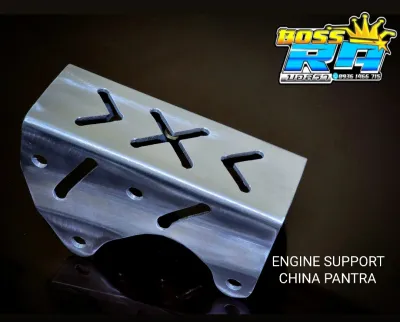
- Top Engine Hanger (Hanger Plate): These are the flat steel plates that connect the upper portion of the engine—typically near the cylinder head—to the main backbone of the motorcycle frame. They prevent the engine from rocking back and forth under acceleration.
- Lower Engine Brackets: These heavy-duty steel brackets anchor the rear and bottom of the engine crankcase to the lower frame cradle. They bear the primary weight of the engine and resist the rotational torque generated by the drive chain.
- Engine Rubber Mounts (Cushions or Bushings): These are the rubber-and-metal inserts pressed into the mounting eyes of the engine or the brackets. Their sole purpose is to isolate the high-frequency vibrations of the engine, preventing them from transferring directly to the frame, handlebars, and footpegs.
Locating the correct replacement parts begins with finding the Original Equipment Manufacturer (OEM) part numbers. You can find these in the official Honda TMX 125 parts catalog or by consulting an authorized dealer. If you do not have access to the parts manual, or if your motorcycle has undergone custom frame modifications for a sidecar, you must manually measure the existing mounts.
Use a digital vernier caliper to measure the thickness of the hanger plates, the inner and outer diameters of the rubber bushings, and the exact center-to-center distance between the bolt holes. Never rely on visual estimation alone, as a difference of just one millimeter can prevent a bolt from sliding through or cause the engine to sit crookedly in the frame.
Key Specifications and Compatibility Factors to Verify
When evaluating replacement engine supports, precision is your highest priority. The engine of a TMX 125 is a stressed member of the chassis, meaning the frame relies on the engine block itself to maintain structural rigidity. If your replacement mounts do not fit perfectly, you risk introducing severe torsional stress to the entire motorcycle.

Bolt Hole Spacing and Diameter
The bolt holes on the engine support must align perfectly with the mounting tabs on the motorcycle frame and the mounting holes on the engine crankcase. If the spacing is off by even a fraction of a millimeter, you will be forced to pry or hammer the mounting bolts into place. This forced installation creates constant, static tension on the aluminum engine casing. Over time, the combination of this static tension and the intense vibrations of the single-cylinder engine can cause the aluminum mounting ears on the crankcase to crack or snap entirely, leading to catastrophic engine damage and expensive repairs.
Load Rating and Metal Thickness
The physical dimensions of the metal brackets are directly tied to their load-bearing capacity. Standard commuter motorcycles can perform reliably with relatively thin, lightweight steel hangers. However, in the Philippines, many TMX 125 units are converted into passenger tricycles, cargo haulers, or customized utility vehicles. These conversions subject the motorcycle frame to severe lateral (sideways) forces that the original engineers never anticipated. If you are operating a tricycle conversion, you must verify that the replacement brackets are constructed from heavy-gauge steel—ideally 4.5mm to 6.0mm thick—to prevent the brackets from bending or twisting under heavy payloads.
OEM vs. Aftermarket Fitment
While aftermarket parts are often more affordable and widely available in local motorcycle shops, they require close inspection to ensure they meet original manufacturing tolerances. One critical detail to check is the presence of a seamless steel inner sleeve within the rubber cushions. High-quality OEM and premium aftermarket mounts feature a steel sleeve chemically bonded to the inner bore of the rubber bushing. This sleeve acts as a physical stop for the mounting bolt. Without this metal sleeve, tightening the engine bolt to its specified torque will simply crush and deform the rubber, destroying its vibration-dampening properties and causing the mount to fail within a few weeks of installation.
Evaluating Material Quality and Durability
The longevity of your new engine support depends heavily on the materials used in its construction. Because the engine support is constantly exposed to engine heat, road debris, rain, and oil spills, low-grade materials will degrade rapidly, forcing you to repeat the replacement process prematurely.
Rubber Compounds vs. Polyurethane (PU)
The choice of bushing material is a trade-off between rider comfort and structural durability. Standard rubber compounds are excellent at absorbing and dispersing the high-frequency vibrations produced by the TMX 125 engine, ensuring a smooth and comfortable ride that reduces rider fatigue. However, rubber is sensitive to environmental factors; constant exposure to engine oil, chain lube, gasoline, and the intense tropical heat of the Philippines will cause rubber to soften, swell, and eventually crack. Polyurethane (PU) bushings, on the other hand, are virtually impervious to oils and automotive chemicals, offer significantly higher load-bearing capacity, and do not degrade under extreme heat. The trade-off is that polyurethane is much stiffer than rubber, meaning it will transfer more engine vibration directly to the frame and handlebars.
Metal Bracket and Hanger Quality
The steel portions of the engine support must be built to withstand both physical stress and environmental corrosion. When shopping for brackets, examine the finish carefully. In the humid, salty air of coastal regions in the Philippines, bare or poorly painted steel will rust within months. Look for supports that feature a thick, uniform powder-coated finish or heavy electro-galvanized plating. Additionally, inspect any welded joints on the brackets. The weld beads should be smooth, continuous, and wide, with no signs of porosity (tiny holes), undercut, or slag inclusions. A cracked or uneven weld is a major structural weak point that can easily fail under the stress of daily riding.
Visual Inspection Tips for Buyers
When inspecting a potential purchase at a local shop, look for these common red flags that indicate low-quality manufacturing:
- Uneven Rubber Molding: The rubber portion of the bushing should be perfectly centered within the metal outer shell, with no gaps, air bubbles, or ragged edges.
- Rough Metal Stamping: High-quality brackets have clean, deburred edges. Rough, sharp edges on a metal bracket can cut into nearby wiring harnesses or control cables, causing electrical shorts.
- Poorly Tapped Threads: If the bracket has integrated threaded holes, inspect the threads to ensure they are clean, deep, and free of metal shavings. Poor threads will strip easily when you torque the mounting bolts.
- Missing Alignment Marks: Premium replacement parts often feature stamped alignment marks or directional arrows to guide the installer during positioning.
Matching the Engine Support to Your Riding Needs
Every TMX 125 owner uses their motorcycle differently, meaning a mount that works perfectly for a daily commuter might fail rapidly on a commercial cargo tricycle. To get the best value and performance, you should select an engine support tailored to your specific riding scenario.
Daily Commuting and Light Passenger Loads
If you use your TMX 125 primarily for personal commuting, traveling to work, or running light errands on paved city roads, your priority should be ride comfort. For this application, standard OEM-equivalent rubber engine mounts are highly recommended. They provide the best balance of structural support and vibration isolation, keeping your hands, feet, and seat isolated from the engine’s natural buzz. This ensures a comfortable ride even during long hours navigating heavy city traffic.
Heavy Hauling and Commercial Tricycle Operations
For tricycle drivers, delivery riders, and those carrying heavy agricultural goods or cargo, durability and structural rigidity are paramount. Under these extreme conditions, standard rubber mounts will quickly deform, allowing the engine to tilt or shift under load. This shifting can misalign the drive chain, leading to rapid sprocket wear or a thrown chain, which is highly dangerous. For commercial use, look for heavy-duty, reinforced steel brackets paired with high-durometer polyurethane bushings. While this setup will increase the vibration felt through the handlebars, it keeps the engine perfectly aligned and prevents the frame from twisting under heavy payloads.
Restoration Projects
If you are restoring a classic TMX 125 to its original factory condition, sourcing genuine OEM parts from authorized Honda dealers is the best course of action. Genuine parts ensure that the motorcycle retains its original factory specifications, ride characteristics, and aesthetic appeal. While OEM parts may carry a higher price tag than aftermarket alternatives, their precise fitment and guaranteed material quality preserve the long-term value and authenticity of your motorcycle.
Installation Safety and Professional Boundaries
Replacing an engine support is a critical maintenance task that directly affects the structural integrity and safety of your motorcycle. Before attempting this repair, you must understand the safety boundaries and technical requirements involved.
First and foremost, never attempt to remove any engine mounting bolts while the engine is unsupported. The engine block is heavy and represents a significant portion of the motorcycle’s overall weight. Before loosening a single nut, you must place the motorcycle on its center stand on flat, level ground, and securely support the bottom of the engine crankcase using a dedicated motorcycle jack or a heavy-duty adjustable scissor jack. Place a block of wood between the jack and the aluminum crankcase to distribute the weight and prevent scratching or cracking the metal.
When installing the new engine support, always refer to the official Honda service manual for the exact torque specifications of each bolt. Aluminum engine casings are relatively soft and can easily be stripped if you over-tighten the steel mounting bolts. Conversely, under-tightened bolts can vibrate loose over time, causing the engine to shift while riding, which can lead to a sudden loss of control or severe mechanical damage. Use a calibrated click-type torque wrench to ensure every bolt is tightened to the precise factory specification.
Finally, know when to stop and seek professional help. If you remove the old mounts and discover that the mounting tabs on the motorcycle frame are bent, cracked, or ovalized from running with loose bolts, do not attempt to force the new support into place. A misaligned frame requires professional alignment jigs and expert welding to repair safely. Similarly, if the threads inside the engine crankcase are stripped, you will need a qualified motorcycle mechanic to install a professional thread repair insert, such as a Helicoil. Forcing a mismatched or modified part to fit can compromise your safety on the road.
Frequently Asked Questions (FAQ)
Can I use a TMX 125 Supreme engine mount on a TMX 125 Alpha?
While some lower rubber cushions might share similar dimensions, the top engine hangers and specific frame brackets usually differ due to variations in engine casing design and frame geometry. The TMX 125 Alpha features an updated frame layout to accommodate its modern components, meaning the mounting plates are shaped differently than those of the older Supreme. Attempting to swap them can cause severe misalignment and put dangerous stress on the engine casing. Always verify the exact OEM part number for your specific model year rather than assuming cross-compatibility.
How often should I replace the engine rubber mounts?
There is no fixed mileage interval for replacing engine rubber mounts, as their lifespan depends heavily on your payload, road conditions, and exposure to environmental elements. Instead, perform regular visual inspections. You should replace the mounts immediately if you observe signs of physical failure, such as visible cracking or tearing in the rubber, separation of the inner steel sleeve, excessive engine movement when revving, or a distinct clunking noise during acceleration or braking.
Will a stiffer engine support reduce vibration?
No, a stiffer engine support will actually increase the transfer of engine vibration to the motorcycle frame, handlebars, and footpegs. Stiffer materials, such as high-durometer polyurethane or solid metal bushings, are designed to reduce physical engine movement and prevent frame flex under heavy loads, which is highly beneficial for commercial hauling. However, they do not isolate high-frequency vibrations as effectively as soft, high-quality OEM-equivalent rubber compounds.
Community discussion
Share your experience or ask a question. Comments are reviewed before publication.