
Choosing the right full synthetic engine oil is one of the most critical maintenance decisions you can make for your vehicle’s longevity. When comparing ENI 5W-30 against major global competitors like Shell, Castrol, and Motul, there is no single universal winner. The ideal choice depends entirely on your vehicle manufacturer’s exact specifications, your typical driving environment, and your budget. Rather than relying on marketing slogans, making an informed decision requires a systematic look at industry certifications, original equipment manufacturer (OEM) approvals, and product authenticity.
In tropical climates like the Philippines, engine oil faces unique challenges. High ambient temperatures, intense humidity, and prolonged idling in heavy stop-and-go city traffic place immense thermal stress on your engine. Under these severe operating conditions, a high-quality 5W-30 full synthetic oil acts as a vital shield, preventing premature wear, managing heat, and keeping internal components clean. By understanding how each brand positions its products and matching their technical specifications to your owner’s manual, you can confidently select the oil that keeps your engine running smoothly.
Understanding 5W-30 Viscosity and Full Synthetic Baselines
The alphanumeric code “5W-30” represents the oil’s viscosity grade, which is a measure of its resistance to flow at specific temperatures. The “5W” portion denotes the oil’s low-temperature viscosity, where the “W” stands for winter. Even though freezing winter temperatures do not occur in tropical regions, this cold-start rating remains highly relevant. When your vehicle sits idle overnight, the engine oil drains back into the oil pan. Upon startup, the oil must flow rapidly to reach the overhead camshafts and valve train to prevent dry metal-on-metal friction. A lower number before the “W” indicates that the oil remains fluid and circulates quickly during those critical first few seconds of engine operation.
Products mentioned in this guide
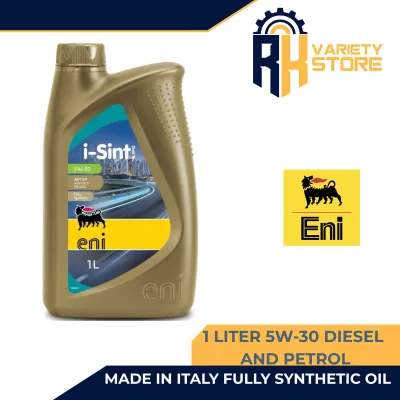
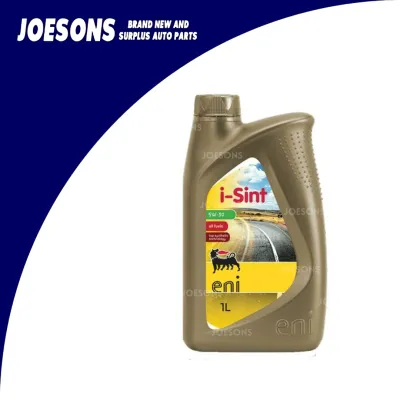
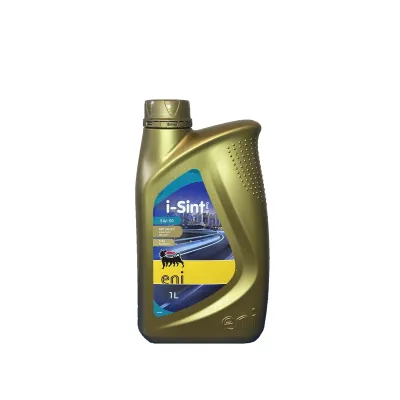
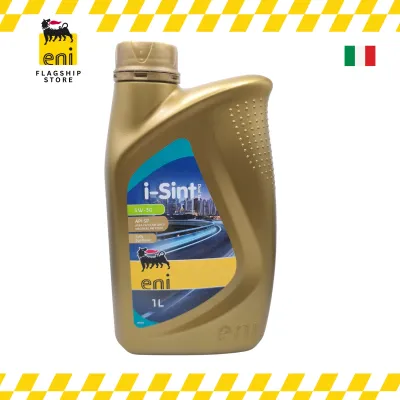
Prices are valid at publication and may change. Please refer to the product page for the latest price.
The “30” portion of the rating indicates the oil’s kinematic viscosity at 100°C, which is the standard operating temperature of a fully warmed-up engine. A 30-weight oil is engineered to maintain a robust protective film over moving parts under normal operating loads while minimizing internal fluid drag. This balance helps optimize fuel efficiency without sacrificing wear protection. For many modern passenger cars, SUVs, and light commercial vehicles, 5W-30 has become the default viscosity recommended by manufacturers to balance protection and efficiency.
Full synthetic oils serve as the baseline for this comparison because they offer significant advantages over conventional mineral oils and semi-synthetic blends. Synthesized from highly refined base stocks, full synthetics feature uniform molecular structures that resist breaking down under extreme heat. This thermal stability prevents the formation of harmful sludge and varnish deposits inside your engine. Additionally, full synthetics exhibit lower volatility, meaning they are less prone to evaporating under high operating temperatures, which helps reduce oil consumption between service intervals.
Before purchasing any engine oil, you must verify that 5W-30 is an approved viscosity grade for your specific vehicle model, year, and engine type. This information is always located in your vehicle owner’s manual. Using an incorrect viscosity grade can lead to inadequate lubrication, increased wear, or reduced fuel economy, and may even trigger dashboard warning lights in modern vehicles equipped with variable valve timing systems.
Brand Positioning: ENI, Shell, Castrol, and Motul
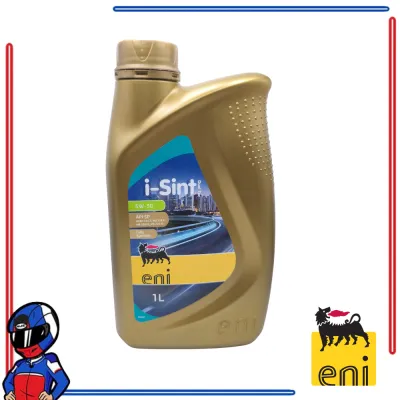
ENI, formerly known globally as Agip, is an Italian multinational energy company with a deep heritage in automotive lubricants. Its 5W-30 full synthetic offerings, typically found under the i-Sint product family, are highly regarded for their alignment with stringent European automotive standards. ENI focuses heavily on securing official approvals from major European manufacturers such as Volkswagen, Audi, BMW, and Mercedes-Benz. Their formulations emphasize long-term shear stability and robust wear protection, making them an excellent match for European imports and modern turbocharged engines that require precise oil chemistry.

Shell is a dominant force in the global lubricant market, with widespread retail availability across service stations and auto supply shops. Its premium 5W-30 synthetic oils, such as the Helix Ultra range, often feature proprietary gas-to-liquid technology, which refines base oil from natural gas rather than crude oil. This process results in an extremely pure base fluid that is highly resistant to degradation. Shell positions its products around active engine cleansing and sludge prevention, making them highly suitable for daily-driven vehicles that navigate congested urban roads and require consistent, reliable protection.
Castrol is a household name with a diverse portfolio of synthetic lubricants designed for various driving demands. Their 5W-30 synthetic lines, including Castrol EDGE and Magnatec, are engineered to address specific engine stressors. Castrol EDGE focuses on fluid strength under extreme pressure, utilizing additives designed to reduce metal-to-metal contact when engine loads peak. Castrol also offers specialized high-mileage synthetic formulations containing seal conditioners, making the brand highly versatile for drivers looking to protect older vehicles or those with significant mileage.
Motul is a French lubricant specialist with a prestigious reputation in motorsport and high-performance tuning. Their 5W-30 synthetic oils, such as the 8100 series or the specialized 300V racing line, often incorporate advanced ester technology and premium synthetic base stocks. Motul positions its products at the premium end of the market, focusing on maximum thermal stability, high shear resistance, and exceptional film strength under extreme operating temperatures. This makes Motul a preferred choice for automotive enthusiasts, modified vehicles, and high-performance sports cars that demand the highest level of protection under heavy loads.
It is important to remember that brand reputation is only a general guide. Each of these manufacturers produces multiple distinct product lines under the 5W-30 viscosity grade, each formulated with different additive packages to meet different standards. You must always inspect the physical bottle’s label to confirm the exact product name and technical specifications rather than assuming all 5W-30 oils from a single brand are identical.
Key Decision Factors for Your Vehicle
To choose the right 5W-30 oil, you must first look at the industry standards and OEM approvals printed on the back of the bottle. The American Petroleum Institute (API) and the European Automobile Manufacturers’ Association (ACEA) define the performance baselines. For modern gasoline engines, look for the latest API SP rating, which provides enhanced protection against low-speed pre-ignition in turbocharged direct-injection engines. If you drive a diesel vehicle or a European car, pay close attention to ACEA sequences such as A3/B4 for high-performance engines or C3 for vehicles equipped with exhaust aftertreatment systems like diesel particulate filters. Always match these codes exactly with the requirements listed in your owner’s manual.
Your typical driving conditions play a major role in determining which oil formulation is best suited for your vehicle. If your daily commute consists of short trips, frequent idling, and stop-and-go traffic in hot, humid weather, your engine oil is subjected to severe operating conditions. These conditions accelerate oil oxidation and moisture accumulation. In this scenario, choosing an oil with strong detergent properties and high thermal stability, such as premium offerings from Shell or Castrol, can help prevent deposit buildup. If you frequently drive on open highways or carry heavy loads, an oil with high shear resistance, like Motul or ENI, will maintain its protective thickness more effectively.
Vehicle age and mileage are also critical considerations. As engines age, internal rubber seals and gaskets can become dry, brittle, and prone to shrinking, leading to minor oil leaks or oil consumption. If your vehicle has accumulated significant mileage, look for a 5W-30 synthetic oil specifically formulated for high-mileage engines. These oils contain specialized seal conditioners that help restore elasticity to gaskets, reducing leaks and minimizing oil consumption. If your engine is relatively new or low-mileage, a standard premium full synthetic oil will provide optimal protection.
Finally, product availability and authenticity must never be overlooked. The market contains counterfeit engine oils that lack the necessary additives and base oil quality, which can lead to severe engine damage. To protect your vehicle, always purchase engine oil from authorized distributors, official brand flagship stores on reputable online marketplaces, or well-established local auto supply shops. Inspect the packaging carefully for security features such as holographic labels, QR codes for authenticity verification, and intact tamper-evident caps.
Evaluating Price and Value
When comparing the cost of these four brands, you will find distinct differences in market positioning. Motul generally commands a premium price due to its specialized high-performance formulations and imported status. Shell and Castrol offer a broader range of price points, with entry-level synthetic options that are highly competitive alongside premium lines that carry a higher price tag. ENI’s pricing typically sits in the mid-to-high range, depending on local import channels, often presenting a cost-effective alternative for European car owners who require specific manufacturer approvals without paying boutique brand prices.
To determine the true value of an engine oil, calculate the cost per liter rather than looking solely at the total price of a 4-liter or 1-liter bottle. Additionally, factor in your vehicle’s recommended oil change interval. A premium full synthetic oil that safely maintains its protective properties over a longer manufacturer-recommended interval offers better long-term value than a cheaper oil that degrades quickly and requires more frequent changes, which increases both lubricant and labor costs over time.
Be highly cautious of suspiciously cheap engine oil deals, especially on online marketplaces. If the price of a premium brand is significantly lower than the average retail price at authorized dealers, it is highly likely to be a counterfeit product or old stock that has been stored improperly. Always compare prices in ₱ across multiple authorized physical and online retailers to establish a realistic market baseline before making your purchase.
Conditional Selection Guide
To simplify your decision, you can use a conditional framework based on your vehicle’s specific requirements and your driving habits. Choose ENI if you own a European vehicle that requires specific manufacturer approvals (such as VW 504.00/507.00 or BMW Longlife-04) and you want a high-quality, European-formulated oil that offers excellent value and reliable wear protection.
Choose Shell or Castrol if you prioritize widespread retail availability, competitive pricing, and reliable everyday protection for a standard passenger car or SUV. These brands are highly accessible and offer excellent API SP and ILSAC GF-6 formulations that are perfect for daily commuting, stop-and-go city traffic, and standard maintenance schedules.
Choose Motul if you drive a high-performance vehicle, a modified car, or a modern European model where you demand the absolute highest level of thermal stability and shear resistance under extreme driving conditions, and you are comfortable paying a premium price for advanced synthetic technology.
Regardless of which brand you lean toward, the first and most critical step is to consult your vehicle’s owner’s manual to verify compatibility. If your vehicle is still under warranty, using an oil that does not carry the exact OEM-approved specification can void your coverage. If you are performing an oil change yourself, ensure you follow proper safety protocols, use a high-quality replacement oil filter, and dispose of the used oil responsibly at an authorized collection center. If you are unsure about the correct specification or the installation process, always seek the assistance of a qualified professional mechanic.
Frequently Asked Questions (FAQ)
Can I mix ENI 5W-30 with other brands?
As a general rule, automotive engineers and lubricant manufacturers advise against mixing different brands of engine oil. Each manufacturer uses a unique, proprietary blend of base oils and chemical additives designed to work together harmoniously. Mixing different brands can disrupt this chemical balance, potentially reducing the oil’s overall effectiveness, wear protection, or lifespan. In an emergency situation where your oil level is dangerously low, it is far better to top up with any clean 5W-30 synthetic oil than to run the engine dry. However, if you must mix brands to get home, you should schedule a complete oil and filter change as soon as possible to flush the system and restore optimal protection.
How do I determine the correct oil change interval?
The correct oil change interval is determined by your vehicle manufacturer’s guidelines, which are detailed in your owner’s manual. While full synthetic oils are highly durable, they do not last indefinitely. Most manufacturers recommend an interval of 10,000 kilometers or 12 months under normal driving conditions. However, if you frequently drive in severe conditions—such as extreme tropical heat, heavy stop-and-go traffic, dusty environments, or frequent short trips where the engine does not reach full operating temperature—you must shorten this interval. Under severe conditions, changing your oil every 5,000 kilometers or 6 months is often recommended to prevent accelerated oil degradation and protect internal components.
Will switching brands void my vehicle warranty?
Switching engine oil brands will not void your vehicle’s manufacturer warranty, provided that the new oil meets the exact viscosity grade and the specific OEM approvals or industry standards required by your vehicle’s manufacturer. Under consumer protection laws, a manufacturer cannot void your warranty simply because you chose an aftermarket lubricant, as long as that lubricant meets their technical requirements. To safeguard your warranty, always keep the purchase receipts for the oil and filter, along with detailed service invoices from the workshop, to prove that the vehicle was serviced using compliant products at the correct intervals.
Community discussion
Share your experience or ask a question. Comments are reviewed before publication.