
Choosing the right engine oil is one of the most critical decisions you can make to ensure the longevity, efficiency, and performance of your vehicle’s engine. When comparing premium lubricants like eni 5w30 fully synthetic oil against industry giants such as Shell, Castrol, and Motul, there is no single universal winner. The ideal choice depends entirely on your vehicle’s specific engine requirements, your daily driving habits, and the demanding environmental conditions of your local climate.
In tropical environments like the Philippines, where engines must constantly endure intense ambient heat, high humidity, and severe stop-and-go traffic, the demands placed on motor oil are exceptionally high. Each of these four brands approaches engine protection through a distinct engineering philosophy. ENI focuses heavily on strict European OEM compliance and factory-fill standards; Shell prioritizes active engine cleansing and base oil purity; Castrol emphasizes robust mechanical protection under physical stress; and Motul targets high thermal stability and performance endurance. To make the correct choice, you must align these proprietary additive strengths with your vehicle manufacturer’s exact specifications.
Why ENI 5W-30 Fully Synthetic and Its Competitors Matter for Your Engine
To understand why these premium oils command a higher price point, it is necessary to break down what the “5W-30” viscosity rating and “fully synthetic” designation actually mean for your engine’s daily operation. The alphanumeric code represents a multi-grade viscosity rating established by the Society of Automotive Engineers (SAE). The “5W” component indicates the oil’s low-temperature flow characteristics, with the “W” standing for winter. In cold-start scenarios, a lower number before the W means the oil remains fluid at lower temperatures, allowing it to pump quickly through the engine block to lubricate critical components within the first few seconds of ignition.
Products mentioned in this guide
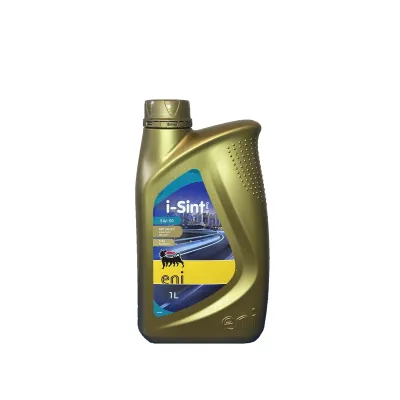
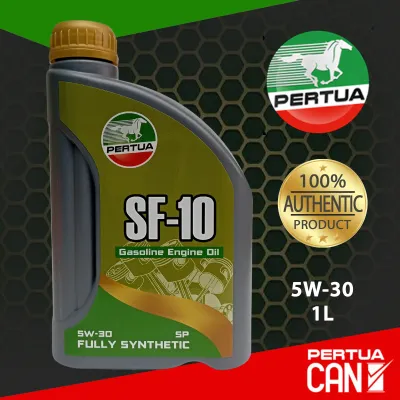
Prices are valid at publication and may change. Please refer to the product page for the latest price.
The “30” portion of the rating represents the oil’s kinematic viscosity at 100°C, which is the standard operating temperature for most passenger car engines. At this elevated temperature, the oil must remain thick enough to maintain a continuous, protective hydrodynamic barrier between rapidly moving metal parts, such as the crankshaft, pistons, and camshaft. If the oil becomes too thin under heat, metal-to-metal contact occurs, leading to accelerated wear, friction, and eventual component failure. Conversely, if it is too thick, the engine must work harder to pump the fluid, reducing fuel efficiency and increasing internal operating temperatures.
Fully synthetic oils differ fundamentally from conventional mineral oils and semi-synthetic blends in their molecular structure. Mineral oils are refined directly from crude oil and contain natural impurities, uneven molecular sizes, and wax compounds that degrade quickly under heat. Fully synthetic oils are synthesized from highly purified chemical compounds, typically categorized into Group III (hydrocracked mineral oil processed to a synthetic standard), Group IV (polyalphaolefins, or PAO), and Group V (esters and other synthetics). This synthesis results in uniform molecular structures that provide superior shear stability, lower volatility, and exceptional resistance to thermal oxidation.
For drivers operating in tropical climates, these physical properties are invaluable. High ambient temperatures accelerate oil oxidation, a chemical reaction that thickens the oil, creates harmful acids, and forms sludge. Fully synthetic formulations resist this breakdown far longer than conventional oils, ensuring the engine remains protected even during prolonged idling in urban gridlock. Because all four brands utilize high-quality synthetic base stocks to achieve these baseline traits, the true performance differences lie in their proprietary additive packages and specialized refining technologies.
Brand Technologies and Formulation Focus
To differentiate their products in a highly competitive market, each lubricant manufacturer has developed unique chemical technologies designed to address specific engine vulnerabilities. Understanding these proprietary formulations allows you to choose an oil tailored to your vehicle’s mechanical design.

ENI: OEM Specifications and European Standards
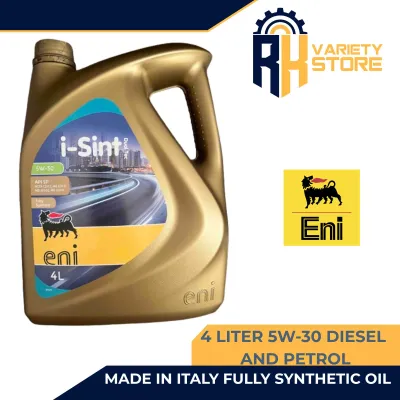
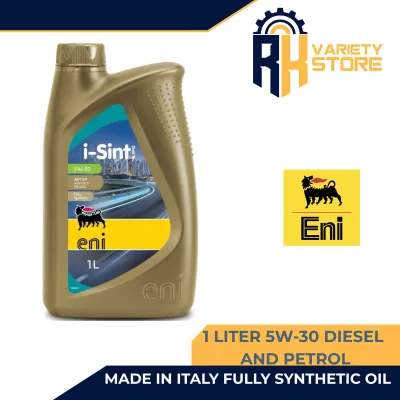
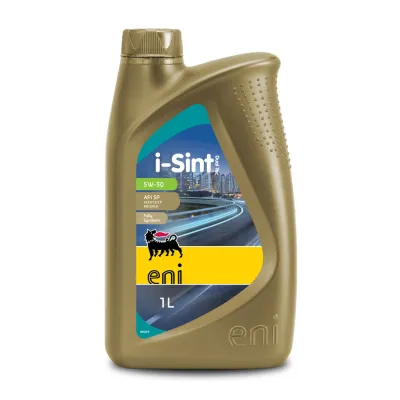
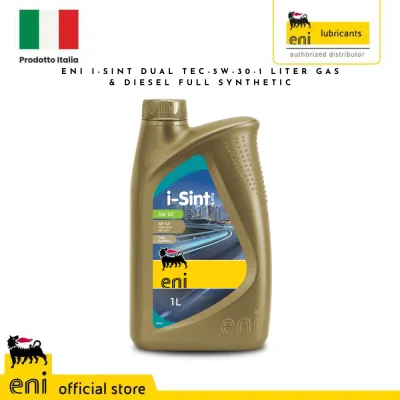
ENI, an Italian multinational energy company, has built its reputation on engineering lubricants that align precisely with the stringent requirements of European vehicle manufacturers. The brand’s eni 5w30 fully synthetic options, such as the i-Sint line, are formulated to meet complex European Automobile Manufacturers’ Association (ACEA) standards and specific OEM approvals from brands like Volkswagen, BMW, Mercedes-Benz, and Fiat.
European engines often utilize advanced emission control systems, including Diesel Particulate Filters (DPF) and Gasoline Particulate Filters (GPF), alongside high-pressure turbochargers. ENI addresses this by producing low-SAPS (Sulfated Ash, Phosphorus, and Sulfur) and mid-SAPS formulations. These specialized additive packages prevent the accumulation of ash deposits in exhaust aftertreatment systems, preserving catalyst efficiency and preventing costly exhaust system failures. For owners of modern European cars, ENI provides a highly reliable, factory-compliant lubricant that ensures all onboard emissions and turbocharger systems operate within their engineered parameters.
Shell: Active Cleansing and Base Oil Purity
Shell has revolutionized synthetic oil production through its proprietary Gas-to-Liquid (GTL) technology, marketed as PurePlus Technology. Unlike traditional synthetic base oils derived from crude oil, GTL base oil is synthesized from natural gas. This chemical process yields a crystal-clear base oil that is 99.5% pure, containing virtually none of the nitrogen, sulfur, or aromatics found in conventional petroleum-derived base stocks.
By pairing this ultra-pure base oil with its Active Cleansing Technology, Shell designs its 5W-30 fully synthetic oils (such as the Helix Ultra range) to actively target engine deposits. The formulation is engineered to prevent dirt and combustion byproducts from coalescing into harmful sludge and varnish. It also works to dislodge and encapsulate existing deposits, keeping them suspended in the oil until the next oil change. This aggressive cleaning focus is highly beneficial for modern direct-injection engines, which are inherently prone to carbon buildup on intake valves and fuel injectors.
Castrol: Mechanical Protection and Fluid Strength
Castrol focuses its engineering efforts on the physical strength of the oil film under extreme mechanical pressure. In modern downsized, turbocharged engines, internal pressures have doubled over the past two decades. Under these severe conditions, the oil film is subjected to massive shear forces that can physically tear the lubricant barrier apart, leading to metal-on-metal friction.
To combat this, Castrol developed Fluid TITANIUM Technology, which is incorporated into its premium Castrol EDGE 5W-30 fully synthetic lineup. This technology physically transforms the oil’s behavior under extreme pressure. At points of intense mechanical contact, the titanium polymers temporarily change their molecular structure to form a solid-like cushion, dramatically increasing film strength and reducing friction by preventing contact between metal surfaces. Once the pressure subsides, the oil returns to its highly fluid state. This formulation is engineered specifically for engines that operate under heavy loads, frequent acceleration, or sustained mechanical stress.
Motul: Thermal Stability and High-Performance Endurance
Motul is widely recognized for its deep roots in motorsport and its commitment to high-performance lubrication. The French manufacturer is a pioneer in the use of synthetic esters (Group V base stocks) for automotive applications. While their flagship 300V racing line is designed primarily for track use, the technology trickles down into their consumer-grade 5W-30 fully synthetic lines, such as the Motul 8100 and Specific series.
Esters possess natural polar properties, meaning the oil molecules carry a slight electrical charge that causes them to physically cling to metal engine surfaces. This creates a permanent protective film that remains in place even after the engine has been turned off for extended periods, virtually eliminating dry-start wear. Furthermore, Motul’s formulations exhibit exceptional thermal stability, maintaining their viscosity and resisting shear breakdown at temperatures that would cause lesser oils to vaporize or degrade. This makes Motul highly favored by owners of modified, high-RPM, or performance-oriented vehicles that generate extreme internal heat.
Key Comparison Dimensions for Daily Driving
When evaluating these four brands for daily driving, it is helpful to compare how their chemical characteristics translate into real-world performance across key operational dimensions.
High-Temperature Stability
In a tropical climate where ambient temperatures are consistently high, engine cooling systems work overtime, and the engine oil must carry a significant portion of the thermal load. Under these conditions, oil volatility (the tendency of the oil to evaporate under heat) becomes a critical factor. When lighter fractions of the oil evaporate, the remaining lubricant thickens, reducing fuel efficiency and increasing oil consumption.
Motul and Castrol generally lead in high-temperature shear stability and low volatility, making them excellent choices for vehicles driven hard or subjected to long highway journeys in peak daytime heat. Their robust chemical bonds resist thermal cracking, ensuring the viscosity remains stable at 5W-30 throughout the service interval. Shell and ENI also offer outstanding thermal stability, but their formulations are balanced to prioritize cleaning and emission compliance alongside heat resistance, making them highly reliable for standard daily commutes.
Sludge and Deposit Control
Sludge is a thick, tar-like substance that forms when oil oxidizes, mixes with combustion contaminants, and precipitates out of solution. Sludge can clog oil pickup tubes, restrict flow through narrow oil galleries, and cause catastrophic engine starvation.
Shell’s GTL-based Helix Ultra excels in this category due to its highly active detergent and dispersant packages. It is specifically designed to keep contaminants finely dispersed and suspended, preventing them from settling on internal engine surfaces. ENI also provides exceptional deposit control, particularly in preventing ash buildup in modern diesel engines. Castrol and Motul offer robust protection against sludge, but their primary focus remains on film strength and wear reduction rather than aggressive, continuous chemical scrubbing.
Fuel Economy and Friction Reduction
Fully synthetic 5W-30 oils inherently offer better fuel economy than thicker grades like 10W-40 or 20W-50 because they require less mechanical energy to pump through the engine. However, minor variations in fuel economy exist between these four premium brands based on their friction-modifying additives.
Castrol’s titanium-infused formulas and Motul’s ester-based lines are engineered to minimize boundary friction (the friction that occurs when the oil film is extremely thin). By reducing this mechanical drag, these oils can help the engine operate more efficiently, though the actual difference in fuel economy for a daily driver is usually marginal—typically within 1% to 2% depending on the engine’s mechanical condition and driving style. Shell and ENI formulations also meet modern resource-conserving standards (such as API SP and ILSAC GF-6), ensuring they contribute positively to overall fuel efficiency.
Longevity and Drain Intervals
While fully synthetic oils are chemically capable of lasting for extended drain intervals, the actual service life of the oil is dictated by the vehicle manufacturer and your specific driving conditions. In the Philippines, the Department of Transportation and local automotive experts classify typical urban driving—characterized by heavy traffic, short trips, idling, and high humidity—as “severe service.”
Under severe service conditions, oil degrades much faster due to fuel dilution, moisture accumulation, and continuous thermal cycling. Therefore, regardless of whether you use ENI, Shell, Castrol, or Motul, you must adhere strictly to the severe service maintenance schedule outlined in your vehicle’s owner’s manual. Relying on an oil brand’s marketing claims of “extended life” or “long-drain” performance without considering your actual driving environment can lead to premature engine wear and voided warranties.
Decision Framework: Matching the Oil to Your Driving Profile
To simplify your purchasing decision, you can match your vehicle type, driving habits, and maintenance priorities to the specific strengths of each brand.
- Choose ENI if: You drive a modern European vehicle (such as a BMW, Mercedes-Benz, Audi, Volkswagen, or Peugeot) that requires exact OEM approvals. ENI is highly compatible with complex diesel and gasoline exhaust aftertreatment systems, making it the ideal choice for maintaining factory-spec performance and emissions compliance.
- Choose Shell if: Your daily commute consists of heavy, stop-and-go city traffic, such as navigating the congested streets of Metro Manila. Shell’s active cleansing properties will prevent the accumulation of low-temperature sludge and varnish, keeping your engine clean and running efficiently despite constant idling.
- Choose Castrol if: Your vehicle is regularly subjected to high mechanical loads. This includes pickup trucks, SUVs, and passenger cars that frequently carry heavy cargo, tow trailers, or climb steep, demanding roads (such as the route up to Baguio or through mountainous provinces).
- Choose Motul if: You own a performance-oriented car, a vehicle with a modified or turbocharged engine, or if you practice a spirited driving style. Motul’s exceptional thermal stability and surface-clinging ester technology provide maximum protection under sustained high RPMs and extreme operating temperatures.
Before finalizing your choice, always verify your vehicle’s warranty status. Using an engine oil that does not carry the exact API, ACEA, or manufacturer-specific certification required by your owner’s manual can void your engine’s powertrain warranty. Always prioritize the required technical specifications over brand reputation.
Safety Boundaries and Verification Before Switching
Before purchasing any engine oil or performing an oil change, you must verify the exact requirements of your vehicle’s engine. Always consult your vehicle’s owner’s manual to confirm that a 5W-30 viscosity grade is approved for your specific engine model and year. Furthermore, check for the required performance specifications, such as API SP, ILSAC GF-6, or ACEA C3.
When performing an oil change or topping up your fluid levels, observe the following safety and maintenance practices:
- Check the labels: Always read the product label on the oil bottle and compare it directly with the technical specifications in your vehicle's manual. If the instructions or specifications conflict, do not use the oil. Consult your vehicle manufacturer or a certified professional mechanic for clarification.
- Avoid mixing brands: Do not mix different brands or formulations of motor oil during a top-up. While modern synthetic oils are chemically compatible, mixing different brands dilutes the proprietary additive packages, potentially reducing the oil's overall effectiveness, compromising its wear protection, or causing additive drop-out.
- Evaluate high-mileage engines: If your vehicle has high mileage, exhibits existing oil leaks, or has a history of neglected maintenance, consult a qualified mechanic before switching to a highly detergent-rich synthetic oil like Shell or ENI. In neglected engines, highly active detergents can dislodge large, accumulated sludge deposits, which may then migrate and block narrow oil passages, leading to sudden engine starvation.
- Follow safety protocols: When handling engine oil, wear appropriate personal protective equipment, such as gloves and safety glasses. Ensure the engine is completely cool before attempting to drain the oil or remove the oil filter to prevent severe burns. Dispose of used motor oil and filters responsibly at an authorized recycling center or service station.
Community discussion
Share your experience or ask a question. Comments are reviewed before publication.