
Outfitting your first camper van is an exciting milestone, but it is easy to get swept up in the aesthetic appeal of complex setups and high-end gadgets. The key to a successful first season on the road is focusing on the foundational elements that keep you safe, dry, and comfortable. In a tropical climate like the Philippines, where high humidity, sudden downpours, and coastal salt air are constant factors, your accessory choices must prioritize durability and practical utility over visual trends. By starting with a curated checklist of essential gear, you can ensure your vehicle remains safe and functional while avoiding the common pitfall of overspending on items you rarely use.
How to Prioritize Camper Van Accessories on a Budget
Establish a strict purchasing hierarchy before buying any gear. Immediate necessities must always take precedence over lifestyle upgrades. Safety equipment, basic sanitation, and legal compliance items form the non-negotiable foundation of your build. Only after these critical needs are met should you allocate funds toward comfort enhancements or specialized outdoor gear.
Assess your vehicle’s payload capacity and spatial constraints before making any purchases. Every accessory adds weight, and exceeding your van’s Gross Vehicle Weight Rating (GVWR) can compromise braking performance, strain the suspension, and reduce fuel efficiency. Bulky items also clutter the limited living space, making daily tasks frustrating. Always check your vehicle’s owner’s manual for the exact payload limit and weigh heavy items before installing them.
Products mentioned in this guide
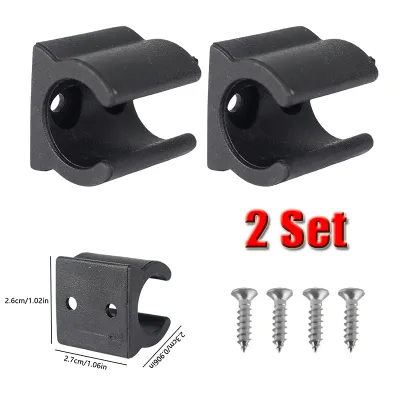
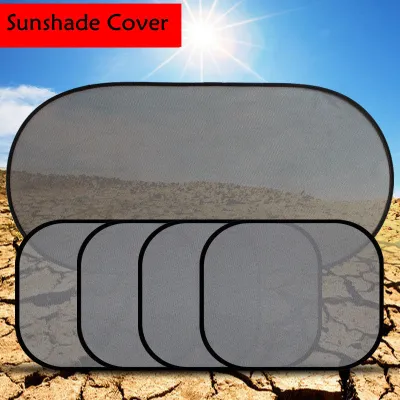
Prices are valid at publication and may change. Please refer to the product page for the latest price.
Check the existing built-in features of your specific van or RV model to prevent duplicate purchases. Many modern camper vans come equipped with integrated USB ports, basic lighting, or even small inverter systems. Reviewing your vehicle’s technical specifications ensures you do not buy portable power banks or auxiliary lights that duplicate systems you already have.
Establish a phased purchasing plan to manage your budget effectively. Instead of buying every conceivable accessory before your first trip, plan to acquire gear over several months. Taking short, local weekend trips with a minimalist setup allows you to identify what you actually need based on real-world experience, rather than relying on generic online recommendations.
Safety and Emergency Essentials
Fire suppression is the most critical safety consideration in a camper van, especially when cooking or running electrical systems in a confined space. Select a fire extinguisher with a rating suitable for liquid and electrical fires, such as a multi-purpose ABC dry chemical unit. Mount the extinguisher in an easily accessible location, such as near the kitchen area or the main exit door, and verify that the mounting bracket is securely fastened to a structural member of the van to prevent it from becoming a projectile during sudden stops.

A well-stocked first aid and emergency kit is indispensable for remote travel. Customize your kit to handle the specific challenges of tropical environments, including high-quality insect repellent, burn treatments, rehydration salts to combat heat exhaustion, and sterile wound care supplies. Ensure all medications and sterile items are checked regularly for expiration dates and stored in a waterproof, airtight container to protect them from humidity.
Tire and recovery gear must be precisely matched to your van’s weight and tire specifications. Standard passenger car jacks are often insufficient for a fully loaded camper van; verify that your bottle jack or hydraulic jack is rated to lift your vehicle’s maximum loaded weight. Always carry heavy-duty wheel chocks to secure the vehicle on uneven terrain, a reliable tire pressure gauge, and a heavy-duty tire inflator that connects directly to your battery terminals rather than a low-amperage utility socket.
Gas and air quality detectors are vital safety boundaries when sleeping in an enclosed space. Install a dedicated carbon monoxide (CO) detector and, if you use liquid petroleum gas (LPG) for cooking, a propane leak detector. Because propane is heavier than air, its detector should be mounted low to the floor, while CO detectors should be placed at sleeping height. Always verify that these sensors are compatible with your van’s 12V DC electrical system or use reliable, long-life internal batteries, and test them monthly according to the manufacturer’s instructions.
Basic Comfort and Daily Living Gear
A reliable sleep system is essential for recovery after a long day of driving. Choose a mattress that matches the exact dimensions of your van’s bed frame, leaving adequate clearance for ventilation underneath to prevent mold growth caused by body heat and high humidity. In tropical climates, prioritize breathable, moisture-wicking bedding and invest in custom-fit magnetic insect screens for your side and rear doors to allow airflow while keeping pests out.
Portable sanitation solutions provide independence and peace of mind, especially when camping away from established facilities. A simple chemical cassette toilet or a dry-flush system is often the most practical choice for beginners. When selecting a sanitation system, consider your access to authorized dump stations, the duration of your trips, and whether your van has a dedicated wet bath or requires a portable, storable unit. Always use biodegradable treatment fluids and follow local environmental regulations for waste disposal.
Cookware and food storage should be compact, durable, and rattle-free during transit. Opt for nesting stainless steel or silicone pots and multi-purpose utensils that save valuable cabinet space. Ensure your cookware is compatible with your stove type; for example, induction cooktops require magnetic ferrous metal pans, while gas stoves require stable, heat-resistant cookware. Secure all food items in airtight, pest-proof containers to prevent attracting insects in tropical camping areas.
Effective ventilation is crucial for managing interior temperatures and preventing condensation buildup. Install high-quality roof vent covers that allow you to keep vents open even during heavy tropical downpours. Supplement this with low-draw, portable 12V fans that can be positioned near your sleeping area to maintain continuous airflow and reduce the humid, stuffy air that quickly accumulates in a closed vehicle.
Power and Utility Management Accessories
Water management accessories protect your vehicle’s plumbing and ensure access to clean water. Always use a dedicated, food-safe drinking water hose to fill your fresh water tank, and never use standard garden hoses which can leach chemicals. Additionally, install an inline water pressure regulator at the campground faucet before connecting to your van; high or fluctuating municipal water pressure can easily rupture internal RV plumbing lines and fittings.
Managing shore power requires heavy-duty, weather-resistant extension cords and surge protectors. Select a surge protector rated for your van’s specific inlet amperage to shield your sensitive onboard electronics from voltage spikes, which are common in rural campgrounds. Verify that all external electrical connections are kept off the ground and protected by weatherproof covers to prevent water intrusion during sudden rainstorms.
Monitoring your house battery bank is essential to avoid deep discharges that can permanently damage your batteries. A basic, non-invasive battery monitor or shunt-based system provides real-time voltage and state-of-charge readings without requiring complex rewiring. Before purchasing, verify that the monitor is compatible with your specific battery chemistry, whether you use lead-acid, AGM, or lithium iron phosphate (LiFePO4) cells.
Proper waste water handling is necessary to maintain hygiene and comply with environmental standards. Invest in a high-quality, flexible sewer hose with secure bayonet-style fittings that match your van’s gray and black water outlets. Use a hose support to maintain a continuous downward slope toward the dump station inlet, ensuring efficient drainage and preventing pooling within the hose.
What to Skip or Delay Buying
High-end solar power expansions are a significant investment that should be delayed until you understand your actual power consumption. Many beginners spend heavily on massive solar arrays and large battery banks only to find they primarily stay at campgrounds with shore power hookups. Spend a few trips tracking your daily energy usage before deciding on the scale of your solar setup.
Specialized, expensive outdoor furniture is often unnecessary for your first few trips. Instead of buying heavy, high-priced RV-specific patio setups, start with basic, lightweight folding chairs and a simple folding table you may already own. This approach saves valuable payload capacity and allows you to determine how much time you actually spend sitting outside before investing in premium gear.
Complex built-in entertainment systems, such as satellite dishes, fixed televisions, and elaborate audio wiring, can be safely omitted from your initial checklist. These systems add weight, consume valuable battery power, and require invasive installation. Relying on mobile devices, tablets, and portable Bluetooth speakers is a highly flexible and lightweight alternative that meets most entertainment needs without draining your van’s electrical resources.
Excessive decorative items, heavy rugs, and fragile ornaments should be avoided entirely. Not only do they consume precious payload capacity, but they also become dangerous hazards during transit if not securely fastened. Keep your interior minimalist and functional; a clean, uncluttered space is much easier to maintain, keep cool, and secure when navigating rough or winding roads.
Frequently Asked Questions (FAQ)
Do I need a special driver's license for a camper van?
In the Philippines, licensing requirements depend primarily on the vehicle’s Gross Vehicle Weight Rating (GVWR) and passenger capacity rather than its classification as a camper. Standard passenger vehicles and light camper vans weighing under 3,500 kg typically require a standard driver’s license (Restriction Code B or DL Code B). However, if your motorhome or converted van exceeds this weight threshold, or is configured to carry more than nine passengers, you may need to upgrade your license to a higher restriction code. Always check the official guidelines of the Land Transportation Office (LTO) and verify your vehicle’s registered weight on its Certificate of Registration (CR) before driving.
How do I verify if an accessory is compatible with my van's electrical system?
To verify electrical compatibility, first locate your van’s inverter capacity, battery bank size, and shore power amperage limits in your owner’s manual or build documentation. Calculate the total wattage draw of the accessory by multiplying its voltage by its amperage (Watts = Volts x Amps) and compare this to your system’s continuous output rating. Running high-wattage appliances like induction cooktops or hair dryers can easily overload a modest inverter or rapidly drain a small battery bank. If an accessory requires hardwiring into your 12V or 220V system, or if its power draw is close to your system’s limits, always consult a qualified auto electrician or RV technician to prevent electrical fires or system damage.
Community discussion
Share your experience or ask a question. Comments are reviewed before publication.