
In the tropical climate of the Philippines, where ambient temperatures regularly soar and heavy urban traffic is a daily reality, your car’s cooling system operates under constant thermal stress. Unlike cold-climate regions where preventing the engine block from freezing is a primary concern, tropical driving demands a coolant that excels at heat transfer, boil-over prevention, and long-term corrosion protection. Selecting the right coolant requires understanding how specific chemical formulations interact with your engine’s internal metals and how to identify these critical properties on a product label. A standard 5-liter container is often the ideal volume for a complete system refresh, ensuring your vehicle remains protected against the debilitating effects of extreme heat and humidity.
Why Tropical Climates Change Your Coolant Needs
Operating a vehicle in a tropical environment alters the fundamental requirements of your engine’s cooling system. In colder regions, coolant is often referred to as antifreeze because its primary job is to lower the freezing point of the fluid to prevent the engine block from cracking in sub-zero temperatures. In the Philippines, where freezing temperatures are virtually non-existent, the antifreeze property of glycol becomes secondary. Instead, the primary focus shifts entirely to heat dissipation, boiling point elevation, and preventing the cooling system from boiling over under extreme thermal loads.
The ambient heat in tropical regions significantly reduces the temperature differential between the vehicle’s radiator and the surrounding air. When the outside air is 35°C or higher, the radiator must work much harder to shed heat than it would in a temperate climate. This challenge is compounded by high relative humidity, which can affect the density of the air passing through the radiator fins, slightly reducing the efficiency of convective heat transfer. Under these conditions, the cooling fluid must possess excellent thermal conductivity to carry heat away from the combustion chambers as rapidly as possible.
Products mentioned in this guide
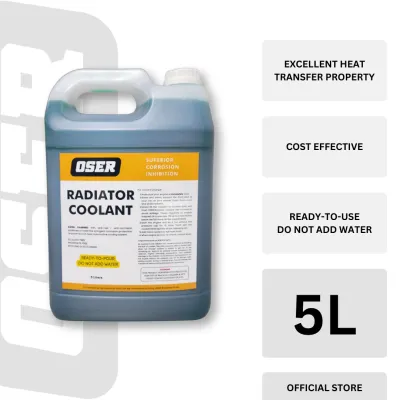
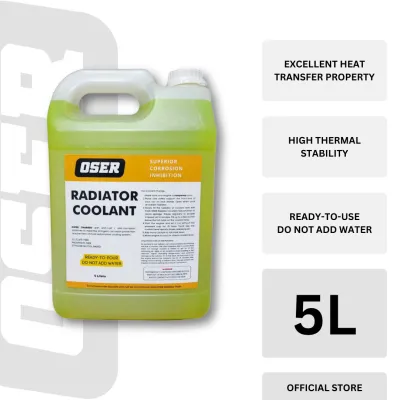
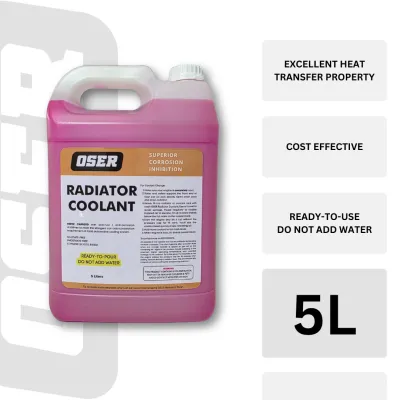
![[Iwas Overheat]TOP Premium Radiator Coolant Liquid 1L 2L 4L 5L Iwas Kalawang Anti-Boil Anti-Corrosion For Motorcycle Car Tricycle SUV Heavy Duty Long Ride Safe Maintenance Motor Accessories Piliin Sa Variation Exact Fit Upgrade PnP COD](https://img.lazcdn.com/g/p/16e742d404499eb532baa88391c54542.jpg_400x400q80.jpg_.webp)
![[YAMAS] MOTORCYCLE UNIVERSAL COOLANT 5 LITER](https://img.lazcdn.com/g/p/6fa5487d5bba388eb45fd41566e823d5.jpg_400x400q80.jpg_.webp)
Prices are valid at publication and may change. Please refer to the product page for the latest price.
Stop-and-go traffic in major metropolitan areas further intensifies the thermal load on your engine. When a vehicle is idling or moving slowly in dense traffic, there is minimal natural airflow passing through the grille to cool the radiator. The system must rely entirely on electric cooling fans to pull air through the fins, placing a heavy burden on the coolant to absorb and transport heat without reaching its boiling point. If the coolant cannot handle this localized heat buildup, steam pockets can form within the engine block, leading to rapid overheating.
The mechanical consequences of coolant boil-over are severe and costly. When a coolant mixture boils, it transitions from a liquid to a vapor, and vapor cannot transfer heat effectively away from hot metal surfaces. This leads to localized hot spots within the cylinder head, which can cause the metal to warp, ruin the cylinder head gasket, or even crack the engine block. Furthermore, boiling increases the pressure inside the cooling system beyond its designed limits, which can rupture radiator hoses, crack plastic expansion tanks, or cause the radiator cap to vent scalding fluid.
Critical Coolant Properties to Check on the Label
To ensure your engine remains protected in a hot climate, you must look beyond generic marketing claims and carefully evaluate the technical specifications on the product label. The first critical property to verify is the boiling point of the fluid under pressure. While pure water boils at 100°C at sea level, a modern pressurized cooling system raises this boiling point. Adding a high-quality glycol-based coolant raises the boiling point even further, typically to between 125°C and 129°C when pressurized by a standard radiator cap. This extra thermal margin is vital for preventing boil-over during sudden temperature spikes.

Corrosion inhibitor technology is another essential feature to check on the label, as heat accelerates chemical reactions, including the oxidation of metals. Modern engines utilize a variety of materials, including aluminum, cast iron, copper, brass, and steel, all of which require specific chemical protection to prevent galvanic corrosion. Coolants are generally classified into three main inhibitor categories: Inorganic Additive Technology (IAT), which uses silicates and phosphates for rapid but short-lived protection; Organic Acid Technology (OAT), which uses organic acids for long-lasting protection up to five years; and Hybrid Organic Acid Technology (HOAT), which combines both chemistries to offer rapid protection and extended service life.
You must also decide between pre-mixed and concentrated formulations. Pre-mixed coolants, usually sold in a 50/50 or 35/65 ratio, are ready to pour directly into your radiator and expansion tank. These products are blended at the factory using highly purified demineralized or distilled water, which eliminates the risk of introducing harmful minerals into your cooling system. Concentrated coolants must be diluted with water before use, typically in a 50/50 ratio for optimal performance.
If you choose a concentrate, you must never dilute it with tap water, well water, or municipal water. Water sources in the Philippines often contain high concentrations of minerals like calcium, magnesium, and silica. When subjected to the intense heat inside an engine, these minerals precipitate out of the water and form a hard scale on the internal surfaces of the radiator and engine block. This scale acts as an insulator, trapping heat inside the engine and clogging the narrow passages of the radiator core, eventually leading to chronic overheating. Always use pure distilled water for dilution.
Matching Coolant Specifications to Your Vehicle
Selecting a coolant based solely on climate suitability is a common mistake; the fluid must primarily match your vehicle manufacturer’s original equipment manufacturer (OEM) specifications. Every automotive manufacturer designs their cooling system around specific metallurgy and seal materials, requiring a precise chemical balance to prevent degradation. To find the correct specification, consult your vehicle owner’s manual under the maintenance or fluids section, which will list the required standard, such as ASTM D3306, JIS K2234, or a proprietary manufacturer code.
Asian-market vehicles, which make up a significant portion of the cars driven in the Philippines, have distinct cooling system requirements compared to European or American vehicles. Many Japanese and Korean manufacturers (such as Toyota, Honda, Nissan, Mitsubishi, Hyundai, and Kia) design their systems to use phosphate-based HOAT (often called P-HOAT) coolants. These formulations are strictly silicate-free because silicates can be abrasive to the specific water pump seal designs used by these brands, potentially leading to premature water pump failure and coolant leaks.
Conversely, European manufacturers often forbid the use of phosphates in their cooling systems. This restriction historically stems from the hard water commonly found in Europe, which reacts with phosphates to form scale. European vehicles typically require silicate-based organic acid technology (Si-OAT) or traditional silicate-containing formulations to protect their aluminum components. Using a phosphate-heavy coolant in a vehicle designed for silicate-based protection can lead to inadequate corrosion control and accelerated wear on internal components.
The mechanical dangers of mixing incompatible coolant chemistries cannot be overstated. If you mix an OAT-based coolant with a traditional IAT coolant, the different inhibitor packages can react chemically, causing the silicates to precipitate out of solution. This reaction often results in the formation of a thick, gel-like sludge that settles in the lowest points of the cooling system, such as the heater core and the bottom of the radiator. This sludge restricts fluid flow, severely compromises heat transfer, and can cause immediate engine overheating and catastrophic water pump failure. Always perform a thorough system flush if you are switching coolant types.
Practical Guide to Buying and Storing a 5-Liter Jug
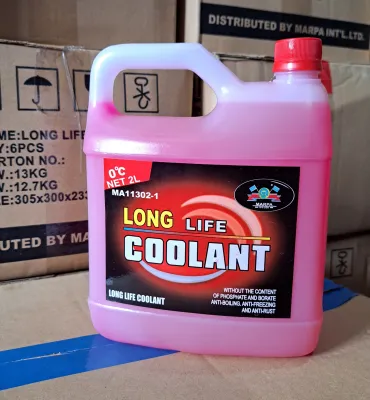
When purchasing coolant for a routine maintenance service, a 5-liter jug is often the most practical and economical packaging size to select. Most passenger cars, compact crossovers, and mid-size sedans popular in the Philippines have a total cooling system capacity ranging from 4.5 to 6.5 liters. Purchasing a single 5-liter container of pre-mixed coolant typically provides enough fluid to complete a standard drain-and-fill procedure, with a small amount left over in the jug for future top-ups as the system settles.
Before purchasing a 5-liter jug from an auto supply store or an online marketplace, perform a thorough physical inspection of the packaging. Ensure that the plastic container is robust and shows no signs of bloating, warping, or stress whitening, which can indicate exposure to extreme heat during transit or storage. Check that the tamper-evident ring on the cap is fully intact, and if possible, verify that the induction foil seal beneath the cap is unbroken. A compromised seal can allow moisture to enter or let volatile components evaporate, altering the chemical balance of the fluid. Additionally, look for a printed manufacturing date or batch code to ensure you are buying relatively fresh stock.
Proper storage of leftover coolant is critical in a tropical environment characterized by high humidity and elevated temperatures. Ethylene glycol is highly hygroscopic, meaning it readily absorbs moisture from the surrounding air. If the cap on a partially used jug is not sealed tightly, the coolant will draw in atmospheric moisture, gradually diluting the mixture and lowering its boiling point and corrosion protection capabilities. Store the container upright in a cool, dry place, such as a dedicated storage cabinet in your garage, completely out of direct sunlight. Avoid leaving the jug in the trunk of your car, where temperatures can easily exceed 60°C on a sunny day, causing the plastic to degrade and the fluid to expand and leak.
Safe Maintenance and Inspection Boundaries
Maintaining your vehicle’s cooling system requires a disciplined approach to safety and a clear understanding of when a task can be performed at home versus when it requires professional diagnostic equipment. Regular visual inspections of the coolant level and condition are highly recommended. You should check the fluid level in the plastic expansion reservoir to ensure it falls between the minimum and maximum markings. The fluid should appear bright, clear, and consistent in color, with no visible floating debris, rust particles, or oily sheen.
The absolute, non-negotiable safety rule of cooling system maintenance is to never open the radiator cap or the pressurized expansion tank cap while the engine is hot or even warm. When the engine is running, the cooling system is under high pressure, which keeps the coolant in a liquid state even when its temperature exceeds the normal boiling point of water. If you remove the cap while the system is hot, the sudden drop in pressure causes the superheated liquid to instantly flash boil into steam. This steam and scalding liquid will erupt violently from the filler neck, causing severe, life-altering burns to your face, hands, and body. Always allow the vehicle to sit undisturbed for several hours until the engine block and radiator are completely cold to the touch before opening any caps.
While basic top-ups and visual checks are straightforward DIY tasks, certain observations indicate a serious underlying issue that requires immediate professional attention. If you notice that the coolant has a milky, frothy, or milkshake-like appearance, this is a classic symptom of engine oil mixing with the coolant, usually caused by a blown head gasket or a cracked internal oil cooler. Similarly, if you find yourself frequently adding fluid to the reservoir without any visible external leaks on your driveway, or if the engine temperature gauge consistently climbs into the hot zone, stop driving the vehicle and have it towed to a qualified service center for a professional pressure test and combustion gas detection analysis.
Frequently Asked Questions (FAQ)
Can I use plain distilled water instead of coolant in the Philippines?
While pure distilled water has excellent heat transfer properties, using it as a total replacement for engine coolant is highly damaging to modern engines, even in a tropical climate where freezing is not a concern. Distilled water lacks the essential corrosion inhibitors required to protect the diverse metals inside your engine from rust, scale, and galvanic corrosion. Furthermore, plain water has a lower boiling point than a proper glycol-water mixture, making your vehicle highly susceptible to boil-over during heavy traffic or steep climbs. It also lacks the lubricating agents necessary to keep the water pump shaft seals operating smoothly, which can lead to premature pump failure and leaks.
Does the color of the coolant indicate its quality or specification?
No, the color of a coolant is simply a dye added by the manufacturer for safety, leak detection, and brand identification, and it does not reliably indicate the fluid’s chemical formulation or quality. There is no universal industry standard linking specific colors to chemical types; for example, one manufacturer may dye their organic acid technology (OAT) coolant pink, while another may dye their hybrid organic acid technology (HOAT) coolant pink or blue. Relying on color alone to choose a coolant or to determine compatibility can lead to mixing incompatible chemistries, resulting in damaging sludge formation. Always verify the actual chemical specification (such as OAT, HOAT, or IAT) and the OEM approvals listed on the product label rather than matching colors.

Community discussion
Share your experience or ask a question. Comments are reviewed before publication.