
Daily motorcycle commuting during the wet season presents a unique set of challenges, especially when sudden tropical downpours turn roads into rivers. While a standard jacket keeps your torso dry, water inevitably runs down your legs and pools inside your shoes, leaving you with soaked feet for the rest of the day. A specialized raincoat with foot cover offers a comprehensive solution to this common commuter struggle. By integrating foot protection directly into the rain gear, these suits keep your entire body dry from head to toe. To make a smart purchase, you need to understand which design features, materials, and safety elements will withstand daily wear on busy roads. This guide breaks down the essential specifications to look for so you can stay dry, comfortable, and safe during your wet-weather rides.
Quick Answer: Core Features for Wet-Weather Riding
When choosing a raincoat with foot cover for daily commuting, prioritize a few non-negotiable design elements to ensure reliable protection. Your checklist should include a high waterproof rating, heat-welded or taped seams, and robust reflective striping for low-light visibility. Additionally, look for slip-resistant soles on the foot covers to maintain traction when stopping on wet asphalt.
You must also decide between integrated and detachable foot cover designs. Integrated booties offer seamless, leak-proof protection but can be more challenging to put on. Detachable covers provide greater versatility and are easier to clean, though they introduce potential leak points at the connection line. Balancing these core features will help you find a suit that keeps you dry without compromising your safety on the road.
Products mentioned in this guide
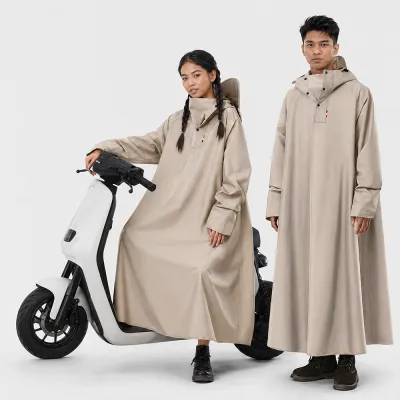
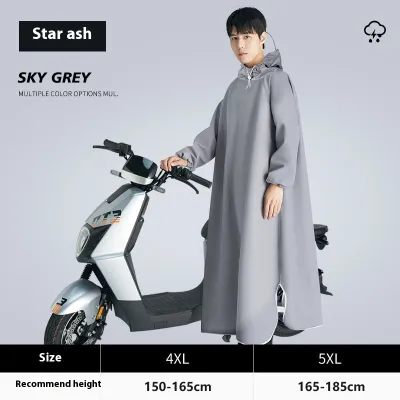
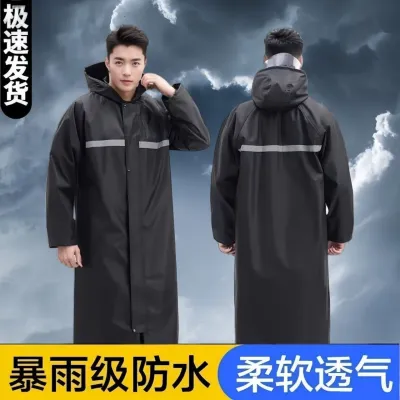
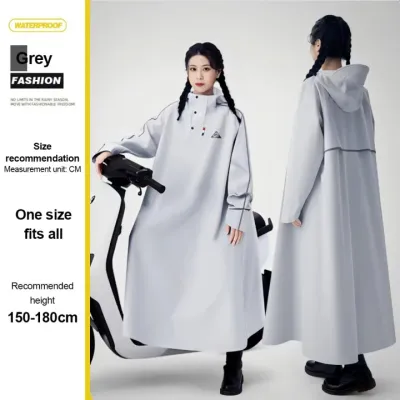
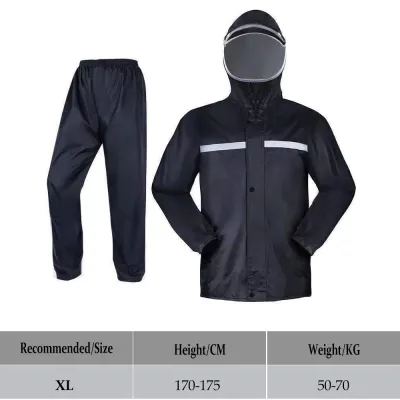
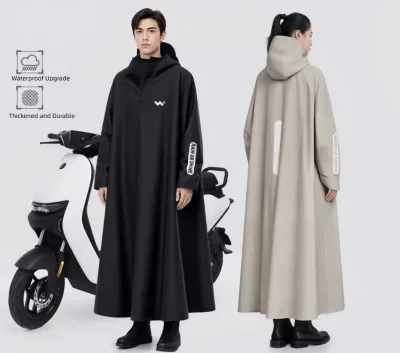
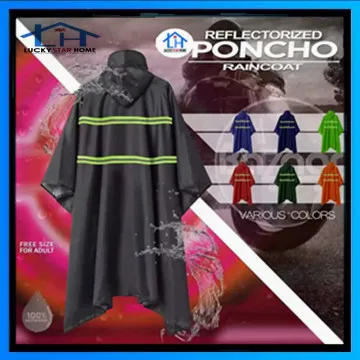
Prices are valid at publication and may change. Please refer to the product page for the latest price.
Material and Waterproofing Standards
The foundation of any reliable rain gear is the fabric from which it is made. For daily motorcycle commuting, you will generally choose between polyvinyl chloride (PVC), nylon, and polyester. PVC is highly waterproof and incredibly durable, making it a popular choice for heavy-duty protection. However, PVC is also heavy, stiff, and completely non-breathable, which can make your ride feel incredibly hot and humid in tropical climates. Nylon and polyester fabrics coated with polyurethane (PU) offer a much lighter and more flexible alternative. These coated fabrics allow for better freedom of movement and are far easier to pack into a tight under-seat compartment or backpack when the sun comes out.

When comparing different models on online marketplaces, look closely at the waterproof ratings, often measured as hydrostatic head values in millimeters (mm). A rating of 5,000mm is generally the minimum required to withstand light to moderate rain while riding. For heavy downpours and high-speed riding, where wind pressure forces water against the fabric, look for ratings of 10,000mm or higher. This specification indicates the height of a water column the fabric can support before moisture begins to seep through.
Even the most waterproof fabric will fail if the seams are poorly constructed. Standard stitched seams create thousands of tiny needle holes that act as entry points for water under pressure. To prevent leaks, ensure the raincoat features taped or heat-welded seams. Taped seams use a waterproof adhesive tape applied over the stitched interior to seal the holes. Heat-welded seams, on the other hand, use high-frequency acoustic waves or heat to fuse the fabric panels together, creating a single, unbroken barrier that is highly resistant to leaks and tearing.
Foot Cover Design and Integration
The foot cover is the defining feature of this specialized rain gear, and its design determines how practical the suit is for daily use. You will find two primary configurations: integrated (attached) booties and detachable foot covers. Integrated booties are sewn directly into the pant legs, ensuring a completely seamless barrier with zero chance of water leaking in at the ankles. The trade-off is that they can be more cumbersome to slip on over your shoes, and if the sole wears out, the entire suit may lose its usefulness. Detachable foot covers connect to the pants via zippers, heavy-duty snaps, or elastic straps. This design allows you to replace the foot covers separately if they get damaged, though you must ensure the connection point is well-shielded by a storm flap to prevent water from seeping in.
The sole of the foot cover is a critical safety and durability component. When riding in wet conditions, you must frequently put your feet down on slippery asphalt, painted road lines, or metal footpegs. Look for foot covers equipped with thickened, textured rubber or reinforced PVC soles. A deep, slip-resistant tread pattern is essential to provide reliable traction on wet surfaces, preventing accidental slips when stopping at intersections. Avoid thin, unreinforced plastic soles, as they can tear within a few uses and offer virtually no grip on wet roads.
Ankle sealing mechanisms are equally vital to keep water from running down your legs and into your shoes. The best designs feature adjustable elastic bands, hook-and-loop straps, or drawcords positioned just above the ankle. This allows you to cinch the material tightly around your footwear, creating a secure seal that prevents wind and rain from forcing water upward or downward into your boots.
Visibility and Safety Elements
Riding in heavy rain drastically reduces visibility for everyone on the road, making safety features a top priority for any commuter. Reflective striping is non-negotiable for low-light and stormy conditions. Look for raincoats that feature wide, high-quality retroreflective strips across the chest, upper back, sleeves, and along the sides of the legs. This placement ensures 360-degree visibility, allowing other motorists to spot you from any angle, even through a water-streaked visor or windshield.
The color of your rain gear also plays a massive role in keeping you safe. While dark colors like black or navy blue might look stylish, they make you virtually invisible to other drivers during a heavy downpour or in thick fog. Opt for high-visibility colors such as neon yellow, bright orange, or lime green. These bright hues stand out sharply against the gray backdrop of a rainy day, giving other drivers more time to react to your presence on the road.
Additionally, consider how the raincoat interacts with your helmet and other riding gear. The hood should be designed to fit comfortably under your helmet without bunching up, which can cause painful pressure points during long rides. Alternatively, some hoods are designed to fold away into the collar or detach completely, which is ideal if you prefer to rely solely on your helmet’s built-in sealing. Ensure that the collar height is sufficient to cover your neck but does not restrict your head movement or block your peripheral vision when checking blind spots.
Fit, Ventilation, and Riding Ergonomics
A proper fit is essential to ensure both comfort and safety while riding. A raincoat that is too tight will restrict your movement and strain the seams, leading to premature tears. Conversely, a suit that is too loose will flap violently in the wind at higher speeds, creating drag and distracting you from the road. Look for raincoats with adjustable cuffs, elastic waistbands, and snap-button hems. These features allow you to customize the fit, securing the material tightly over your daily commuting clothes and preventing wind from ballooning the suit.
Riding ergonomics require a cut that accommodates your natural posture on the motorcycle. When you reach forward to grip the handlebars, your shoulders and arms need room to move. Look for raincoats with gusseted backs or articulated shoulders. This extra fabric allows for a full range of motion without pulling the sleeves back or causing the hem of the jacket to ride up, exposing your wrists and waist to the elements.
Ventilation is another crucial factor, especially in warm, humid tropical climates. A completely sealed waterproof suit can quickly trap body heat and sweat, leaving you just as wet on the inside as you would be from the rain. To combat this, look for raincoats equipped with back ventilation panels (often designed as overlapping cape vents), underarm grommets, or breathable mesh linings. These features allow hot air and condensation to escape while utilizing gravity and fabric flaps to keep rainwater from entering.
How to Evaluate Options and Build Your Shortlist
When shopping for a raincoat with foot cover, building a reliable shortlist requires careful evaluation of available products. Start by analyzing user reviews on online marketplaces. Instead of focusing solely on overall star ratings, search specifically for feedback regarding long-term durability. Look for recurring complaints about seam leaks, zipper jams, or soles tearing after only a few uses. This real-world feedback is invaluable for identifying potential design flaws that might not be apparent from the product description.
Next, verify the seller’s return policies and warranty terms before making a purchase. Because sizing standards can vary significantly between different manufacturers, there is always a risk that the suit you order will be too tight to fit comfortably over your regular work clothes or riding jacket. A flexible return or exchange policy ensures you can swap the gear for a better fit without hassle.
Finally, match the cut of the rain gear to your specific type of motorcycle. If you ride a scooter with a step-through floorboard, a one-piece poncho or a relaxed-fit suit with integrated foot covers is highly convenient and easy to slip on quickly. However, if you ride a manual motorcycle with a high center tank and footpegs, a two-piece rain suit (separate jacket and pants) is much safer. A two-piece design prevents excess fabric from bunching up between your legs, reducing the risk of the material catching on your gear shifter, rear brake pedal, or footpegs when you need to stop. Always consult your motorcycle’s manual regarding safe riding gear and ensure no loose fabric interferes with the foot controls, chain, or wheels.
Care and Maintenance for Longevity
Taking proper care of your rain gear ensures it remains waterproof and functional for many wet seasons to come. The most important rule of maintenance is to never pack a wet or damp raincoat back into its storage bag or under-seat compartment. Doing so traps moisture, leading to the growth of mold and mildew, which can quickly degrade the waterproof coatings and cause the seam tape to peel off. Always hang your raincoat on a wide hanger in a well-ventilated, shaded indoor area to dry completely before folding it away.
When it comes to cleaning, avoid using a washing machine or harsh laundry detergents, as the spinning action and strong chemicals can strip away the durable water repellent (DWR) finish on the fabric. Instead, gently wipe away dirt, mud, and road grime using a soft, damp cloth and mild soap. If the manufacturer’s label permits, you can rinse the suit with cool water, but avoid wringing or twisting the fabric.
Proper storage is also key to preserving the integrity of the materials. Avoid folding the raincoat too tightly or placing heavy objects on top of it, as deep creases can weaken the waterproof membrane over time. If possible, store the suit hanging up in a cool, dry closet away from direct sunlight, which can cause the reflective elements to crack and the fabric to degrade. When planning your budget, investing a bit more than the baseline ₱500 to ₱1,500 range often secures a suit with welded seams and durable materials that will last for years rather than a single season.
Frequently Asked Questions (FAQ)
Can I wear a raincoat with foot cover over heavy riding boots?
Yes, but you must carefully evaluate the internal volume and zipper clearance of the foot cover design before purchasing. Standard foot covers are typically sized to fit over regular shoes, sneakers, or low-profile work boots. If you wear bulky, armored motorcycle riding boots, the foot covers may be too tight to slide over them comfortably. Check the manufacturer’s sizing charts specifically for foot dimensions, and consider sizing up if you plan to wear the suit over thick protective footwear. Look for models with wide zippered openings or adjustable hook-and-loop closures at the bottom to make putting them on over boots much easier.
How do I prevent the foot cover soles from wearing out quickly?
The soles of integrated foot covers are designed primarily for short walks from your parked motorcycle to a sheltered area, not for extended walking on rough surfaces. To prevent the soles from wearing out or tearing, avoid dragging your feet along the asphalt when stopping or starting. Be mindful of where you step, avoiding sharp rocks, broken glass, or highly abrasive concrete. If your daily commute involves significant walking after parking, consider choosing a design with detachable foot covers so you can easily remove them once you offload, or opt for separate heavy-duty slip-on rain boot covers that feature thicker, vulcanized rubber soles.
Is a two-piece rain suit better than a one-piece poncho with foot covers?
For daily motorcycle commuting, a two-piece rain suit (separate jacket and pants) is generally superior to a one-piece poncho. At commuting speeds, a loose poncho will flap violently in the wind, which not only creates distracting noise but can also catch on passing vehicles or your own motorcycle’s handlebars and mirrors, posing a serious safety hazard. A two-piece suit fits snugly against your body, offering much better aerodynamics and wind resistance. However, a one-piece poncho is often faster to put on during a sudden downpour and is highly packable, making it a convenient option for low-speed scooter riders traveling short distances in urban traffic.

Community discussion
Share your experience or ask a question. Comments are reviewed before publication.