
Selecting a motorcycle raincoat for the Philippine rainy season requires focusing on high-pressure waterproofing, active visibility, and an ergonomic fit designed specifically for riding. Standard rainwear often fails under the combined force of highway winds and heavy tropical downpours, leaving riders wet, cold, and less visible to other motorists. By prioritizing features like heat-sealed seams, 360-degree reflective elements, and adjustable closures, you can maintain control and stay dry during sudden monsoon rains.
To make an informed purchase, riders must understand how different materials and construction techniques perform under pressure. Investing in gear with the right technical specifications ensures long-term durability and safety on wet roads.
Core Waterproofing and Material Construction
The primary defense against heavy rain is the raincoat’s base material and seam construction. When riding at speed, raindrops hit the fabric with significant force, easily penetrating standard stitched seams. To prevent water ingress, look for raincoats with heat-sealed, welded, or taped seams on the interior. These manufacturing methods cover the needle holes made during stitching, ensuring that water cannot seep through the joints even during prolonged exposure to heavy downpours.
Products mentioned in this guide
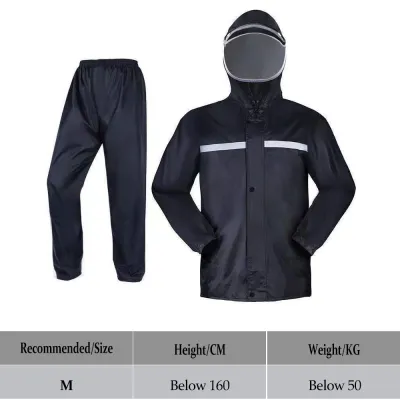
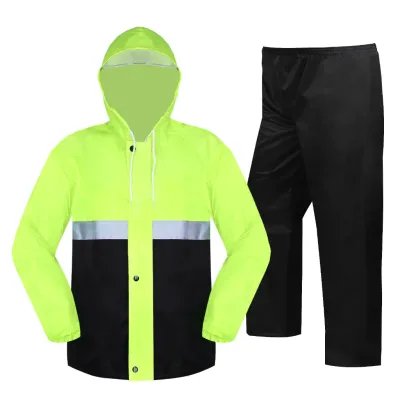
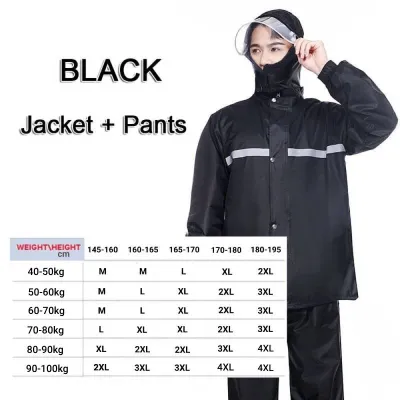
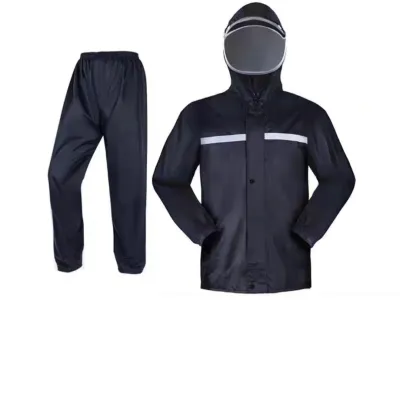
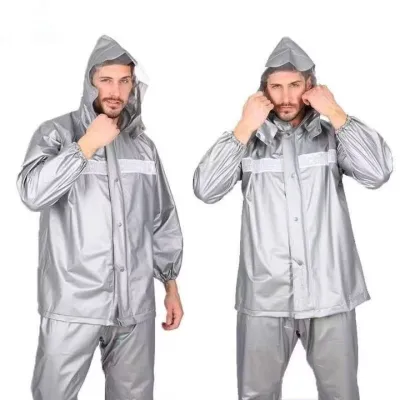
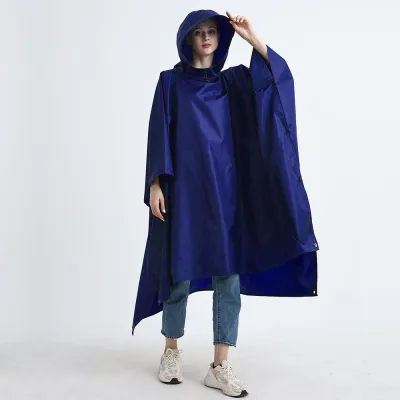
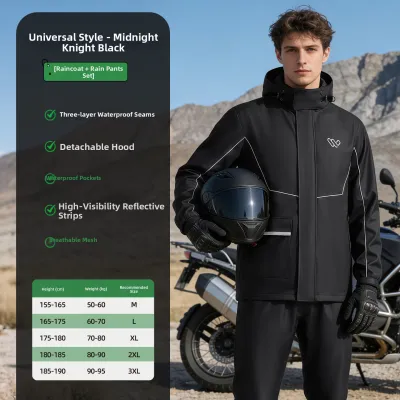
Prices are valid at publication and may change. Please refer to the product page for the latest price.
Outer shell materials generally fall into categories like polyvinyl chloride (PVC), polyurethane (PU), or treated nylon and polyester. PVC is highly waterproof and durable, but it tends to be heavy, stiff, and less breathable, which can cause discomfort in hot, humid weather. Nylon or polyester coated with a PU membrane offers a more flexible, lightweight alternative that resists tearing while allowing better freedom of movement. When evaluating these materials, check the product specifications for a hydrostatic head rating, which measures waterproof capability in millimeters. A rating of 5,000mm to 10,000mm is generally suitable for moderate rain, while ratings above 10,000mm provide the heavy-duty protection needed for intense tropical storms.
Because the climate in the Philippines remains warm and humid even when it rains, internal moisture management is just as important as external waterproofing. A high-quality motorcycle raincoat should feature an inner mesh lining. This lining creates a physical barrier between your skin or riding apparel and the waterproof outer shell. Without a mesh lining, the outer fabric will cling to your arms and torso, trapping sweat and heat, which makes the ride uncomfortable and causes you to feel damp from the inside out.
Visibility and Safety Features for Low-Light Riding
Heavy rain and road spray drastically reduce visibility for all road users, making high-visibility features a critical safety requirement. When riding through a sudden afternoon downpour, your raincoat is often the only thing keeping you visible to larger vehicles. Ensure the raincoat features prominent reflective strips that provide 360-degree visibility. These strips should be strategically placed across the upper back, chest, and along the outer sleeves so that you are visible from the front, rear, and sides at intersections.

The base color of the raincoat also plays a vital role in passive safety. While dark colors like black or navy blue are popular for hiding road grime, they blend into gray storm backgrounds and dark asphalt. Opting for high-visibility colors such as neon yellow, bright orange, or vibrant green significantly increases your chances of being spotted by oncoming traffic and drivers behind you. These bright colors contrast sharply with the gloomy, low-light conditions typical of the rainy season.
Additionally, inspect the quality and application of the reflective elements before buying. Cheap raincoats often use thin, printed-on reflective paint that quickly cracks, peels, or fades after a few uses and folds. Look for gear that integrates retroreflective materials directly into the fabric seams or uses heavy-duty, heat-transferred reflective tape. This ensures the safety elements remain intact and functional after repeated exposure to water, wind, and storage folding.
Ergonomic Fit and Comfort for the Riding Posture
A standard raincoat is designed for walking, which means it will not fit correctly when you are stretched out over a motorcycle. When you reach for the handlebars, the sleeves of a standard jacket pull back, exposing your wrists, while the shoulders tighten and restrict your steering. A motorcycle-specific raincoat features pre-curved sleeves and gusseted underarms. This specialized cut accommodates a forward-leaning or upright riding posture, allowing you to steer, brake, and use the clutch without any fabric resistance.
To prevent wind and water from forcing their way into your suit at high speeds, adjustable closures are essential. Check for robust hook-and-loop straps, elastic cuffs, or snap buttons at the wrists, ankles, and waist. Tightening these closures seals the entry points, preventing road spray from traveling up your sleeves or pant legs. An adjustable waist strap also prevents the jacket from ballooning in the wind, which can create drag and destabilize your balance on highway rides.
Another common issue is water pooling at the lap or seeping up the back of the jacket. To counter this, look for a raincoat with an elongated back panel, often called a drop tail. This extra length ensures that when you lean forward over the fuel tank, the jacket continues to cover your lower back and overlaps securely with the rain pants. When choosing a size, refer to the manufacturer’s sizing chart and consider buying one size larger than your usual fit. This extra room allows the raincoat to slide easily over your armored riding jacket, elbow guards, and knee protectors without binding or tearing.
Practical Add-ons for Heavy Tropical Downpours
Intense tropical downpours present unique challenges that standard rain gear cannot handle. One critical area is the hood design. If you plan to wear the hood, it must be thin enough to fit comfortably underneath your motorcycle helmet without interfering with the helmet’s safety fit or your peripheral vision. Alternatively, many riders prefer a detachable or stowable hood that can be zipped off or rolled into the collar. A loose, non-detachable hood will flap violently at high speeds, pulling on your neck and distracting you from the road.
The main front zipper is a common point of water leakage. To address this, a reliable motorcycle raincoat must feature a wide storm flap that covers the zipper entirely. This flap should secure tightly with snap buttons or a continuous hook-and-loop strip, creating a physical barrier that blocks wind-driven rain from forcing its way through the zipper teeth. Double-flap designs, which fold over the zipper from both sides, offer the highest level of protection against water seepage.
Furthermore, pay attention to high-wear areas like the seat and inner knees. These sections experience constant friction against the motorcycle seat and tank, which can quickly wear down waterproof coatings. Look for raincoats that feature reinforced, double-layered panels in these zones. This reinforcement not only increases abrasion resistance but also prevents water from soaking through the seat area where water naturally pools during a ride. Finally, strategic back vents with downward-facing flaps and underarm grommets help hot air escape, reducing internal condensation without letting rainwater inside.
Evaluating Cross-Scenario Versatility
Your choice of rain gear should align with your daily riding habits and travel distances. For short urban commutes through city traffic, a lightweight, packable two-piece suit is highly practical. These suits can be quickly slipped on over office wear and do not take up much space. Avoid loose, single-piece ponchos for commuting; they flap excessively in the wind, block your view of the instrument panel, and run the dangerous risk of getting caught in the rear wheel or chain drive.
For long-distance provincial touring or highway riding, a heavy-duty, thick two-piece suit is indispensable. These suits offer superior wind protection, higher waterproof ratings, and better durability against sustained high-speed wind pressure. When purchasing, ensure the suit comes with a compact, breathable carry bag. This allows you to pack the wet gear neatly into your under-seat compartment or top box without soaking your other belongings. As an added benefit, a high-quality, windproof motorcycle raincoat can double as a windbreaker during chilly, early-morning rides in elevated areas, saving valuable cargo space.
Frequently Asked Questions (FAQ)
How do I prevent my raincoat from smelling musty after riding in the rain?
To prevent mold, mildew, and musty odors, always hang your raincoat to air-dry in a well-ventilated indoor area or a shaded outdoor spot immediately after your ride. Never expose the raincoat to direct, intense sunlight or high-heat dryers, as extreme heat can melt the waterproof PU coating or damage the taped seams. Ensure the suit is completely dry on both the inside and outside before folding it and storing it back in its carrying bag or under-seat compartment.
Can I use a regular raincoat instead of a motorcycle-specific one?
Using a standard fashion or utility raincoat while riding a motorcycle is not recommended. Regular raincoats lack the aerodynamic fit required for riding, causing them to flap violently at speed, which distracts the rider and can tear the fabric. They also lack the necessary abrasion resistance, 360-degree reflective safety elements, and specialized cuts that accommodate riding armor and active movement on the bike, posing a significant safety risk.

Community discussion
Share your experience or ask a question. Comments are reviewed before publication.