
Daily motorcycle commuting in the Philippines requires careful preparation for unpredictable, intense weather. During the monsoon season, a sudden afternoon downpour can catch you off guard, turning a standard ride into a wet, cold, and hazardous journey. To stay dry, comfortable, and safe, a dedicated rain coat set motorcycle rider is an essential investment. Unlike generic rainwear designed for walking, a riding-specific rain suit is engineered to withstand the unique physical forces of motorcycle riding, such as high-velocity wind-driven rain, high engine heat, and constant physical movement.
Choosing the right gear is not just about keeping water off your skin; it directly impacts your safety, comfort, and control on the road. A poorly designed rain suit can balloon with wind, restrict your movement, or trap your body heat, leading to rapid fatigue and reduced focus. By understanding the essential features of a high-quality motorcycle rain suit, you can make an informed decision that keeps you protected throughout the wettest months of the year.
Quick Checklist: Must-Have Features for Tropical Commuting
When evaluating a rain suit for daily use in a tropical climate, you must look beyond basic water resistance. The combination of heavy downpours and high ambient humidity requires a specialized balance of protection and airflow. Use this quick checklist as your foundational filter before making a purchase:
Products mentioned in this guide
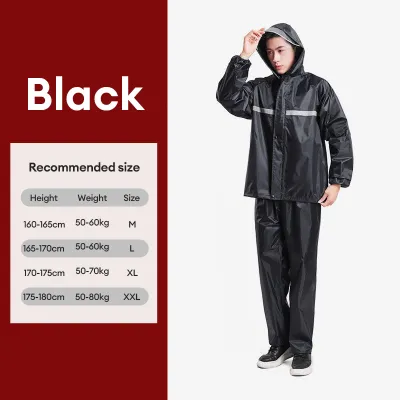
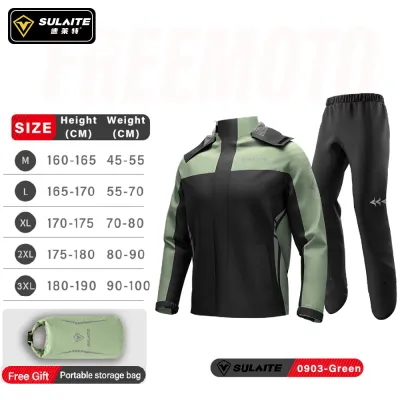
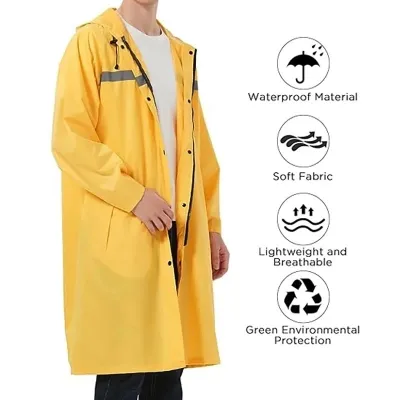
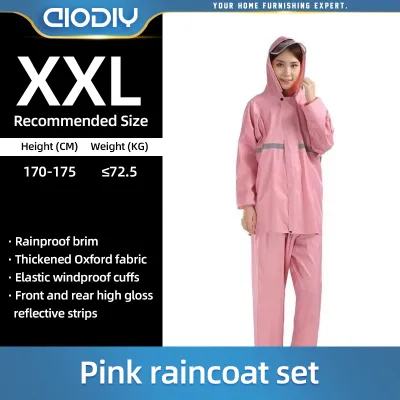
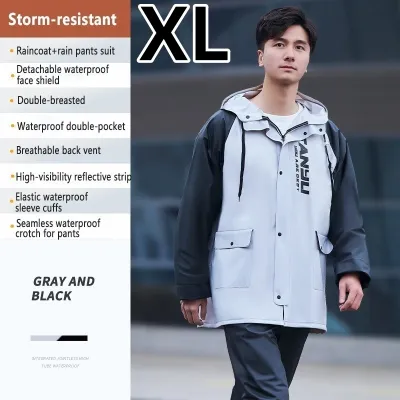
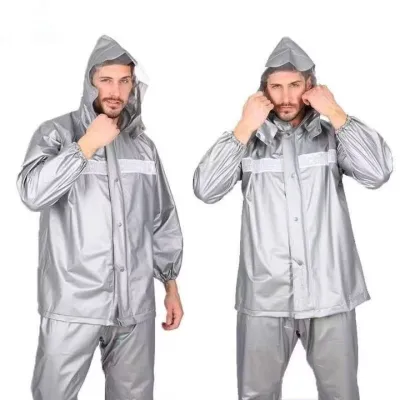
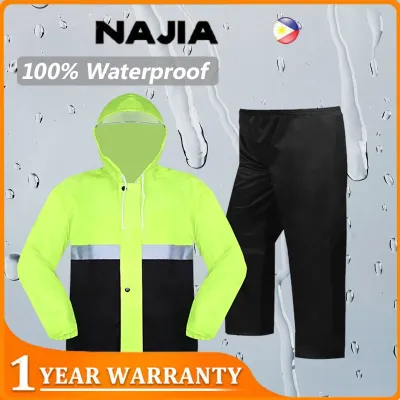
Prices are valid at publication and may change. Please refer to the product page for the latest price.
- High Waterproof Rating: Verify a minimum rating of 8,000mm to 10,000mm on the manufacturer specification sheet to withstand wind-driven rain at commuting speeds.
- Fully Taped or Welded Seams: Inspect the interior of the garment to ensure all stitched seams are sealed with waterproof tape to prevent localized leaks.
- Active Ventilation Zones: Look for back exhaust vents, underarm zippers, and a lightweight inner mesh lining to combat internal sweat and humidity.
- High-Visibility Elements: Choose high-contrast base colors like neon yellow or bright orange, paired with retroreflective strips on the chest, back, and limbs.
- Riding-Specific Ergonomic Cut: Ensure the suit features pre-curved sleeves and knees, a drop-tail jacket hem, and multiple adjustment straps to prevent wind ballooning.
- Reinforced High-Wear Panels: Check for heat-resistant materials on the inner calves to protect against exhaust heat, along with a double-layered seat panel.
Evaluating Waterproofing and Seam Construction
To verify actual water resistance beyond generic marketing claims, you must check the manufacturer’s stated waterproof rating, typically measured in millimeters via a hydrostatic head test. This rating indicates the height of a water column the fabric can support before moisture begins to penetrate. For daily commuting in heavy tropical downpours, a rating of 5,000mm is the bare minimum for short city trips, while a rating of 10,000mm or higher is strongly recommended for highway speeds, where the impact pressure of wind-driven rain is significantly higher.

Fabric alone does not guarantee a dry ride, as the stitching is the most common point of failure. When a sewing needle punctures waterproof fabric, it leaves thousands of tiny holes that water can easily penetrate under pressure. High-quality rain suits address this by applying a specialized waterproof tape under high heat over every interior seam, or by using high-frequency welding to fuse the fabric panels together. Always turn a rain suit inside out before purchasing to physically verify that every single seam is fully covered and sealed.
Material composition heavily influences both the durability and the weight of your rain gear. Polyvinyl Chloride (PVC) is highly affordable and completely waterproof, but it is heavy, stiff, and completely traps body heat. Nylon or polyester coated with Polyurethane (PU) offers a much lighter, more flexible alternative that allows for easier movement, though these coatings require careful maintenance to prevent peeling or cracking over time in humid conditions. Advanced breathable membranes allow sweat vapor to escape while blocking liquid water, representing a premium option for riders who prioritize comfort during long commutes.
Finally, you must physically inspect the mechanical entry points of the rain suit. A heavy-duty front zipper will quickly leak if it is not protected by a double storm flap—a strip of fabric that folds over the zipper and secures tightly with Velcro or snap buttons. The collar is another critical area; look for a high, adjustable collar with a soft, quick-drying lining that seals snugly around your neck to prevent water from running down your chest and inside the jacket.
Managing Heat and Humidity with Proper Ventilation
Navigating slow-moving traffic in cities like Manila during the rainy season often means riding in temperatures exceeding 30 degrees Celsius. In these conditions, a completely sealed, non-breathable rain suit acts like a greenhouse, trapping your body heat and sweat. Within minutes, you can become just as wet from internal condensation as you would have been from the rain outside, leading to severe discomfort and distraction.
To combat this, effective ventilation is essential. Look for passive ventilation designs, such as horizontal back exhaust vents—often styled like a cape—that allow hot air to escape from the upper body while overlapping fabric flaps prevent rain from entering. Underarm zippered vents or mesh-lined chest pockets can also be opened during lighter rain or slow-speed riding to increase airflow and regulate your body temperature.
The inner lining of the rain suit plays a crucial role in maintaining comfort against your skin. A cheap rain jacket without an inner lining will stick directly to your skin or wet clothing, causing a cold, clammy sensation and restricting your range of motion. A lightweight polyester mesh lining creates a physical barrier between your skin and the outer waterproof shell, allowing air to circulate freely and preventing the fabric from clinging to you when you sweat.
It is important to understand the trade-off between absolute waterproofing and breathability. While highly breathable membranes are comfortable, they can sometimes saturate during prolonged, torrential downpours. Conversely, heavy-duty PVC is completely impervious to rain but offers zero breathability. For most daily commuters, a PU-coated nylon or polyester suit with generous physical vents and a full mesh lining represents the most practical and comfortable middle ground.
Visibility and Safety Features for Heavy Rain
Heavy tropical downpours and afternoon thunderstorms can reduce road visibility to just a few meters in a matter of seconds. Spray from larger vehicles like buses and trucks creates a thick, gray mist that makes motorcycles incredibly difficult to see. In these hazardous conditions, being highly visible to other motorists is your primary line of defense against accidents.
A high-visibility rain suit should feature retroreflective materials that bounce light directly back toward vehicle headlights. These reflective elements must be strategically placed to outline your physical shape from all angles. Look for wide reflective bands across your upper back, chest, shoulders, and around your lower legs; the constant movement of your legs while riding helps other drivers identify you as a moving motorcyclist in low-light conditions.
The base color of your rain suit is equally important for daylight and twilight visibility. While dark colors like black or navy blue are popular because they hide road grime, they make you virtually invisible in gray, rain-slicked traffic. High-contrast colors such as neon yellow, bright lime green, or vivid orange significantly increase your visual footprint, allowing other drivers to spot you much earlier.
When evaluating a rain suit, inspect the quality of the reflective elements. Cheap suits often use thin, heat-transferred silver stickers that crack, peel, or lose their reflectivity after a few wet-dry cycles or washes. High-quality gear integrates durable, fabric-backed reflective strips (such as 3M Scotchlite) that are securely stitched into the seams, ensuring they remain highly reflective and effective for years of daily use.
Riding-Specific Fit, Adjustability, and Boot Clearance
Standard walking raincoats are unsuitable for motorcycle use because they are cut for a static, upright posture. When you sit on a motorcycle, your arms reach forward, your knees bend, and your lower back is exposed. A proper motorcycle rain suit features a pre-curved ergonomic cut that accommodates this active riding position naturally, preventing the fabric from pulling tight or restricting your movement.
To prevent the jacket from riding up and exposing your lower back to wind and rain, look for a drop-tail design where the back hem is cut several inches longer than the front. The sleeves should also be slightly longer than normal so they continue to cover your wrists and seal over your gloves when your hands are on the handlebars.
Adjustability is key to preventing the “ballooning” effect caused by wind catching loose fabric at speed. Look for adjustment straps, snaps, or Velcro tabs on the upper arms, forearms, waist, and collar. Tightening these adjusters keeps the suit aerodynamic, reduces wind drag, and eliminates the distracting flapping noise that can cause rider fatigue during longer commutes.
The design of the pants requires careful attention, particularly around the lower legs. To make putting the pants on over your footwear quick and easy during a sudden downpour, the cuffs should feature wide leg openings with gussets and heavy-duty zippers or Velcro closures. Ideally, the pants should also include elastic stirrups or inner gaiters that slip under your boots to keep the pant legs from riding up and allowing water to wick upward onto your socks.
Durability, Storage, and Daily Convenience
Daily commuting subjects a rain suit to significant wear and tear. The constant friction of sliding on and off the motorcycle seat can quickly wear down thin fabrics, leading to leaks in the seat area. Look for rain pants that feature a reinforced seat panel—either double-layered fabric or a high-friction, non-slip material—to prevent premature wear and stop water from pooling and seeping through the crotch.
Another common point of failure is heat damage from the motorcycle itself. If your rain pants make contact with a hot exhaust pipe or engine casing, thin synthetic materials will melt instantly, ruining the suit and leaving difficult-to-clean residue on your bike. High-quality motorcycle rain pants often feature heat-resistant panels made of heavy-duty canvas or specialized materials on the inner calves to protect against accidental contact with hot metal.
Daily convenience features can make a significant difference when you are caught in a sudden storm. Look for external pockets that are guaranteed waterproof, utilizing roll-top closures or heavy-duty storm flaps, to keep your phone, wallet, or tollway RFID cards secure and dry. The main zippers should feature large, easy-grip pull tabs or cords that you can easily operate while wearing thick riding gloves.
Finally, consider how the suit is stored when not in use. Packing a damp rain suit into a sealed plastic bag or under-seat compartment is a recipe for mold, mildew, and unpleasant odors in the warm, humid climate of the Philippines. Look for a set that includes a dedicated carry bag made of breathable mesh or with built-in ventilation eyelets, allowing residual moisture to evaporate while you are on the go.
Frequently Asked Questions (FAQ)
How do I clean and store a damp rain suit to prevent mold?
To prevent mold, mildew, and the breakdown of waterproof coatings, never leave a wet rain suit crumpled up in a bag or under your motorcycle seat. After every ride, rinse off any road grime, mud, or salt with clean, cold water, avoiding harsh detergents or fabric softeners which can strip away the waterproof barrier. Hang the suit inside out on a wide, padded hanger in a shaded, well-ventilated indoor area to air dry completely. Avoid direct, intense sunlight, as prolonged UV exposure can degrade polyurethane coatings and weaken taped seams. Once fully dry, store the suit in a cool, dry place, preferably in a breathable mesh bag.
Can I use a standard rain poncho instead of a two-piece suit for daily commuting?
Using a standard rain poncho for daily motorcycle commuting is highly discouraged due to severe safety risks. Ponchos are designed for walking and lack the structure needed to withstand riding speeds. At speed, a poncho acts like a sail, catching the wind and creating dangerous aerodynamic drag that can destabilize your motorcycle. Loose, flapping fabric can easily obscure your side mirrors, block your view of the instrument panel, or drape over the handlebars and interfere with your control of the throttle and brakes. Most dangerously, loose poncho hems can become tangled in the motorcycle’s chain, sprocket, or rear wheel, leading to sudden mechanical failure or a serious accident. A dedicated two-piece rain coat set provides a snug, secure fit that keeps you safe and fully in control.

Community discussion
Share your experience or ask a question. Comments are reviewed before publication.