
Riding a motorcycle through a heavy tropical downpour requires specialized gear that goes far beyond standard rain protection. In the Philippines, wet-season storms bring intense, driving rain that can quickly saturate ordinary fabrics, compromise rider safety, and cause severe discomfort. A standard raincoat or casual poncho is simply not built to withstand the physical forces of wind and water encountered at riding speeds.
To stay dry and safe, riders must look for a dedicated motorcycle rain suit—often referred to locally as a ring coat for motorcycle—that is engineered specifically for the demands of two-wheeled travel. The ideal gear must not only block water from penetrating at high speeds but also accommodate protective riding armor, maintain high visibility in dark conditions, and prevent the rider from overheating in tropical humidity. Understanding these key technical features allows you to make an informed decision and choose gear that keeps you focused on the road.
Evaluating Waterproof Ratings and Seam Construction
When evaluating a motorcycle raincoat, the first specification to check on the product label is the waterproof rating, typically measured in millimeters (mm H2O). This rating indicates the height of a water column that the fabric can support before water begins to seep through. For static activities like standing or walking, a lower rating may suffice, but riding a motorcycle introduces wind pressure that actively forces water into the fabric. To withstand highway speeds during a tropical storm, look for a raincoat with a verified rating of at least 10,000mm H2O, though higher ratings offer a more reliable barrier against prolonged, heavy downpours.
Products mentioned in this guide
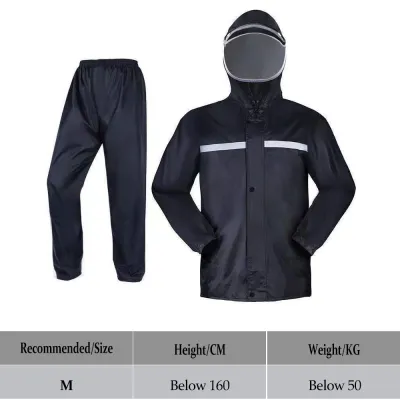
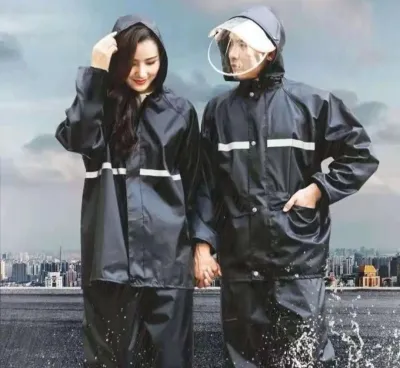
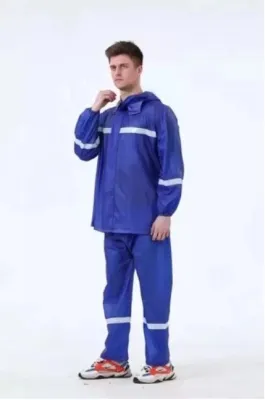
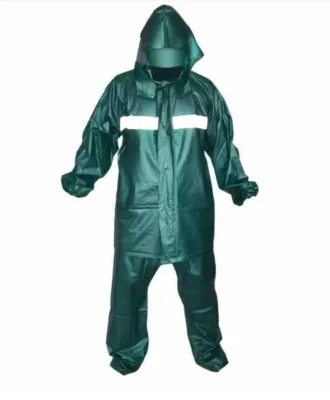
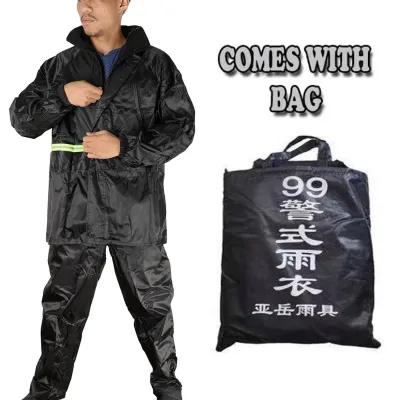
Prices are valid at publication and may change. Please refer to the product page for the latest price.
At speeds of 60 to 80 kilometers per hour, the impact pressure of raindrops increases significantly, easily penetrating fabrics that are only rated for light showers. This is why standard fashion raincoats fail almost instantly on a motorcycle. Checking the manufacturer’s technical specifications for a high hydrostatic head rating is the most reliable way to ensure the material can withstand the dynamic pressure of riding through a tropical deluge.
The fabric itself is only half of the waterproofing equation; the seams where the panels are joined are the most common failure points. Standard stitched seams create thousands of tiny needle holes that act as pathways for water under pressure. High-quality motorcycle rain gear utilizes fully taped or welded seams to seal these entry points. Taped seams feature a specialized waterproof tape applied under heat and pressure along the inside of the stitched seams, while welded seams use electromagnetic or thermal energy to fuse the fabric panels together without any stitching at all. Always inspect the interior of the garment to verify that the seams are completely sealed.
Many manufacturers apply a Durable Water Repellent (DWR) chemical coating to the outer surface of the raincoat. This treatment causes water to bead up and roll off the fabric rather than soaking into the outer fibers, a phenomenon known as wetting out. While DWR is highly effective at maintaining the lightweight feel and breathability of the garment, it is not a permanent waterproof barrier. Over time, exposure to road grime, UV rays, and friction will wear the coating away, meaning you must rely on the underlying waterproof membrane or laminate for long-term protection.
Ensuring Proper Fit Over Protective Riding Gear
A common mistake when purchasing a motorcycle raincoat is selecting a size based on regular clothing measurements. Motorcycle rain gear must fit comfortably over your existing protective equipment, including armored jackets, chest protectors, and riding pants. If the raincoat is too tight, it will restrict your range of motion, pull at the seams, and potentially tear when you reach for the handlebars or lean into a turn. Conversely, a suit that is too loose will flap violently in the wind, causing rapid rider fatigue and distracting noise.

When a raincoat is too tight, it can also pull the sleeves up your wrists or pull the pants down at the waist when you assume a riding posture, exposing your inner layers to the rain. To avoid this, it is generally advisable to check the manufacturer’s sizing chart specifically for over-gear measurements, or consider sizing up if you wear bulky, heavily armored adventure or touring jackets.
To achieve a secure and aerodynamic fit, look for raincoats equipped with multiple adjustment points. High-quality gear features adjustable hook-and-loop straps, elastic drawcords, or snap buttons at the cuffs, upper arms, waist, hem, and collar. These adjustment points allow you to cinch down the excess fabric once the raincoat is worn over your armor, preventing dangerous flapping at highway speeds and keeping the garment close to your body.
Ergonomic design elements like gussets and articulated joints are also essential for maintaining a natural riding posture. A gusset is an extra triangular piece of fabric sewn into areas of high stress, such as the crotch or underarms, to distribute tension and allow for greater flexibility. Articulated sleeves are pre-curved to match the natural bend of your arms when holding the handlebars. These features ensure that the raincoat does not pull tight or restrict your movements, allowing you to operate the clutch, brakes, and throttle without hindrance.
Maximizing Visibility in Dark and Heavy Storms
Tropical downpours in the Philippines can instantly reduce road visibility to near-zero, making it incredibly difficult for other motorists to see a motorcycle. To stay safe, your rain gear must feature highly reflective elements that catch the headlights of surrounding vehicles. Look for raincoats with strategic placement of retroreflective piping, wide panels, or large logos across the back, chest, and sleeves. These elements should conform to recognized visibility standards to ensure they remain effective even when coated in road spray and grime.
Reflective elements on the sides of the arms and legs are particularly important for maintaining visibility at intersections, where side-impact risks are highest. When riding in low-light conditions, these reflective materials bounce light directly back to the source, making your silhouette recognizable to drivers from multiple angles.
While dark colors like black or navy blue are popular for hiding road dirt, they make a rider virtually invisible during a heavy daytime storm or a night ride. Opting for high-visibility base colors—such as neon yellow, bright orange, or fluorescent green—significantly increases your passive safety on the road. These bright colors stand out sharply against the dark, grey backdrop of a tropical storm, giving drivers behind and ahead of you more time to react to your presence.
The design of the collar and hood also plays a critical role in both visibility and comfort. A high, adjustable collar is necessary to seal the gap between your jacket and the bottom of your helmet, preventing cold rainwater from running down your neck. If the raincoat includes a hood, it must be designed to roll up tightly into the collar or detach completely when riding. A loose hood will catch the wind like a parachute, pulling back on your helmet and obstructing your peripheral vision when you turn your head to check blind spots.
Managing Heat and Breathability in Tropical Climates
The Philippine climate presents a unique challenge for motorcycle riders: high humidity and warm temperatures persist even during heavy rainfall. Traditional, non-breathable raincoats made of heavy PVC or coated nylon trap body heat and sweat inside the suit. This creates a humid microclimate next to your skin, leading to intense condensation that can leave you just as wet from sweat as you would have been from the rain. To prevent heat exhaustion and discomfort, managing internal climate control is vital.
Breathable waterproof membranes, such as polyurethane-based laminates, offer a solution by utilizing microscopic pores that are large enough to let sweat vapor escape but small enough to block liquid water droplets from entering. While these technical fabrics are generally more expensive than basic PVC, they provide a vastly superior riding experience in tropical climates. When comparing materials, check the manufacturer’s breathability rating, often expressed in grams of water vapor per square meter over 24 hours (g/m²/24h), to ensure the fabric can handle active riding conditions.
Because high humidity can overwhelm even the best breathable membranes, physical ventilation is a necessary design feature. Look for raincoats that incorporate covered back vents, underarm zippered vents, or mesh-lined flaps. These vents must be strategically positioned to face away from the oncoming wind—usually on the rear of the shoulders or under the arms—allowing hot, humid air to be drawn out of the suit by the low-pressure zone created behind the rider, without allowing driving rain to enter.
To further manage sweat buildup, look for a rain suit that features a soft, moisture-wicking mesh inner lining. This lining prevents the waterproof outer shell from sticking directly to your skin or your underlying riding gear. This simple design element improves overall comfort, facilitates better internal airflow, and makes the suit much easier to put on and take off when a sudden downpour begins.
Pre-Purchase Checklist and Buying Conditions
Before making a purchase, conducting a thorough physical inspection of the rain gear’s hardware is essential. Examine the main zipper; it should be a heavy-duty, water-resistant design and must be protected by a wide storm flap that secures with hook-and-loop fasteners or snap buttons. This flap prevents wind-driven rain from forcing its way through the zipper teeth. Additionally, check for reinforced panels in high-wear areas, such as the seat of the pants and the inner thighs, which experience constant friction against the motorcycle seat and fuel tank.
For highway riding or long-distance travel, a two-piece jacket-and-pants suit is highly recommended over a one-piece poncho or a basic overcoat. A two-piece suit provides a secure, form-fitting seal around your waist and legs, eliminating the risk of fabric catching in the motorcycle’s moving parts, such as the chain or rear wheel. It also allows you to wear just the jacket during light drizzles or combine both pieces when the downpour becomes severe.
When comparing options and evaluating prices in Philippine Pesos (₱), it is wise to shop at official brand stores or reputable online marketplaces that offer clear return and exchange policies. Because sizing over protective armor can be tricky, you may need to exchange the suit if the fit is too restrictive or excessively loose. Investing in a well-constructed, motorcycle-specific rain suit from a trusted manufacturer ensures that the gear will perform reliably when you need it most, protecting your safety and comfort on the road.
Frequently Asked Questions (FAQ)
Can I use a standard outdoor hiking rain jacket for motorcycle riding?
No, standard outdoor hiking jackets are not designed to handle the unique physical demands of motorcycle riding. Hiking gear is tailored for low-speed, static movement, meaning its waterproof ratings are often insufficient to block water forced against the fabric by high-speed wind pressure. Additionally, hiking jackets lack the aerodynamic tailoring required to prevent violent flapping at speed, which can distract the rider and cause the fabric to tear.
Furthermore, hiking jackets do not have the extra room or specific cut required to fit comfortably over bulky motorcycle armor without restricting your movement. They also lack the abrasion-resistant materials and reinforced seams necessary to protect you in the event of a slide, making them a poor substitute for dedicated motorcycle rain gear.
How do I maintain the waterproof coating on my motorcycle raincoat?
To preserve the performance and extend the lifespan of your motorcycle raincoat, always follow the specific care instructions on the manufacturer’s label. Avoid using harsh household detergents, fabric softeners, or bleach, as these chemicals can break down the waterproof membrane, dissolve the seam tape, and strip away the outer Durable Water Repellent (DWR) coating. Instead, hand wash the garment using a mild, technical gear cleaner designed for waterproof fabrics.
After washing, allow the raincoat to air dry completely in a shaded, well-ventilated area, keeping it away from direct sunlight and high heat sources like dryers or radiators, which can melt the seam tape. If you notice that water is no longer beading up on the outer surface of the fabric, you can reapply an aftermarket DWR spray treatment to restore the water-shedding performance of the outer layer.

Community discussion
Share your experience or ask a question. Comments are reviewed before publication.