
Riding through a sudden tropical deluge requires gear that can withstand intense water volume and high wind speeds. A standard jacket will quickly saturate, leaving you cold, wet, and distracted on the road. To stay dry and safe during heavy monsoon seasons, choosing a high-quality raincoat for motorcycle use is essential. The right gear must balance absolute water resistance with ergonomic comfort and high visibility, ensuring you remain focused on navigating unpredictable road conditions.
Why Tropical Downpours Demand a Specialized Raincoat for Motorcycle Riding
When you walk through the rain, water falls vertically at a relatively low velocity. A simple umbrella or a basic plastic poncho is usually enough to keep you dry. However, riding a motorcycle completely changes the physics of water entry. At speeds of 50 km/h or more, rain is driven horizontally against your body with significant force. This wind pressure pushes water droplets into the smallest openings, including stitched seams, zipper teeth, and collar gaps.
In the Philippines, the rainy season brings unique environmental challenges. The southwest monsoon (Habagat) and frequent tropical depressions deliver immense volumes of water in very short periods. These downpours are often accompanied by gusty winds that can easily tear flimsy materials. A standard walking raincoat or a cheap, loose-fitting poncho will balloon in the wind, creating dangerous drag, flapping violently against your body, and eventually tearing apart at the seams.
Products mentioned in this guide
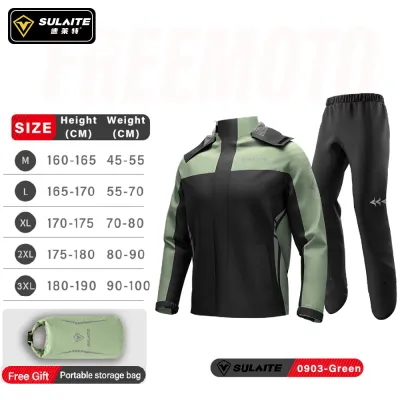
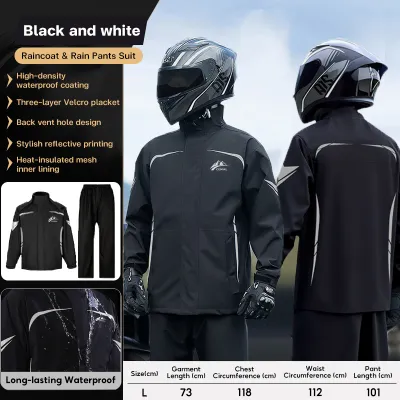
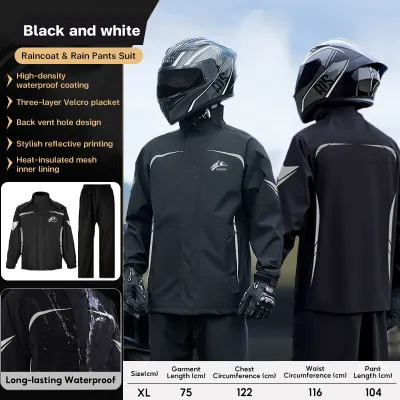
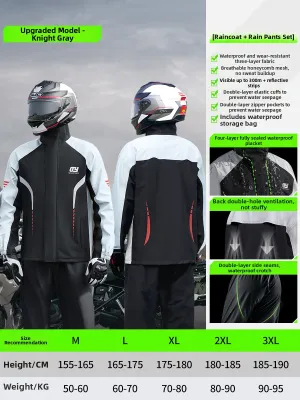
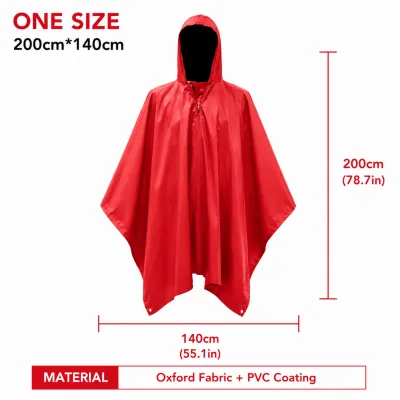
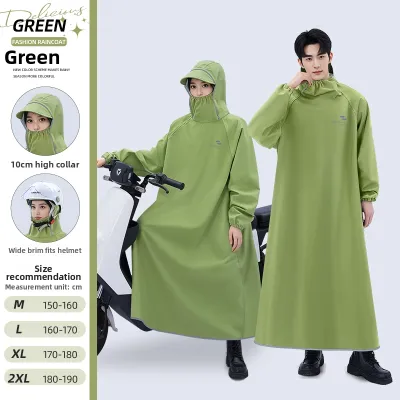
Prices are valid at publication and may change. Please refer to the product page for the latest price.
Furthermore, the tropical climate means that heavy rain is often accompanied by high ambient temperatures and stifling humidity. If your rain gear does not allow heat to escape, you will quickly become soaked from your own sweat. This “sauna effect” is not just uncomfortable; it causes rapid fatigue and reduces your concentration on wet, slippery roads. Specialized motorcycle rain gear is engineered specifically to address these high-speed physical forces and tropical climate demands.
Critical Waterproofing and Material Construction
To keep water out during prolonged exposure to heavy rain, you must look beyond generic “waterproof” marketing claims and evaluate the actual construction of the garment.

Fully Taped or Welded Seams Every time a needle punctures fabric to sew a seam, it leaves a row of tiny holes. Under the pressure of riding winds, water will inevitably find these holes and leak inside. High-quality motorcycle raincoats feature fully taped or hot-air welded seams on the interior. This process applies a waterproof thermoplastic tape over the stitched lines, sealing the needle holes completely. When inspecting gear, always turn it inside out to verify that every single seam is covered by a smooth, unbroken layer of tape.
Hydrostatic Head Ratings The waterproof capability of a fabric is measured using a hydrostatic head test, which determines how many millimeters of water column the material can support before water penetrates. For light drizzles, a rating of 5,000 mm might suffice. However, to withstand heavy tropical downpours and high-speed wind pressure, look for a raincoat with a hydrostatic head rating of at least 10,000 mm, with 15,000 mm or higher being ideal. Always check the manufacturer’s technical specifications for these verified ratings rather than relying on vague product descriptions.
Heavy-Duty Outer Fabrics The outer layer must be durable enough to resist tearing from wind shear, road debris, and regular wear. Heavy-duty polyester or nylon fabrics, such as Oxford weave with a denier rating of 300D or higher, provide excellent structural integrity. These materials do not stretch or degrade easily under constant wind buffeting, ensuring the garment retains its shape and protective qualities over multiple riding seasons.
Durable Water Repellent (DWR) Finish A high-quality raincoat features a DWR coating on the outermost fabric layer. This invisible chemical treatment causes water to bead up and roll off the surface instead of soaking into the fibers. If the outer fabric lacks DWR or the coating has worn off, the material will undergo “wetting out.” While the inner waterproof membrane might still block water from reaching your skin, a wetted-out jacket becomes heavy, cold, and completely loses its ability to breathe, leading to intense condensation inside the suit.
Ergonomic Fit for the Motorcycle Riding Position
A raincoat might keep you dry while standing still, but it can fail completely once you sit on a motorcycle. The physical posture of riding requires specific ergonomic cuts to prevent water ingress and maintain freedom of movement.
Extended Back Panel (Drop Tail) When you reach forward to grip the handlebars, your torso bends, pulling the back of your jacket upward. This movement often exposes your lower back and allows water to pool on the motorcycle seat, eventually seeping into your pants. A riding-specific raincoat features a drop tail—an extended back panel that remains long enough to cover your waist and seat even in a fully tucked or forward-leaning riding position.
Pre-Curved Sleeves Standard jackets are cut with straight sleeves designed for arms hanging at the sides. On a motorcycle, your arms are extended forward. Straight sleeves will bunch up at the elbows and pull back at the wrists, exposing your forearms and leaving a gap between your jacket cuff and riding gloves. Pre-curved or articulated sleeves are tailored to match the natural bend of a rider’s arms, reducing material tension and ensuring full coverage at all times.
Cuff and Collar Security Water running down your helmet or arms will easily find its way inside if your collar and cuffs are loose. Look for raincoats with adjustable cuffs featuring wide Velcro straps or inner elastic storm gaskets. These should seal tightly over or under your riding gloves to block wind-driven water. The collar should be high, lined with soft fleece or microfiber to prevent neck chafing, and protected by a wide storm flap that secures tightly with snaps or hook-and-loop fasteners to seal the main zipper path.
Fit Testing Before Use Before riding out into a storm, always perform a fit test with your protective riding gear underneath. Put on your riding jacket, armor, and helmet, then wear the raincoat over them. Sit on your motorcycle or mimic your exact riding posture. Reach for the handlebars, turn your head fully to check your blind spots, and lift your legs. The raincoat should feel secure without pulling tight across your shoulders, chest, or crotch, and it should not restrict your range of motion.
Visibility and Safety Features for Low-Light Storms
Heavy tropical downpours drastically reduce visibility on the road. Gray skies, thick sheets of falling water, and road spray from larger vehicles make it incredibly difficult for other motorists to see a motorcyclist. Your rain gear must act as an active safety layer to keep you visible.
High-Visibility Colors While dark colors like black or navy blue are popular, they blend directly into the dark, rainy environment. Opting for a raincoat with high-visibility neon yellow, fluorescent green, or bright orange panels on the upper chest, shoulders, and back significantly increases your visual presence. These colors stand out sharply against gray road backdrops, giving other drivers more time to react.
Strategic Retro-Reflective Elements When riding in low-light storm conditions or at night, retro-reflective materials are vital. These materials reflect light back to its source, making you illuminate brightly under the headlights of oncoming or trailing vehicles. Ensure the raincoat features retro-reflective strips (such as 3M Scotchlite) across the upper back, chest, and outer sleeves. These strips must be positioned so they are not obscured by a backpack or your natural riding posture.
Unobstructed Vision and Movement Many raincoats come with integrated hoods. While useful when walking, a bulky hood can be dangerous when riding. If worn under a helmet, a thick hood can alter helmet fit and safety performance. If left flapping behind, it can catch the wind and pull at your neck. Choose a raincoat with a thin, tuck-away hood that folds flat into the collar, or a fully detachable hood. Ensure the collar design does not block your peripheral vision or restrict your ability to perform quick head checks.
Managing Heat and Humidity: Ventilation and Breathability
Staying dry is not just about keeping rainwater out; it is also about letting sweat escape. In the hot, humid climate of the Philippines, a completely sealed, non-breathable plastic suit will quickly trap body heat, leaving you drenched in perspiration.
Breathable Membranes vs. Coated Fabrics Basic raincoats use solid PVC or heavy polyurethane (PU) coatings that act as a complete barrier to both water and air. While highly waterproof, they trap all moisture inside. Advanced riding gear utilizes microporous membranes. These membranes contain billions of microscopic pores that are too small for liquid water droplets to pass through, but large enough for individual water vapor molecules (sweat) to escape. This technology keeps you dry from both the rain outside and the moisture generated by your body.
Strategic Venting Systems Because tropical humidity can overwhelm even the most advanced breathable membranes, physical ventilation is crucial. Look for raincoats designed with zippered underarm vents, chest intake vents, and horizontal back exhaust vents. These vents must be covered by deep, downward-facing storm flaps. This design allows hot air and moisture to escape continuously while utilizing the motorcycle’s forward motion to draw fresh air in, all without allowing wind-driven rain to enter the garment.
Comfortable Inner Linings Direct contact between a damp waterproof shell and your bare skin or a wet t-shirt is highly uncomfortable and cold. A high-quality raincoat features a lightweight polyester mesh inner lining. This lining creates a physical gap between your skin and the outer shell, promoting airflow, preventing the fabric from sticking to your arms, and making the garment much easier to slide on and off when wet.
How to Inspect and Verify Raincoat Quality Before Purchase
When shopping for a raincoat, whether in physical retail stores or on online marketplaces, a systematic inspection will help you avoid low-quality products that fail during their first heavy storm.
Physical Inspection Checklist If you are evaluating a raincoat in a physical store, turn the garment completely inside out. Carefully examine the seam tape. It should lie perfectly flat against the fabric without any bubbles, lifted edges, or peeling corners. Pay close attention to high-stress intersection points, such as where the sleeves meet the shoulders and around the crotch area of rain pants, as these are the most common failure points.
Zipper and Storm Flap Verification Zippers are a primary entry point for wind-driven water. Inspect the main front zipper to ensure it is robust and operates smoothly. It should be backed by a double storm flap system—a flap on the inside and a wider flap on the outside that folds over the zipper teeth. This outer flap must be secured firmly with snap buttons or continuous, high-quality Velcro to prevent wind pressure from forcing water through the zipper.
Online Shopping Verification When purchasing from online marketplaces, do not rely on generic “100% waterproof” labels. Search the product description for technical specifications, including the specific fabric type (such as Taslan nylon or ripstop polyester), the presence of a TPU membrane, and the exact hydrostatic head rating in millimeters. Read verified customer reviews carefully, paying attention to feedback from riders who have tested the gear in actual tropical storms or heavy monsoon conditions rather than light drizzles.
Frequently Asked Questions (FAQ)
Can I use a standard walking raincoat for riding a motorcycle?
Using a standard walking raincoat for motorcycle riding is highly discouraged due to safety and performance limitations. Walking raincoats are designed for low-velocity vertical rain and lack the structural reinforcement needed to withstand high-speed wind pressure. At riding speeds, the thin fabric will balloon and flap violently, which distracts the rider, creates dangerous aerodynamic drag, and can cause the material to tear easily. Additionally, standard raincoats lack taped seams, pre-curved sleeves, and secure cuff closures, meaning wind-driven water will quickly force its way through the seams, up the sleeves, and down the collar, leaving you completely soaked.
How do I maintain the waterproof coating on my riding rain gear?
To prolong the life and effectiveness of your motorcycle rain gear, always check the manufacturer’s care label for specific instructions before cleaning. Generally, hand wash or machine wash the garment on a gentle cycle using cool water and a mild, technical liquid detergent formulated specifically for waterproof fabrics. Never use standard household laundry detergents, fabric softeners, or bleach, as these harsh chemicals strip away the Durable Water Repellent (DWR) coating and clog breathable membranes. Hang the gear to air-dry completely in a well-ventilated area away from direct sunlight and high heat sources. If water stops beading on the outer surface and begins to soak into the fabric, reapply a specialized spray-on or wash-in DWR treatment according to the product’s instructions to restore its water-shedding performance.
Community discussion
Share your experience or ask a question. Comments are reviewed before publication.