
Riding a motorcycle under the intense tropical sun requires gear that balances two seemingly opposing forces: maximum cooling and robust impact safety. In a climate characterized by high temperatures and stifling humidity, wearing heavy, non-breathable apparel quickly leads to physical exhaustion. To maintain focus and physical comfort on the road, the specific vest motorcycle rider options you choose must be designed from the ground up to facilitate continuous airflow while housing certified protective elements. Selecting the right gear involves evaluating structural ventilation, advanced fabric technologies, and ergonomic features that prevent heat-related fatigue.
Understanding the Tropical Climate Challenge for Riders
Temperate-climate riding gear is often engineered to trap body heat and block cold wind, relying on thick, insulated layers to keep the rider comfortable. In the Philippines, however, this design philosophy is counterproductive and dangerous. The local climate regularly presents temperatures exceeding 30 degrees Celsius paired with relative humidity levels that frequently climb above 80 percent. Under these conditions, the body’s primary cooling mechanism—the evaporation of sweat—is severely hindered because the surrounding air is already saturated with moisture.
When a rider wears heavy, non-breathable gear in this environment, heat becomes trapped against the skin, leading to a rapid rise in core body temperature. This thermal stress quickly manifests as physical symptoms, including heavy sweating, dehydration, and muscle cramps. More critically, prolonged heat exposure induces cognitive fatigue, which slows reaction times, impairs spatial awareness, and degrades decision-making capabilities on highly congested roads.
Products mentioned in this guide
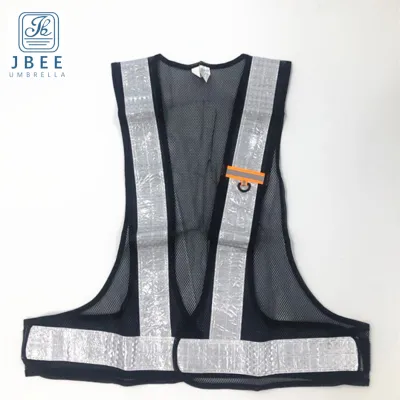
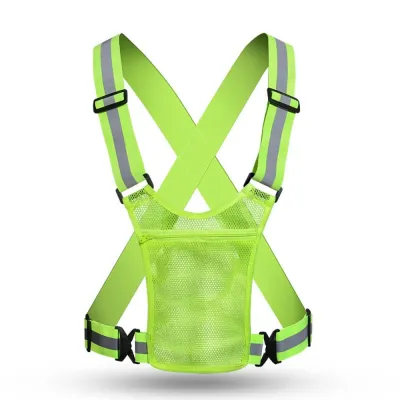
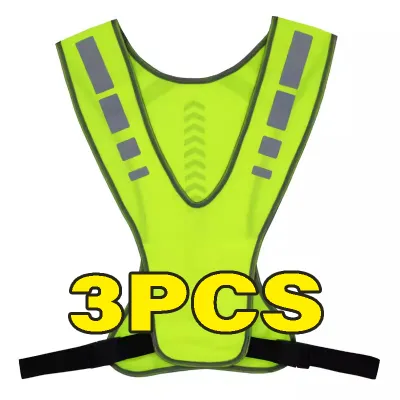
Prices are valid at publication and may change. Please refer to the product page for the latest price.
The core objective when selecting a riding vest is to find a garment that manages this intense thermal load without sacrificing essential impact and abrasion protection. A well-designed tropical riding vest serves as a lightweight, highly ventilated chassis that keeps protective armor securely positioned over vital organs and joints. By prioritizing airflow and moisture management, you can significantly reduce physical strain, allowing you to remain alert and responsive throughout your journey.
Maximizing Airflow: Ventilation Features for the Vest Motorcycle Rider
To keep air moving across your body, a riding vest must utilize strategic structural design rather than relying solely on thin materials. The placement of ventilation zones is critical because air must not only enter the garment but also have a clear path to escape. Look for vests that feature large mesh panels positioned across the chest, underarms, and upper back to establish a continuous front-to-back wind tunnel effect while you are in motion.

While maximizing mesh coverage is essential, the garment must retain its structural integrity around high-stress areas such as the spine, shoulders, and sides. Premium vests achieve this by framing high-tensile mesh panels with solid, heavy-duty textile borders. This hybrid construction ensures that the vest will not tear apart or shift out of place during a slide, keeping the protective elements exactly where they are needed most.
When comparing ventilation systems, it is important to distinguish between passive mesh and active zippered vents. Passive mesh panels are permanently open, providing immediate, unrestricted airflow the moment you start moving. This design is highly effective for low-speed city riding and navigating congested urban corridors where natural wind is minimal.
Active ventilation, which utilizes zippered intake vents and exhaust ports, allows you to manually adjust the airflow based on changing weather conditions. For riders who primarily commute through dense stop-and-go traffic, passive mesh vests offer superior cooling because they do not rely on high speeds to force air through small zippered openings. Conversely, active zippered systems are highly advantageous for long-distance highway cruising, where you can close the vents slightly to prevent excessive wind blast or wind chill during early morning departures, and open them fully as the midday heat intensifies.
Choosing the Right Materials for Breathability and Moisture Control
The performance of a tropical riding vest depends heavily on the technical properties of its fabrics. Standard polyester or basic nylon can trap moisture, whereas specialized moisture-wicking and quick-dry fabrics are engineered to actively manage sweat. These advanced textiles feature capillary fibers that draw moisture away from your skin and pull it toward the outer surface of the garment, where the passing wind can rapidly evaporate it.
When evaluating a vest, check the manufacturer’s product tags and specifications for technical interior linings, such as 3D spacer mesh or moisture-wicking polyester mesh. A 3D mesh lining is particularly valuable because it creates a physical gap between your body and the outer shell of the vest. This small space allows air to circulate continuously beneath the fabric, preventing the damp vest from sticking to your skin and causing discomfort.
Conversely, there are several materials that you should strictly avoid when riding in high humidity. Heavy, unperforated fashion leathers are notorious for trapping heat and sweat, turning the interior of the vest into a virtual sauna within minutes. Similarly, cheap synthetics that lack a breathable lining or proper ventilation ports will quickly cause severe chafing, skin irritation, and heat rash.
Furthermore, low-quality synthetic materials often degrade rapidly when exposed to acidic sweat and intense ultraviolet radiation. Over time, these materials lose their flexibility, become brittle, and fail to provide the necessary tear resistance during an emergency. Investing in high-quality, purpose-built riding textiles ensures that the vest remains both comfortable against your skin and structurally dependable over years of daily tropical exposure.
Preserving Safety: Armor and Abrasion Resistance in the Heat
Opting for a highly ventilated vest should never mean compromising on your physical safety. To achieve the ideal balance between cooling and protection, look for vests that utilize a hybrid construction method. This design philosophy places heavy-duty, abrasion-resistant materials—such as 600-denier (600D) polyester, Cordura, or reinforced ballistic nylon—specifically on high-impact and slide-prone zones like the shoulders, upper back, and lateral sides.
The lower-risk areas, such as the chest and underarms, are then constructed from high-tensile mesh fabrics that allow maximum wind penetration. This targeted approach ensures that the vest can withstand the friction of a slide on asphalt while still keeping your core temperature low. Before purchasing, verify that the abrasion-resistant panels are double-stitched with heavy-duty nylon thread to prevent seam failure under extreme stress.
In addition to abrasion-resistant fabrics, a protective vest must accommodate high-quality impact armor. Always check the manufacturer’s specifications to ensure the vest is compatible with CE Level 1 or CE Level 2 certified protectors for the back and chest. It is crucial to verify that the internal armor pockets are constructed from breathable mesh rather than solid, heavy fabric, as solid pockets will completely block the airflow from the vest’s external ventilation panels.
Furthermore, pay close attention to the design of the armor inserts themselves. Traditional solid foam or dense rubber pads tend to retain a significant amount of body heat and block wind. Modern, highly ventilated armor inserts—such as those utilizing open-cell geometric structures or perforated polymer designs—allow air to flow directly through the protector. This advanced design ensures that your spine and chest remain protected without creating localized hot spots on your body.
Practical Design and Fit for Stop-and-Go Traffic
A riding vest must fit correctly to perform its protective and cooling duties effectively. In stop-and-go traffic, a vest that is too loose will flap violently at higher speeds, causing rider fatigue and allowing the internal armor to shift away from critical impact zones. To prevent this, choose a vest that offers multiple adjustment points, such as side laces, adjustable Velcro waist straps, or snap buttons along the torso.
These adjustment features allow you to customize the fit of the vest over different base layers. For instance, you can tighten the straps when wearing a thin, moisture-wicking compression shirt on hot afternoons, or loosen them slightly if you wear a light long-sleeve shirt for sun protection. A snug, tailored fit ensures that the protective panels remain securely anchored against your body while minimizing wind resistance and aerodynamic drag.
Pocket placement is another practical detail that directly impacts both utility and ventilation. While having accessible pockets for your phone, wallet, or tollway RFID cards is highly convenient, large, solid-fabric pockets sewn directly over the chest will obstruct vital airflow. Look for vests that feature mesh-lined pockets or strategically placed utility pockets positioned lower on the waist or along the inner lining, where they will not interfere with the primary ventilation zones.
Visibility is also a paramount safety consideration when riding in unpredictable tropical weather, where sudden afternoon downpours can instantly reduce road visibility. Ensure the vest features integrated reflective piping, high-visibility panels, or retroreflective strips across the chest and back. These elements reflect the headlights of surrounding vehicles, ensuring that you remain highly visible to other motorists during heavy rainstorms, low-light conditions, or nighttime commutes.
Maintenance: Preventing Mold and Odor in High Humidity
The combination of sweat, road grime, and high relative humidity creates an ideal breeding ground for bacteria, mold, and mildew. To preserve the hygiene, structural integrity, and longevity of your riding vest, establishing a consistent post-ride maintenance routine is essential. Immediately after completing a ride, remove the vest and hang it on a wide, heavy-duty hanger in a well-ventilated, shaded indoor area.
Never leave a damp riding vest stuffed inside a motorcycle top box, under-seat storage compartment, or a dark, unventilated closet. This trapped moisture will rapidly lead to the growth of mold, which not only causes persistent, unpleasant odors but can also degrade the synthetic fibers and stitching of the garment over time. Allowing the vest to air-dry completely in a breezy environment is the simplest way to prevent bacterial buildup.
When it comes to cleaning, always consult and strictly follow the manufacturer’s care labels. Before washing, remove all impact armor inserts from their pockets. Most technical mesh vests should be hand-washed or cleaned on a gentle machine cycle using cold water and a mild liquid detergent. Avoid using fabric softeners, bleach, or harsh chemical additives, as these substances can clog the pores of moisture-wicking fabrics and break down the protective coatings on abrasion-resistant panels.
After washing, allow the vest to air-dry naturally in the shade. Avoid using a mechanical clothes dryer unless the manufacturer’s instructions explicitly permit it, as high heat can warp synthetic mesh, shrink technical linings, and damage Velcro fasteners. Once completely dry, store the vest and its armor inserts in a cool, dry closet away from direct sunlight to protect the materials from UV degradation and maintain their safety performance.
Frequently Asked Questions (FAQ)
Is a full-leather vest practical for daily riding in the Philippines?
While a full-leather vest offers excellent abrasion resistance, it is generally impractical for daily urban commuting in the Philippines. Traditional solid leather lacks the breathability required to handle high humidity and stop-and-go traffic, quickly leading to overheating and severe discomfort. If you prefer the classic look and protection of leather, reserve it for cooler nighttime rides or high-speed highway touring, and opt for a model that features extensive perforation to allow some degree of airflow.
Does a highly ventilated mesh vest compromise crash protection?
A highly ventilated mesh vest does not have to compromise safety, provided it is designed specifically for motorcycle use. While cheap, unreinforced mesh offers very little slide protection, high-quality riding vests utilize a hybrid construction that combines heavy-duty, abrasion-resistant textiles (like 600D polyester or Cordura) on critical impact zones with breathable mesh on low-risk panels. When paired with CE-certified back and chest armor, a well-constructed mesh vest provides a highly effective balance of impact protection, slide resistance, and tropical cooling.
Community discussion
Share your experience or ask a question. Comments are reviewed before publication.