
Finding the right motorcycle trapal cover in the Philippines requires looking beyond a basic plastic sheet. To survive the intense tropical climate, a high-quality cover must feature robust UV-treated fabric, heat-sealed or taped seams for absolute waterproofing, built-in air vents to prevent moisture buildup, and heavy-duty securement straps to withstand sudden monsoon winds. Selecting a cover with these specific properties ensures your motorcycle remains shielded from paint oxidation, corrosion, and mold.
Why the Tropical Climate Demands Specific Trapal Features
The Philippine climate presents a harsh environment for any vehicle left outdoors. Throughout the year, motorcycles face an aggressive cycle of intense equatorial sunlight, sudden torrential monsoon downpours, and relentless ambient humidity. This combination accelerates the degradation of unprotected materials, turning soft plastics brittle and stripping away the glossy finish of your paintwork.
Standard, low-grade plastic covers often fail rapidly under these conditions. When exposed to high ultraviolet radiation, untreated plastics dry out, crack, and tear along stress lines. Meanwhile, heavy rains quickly penetrate weak seams, trapping water against the metal frame and engine block.
Products mentioned in this guide
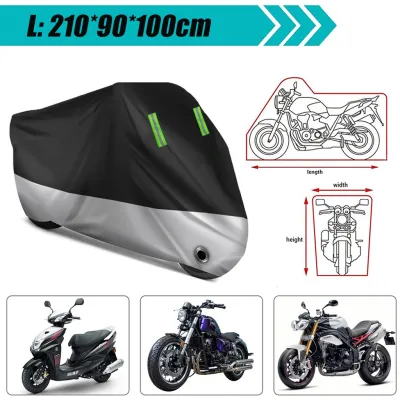
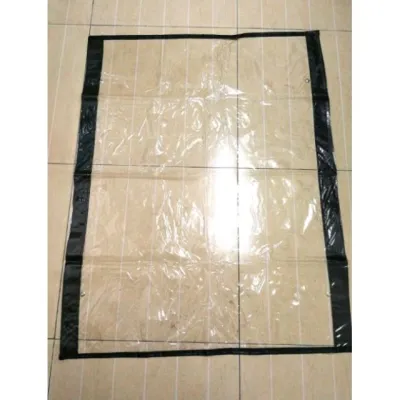
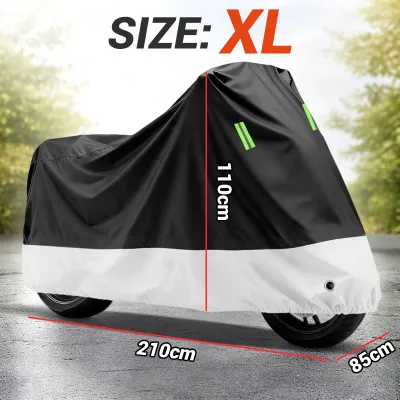
Prices are valid at publication and may change. Please refer to the product page for the latest price.
Without proper ventilation, a simple cover turns into a localized greenhouse. The heat from the sun evaporates moisture from the ground, which then condenses on the underside of the cover, creating a humid microclimate that fosters rust on chrome parts and mold on leather or vinyl seats. Therefore, a reliable cover must perform as a dynamic shield that balances absolute water resistance with active breathability and thermal reflection.
Essential Material Properties for Sun and Rain Protection
When shopping for a motorcycle trapal cover, the material composition is your first line of defense. You cannot rely on generic marketing labels like “heavy-duty” or “all-weather” without verifying the underlying specifications. The ideal cover uses engineered synthetic fabrics designed to repel external moisture while resisting solar degradation.

Waterproofing and Seam Construction
True waterproofing relies heavily on how the fabric panels are joined together. Standard stitched seams contain thousands of tiny needle punctures that act as entry points for water during heavy monsoon downpours. To prevent leaks, you must look for covers featuring heat-sealed or taped seams, where a waterproof membrane is thermally bonded over the stitching to seal those punctures.
The thickness and density of the fabric also dictate its long-term durability against water penetration. Fabric density is typically measured in denier (D), such as 150D, 300D, or even 600D polyester. Higher denier ratings indicate thicker, stronger fibers that offer superior resistance to tearing and water pressure, though they also make the cover heavier to handle.
Additionally, check the exterior coating of the cover. High-quality options feature a polyurethane (PU) or polyvinyl chloride (PVC) backing that actively sheds water, causing rain to bead up and roll off immediately. This water-shedding capability prevents the fabric from absorbing water, which would otherwise make the cover heavy, difficult to pack, and highly prone to mildew.
UV Resistance and Heat Reflection
The tropical sun can be just as damaging as a severe storm. Continuous exposure to ultraviolet (UV) radiation breaks down the chemical bonds of standard polymers, causing the cover itself to fade, stiffen, and eventually rip. To prevent this, ensure the product specifications explicitly state that the fabric has been treated with UV-inhibiting stabilizers.
In addition to UV protection, heat reflection is crucial for preserving your motorcycle’s delicate components. Look for covers that feature a reflective outer coating, often utilizing silver polyurethane or aluminum-infused finishes. These reflective surfaces bounce solar radiation away from the bike rather than absorbing it.
This thermal barrier keeps the air temperature underneath the cover significantly lower. By reducing heat buildup, you protect your vinyl or leather seat from drying out and cracking, prevent plastic fairings from warping, and reduce the risk of fuel evaporation or thermal stress on the paint and clear coat.
Breathability and Moisture Management to Prevent Rust and Mold
While keeping rain out is vital, allowing trapped moisture to escape is equally important. In highly humid regions like the Philippines, moisture does not just come from the sky; it evaporates from the damp ground beneath the parked motorcycle. If your cover is completely airtight, this rising water vapor becomes trapped, creating a high-humidity chamber.
This trapped moisture settles on cold metal surfaces, accelerating the oxidation process and causing rust on the chain, brake discs, and exposed bolts. It also creates an ideal breeding ground for mold and mildew on the handlebars, seat, and soft luggage accessories.
To combat this greenhouse effect, high-quality motorcycle covers incorporate built-in ventilation panels or hooded air vents. These vents are strategically positioned—usually near the top or sides—to allow warm, humid air to rise and escape. The hoods are designed to face downward, ensuring that while air flows freely, falling rain cannot enter.
Furthermore, consider the interior lining of the cover. While the outer shell must be tough and weather-resistant, the inner layer should be gentle on your motorcycle’s surfaces. Look for covers with a soft, non-scratch inner lining made from fleece, cotton, or brushed microfiber. This lining acts as a protective buffer against wind-induced friction, preventing the cover from scratching your bike’s clear coat, while also absorbing minor ambient condensation.
Design Features to Secure the Cover Against Strong Winds
A cover is only effective if it stays on your motorcycle. During the typhoon season, strong winds can easily catch a loose cover, turning it into a sail that can pull your motorcycle over or blow the cover away entirely. Securing the cover requires specific structural design elements.
First, check for heavy-duty elasticized hems at both the front and rear of the cover. These elastic bands hug the bottom of the tires, creating a snug, form-fitting seal that prevents the wind from getting underneath and lifting the fabric.
Second, look for integrated tie-down straps and buckle systems. A central belly strap that buckles underneath the motorcycle frame is essential for keeping the cover anchored during severe gusts. Additionally, reinforced metal grommets or heavy-duty fabric loops near the wheels allow you to run a cable lock or bungee cords through the cover and the wheels, providing both wind security and basic theft deterrence.
You must also weigh the trade-offs between a universal-fit cover and a custom-fit model. Universal covers are highly accessible and budget-friendly, but their loose fit can create excess fabric pockets that flap violently in the wind, increasing wear and tear. A custom-fit or semi-custom cover tailored to your specific motorcycle category (such as underbone, scooter, adventure, or cruiser) offers a tighter profile, reducing wind resistance and minimizing paint friction. Always measure your motorcycle’s dimensions—including any installed top boxes, side panniers, or tall windshields—before selecting a size.
How to Maintain Your Trapal Cover in Humid Conditions
Proper maintenance is key to maximizing the lifespan of your motorcycle trapal cover and ensuring it continues to protect your bike. Over time, environmental pollutants like dust, bird droppings, tree sap, and sea salt accumulate on the surface, which can degrade the protective coatings if left uncleaned.
To clean your cover, hand-wash it gently using mild soap and lukewarm water. Avoid using harsh household detergents, bleach, or stiff-bristled brushes, as these can strip away the specialized UV-resistant and waterproof coatings. Never put the cover into a washing machine or mechanical dryer, which can delaminate the inner waterproof backing.
Before placing the cover back on your motorcycle or folding it up for storage, ensure both the motorcycle and the cover are completely dry. Putting a wet cover onto a bike, or storing a damp cover in a bag, will inevitably lead to mold, mildew, and unpleasant odors. If your motorcycle engine or exhaust pipe is still hot from a ride, let it cool down completely before covering it, unless your cover specifically features a heat-resistant lower panel designed to withstand high temperatures.
Finally, perform a seasonal inspection of your cover before the monsoon season begins. Check for minor tears, peeling inner linings, or seam separations. Addressing these issues early with specialized gear repair tape can prevent sudden failures during a heavy storm.
Frequently Asked Questions (FAQ)
Can I use a regular blue trapal sheet as a motorcycle cover?
While a standard blue or orange tarpaulin sheet is highly waterproof and affordable, it is not designed to protect automotive finishes. Standard blue trapal sheets lack UV-resistant stabilizers, meaning they will quickly degrade and crack under intense sunlight. They also lack a soft inner lining, and their rough, coarse texture can easily scratch your motorcycle’s paint and plastic fairings when moved by the wind. Furthermore, these sheets do not have built-in ventilation or tailored security straps, which increases the risk of trapping moisture underneath and causing the sheet to blow away during a storm.
How often should I replace my motorcycle trapal cover?
There is no fixed timeframe for replacing a motorcycle cover, as its lifespan depends heavily on daily sun exposure, weather severity, and how well it is maintained. Instead, look for physical signs of wear to determine when it is time for a replacement. If you notice severe fading, a stiff or brittle texture, visible cracks in the material, or peeling of the inner waterproof coating, the cover’s protective qualities have been compromised. If water begins to seep through the seams or fabric during normal rainfall, it is time to invest in a new cover to prevent moisture damage to your motorcycle.
Community discussion
Share your experience or ask a question. Comments are reviewed before publication.