
To stay dry and comfortable during heavy tropical downpours, a plus-size motorcycle rider needs a raincoat that balances generous sizing with a secure, wind-resistant fit. Standard raincoats often fail because they do not account for the added bulk of protective riding gear or the physical demands of a seated riding posture. Finding the right raincoat waterproof for men plus size requires looking beyond basic water resistance to focus on adjustable fit points, durable seam construction, and riding-specific cuts that prevent water from pooling or seeping in during long commutes.
Selecting gear that accommodates a larger build while maintaining its protective qualities is essential for safety on the road. When a raincoat is too tight, it restricts movement, increases rider fatigue, and puts immense pressure on the seams, leading to premature tears. By prioritizing features designed specifically for the ergonomics of motorcycling, riders can ensure they remain dry, visible, and focused on the road ahead, even during the most severe rainstorms.
Sizing and Fit: Accommodating a Larger Build and Riding Gear
When shopping for a plus-size motorcycle raincoat, the most common mistake is choosing a size based solely on standard casual clothing measurements. A proper riding raincoat must fit comfortably over your existing protective gear, including armored jackets, chest protectors, and thick riding pants. To find the correct size, put on your full riding gear and take accurate measurements of your chest, waist, and sleeve length, then compare these figures against the manufacturer’s specific size charts rather than relying on generic labels.
Products mentioned in this guide
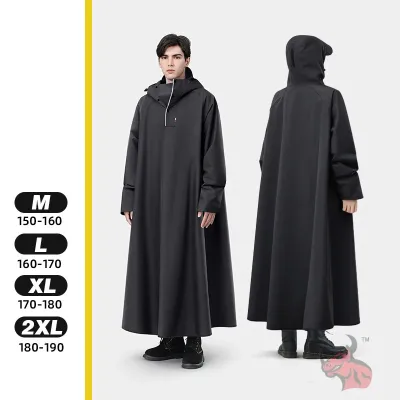
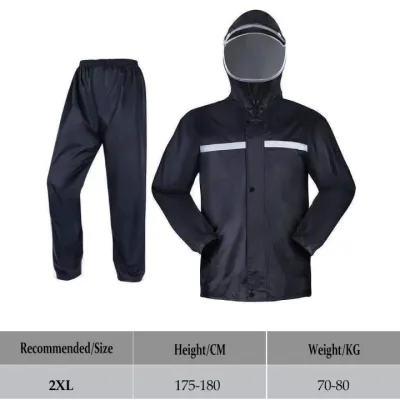
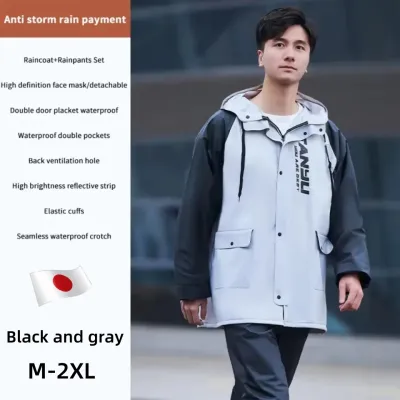
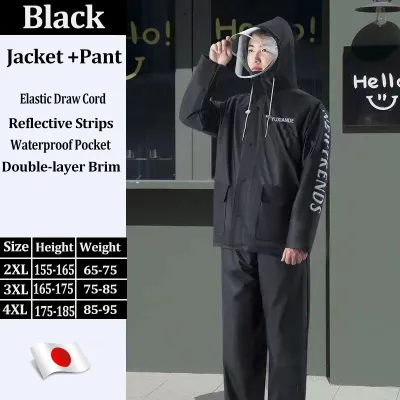
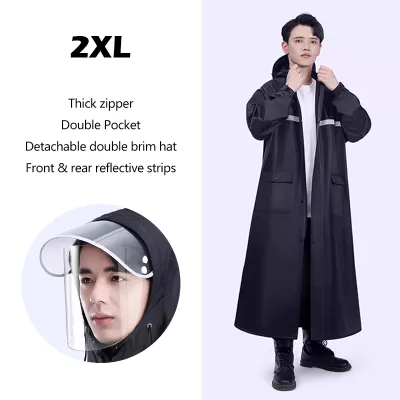
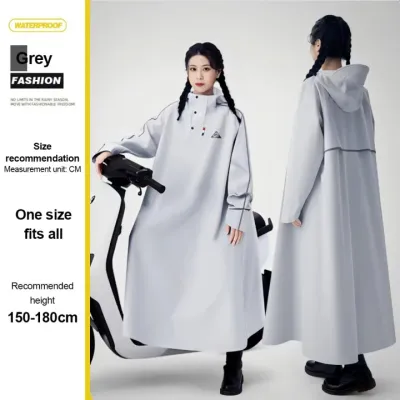
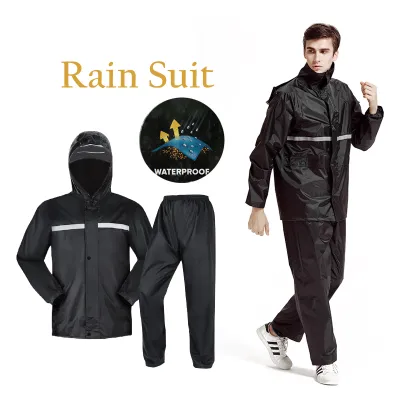
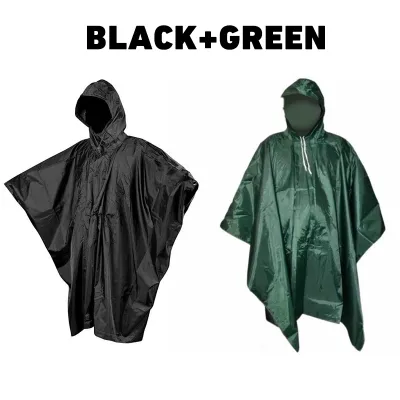
Prices are valid at publication and may change. Please refer to the product page for the latest price.
Adjustability is the key to preventing a larger raincoat from becoming a liability at high speeds. Look for garments equipped with adjustable hook-and-loop cuffs, hem drawcords, and waist belts or straps. These features allow you to cinch down excess fabric, preventing the raincoat from ballooning or flapping violently in the wind. Excessive wind flap not only causes rider fatigue but can also compromise the structural integrity of the fabric and force water through closures.
Shoulder and arm mobility are critical when reaching for the handlebars, especially on wider cruiser or adventure bike setups. Raincoats designed with raglan sleeves or gusseted underarms offer a more natural range of motion because they eliminate the restrictive shoulder seams found in standard jackets. This construction ensures that when you reach forward, the sleeves do not pull back from your wrists, keeping your arms fully covered and protected from incoming rain.
Waterproofing and Seams: Handling Heavy Downpours and Road Spray
Understanding the distinction between water-resistant and fully waterproof materials is vital for heavy rain survival. Many budget raincoats rely on temporary durable water repellent (DWR) coatings that quickly saturate and fail under the pressure of highway-speed rain. For reliable protection, look for raincoats constructed from heavy-duty polyester or nylon backed by a solid polyurethane (PU) or polyvinyl chloride (PVC) membrane, which acts as an impenetrable physical barrier to water.

Even the most waterproof fabric will fail if the seams are not properly sealed. During a ride, wind pressure forces water directly into the tiny needle holes created during the stitching process. Ensure the raincoat features fully taped or welded seams, particularly in high-stress areas like the shoulders, underarms, and the crotch of the pants. Taped seams are sealed on the inside with a hot-melt waterproof tape, while welded seams use heat and pressure to fuse the fabric panels together, creating a seamless barrier.
Zippers are notorious entry points for water, making robust closure systems a necessity. A high-quality motorcycle raincoat should feature a heavy-duty main zipper protected by a wide storm flap. The most effective designs utilize a double-closure system, where the storm flap folds over the zipper and secures tightly with hook-and-loop fasteners or snap buttons. This creates a labyrinth-like barrier that prevents wind-driven rain from penetrating the front of the jacket.
Riding-Specific Cut: Preventing Ride-Up and Restricting Movement
A standard raincoat is cut for walking, which means it will naturally ride up your torso and legs once you assume a seated riding position. To prevent this, look for a raincoat with a riding-specific cut, featuring a longer back hem or a drop-tail design. This extra length ensures that your lower back remains fully covered and protected from road spray kicking up from the rear tire, even when you are leaning forward over the fuel tank.
The seat and knee areas of riding rain pants experience constant friction and pressure against the motorcycle. High-quality rain gear incorporates reinforced panels in these high-wear zones to prevent the fabric from wearing thin or tearing over time. Furthermore, reinforced seat panels help prevent water from seeping through the fabric when sitting on a wet motorcycle seat, where the rider’s body weight can force moisture through standard materials.
In hot and humid tropical climates, such as during the rainy season in the Philippines, heat buildup inside a non-breathable raincoat can quickly lead to heavy sweating. To manage this condensation, look for raincoats with built-in ventilation systems, such as covered back vents or zippered underarm vents. These openings are designed to let warm air escape while utilizing fabric flaps to prevent external rainwater from entering, keeping you dry from both the rain and your own perspiration.
Visibility and Safety: Staying Seen in Dark, Stormy Conditions
Heavy rain drastically reduces visibility for all road users, making it crucial for motorcycle riders to stand out against the gray, stormy background. While black gear is popular, choosing a raincoat in high-contrast colors like neon yellow, high-visibility orange, or bright green significantly increases your chances of being seen by distracted drivers. These bright colors are especially effective during daytime downpours when headlights alone may not provide enough contrast.
For nighttime riding or low-light commutes, reflective materials are indispensable. Look for raincoats with wide, strategically placed reflective strips across the chest, upper back, and down the sleeves. Before purchasing, verify that these reflective elements remain visible when you are in your typical riding posture; some designs place reflective details in areas that get covered by a backpack or folded out of sight when leaning forward.
The design of the collar and hood also plays a significant role in both safety and comfort. A collar that is too loose will allow water to run down your neck, while one that is too tight can restrict breathing and neck movement. Look for a high, adjustable collar lined with soft fleece to prevent chafing. If the raincoat includes a hood, ensure it is either fully detachable or thin enough to be worn comfortably underneath your helmet without obstructing your peripheral vision or interfering with helmet rotation.
Pre-Purchase Checklist: Verifying Fit and Functionality
Before finalizing your purchase or during the return window of an online marketplace, it is essential to perform a practical fit test to ensure the raincoat is ready for the road. Do not simply try the coat on over a T-shirt; instead, put on your complete riding outfit, including your armored jacket, riding pants, and boots. Slip the raincoat over the top of this gear to check how easily it glides on and off, which is crucial when you need to gear up quickly on the roadside during a sudden downpour.
Once fully geared up, simulate your riding posture by sitting on your motorcycle or a chair that mimics your bike’s seating position. Reach forward to grip imaginary handlebars and bend your knees as if resting them on the footpegs. Pay close attention to any tight spots across your shoulders, chest, upper back, and thighs. If the fabric pulls taut or restricts your breathing, you need to size up to prevent the seams from bursting under tension while riding.
Finally, take a moment to review the manufacturer’s care and maintenance instructions. To preserve the waterproof membranes and seam tapes, most riding raincoats require gentle hand washing with mild soap rather than machine washing with harsh detergents. Avoid using fabric softeners, which can clog breathable membranes, and never place the raincoat in a clothes dryer, as high heat will melt the adhesive on the taped seams and ruin the waterproofing.
Frequently Asked Questions (FAQ)
Should I choose a one-piece or two-piece rain suit for heavy commutes?
For most plus-size riders, a two-piece rain suit consisting of a separate jacket and pants is the more practical and comfortable choice. Two-piece suits are significantly easier to put on and take off, especially when you are caught in a sudden downpour on the side of the road and need to gear up quickly over bulky armor. Additionally, a two-piece setup allows you to mix and match sizes if your upper and lower body require different fits. While a one-piece suit offers excellent seamless waterproofing, wriggling into one over protective gear can be extremely difficult and frustrating for larger builds.
How do I prevent the raincoat from tearing at the seams?
To prevent seam tears, always select a size that leaves ample room for movement and avoid pulling or forcing the garment over your riding gear. When putting the pants on, ensure your boots do not catch on the inner lining, as this sudden tension can rip the crotch seams. When cleaning your gear, strictly follow the manufacturer’s guidelines by avoiding harsh detergents, fabric softeners, and hot water, which can dissolve the adhesive holding the seam tape in place. Always air dry your raincoat in a shaded, well-ventilated area, keeping it away from direct sunlight and high-heat sources that can degrade the waterproof coatings.

Community discussion
Share your experience or ask a question. Comments are reviewed before publication.