
An electric scooter raincoat must balance water resistance with aerodynamic stability, clear visibility, and unrestricted physical mobility. Unlike walking umbrellas or heavy motorcycle suits, a scooter-specific raincoat must prevent loose fabric from catching in spinning wheels while keeping the rider dry at commuting speeds. In tropical climates like the Philippines, sudden downpours and high humidity demand gear that manages both external water and internal condensation. Selecting the right raincoat requires looking beyond basic waterproofing to evaluate structural cuts, closure systems, and safety integrations.
Why E-Scooter Riding Demands Specific Rain Gear
Riding an electric scooter exposes you to unique environmental forces that pedestrians and car drivers never face. When you stand on a moving deck, your body acts as a sail against wind and rain. Standard rainwear often balloons or flaps violently, which can destabilize your balance and interfere with steering.
Your lower legs and feet are positioned close to the front wheel, making them highly vulnerable to road splash. Water kicked up by your own tires, as well as passing vehicles, will quickly soak standard trousers if your raincoat lacks proper lower-body coverage or extension panels.
Products mentioned in this guide

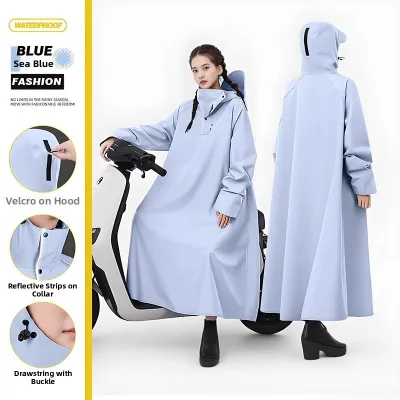
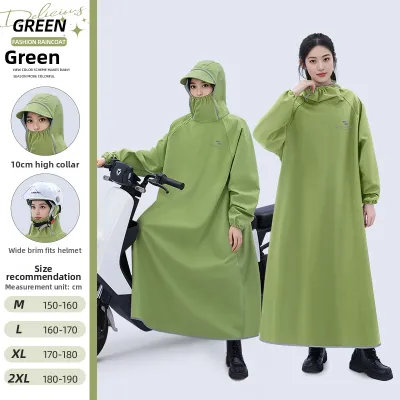
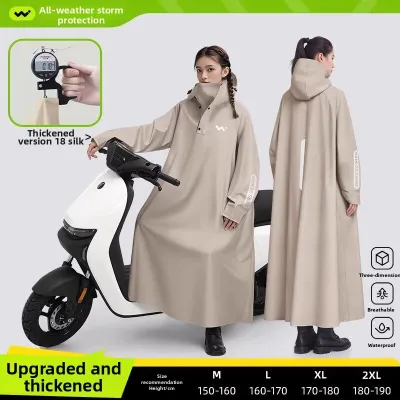
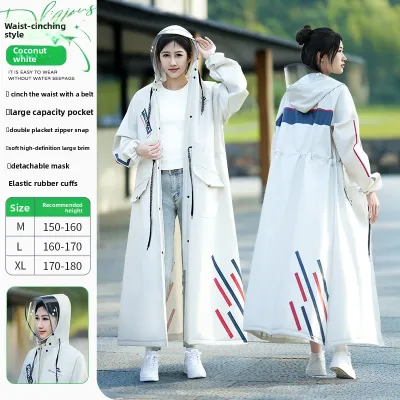
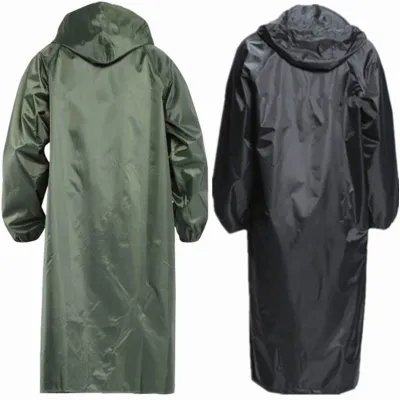
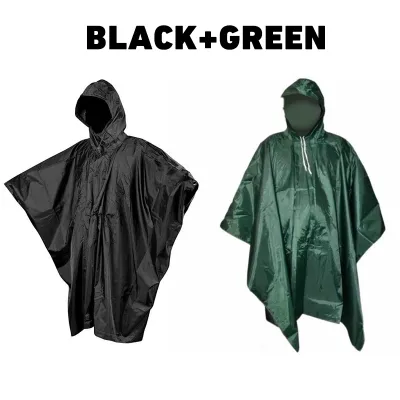
Prices are valid at publication and may change. Please refer to the product page for the latest price.
Commuting speeds amplify the force of falling rain. At speeds of 20 to 30 km/h, raindrops strike with enough force to penetrate weak seams and loose zipper tracks. This speed also creates a wind chill effect, which can rapidly lower your body temperature if water leaks through and dampens your inner clothing.
Maintaining physical balance on a two-wheeled platform requires constant, subtle micro-adjustments of your arms and weight. Bulky, stiff, or poorly fitted rain gear restricts your shoulder and elbow movement, slowing your reaction time when navigating wet, slippery roads or avoiding sudden obstacles.
Core Structural Features for Heavy Rain Protection
To withstand heavy tropical downpours, an electric scooter raincoat must feature a specialized structural design. The length of the garment must accommodate your riding stance. Look for designs with front apron extensions or split-leg panels that cover your thighs and shins without restricting your ability to step off the deck quickly.

The back of the raincoat should feature an extended hem. When you lean forward slightly to grip the handlebars, standard jackets tend to ride up, exposing your lower back to cold wind and water. An elongated rear hem ensures continuous coverage and prevents water from pooling on the rear deck and splashing upward.
Closure systems are the primary defense against high-wind water ingress. Double-over storm flaps that snap or hook-and-loop over heavy-duty, sealed zippers are essential. These flaps act as a physical barrier, redirecting wind-driven rain away from the zipper teeth where water most commonly leaks.
Adjustable wrist cuffs are critical for sealing out water at the handlebars. Look for elasticated cuffs combined with adjustable hook-and-loop straps. This combination allows you to create a tight seal over or under your riding gloves, preventing water from running up your sleeves as you grip the controls.
A streamlined fit prevents the dangerous “parachute effect” at commuting speeds. Integrated waist drawcords or adjustable belts allow you to cinch excess fabric close to your body. This keeps the raincoat aerodynamic, reduces wind resistance, and ensures that loose fabric cannot snag on the handlebars, brake levers, or passing obstacles.
Ensure that the lower hem of the raincoat does not drape over or obstruct the scooter’s headlight, taillight, or side reflectors. Maintaining clear, unobstructed safety lighting is essential for road legality and overall safety when riding in low-visibility conditions.
Visibility and Safety Enhancements
Heavy rain severely reduces visibility for all road users, making active safety features on your raincoat non-negotiable. High-visibility color choices are your first line of defense. Bright neon yellow, orange, or vibrant green stand out clearly against gray, overcast skies and dark asphalt, helping drivers spot you from a distance.
Reflective elements must be strategically positioned for 360-degree visibility. Look for wide, retroreflective strips across the upper back, along the sleeves, and around the lower hem. These positions ensure that headlights from vehicles approaching from behind, the side, or the front will illuminate your silhouette.
The hood design must balance water protection with situational awareness. A hood with a wide, stiffened brim or a clear plastic visor helps keep rain off your face without blocking your peripheral vision. It is vital that the hood does not restrict your head movement when you turn to check your blind spots.
Ensure the hood is designed to accommodate your safety helmet. Some riders prefer a low-profile hood that fits comfortably underneath a helmet, while others require an oversized hood designed to drape securely over the outside of the helmet. Whichever style you choose, verify that it does not interfere with the helmet’s chin strap or compromise its secure fit.
Material Selection and Maintenance
The performance of an electric scooter raincoat depends heavily on its fabric composition and construction quality. When evaluating product labels, look for materials with verified waterproof ratings, typically measured in millimeters (such as 10,000 mm or higher for heavy rain). Breathability ratings are equally important in humid climates to prevent sweat buildup inside the garment.
Seam construction is just as critical as the fabric itself. Even the most waterproof material will leak if water penetrates the needle holes left during stitching. Ensure the raincoat features fully taped or heat-welded seams, which seal these tiny punctures with a waterproof barrier.
Maintaining your rain gear is essential for preserving its protective qualities over time. Always follow the manufacturer’s specific cleaning instructions, as harsh detergents and high heat can degrade waterproof coatings and delaminate seam tape. Hand washing with mild soap and air drying in a shaded area is generally recommended.
Over time, the durable water repellent (DWR) coating on the outer fabric will wear off, causing the material to absorb water rather than shed it. You can check this by spraying water on the dry fabric; if it stops beading and begins to soak in, it is time to reapply a manufacturer-approved spray-on or wash-in water-repellent treatment.
Pre-Purchase Evaluation Checklist
Before purchasing an electric scooter raincoat, perform a series of physical checks to ensure its quality and suitability. Test the zippers to confirm they slide smoothly without catching on the inner lining, and inspect the interior seams to verify that the seam tape is flat, continuous, and free of bubbles or lifting edges.
Verify compatibility with your existing safety gear. Put on your helmet, riding gloves, and any knee or elbow pads you regularly wear, then try on the raincoat. Ensure that the sleeves fit comfortably over your gloves and that the overall cut does not restrict your range of motion or block access to your scooter’s controls.
Consider the storage and portability of the raincoat for your daily commute. A heavy, bulky coat that is difficult to fold may end up left at home on days with unpredictable weather. Look for lightweight, highly packable designs that come with a compact storage pouch, allowing you to keep it tucked inside your scooter’s handlebar bag or under-seat compartment.
Always check your electric scooter’s user manual regarding wet-weather riding limitations. Some manufacturers explicitly warn against riding in heavy rain due to the risk of water ingress into the battery compartment or motor hub, regardless of how waterproof your personal riding gear is.
Frequently Asked Questions (FAQ)
Can I use a standard walking poncho for my electric scooter?
Using a standard walking poncho on an electric scooter is highly discouraged due to severe safety risks. Loose, billowing fabric can easily catch in the spinning wheels or motor assembly, leading to sudden stops or falls. Additionally, the wind will blow a loose poncho upward, blocking your vision and interfering with your ability to steer and brake safely.
How do I prevent my helmet visor from fogging up in the rain?
To prevent your helmet visor from fogging up while wearing a raincoat, manage the airflow by leaving a tiny ventilation gap at the bottom of the visor. You can also apply a manufacturer-approved anti-fog spray or insert a dual-pane anti-fog lens inside your visor. Ensure your raincoat hood does not block the helmet’s exhaust vents, allowing warm, humid breath to escape freely.
Community discussion
Share your experience or ask a question. Comments are reviewed before publication.