
To protect your two-wheeled investment during the intense Philippine rainy season, finding a reliable cover motorcycle waterproof accessory is one of the most practical decisions you can make. A standard sheet of plastic or a cheap, low-grade fabric will not suffice when facing the relentless downpours of the Southwest Monsoon (Habagat). To keep your motorcycle dry, rust-free, and mechanically sound, you must look for specific technical features: high fabric density, verified polyurethane coatings, taped or heat-sealed seams, dedicated ventilation flaps, and robust windproof fastening systems.
Investing in a high-quality cover prevents water from pooling on delicate electronics, safeguards your paint from harsh weather, and stops moisture from corroding key mechanical components. By understanding what makes a cover truly waterproof rather than just water-resistant, you can make an informed purchase that will last through multiple rainy seasons. This guide breaks down the essential features to look for, helping you choose the right protection for your motorcycle’s specific needs.
Understanding the Tropical Climate Challenge
The Philippine climate presents a unique and highly destructive combination of environmental stressors for parked vehicles. During the wet season, tropical depressions and typhoons bring heavy, driving rain that can last for days at a time. This constant exposure to water is only the first part of the problem; the real challenge begins when the rain stops and the tropical heat returns.
Products mentioned in this guide
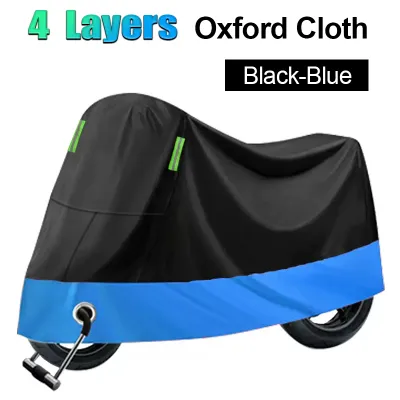
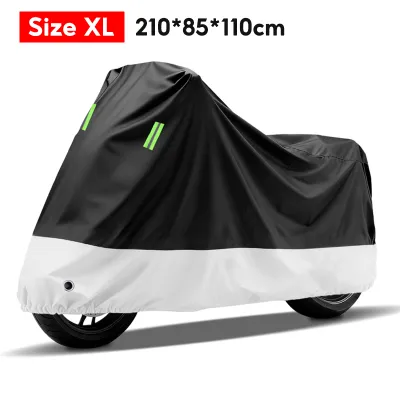
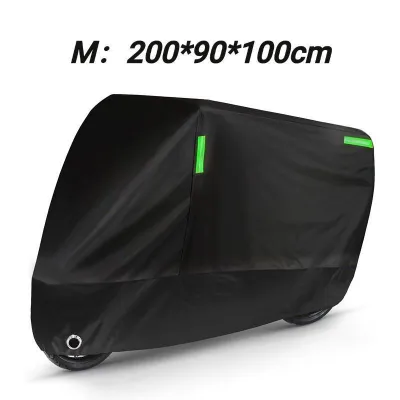
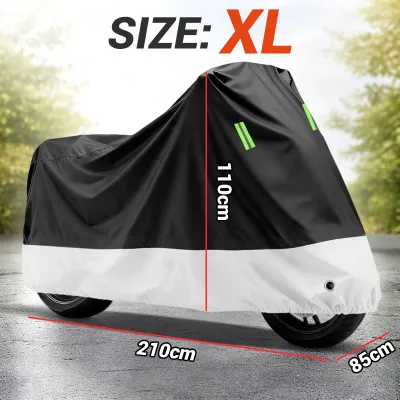
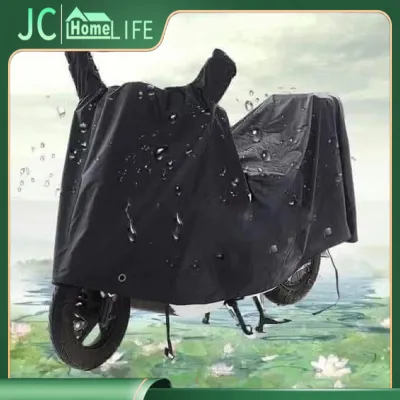
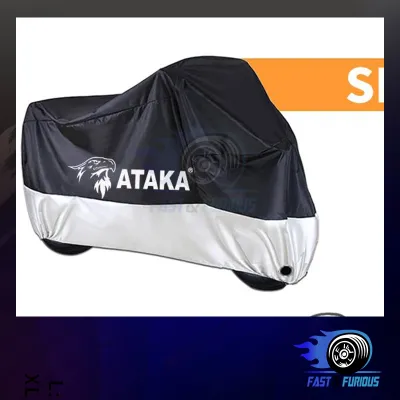
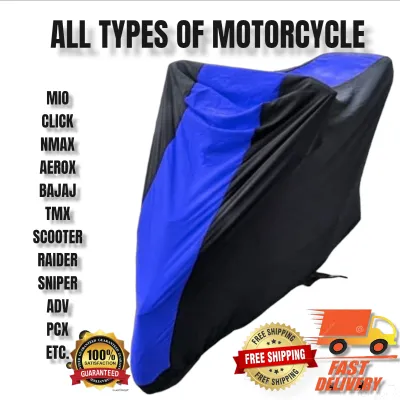
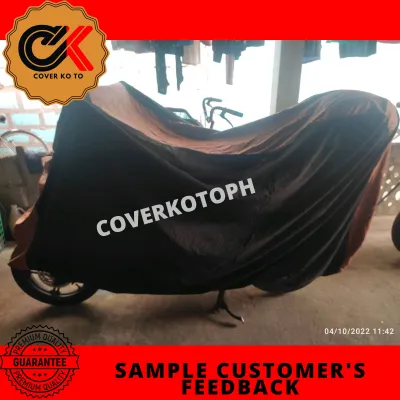
Prices are valid at publication and may change. Please refer to the product page for the latest price.
When the sun breaks through the clouds, it rapidly heats the wet ground and any moisture trapped beneath a motorcycle cover. This creates a high-humidity greenhouse effect, accelerating the oxidation of metal parts and promoting the growth of mold on leather or vinyl seats. Cheap, low-quality covers that lack proper ventilation will trap this moisture, turning your protective cover into a rust incubator.
Furthermore, the intense ultraviolet (UV) radiation characteristic of the tropical climate quickly degrades basic synthetic fabrics. Over just a few months, constant exposure to alternating hot sun and heavy rain causes cheap materials to become brittle, fade, and tear under the slightest tension. Additionally, seasonal winds and typhoon-force gusts can easily shred a loose, poorly secured cover or turn it into a sail, potentially tipping your motorcycle over and causing expensive structural damage.
Choosing a Cover: Motorcycle Waterproof Specifications and Materials
When shopping on local ecommerce platforms or at automotive specialty shops, you will find many products labeled simply as “waterproof.” However, material names like polyester or Oxford cloth alone do not guarantee that water will not penetrate the cover during a heavy downpour. To find a cover that can withstand a tropical storm, you must look past basic marketing terms and verify the actual fabric density and coating specifications on the product label.

High-quality manufacturers provide detailed specifications regarding how their fabrics are woven and treated. Understanding these technical terms allows you to assess whether a cover will actually keep your bike dry or if it will leak the moment a heavy storm hits.
Fabric Density and Protective Coatings
Fabric density is measured in Denier (D), which indicates the thickness and weight of the individual threads used in the weave. For a motorcycle cover exposed to outdoor elements in the Philippines, look for a minimum density of 210D, though 300D or even 600D Oxford cloth is highly recommended for long-term durability. Thicker fabrics with higher denier ratings are significantly more resistant to tearing, UV degradation, and the physical wear caused by wind flapping.
To make these woven fabrics waterproof, manufacturers apply specialized coatings to the inner surface. Look explicitly for a Polyurethane (PU) coating, which provides a flexible, water-repellent barrier. Some premium covers will also specify a hydrostatic head rating (measured in millimeters, such as 2000mm or 3000mm), which indicates the amount of water pressure the fabric can withstand before moisture begins to seep through. Avoid PVC-coated covers if possible, as PVC tends to crack quickly under the intense tropical sun.
Seam Construction and Water Entry Points
The most common failure point for any waterproof cover is not the fabric itself, but the seams where the panels are sewn together. Standard stitching leaves thousands of tiny needle holes along the seams. Under the weight of pooling water or the force of wind-driven rain, moisture will easily find its way through these holes and drip directly onto your motorcycle’s handlebars, seat, and engine.
To prevent this, high-quality covers feature heat-sealed or taped seams. During manufacturing, a waterproof thermoplastic tape is applied under high heat and pressure along the inside of every stitched seam, completely sealing the needle punctures. When reading product descriptions, always verify that the cover features “taped seams” or “heat-sealed seam construction” to ensure true waterproofing.
Breathability and Condensation Management
A completely sealed, waterproof cover that does not breathe can sometimes cause more damage than no cover at all. In the humid Philippine climate, moisture is always present in the air and rising from the ground. If this moisture cannot escape from underneath the cover, it will condense on the cool metal surfaces of your motorcycle as the temperature drops overnight.
This trapped condensation leads to rapid rust on your drive chain, brake rotors, sprockets, and exposed bolts. It can also penetrate electrical connectors, leading to corrosion and difficult-to-diagnose starting or sensor issues. Additionally, damp, dark, and warm environments under a non-breathable cover are ideal breeding grounds for mold and mildew, which can ruin your seat cushions and grip wraps.
To combat this, look for covers equipped with built-in ventilation panels or air vents. These vents are typically located near the mirror pockets or along the upper sides of the cover. They utilize overlapping fabric flaps—similar to window louvers—that allow warm, moist air to rise and escape while preventing falling rain or wind-blown droplets from entering. This continuous air exchange keeps the microclimate under the cover dry, protecting both your electronics and your bike’s cosmetic finishes.
Secure Fit and Wind Resistance for Stormy Weather
A waterproof cover is only effective if it stays securely on your motorcycle during a storm. Strong winds during the typhoon season can easily lift an unsecured cover, exposing your bike to the elements or blowing the cover away entirely. Furthermore, a loose-fitting cover will flap violently in the wind, acting as an abrasive sheet that can scratch your paintwork and damage delicate plastic fairings.
To ensure a secure fit, look for the following design elements:
- Elasticized Hems: Heavy-duty elastic bands sewn into the front and rear bottom hems allow the cover to wrap snugly around the bottom of your tires, preventing wind from getting underneath and lifting the fabric.
- Under-Chassis Buckle Straps: Adjustable straps with heavy-duty plastic buckles that run underneath the middle of the motorcycle frame are essential. These lock the cover to the bike, ensuring it cannot be blown off even in severe storm gusts.
- Drawstring Toggles: Some covers feature an adjustable drawstring around the entire bottom perimeter, allowing you to pull the cover tight and lock it in place with a plastic toggle.
Choosing the correct size is also vital for wind resistance. A cover that is too large will sag, creating pockets where rainwater can pool. The weight of this pooled water stretches the fabric, stresses the seams, and can even tip a lightweight scooter off its side stand. Conversely, a cover that is too small will leave the lower engine, exhaust, and wheels exposed to road grime and splashing water.
Paint, Hardware, and Component Protection
While keeping water out is the primary goal, a well-designed motorcycle cover should also protect your bike from physical wear, heat damage, and security threats. Premium covers incorporate specific material zones to address these secondary risks.
Soft Inner Lining
Wind will inevitably cause even a snug cover to move slightly against your motorcycle’s bodywork. To prevent this movement from causing micro-scratches on your clear coat, fuel tank, and plastic windscreens, look for a cover that features a soft, non-abrasive inner lining. This is often made of brushed cotton, fleece, or a soft microfiber laminate applied to the upper sections of the cover’s interior.
Heat-Resistant Exhaust Patches
Your motorcycle’s exhaust pipe and engine block can reach temperatures exceeding 200°C during a ride. If you place a standard polyester or nylon cover over a hot bike, the fabric will instantly melt onto the exhaust pipe, ruining the cover and leaving a burnt, difficult-to-clean residue on your chrome or matte metal.
To prevent this, look for covers that feature heat-resistant panels sewn into the lower rear sections. These panels are typically made of heavy-duty cotton canvas or aluminized fiberglass fabrics that can withstand high temperatures.
Safety Warning: Always check both the cover manufacturer’s specifications and your motorcycle’s exhaust configuration before use. If the instructions conflict, or if you are unsure of the cover’s heat limits, always allow your motorcycle to cool down completely (usually 15 to 20 minutes) before applying the cover.
Lock Holes and Reflective Strips
Security features are highly beneficial for outdoor parking. Look for reinforced lock holes near the front and rear wheels. These are typically reinforced with heavy-duty fabric loops or rust-proof metal grommets, allowing you to pass a chain lock, U-lock, or disc lock through both the cover and your wheel. This secures your motorcycle while preventing opportunistic thieves from stealing the cover itself.
Additionally, high-visibility reflective strips sewn along the front, sides, or rear of the cover are critical if you park near a road or in a shared driveway. These strips ensure that passing motorists can clearly see your parked vehicle during heavy night-time downpours, reducing the risk of accidental collisions.
Selection Guide: Matching Features to Your Parking Environment
Your specific parking situation dictates which features you should prioritize. Different environments present different levels of exposure to rain, wind, sun, and dirt.
Outdoor and Street Parking
If you park your motorcycle on the street, in an open driveway, or on an exposed rooftop, your cover must withstand the harshest elements. Prioritize heavy-duty fabrics (300D to 600D Oxford cloth) with robust UV-resistant coatings (often silver-coated on the exterior to reflect sunlight). Ensure the cover has multiple wind straps, double-stitched taped seams, reinforced lock holes, and high-visibility reflective elements to handle both typhoons and night-time traffic hazards.
Covered Carport or Garage
For motorcycles parked under a roof, in a shared condominium parking slot, or in a private garage, the threat of direct heavy rain is minimized. However, ambient humidity, dust, and occasional blowing rain are still concerns. In this environment, a lighter, highly breathable cover (such as 150D or 210D polyester) is ideal. Focus on excellent ventilation features to prevent moisture buildup, as you do not need the extreme windproofing or heavy denier required for open outdoor parking.
Scooters vs. Large Touring Bikes
Motorcycle sizes vary drastically, from compact underbones and scooters (like a Honda Click or Yamaha Mio) to large adventure bikes and cruisers. When selecting a cover, do not rely solely on generic size labels like “Medium” or “Extra Large.” Always measure your motorcycle’s actual length, width, and height, and compare these measurements against the manufacturer’s sizing chart.
Furthermore, you must account for any aftermarket accessories installed on your bike. If you have a top box, side panniers, crash bars, or a tall touring windshield, these will significantly increase the physical dimensions of your motorcycle. Choose a cover specifically designed to accommodate top boxes, or select one to two sizes larger than the standard recommendation for your bike model to ensure complete coverage down to the wheels.
Care and Maintenance to Prevent Mold and Degradation
To ensure your waterproof motorcycle cover remains effective over several rainy seasons, proper care and maintenance are required. Neglecting the cover can lead to premature degradation of its protective coatings and turn it into a source of mold and dirt.
First, never cover a wet or dirty motorcycle. If you have just ridden through a rainstorm, wipe the bike down and allow it to dry completely before applying the cover. Covering a wet bike traps moisture against the metal components, accelerating rust and paint damage. Similarly, ensure the exhaust pipe and engine have cooled down to a safe temperature to prevent thermal damage to the fabric.
When cleaning the cover, follow these guidelines to protect its waterproofing:
- Hand Wash Only: Never place a waterproof motorcycle cover in a washing machine or spin dryer. The mechanical agitation and spinning will delaminate the PU coating and peel off the waterproof seam tape.
- Use Mild Soap: Wash the cover using a soft sponge, cool water, and a mild, neutral soap. Avoid harsh laundry detergents, bleach, or chemical solvents, as these will strip away the water-repellent treatments.
- Air Dry in the Shade: Hang the cover to dry in a well-ventilated, shaded area. Avoid exposing it to direct, intense midday sun while drying, and never use a mechanical heat dryer.
Finally, always ensure the cover is completely dry before folding and storing it. Storing a damp cover in its carrying bag will result in rapid mildew growth, which can destroy the fabric and create unpleasant odors that transfer to your motorcycle.
Frequently Asked Questions (FAQ)
Can I use a standard tarp or plastic sheet as a temporary motorcycle cover?
Using a standard blue-and-orange tarp or a simple plastic sheet is not recommended, even as a temporary solution. Tarps lack any form of breathability, meaning they will trap rising ground moisture and condensation directly against your bike’s metal and electrical components, rapidly accelerating rust. Additionally, tarps have rough textures and stiff edges that will flap in the wind, causing micro-scratches across your paint and plastic fairings. They also lack the tailored shape, elastic hems, and specialized wind straps needed to keep them secure during a storm.
How do I know if a waterproof cover is truly breathable?
To verify if a cover is truly breathable, look for physical, built-in air vents rather than relying solely on product descriptions. True breathability in a heavy-duty waterproof cover is achieved through mechanical design, such as mesh-lined vent panels located near the handlebars or upper sides, protected by stiffened, overlapping fabric hoods. These hoods act like shingles, allowing warm air and moisture to rise and vent out from underneath while physically blocking wind-driven rain from entering. Covers made of cheap, single-sheet plastic or solid PVC without these physical vents are completely non-breathable.
Should I cover my motorcycle immediately after riding in the rain?
No, you should never cover your motorcycle immediately after riding, especially if it is wet. Covering a hot, wet motorcycle creates an immediate steam bath under the cover, which forces moisture into electrical connections, speeds up the corrosion of metal parts, and can cause mold to grow on your seat. Furthermore, even if your cover features heat-resistant panels, placing fabric over a hot exhaust pipe and engine increases the risk of damage. Always allow your motorcycle to cool down completely and, if possible, wipe away excess rainwater before applying the cover.
Community discussion
Share your experience or ask a question. Comments are reviewed before publication.