
A standard rain jacket is rarely sufficient for motorcycle commuting. When facing heavy downpours at riding speeds, wind pressure forces water through standard stitching, and poor fit can cause the gear to flap dangerously. A true heavy duty waterproof raincoat designed for motorcycle use must address high-speed wind resistance, prolonged water exposure, and integration with protective riding gear. This guide outlines the critical design features and specifications you need to evaluate to stay dry, visible, and safe on the road.
Unlike walking in a storm, riding a motorcycle at speed turns a moderate downpour into a high-pressure water assault. Standard rainwear is built for low-speed activities, meaning it quickly succumbs to the sheer force of wind-driven rain. To protect yourself from getting soaked during sudden tropical downpours, you need specialized gear engineered specifically for the unique demands of riding.
The ideal gear must keep water out, remain secure at speed, fit comfortably over your existing protective armor, and ensure you remain visible to other motorists in low-light conditions. By focusing on key construction standards and practical design elements, you can ride confidently through the wettest seasons.
Products mentioned in this guide
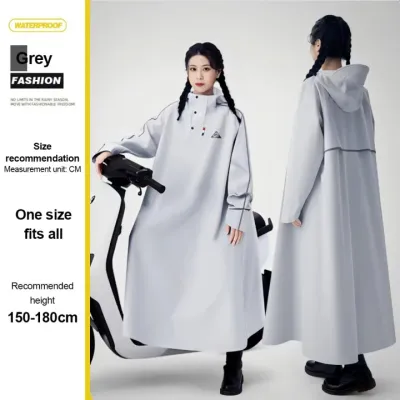
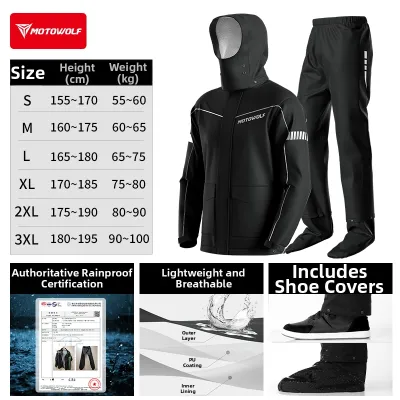
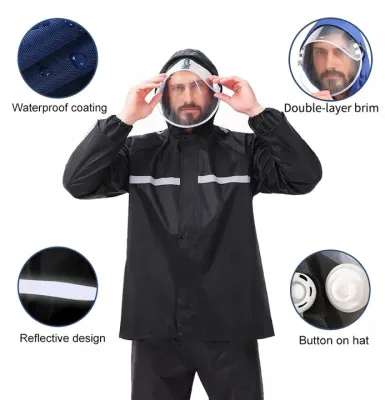
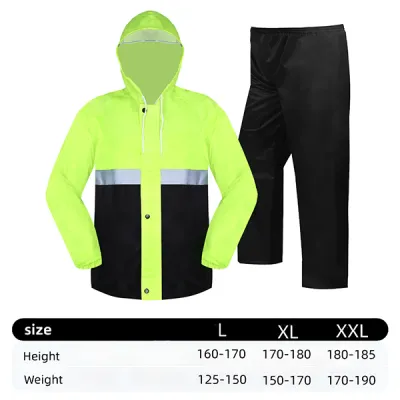
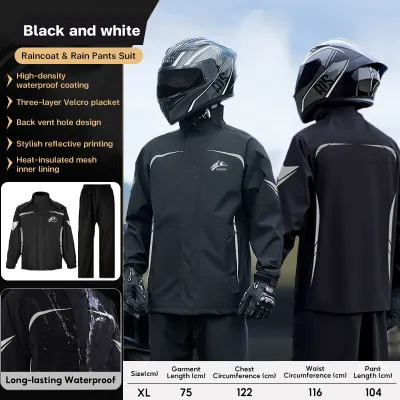
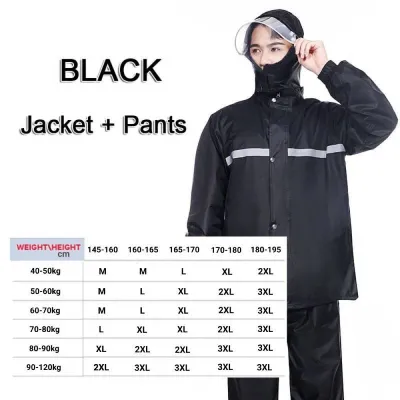
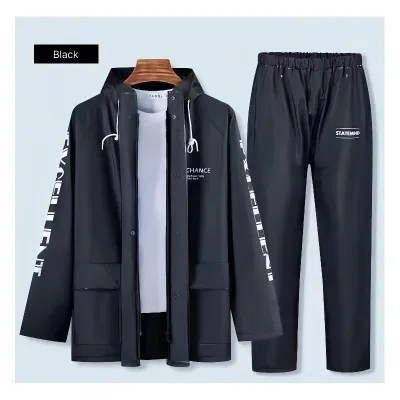
Prices are valid at publication and may change. Please refer to the product page for the latest price.
Core Waterproofing and Material Standards
The foundation of any reliable motorcycle raincoat lies in its base materials and construction methods. Standard sewing techniques puncture the fabric, leaving microscopic holes where water can easily penetrate under wind pressure. To prevent this, high-quality riding raincoats feature fully taped, heat-sealed, or welded seams. These processes seal the stitched areas with waterproof tape or fuse the fabric layers together, creating an impenetrable barrier against high-speed rain.
When evaluating materials, look closely at the manufacturer’s specifications. True heavy-duty raincoats typically utilize heavy-density polyester or nylon fabrics backed by a thick polyurethane (PU) or polyvinyl chloride (PVC) coating. While lightweight water-resistant coatings (DWR) help shed light drizzle, they quickly fail under prolonged exposure to heavy downpours. A robust, non-porous membrane or heavy backing is essential to withstand the continuous pressure of water hitting your chest and arms at speed.
Water entry points are another critical area to inspect. The main front zipper is highly vulnerable to leaks, so it must be shielded by a wide, heavy-duty storm flap that secures tightly with velcro or snap fasteners. Additionally, look for double-cuff closures at the wrists, which feature an elasticized inner cuff to seal against your skin and an adjustable outer strap to tighten over your gloves.
Visibility and Safety Features for Low-Light Downpours
Heavy tropical downpours often bring sudden darkness, thick mist, and heavy road spray, drastically reducing visibility. To stay safe, your rain gear must make you highly visible to other drivers from a distance. Look for raincoats equipped with generous retroreflective strips strategically placed across the chest, upper back, and arms. These strips reflect headlight beams directly back to drivers, ensuring your silhouette is recognizable even in torrential rain.

The base color of your raincoat plays an equally important role in daytime safety. While dark colors like black or navy hide road grime, they make you virtually invisible against dark asphalt and gray storm clouds. Opting for high-visibility colors such as neon yellow, bright green, or high-contrast orange significantly increases your safety margin. These bright shades stand out in low-contrast environments, giving surrounding motorists ample time to notice your presence.
Your raincoat’s collar and hood design must also support clear vision. A high, snug-fitting collar prevents cold water from running down your neck without restricting your ability to turn your head and check your blind spots. If the raincoat includes a hood, ensure it is designed to fold away flat into the collar or detach completely so it does not catch the wind at speed.
Fit, Mobility, and Wind Resistance at Riding Speeds
At riding speeds, wind resistance becomes a major challenge for any rain gear. A loose, poorly fitted raincoat will flap violently in the wind, causing rapid rider fatigue and distracting you from the road. To prevent this ballooning effect, look for raincoats with multiple adjustment points. Adjustable waist straps, hem drawcords, and sleeve adjusters allow you to cinch excess fabric close to your body, maintaining a streamlined profile that cuts through the wind.
Riding a motorcycle requires a specific physical posture that differs significantly from standing or walking. Your arms are extended forward, your back is slightly bent, and your knees are flexed. Standard rain jackets are not cut for this position and will pull tight across your shoulders while exposing your wrists. Choose a motorcycle-specific raincoat designed with pre-curved sleeves and gusseted shoulders to accommodate your natural riding stance without restricting your movement.
Furthermore, pay close attention to the length of the jacket. When you sit on your motorcycle, the jacket hem naturally rides up. To prevent water from pooling in your lap and seeping through your pants, the raincoat must have a generous length that overlaps significantly with your riding trousers.
Practical Design Elements for Helmet and Gear Compatibility
A heavy-duty raincoat must integrate seamlessly with the rest of your riding gear, including your helmet, body armor, and daily essentials. If you prefer to wear a hood to prevent water from entering the top of your jacket, look for an ultra-thin hood designed to be worn under your helmet. This style prevents water from running down your neck without altering the secure fit of your helmet. Alternatively, some riders prefer a collar with an integrated rain gutter that channels water away from the neck opening.
Pocket placement and design are also crucial for daily commuters who need to keep items like phones, wallets, or documents dry. Look for external pockets that feature fold-over storm flaps and waterproof zippers. These pockets should be positioned on the lower front of the jacket or on the thighs of rain pants, making them easy to access while seated. Avoid bulky chest pockets, as they can bunch up uncomfortably against your chest protector or tank bag.
In warm, humid tropical climates, trapping body heat inside a fully waterproof shell can quickly lead to heavy sweating, leaving you just as wet on the inside as you would be from the rain. To manage this condensation, choose a raincoat with built-in ventilation features. Covered back vents and zippered underarm vents (pit zips) allow hot air and moisture to escape while preventing rain from entering, keeping you cool and dry throughout your journey.
Maintenance and Care to Prolong Waterproof Lifespan
To ensure your heavy-duty raincoat maintains its protective qualities over many wet seasons, proper care is essential. Always consult the manufacturer’s care label before washing your gear. Avoid using standard household detergents, fabric softeners, or bleach, as these harsh chemicals can strip away the outer durable water repellent (DWR) coating and damage the internal waterproof membrane. Instead, use a specialized technical wash designed for waterproof fabrics.
Regular inspections help you catch minor wear before it leads to a soaked commute. Check the interior seams periodically to ensure the waterproof tape is not peeling or cracking. Keep velcro closures clean of lint, hair, and road debris so they continue to grip firmly, and apply a light coat of zipper lubricant to keep the main closures operating smoothly without snagging.
Storage habits also play a major role in the lifespan of your rain gear. Never pack a wet or damp raincoat into a tight storage bag, especially in humid climates. Trapping moisture in a confined space encourages the growth of mold and mildew, which can permanently damage the fabric and cause the waterproof coatings to delaminate. Always hang your gear loosely in a well-ventilated, shaded area to dry completely before storing it away.
Frequently Asked Questions (FAQ)
Can I use a standard hiking raincoat for motorcycle riding?
Using a standard hiking raincoat for motorcycle riding is not recommended due to the extreme wind forces encountered on the road. Hiking jackets are designed for low-speed movement, meaning their zippers and seams are not built to withstand high-pressure, wind-driven rain. At riding speeds, water will quickly force its way through standard stitched seams and lightweight zippers. Additionally, hiking gear lacks the necessary adjustment straps to prevent dangerous flapping and does not offer the abrasion resistance needed to protect you in the event of a slide.
Should I buy a one-piece rainsuit or a two-piece jacket and pants set?
The choice between a one-piece rainsuit and a two-piece set depends on your specific riding needs and commuting habits. A one-piece rainsuit offers the ultimate level of waterproof protection because it eliminates the gap between the jacket and pants, making it ideal for long-distance touring in relentless downpours. However, a two-piece set is generally much more practical for daily commuting. It is significantly easier to put on and take off quickly, and it gives you the flexibility to wear only the jacket during lighter showers or when off the motorcycle.

Community discussion
Share your experience or ask a question. Comments are reviewed before publication.