
Quick Answer: Essential Features for a Moto Centric Raincoat
A proper motorcycle-specific raincoat must withstand high wind pressure and severe wet weather while maintaining rider safety and comfort. Unlike standard rain gear designed for walking, a moto centric raincoat features a specialized cut with extended back coverage to prevent water from pooling on the seat and seeping into your pants. It also incorporates double storm flaps over heavy-duty zippers, fully sealed or welded seams, high-visibility colors with strategically placed reflective elements, and active ventilation systems to combat internal humidity.
When riding through intense tropical downpours, standard coats fail because they cannot handle the physical forces of high-speed travel. A dedicated motorcycle raincoat is engineered to accommodate the active riding posture, ensuring cuffs, collars, and hems remain securely sealed against wind-driven rain. Investing in these specialized features keeps you dry, prevents dangerous distractions, and ensures you remain visible to other motorists on low-visibility roads.
Why Regular Raincoats Fail in Heavy Downpours
Standard raincoats are designed for upright, low-speed movement, such as walking or standing. When you transition to a motorcycle, your physical posture changes dramatically. Leaning forward to reach the handlebars pulls the sleeves upward, exposing your wrists, while stretching your back draws the lower hem of a standard jacket toward your waist. This movement allows water to pool on the motorcycle seat and quickly seep into your pants, rendering standard rain gear ineffective within minutes of a heavy downpour.
Products mentioned in this guide
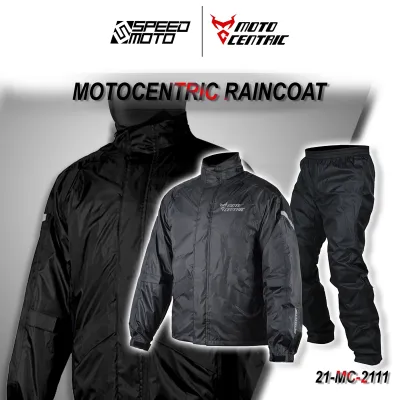
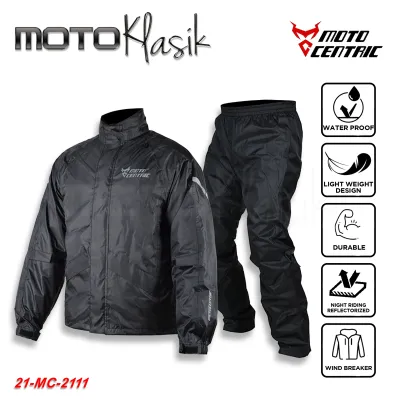
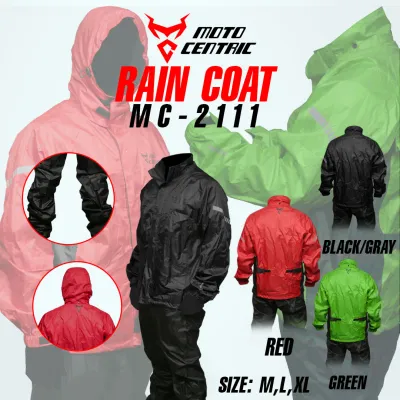
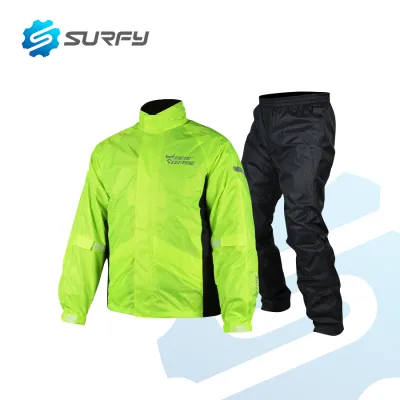
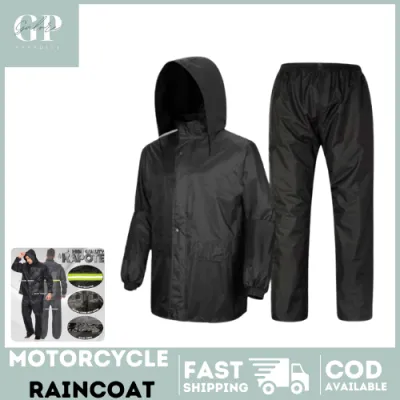
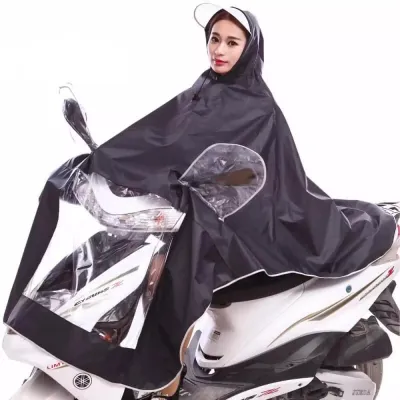
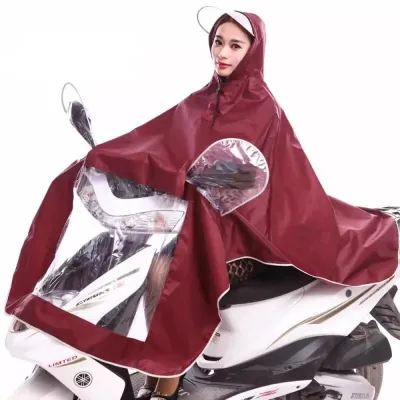
Prices are valid at publication and may change. Please refer to the product page for the latest price.

Wind pressure presents another insurmountable challenge for everyday rain gear. At speeds of 40 km/h or higher, raindrops do not simply fall; they are driven against your body with significant force. This pressure easily pushes water through standard nylon zippers, loose wrist cuffs, and unsealed stitching. Standard raincoats lack the specialized storm flaps and tight seals required to block water under these high-velocity conditions, leading to rapid water ingress.
Furthermore, loose-fitting standard coats pose serious safety hazards on the road. The excess fabric flaps violently in the wind at highway speeds, which causes physical fatigue and distracting noise. In worst-case scenarios, a loose hem or dangling drawstring can catch on the motorcycle’s moving parts, such as the chain, sprockets, or footpegs, leading to a sudden loss of control. The lack of structured fit also means the fabric can billow out, acting like a sail and destabilizing your balance in strong crosswinds.
Finally, standard rainwear rarely features the level of visibility required for safe riding in torrential rain. Heavy downpours drastically reduce visibility for all road users, diffusing headlights and turning road spray into a thick mist. A typical dark or pastel fashion raincoat blends into this grey background, making you virtually invisible to larger vehicles. Without high-grade reflective panels positioned specifically for the riding posture, you run a high risk of not being seen by other drivers until it is too late.
Key Design Features That Define a Proper Riding Raincoat
Evaluating a proper riding raincoat requires looking beyond basic waterproofing claims. A true moto centric raincoat is built around the unique ergonomics of motorcycling, integrating structural reinforcements and safety features directly into the garment’s pattern.
Extended Back Coverage and Articulated Cut
The silhouette of a motorcycle-specific raincoat must account for the forward-leaning posture of the rider. Manufacturers achieve this by incorporating a “dropped tail” or an extended back panel that hangs significantly lower than the front hem. This extra coverage ensures that even when you are tucked behind a windscreen or reaching for low handlebars, the jacket continues to cover your lower back and buttocks, preventing water from running down your spine and pooling on the seat.
An articulated cut is equally vital for long-distance comfort and control. Pre-curved sleeves match the natural bend of your arms when gripping the handlebars, which prevents fabric from bunching up at the inner elbows and causing chafing. This specialized tailoring also ensures that the wrist cuffs remain securely positioned over your riding gloves, preventing wind-driven water from traveling up your forearms.
To maintain maximum control over your motorcycle, look for jackets featuring gusseted underarm panels. These expandable sections of fabric allow you to raise, lower, and rotate your arms freely without pulling the entire hem of the jacket upward. When your movement is unrestricted, you can react more quickly to road hazards, steer with greater precision, and avoid the physical fatigue that comes from fighting against stiff, poorly patterned gear.
Secure Closures, Storm Flaps, and Sealed Seams
The front zipper of a motorcycle jacket is highly vulnerable to water penetration due to direct wind impact. To counter this, a riding raincoat must feature double storm flaps—one running along the inside of the zipper and another folding over the outside. These flaps are typically secured with heavy-duty Velcro or snap fasteners, creating a labyrinth barrier that redirects wind-driven water away from the zipper track.
Adjustable closures at the extremities are critical for sealing the garment against the elements. Look for wide, durable Velcro straps or adjustable snaps at the wrists and ankles. These closures allow you to create a tight, custom seal over your gloves and boots, preventing water from splashing upward into your gear. Additionally, tightening these areas prevents the fabric from flapping in the wind, which preserves your aerodynamic stability and protects the material from premature wear.
The method of seam construction determines the ultimate lifespan and waterproof integrity of the raincoat. Standard stitched seams contain thousands of tiny needle holes that will leak under the pressure of riding. High-quality motorcycle rainwear utilizes fully taped, heat-sealed, or welded seams on the interior. This process applies a waterproof tape or fuses the fabric layers together, ensuring that no water can penetrate the structural joints of the garment even during prolonged exposure to severe tropical storms.
High-Visibility Colors and Reflective Elements
When riding in heavy rain, visibility is your primary line of defense against accidents. The base fabric of your raincoat should utilize high-visibility colors such as neon yellow, fluorescent orange, or bright lime green. These colors contrast sharply with the dark, grey environments typical of monsoon downpours, making you stand out to oncoming traffic and drivers behind you even in low-light conditions.
Reflective elements must be strategically positioned to match the riding posture. Because your back and shoulders are the most exposed areas when leaning forward, look for reflective piping, wide strips, or large panels across the upper back, shoulders, and outer sleeves. This placement ensures that the headlights of overtaking or crossing vehicles will strike the reflective material directly, casting a bright warning signal back to the driver.
Before purchasing, verify that the reflective materials are of high quality and integrated directly into the construction of the garment. Some budget options use cheap, heat-transferred reflective prints that crack, peel, or fade after a few rides in hot, humid weather. Look for retroreflective fabrics that are stitched into the seams or utilize durable, industrial-grade bonding agents that can withstand repeated folding, packing, and exposure to road grime.
Strategic Ventilation and Moisture Management
In hot and humid tropical climates, staying dry from the inside is just as challenging as blocking rain from the outside. Completely sealed, non-breathable waterproof garments often create a “boil-in-bag” effect, trapping your body heat and sweat. Within minutes of riding, the interior of the coat can become damp and uncomfortable, leading to physical distraction and rapid cooling once you stop.
To prevent this internal condensation, look for raincoats with a mesh-lined interior. The mesh creates a physical air gap between the cold, wet outer shell of the raincoat and your skin or riding jacket. This gap allows air to circulate, preventing the wet fabric from clinging to your arms and chest, which significantly improves comfort during long rides in warm, rainy weather.
Active ventilation features are essential for regulating your body temperature without letting rain inside. Look for jackets equipped with covered back exhaust vents, underarm pit zips, or breathable membrane fabrics. Back vents are typically designed with downward-facing flaps that allow hot, humid air to escape from the upper back while preventing wind-driven rain from entering. These systems work together to keep you cool and dry, even when navigating slow-moving urban traffic in high humidity.
How to Evaluate Waterproof Materials and Seam Construction
Understanding the materials used in motorcycle rainwear helps you make an informed investment that balances durability, packability, and performance. Manufacturers use various fabrics and coatings, each offering distinct advantages and trade-offs depending on your riding style and local weather conditions.
First, learn to read the technical specifications on product labels. Waterproofing is often measured in millimeters (mm) using a hydrostatic head test, which determines how much water pressure a fabric can withstand before leaking. For motorcycle riding, where wind pressure forces water against the fabric, look for a rating of at least 10,000 mm, though 15,000 mm or higher is ideal for severe, prolonged downpours. Breathability is measured in grams per square meter (g/m²), indicating how much moisture vapor can pass through the fabric over 24 hours; a higher number means better comfort in humid conditions.
The choice of material heavily influences the coat’s performance:
- Heavy-Duty PVC (Polyvinyl Chloride): This material is exceptionally durable, highly resistant to tearing, and completely waterproof. However, PVC is heavy, bulky to pack, and completely non-breathable, making it very hot to wear in tropical climates. It is best suited for short commutes or riders on a tight budget who prioritize absolute water blockage over comfort.
- Nylon or Polyester with PU (Polyurethane) Coating: These fabrics offer a great balance of lightweight packability and reliable waterproofing. The outer synthetic fabric is treated with a PU layer on the inside to block water. They are much easier to fold and store under a motorcycle seat or in a backpack, making them highly convenient for daily commuters who need quick protection from sudden afternoon showers.
- Breathable Membranes: Premium rainwear utilizes advanced laminated membranes that feature microscopic pores. These pores are too small for water droplets to pass through but large enough to allow sweat vapor to escape. This technology provides the highest level of comfort and dry performance, though it comes at a higher price point.
When physically inspecting a raincoat, feel the thickness and flexibility of the fabric. The material should feel robust enough to resist tearing at speed, yet remain flexible enough to fold easily without creasing permanently. Examine the interior seams closely: the waterproof tape should be perfectly flat, with no lifting edges, bubbles, or wrinkles. Any imperfection in the seam tape is a potential leak point that will fail under the stress of wind and rain.
To preserve the performance of these materials, always consult the manufacturer’s care instructions before cleaning. Many waterproof fabrics feature a Durable Water Repellent (DWR) coating on the exterior that causes water to bead up and roll off. Improper washing, such as using harsh household detergents, fabric softeners, or hot water, can strip this coating and damage the internal seam tape. If the manufacturer’s instructions conflict with general advice, always defer to the specific care label on your garment to avoid voiding the warranty or ruining the waterproof barrier.
Sizing, Fit, and Helmet Compatibility Checks
Achieving the correct fit is critical because a raincoat that is too tight will restrict your movement, while one that is too loose will flap violently and wear out prematurely. When selecting a size, keep in mind that you will be wearing this gear over your standard riding attire, which may include a padded jacket, elbow armor, or a small backpack.
Many manufacturers design motorcycle rainwear with “over-gear” sizing, meaning they have already factored in the extra bulk of your protective gear. However, it is always wise to verify this by checking the sizing charts or trying the raincoat on while wearing your full riding setup. If you plan to wear a backpack under your raincoat, look for specialized models that feature an expandable back panel designed specifically to accommodate the extra volume without pulling the front of the jacket tight against your chest.
Always perform a “riding posture test” before finalizing your purchase. Put on your full riding gear, wear the raincoat, and sit on your motorcycle or mimic your riding position. Extend your arms fully to reach the handlebars and lean forward. Check for any tightness across your shoulders, upper back, and elbows. Ensure that the sleeves do not pull back past your wrists and that the lower hem of the jacket still covers your waist completely. If the fabric feels tight or pulls restrictively, you need to size up to maintain safe control of your motorcycle.
Collar height and hood design require careful inspection to ensure compatibility with your helmet. The collar should be tall enough to sit flush against the bottom of your helmet, creating a continuous barrier that prevents water from running down your neck. Look for adjustable collar tabs (such as Velcro or drawcords) that allow you to customize the seal without choking you. If the raincoat includes a hood, verify that it can be folded down and secured with a strap, zipped off, or stowed neatly inside the collar. A loose hood will catch the wind at speed, inflating like a parachute and pulling dangerously on your neck, which can severely distract you or restrict your head movement.
Frequently Asked Questions (FAQ)
Can I use a motorcycle rain poncho instead of a full rain suit?
While rain ponchos are inexpensive and easy to put on quickly, they are highly dangerous and ineffective for motorcycle riding. At riding speeds, the loose, open design of a poncho acts like a sail, catching the wind and flapping violently. This flapping can destabilize your balance, block your side mirrors, and distract you from the road.
Furthermore, a poncho offers zero protection against road spray from your tires or passing vehicles. It leaves your lower legs, knees, and boots completely exposed to the elements. A fitted, two-piece or one-piece motorcycle rain suit is the only safe option, as it hugs your body, maintains your aerodynamic stability, and provides complete coverage from head to toe.
How do I clean and maintain the waterproof coating on my raincoat?
To clean your motorcycle raincoat safely, first check the manufacturer’s care label for specific instructions. As a general rule, after riding through a storm, wipe down the exterior of the coat with a soft, damp microfiber cloth to remove road grime, salt, and acidic rain residue. This simple step prevents dirt from grinding into the fabric and degrading the waterproof coating over time.
Never use harsh household detergents, bleach, or fabric softeners, as these chemicals can strip the Durable Water Repellent (DWR) finish and dissolve the adhesive on the interior seam tape. Avoid machine washing and tumble drying unless the care label explicitly states it is safe. Instead, hang the wet gear to air dry in a shaded, well-ventilated indoor area. Keep it away from direct sunlight, heaters, or open flames, as high heat can warp the synthetic fabrics and ruin the waterproof membranes.

Community discussion
Share your experience or ask a question. Comments are reviewed before publication.