
Commuting on a motorcycle during the monsoon season in the Philippines presents a unique set of challenges. Sudden torrential downpours, high humidity, and heavy spray from larger vehicles require gear that does far more than just block water. A standard raincoat will quickly fail under the wind pressure of a moving motorcycle or turn into a portable sauna in tropical heat. To stay dry, safe, and comfortable during your daily commute, you must look for specific technical features designed to withstand high-speed water impact while managing heat and maintaining visibility.
Choosing the right motorcycle raincoat involves understanding the balance between robust waterproofing, aerodynamic fit, and tropical climate comfort. By focusing on specialized construction details rather than generic marketing claims, you can find gear that keeps you dry and focused on the road ahead.
Waterproofing and Seam Construction
When riding at typical commuting speeds, rain does not simply fall on you; it is driven into the fabric by wind pressure. This is why basic water-resistant jackets fail almost immediately. To evaluate a raincoat’s true capability, look for its hydrostatic head rating, which is measured in millimeters (mm). For daily commuting in heavy tropical downpours, a rating of at least 10,000 mm is highly recommended. This rating indicates that the fabric can withstand a significant column of water pressure before moisture penetrates the material. For extreme monsoon conditions, fabrics rated at 15,000 mm or higher provide an extra margin of safety against prolonged exposure.
Products mentioned in this guide
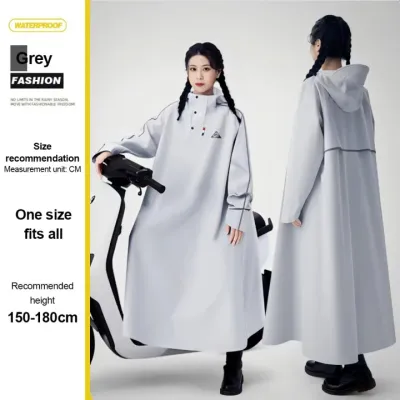
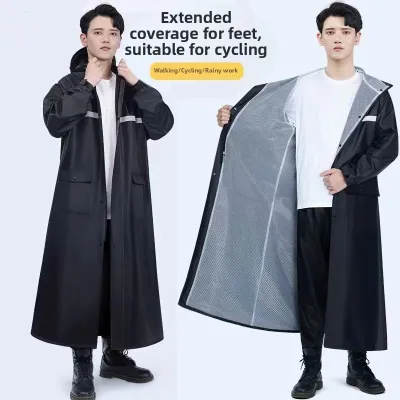
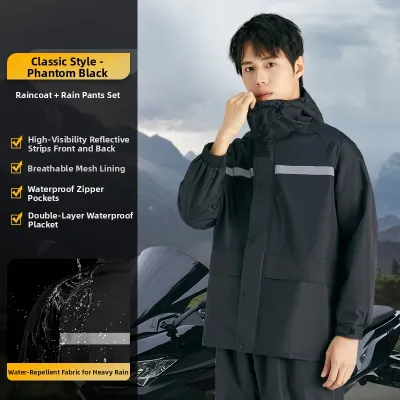
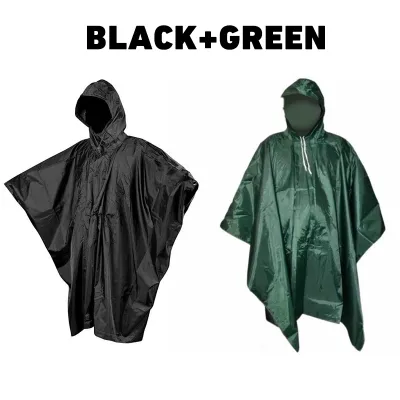
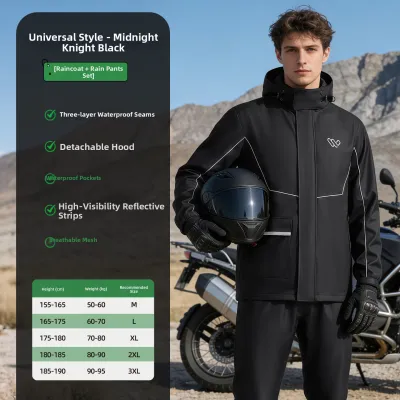
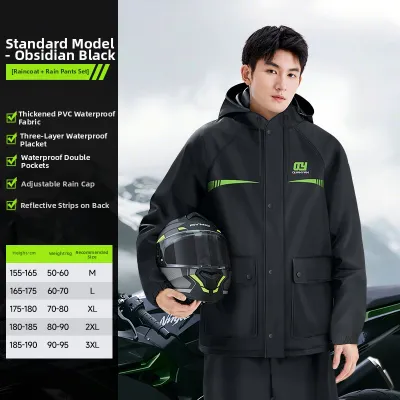
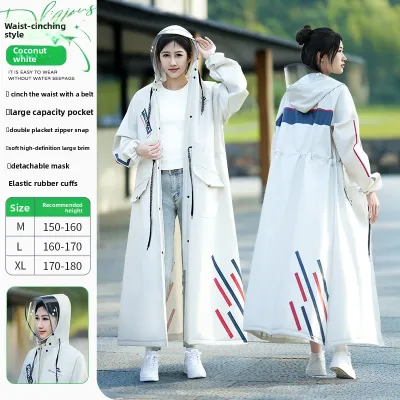
Prices are valid at publication and may change. Please refer to the product page for the latest price.
Even the most waterproof fabric will let water in if the seams are not properly sealed. Standard sewing needles create thousands of tiny holes along every seam during manufacturing. High-quality motorcycle rain gear addresses this through taped or welded seams. Fully taped seams feature a waterproof thermoplastic tape applied under heat and pressure over the interior stitching, sealing the needle holes. Welded seams, often found on heavy-duty polyurethane or PVC gear, use high-frequency electromagnetic energy or heat to fuse the fabric panels directly together, eliminating stitching entirely. When browsing options, verify that the product specifications explicitly state “fully taped seams” rather than “critically taped,” which only covers high-exposure areas like the shoulders.
The main zipper is another common failure point where wind-driven water can easily penetrate. A reliable commuting raincoat must feature a double storm flap system. This design consists of overlapping strips of waterproof fabric that cover the zipper and secure firmly with hook-and-loop fasteners or heavy-duty snap buttons. This creates a physical barrier that prevents water from being forced through the zipper teeth by the wind. Additionally, look for water-resistant zippers coated with a polyurethane laminate, which offer an extra layer of defense against moisture ingress.
Visibility and Safety Elements
Heavy rain drastically reduces visibility for all road users. In a tropical downpour, spray from trucks and buses combines with fogged-up windows to make motorcyclists incredibly difficult to spot. Therefore, your raincoat must serve as a high-visibility safety garment rather than just a shield against the wet weather.

Retroreflective strips are critical for low-light and nighttime riding. Unlike standard reflective paint, retroreflective materials are engineered to bounce light directly back to its source, such as the headlights of trailing or oncoming vehicles. Look for wide, high-quality retroreflective strips positioned strategically across the upper back, chest, and along the outer sleeves. This placement ensures you remain visible from multiple angles, especially when turning or filtering through slow-moving traffic.
The base color of your rain gear plays a major role in daytime visibility. While dark colors like black or navy are popular for hiding road grime, they blend into dark, wet asphalt and gray rainy skies. Opting for high-visibility colors such as neon yellow, high-vis orange, or bright green significantly increases your chances of being seen by other motorists. If you prefer a darker main body, ensure the upper chest, shoulders, and back feature large panels of high-visibility color.
Finally, consider how the raincoat fits over your motorcycle’s existing safety features. The design must not drape over or obscure your motorcycle’s tail light, turn signals, or license plate. A flapping hem that blocks your brake light significantly increases the risk of rear-end collisions in low-visibility conditions. If you plan to modify your vehicle’s lighting or add auxiliary lights to improve visibility during the rainy season, always consult your vehicle’s documentation and ensure any modifications comply with local road safety regulations and are installed by a qualified professional.
Fit, Mobility, and Helmet Compatibility
A motorcycle raincoat must be patterned specifically for a seated riding position. Standard rain jackets are cut for standing, which means when you reach for the handlebars, the sleeves pull back to expose your wrists, and the back hem rises to let water pool around your waist. Look for pre-curved sleeves and an extended tail (drop tail) that keeps your lower back covered even when leaning forward.
The neck area is a primary entry point for water. A high, adjustable collar lined with soft microfleece or mesh prevents water from running down your neck while keeping you comfortable. For helmet compatibility, some raincoats feature an ultra-thin, under-helmet hood. This hood is worn under your helmet before putting it on, creating a continuous waterproof barrier that prevents water from seeping down the collar. If you ride with a full-face helmet, ensure any external hood can be rolled up and secured tightly so it does not catch the wind and pull your head back at speed.
Loose fabric flaps violently at commuting speeds, which is noisy, distracting, and accelerates wear on the waterproof membrane. Look for adjustment points: hook-and-loop wrist cuffs to seal over or under your gloves, waist cinches to pull in excess fabric, and ankle straps or zippers on the pants to secure the cuffs tightly around your riding boots.
Ventilation and Climate Comfort
In the Philippines, monsoon rains are accompanied by high ambient temperatures and stifling humidity. Wearing a completely sealed, non-breathable plastic or heavy PVC suit will quickly cause you to sweat profusely, leaving you just as wet on the inside as you would be from the rain.
High-end rain gear utilizes microporous membranes (like polyurethane laminates) that feature pores large enough for sweat vapor to escape but too small for liquid water droplets to enter. While more expensive than basic PVC, these materials dramatically improve comfort during long commutes.
Even the most breathable fabrics can struggle in tropical humidity. Look for physical vents that allow air to circulate without letting water in. Back exhaust vents (flaps that open downward to let hot air escape) and underarm zippered vents are highly effective.
A polyester mesh liner is a crucial feature. It prevents the waterproof outer shell from sticking to your skin or your underlying clothes when damp. This air gap improves comfort, facilitates airflow, and makes the suit much easier to slip on and off over your regular office or casual attire.
Building Your Shortlist: Pre-Purchase Verification
When shopping on e-commerce platforms or visiting local motorcycle accessory shops, do not rely solely on the “waterproof” label. Use a systematic verification process.
Cross-reference manufacturer specifications with real-world user reviews. Look specifically for feedback from daily commuters who ride in heavy monsoon conditions. Pay attention to reviews mentioning seam separation, zipper failures, or water ingress at the crotch area (a common failure point for rain pants where water pools on the seat).
Verify the return and warranty policies. A reputable brand should offer a warranty against manufacturing defects, particularly regarding seam taping and zipper functionality. Check if the seller offers a straightforward return process if the fit is incorrect, as proper sizing is vital for safety and comfort.
Examine the care instructions. To maintain the waterproof performance, you must care for the garment correctly. Avoid raincoats that require complex dry cleaning. Look for gear that can be hand-washed with mild soap and air-dried. Check if the manufacturer recommends periodic reapplication of a Durable Water Repellent (DWR) spray to maintain the fabric’s outer water-beading properties.
Frequently Asked Questions (FAQ)
How do I maintain the waterproof coating on my motorcycle raincoat?
To prolong the life of your raincoat’s waterproof coating, avoid machine washing with harsh detergents or fabric softeners, as these can clog breathable membranes and strip away water-repellent treatments. Instead, hand-wash the garment using a mild, technical soap designed for waterproof fabrics, or simply rinse it with clean water to remove road grime and salt. Always follow the manufacturer’s label instructions for cleaning and care. After washing, hang the raincoat to air-dry in a shaded, well-ventilated area; never expose it to direct sunlight or high heat sources, which can degrade the seam tape. Once water stops beading on the outer fabric, apply a compatible spray-on Durable Water Repellent (DWR) treatment according to the product instructions to restore its water-shedding performance.
Is a two-piece rain suit better than a one-piece for daily commuting?
For most daily commuters, a two-piece rain suit (consisting of a separate jacket and pants) offers a better balance of practicality and versatility than a one-piece suit. A two-piece design is significantly easier to put on and take off quickly on the side of the road when a sudden downpour begins. It also allows you to wear only the jacket during light drizzles or cooler morning rides. However, two-piece suits have a potential leak point at the waist if the jacket rides up. To mitigate this, look for jackets with an extended drop tail and adjustable waist drawcords. One-piece suits provide superior protection against leaks because they eliminate the waist seam entirely, but they are highly inconvenient to slip over bulky riding gear and can trap heat more easily in tropical climates.

Community discussion
Share your experience or ask a question. Comments are reviewed before publication.