
Navigating the daily commute in major Philippine cities requires a strategy that balances safety, comfort, and adaptability. Whether you are filtering through the dense, stop-and-go traffic of Metro Manila or cruising along provincial highways, your footwear plays a critical role in your overall control and safety. Selecting the right riding boots for men on a motorcycle commute is not just about finding a stylish pair of shoes; it is about choosing gear that protects your feet during a mishap while remaining comfortable enough for a full day of walking and working at your destination.
Daily commuting presents a highly demanding environment that differs significantly from weekend touring or track riding. On a typical urban ride, you face high humidity, sudden tropical downpours, oil-slicked asphalt at busy intersections, and the constant physical effort of shifting and stopping. To make your daily ride practical and safe, you must prioritize specific design elements over others. The ideal commuter boot focuses on robust ankle protection, climate-appropriate ventilation, high-traction soles, and a discreet, walkable design that fits naturally into a professional or casual workplace.
Protection vs. Walkability: Finding the Right Commuter Balance
When searching for the ideal riding boots for men on a motorcycle, the first major decision is balancing impact protection with off-bike walkability. Full-height racing or off-road boots provide maximum structural support, but their extreme rigidity makes them highly impractical for daily commuting. Walking up office stairs or navigating a grocery store in stiff, squeaking boots with limited ankle movement is uncomfortable and fatiguing. For commuters, the goal is to find a mid-height boot or reinforced riding shoe that offers targeted protection without locking your joints in a rigid cast.
Products mentioned in this guide
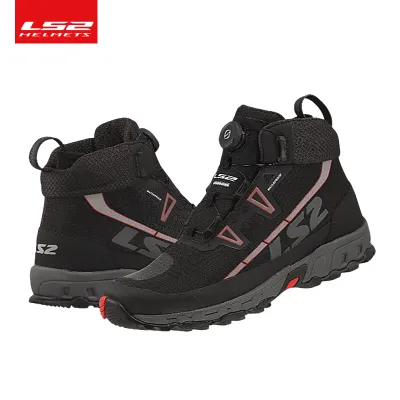
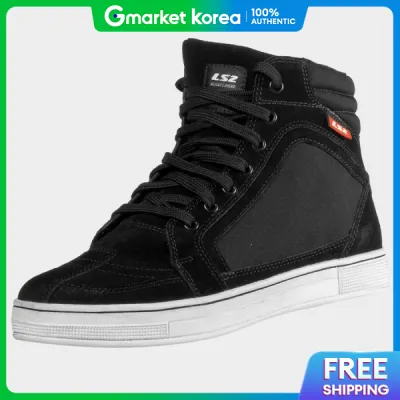
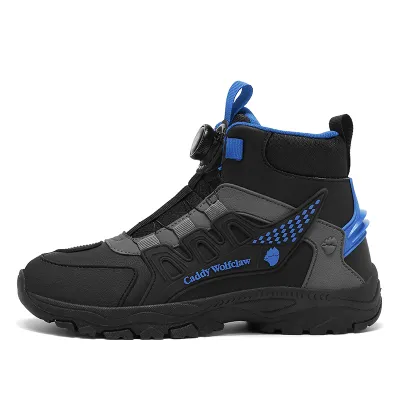
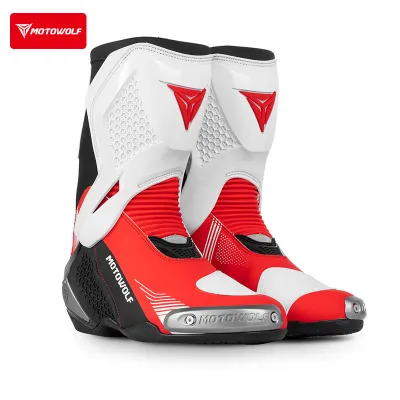
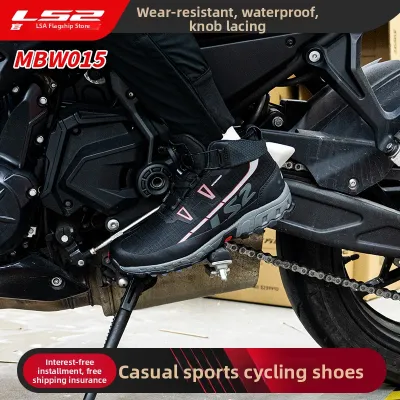
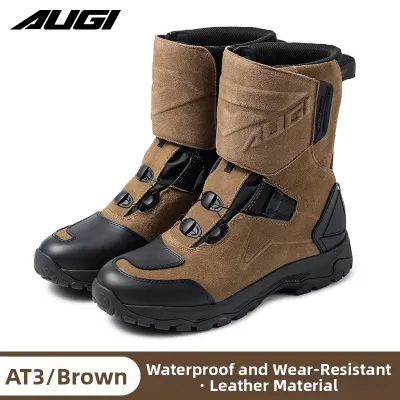
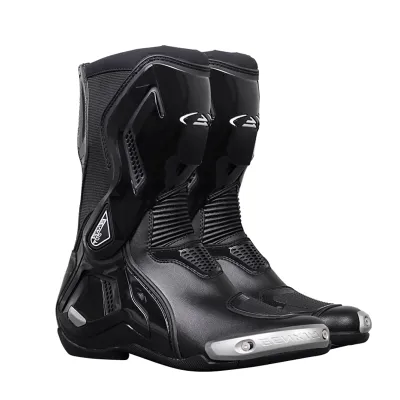
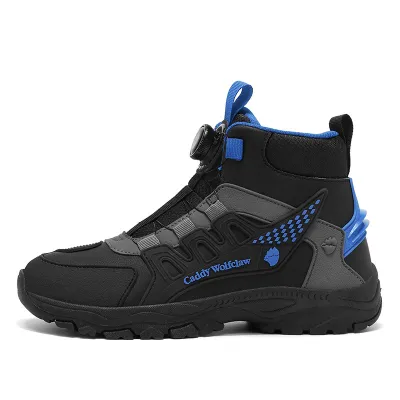
Prices are valid at publication and may change. Please refer to the product page for the latest price.
To ensure your safety during a fall or a low-speed slide, look for boots with dedicated, hard-armor inserts. Non-negotiable protective elements include reinforced ankle cups that cover both the medial and lateral malleolus (the bony protrusions on either side of your ankle). In addition, look for a sturdy, reinforced toe box and a rigid heel counter. These structural components prevent your foot from being crushed or twisted if the motorcycle tips over onto your leg at a stoplight or during a low-speed slide.
Walkability relies heavily on the design of the sole and the integration of flexible materials. Look for boots that feature articulated ankle joints or accordion-style flex panels at the Achilles tendon and the front of the ankle. These design details allow your foot to flex naturally when walking, while the internal shank provides the necessary longitudinal rigidity to support your weight on the footpegs.
Before making a purchase, always check the manufacturer’s specifications and product labels for official safety certifications, such as CE ratings under standard EN 13634. These labels verify that the footwear has undergone standardized testing for abrasion resistance, impact cut resistance, and transverse rigidity. Do not assume that thick, heavy-looking leather automatically translates to adequate protection; modern riding footwear often uses engineered internal reinforcements that provide superior safety without the bulk of traditional work boots.
Climate Control: Navigating Tropical Heat and Sudden Downpours
The tropical climate of the Philippines introduces a constant battle between heat management and wet-weather protection. During the dry season, temperatures can soar, turning solid leather boots into sweat traps that cause discomfort and skin irritation. Conversely, the monsoon season brings sudden, torrential downpours that can leave your feet soaked within minutes. Choosing the right material construction requires assessing your typical riding times and your tolerance for wet feet versus hot feet.

For riders who commute primarily during the hot, dry months, maximum ventilation is essential. Look for boots constructed with heavy-duty perforated leather, high-tensile mesh panels, or breathable textile uppers. These materials allow continuous airflow across your feet, evaporating sweat and keeping your feet cool during long, slow-moving traffic jams. Moisture-wicking interior linings further enhance comfort by pulling sweat away from your skin, reducing the risk of fungal growth and unpleasant odors.
When the rainy season arrives, wet-weather performance becomes the priority. Boots equipped with integrated waterproof and breathable membranes, such as Gore-Tex or proprietary brand alternatives, are highly effective at keeping water out while allowing sweat vapor to escape. However, keep in mind that even the most breathable waterproof membranes will feel significantly warmer than non-waterproof mesh boots in high humidity. If you choose a waterproof boot, verify that the membrane extends high enough up the tongue and zipper to prevent water from seeping in through the openings.
To manage these seasonal shifts, many daily commuters in the Philippines keep two distinct pairs of riding shoes, or they pair highly ventilated mesh boots with lightweight, packable waterproof boot covers during the rainy season. This approach allows you to enjoy maximum airflow on hot days without being caught unprepared when a sudden afternoon thunderstorm strikes.
Traffic Ergonomics: Shifting, Braking, and Quick Stops
Urban commuting in heavy traffic demands constant physical interaction with your motorcycle’s controls. In a single trip across a congested city center, you may shift gears and apply the rear brake hundreds of times. This repetitive motion requires footwear designed to reduce fatigue and provide clear, tactile feedback through your feet.
A dedicated, reinforced shift pad is an essential feature for any commuter boot. This extra layer of textured rubber, TPU, or double-layered leather sits directly over the toe area where the gear shifter contacts the boot. The shift pad serves two purposes: it prevents the hard metal shifter from wearing a hole through your boot’s upper material, and it cushions the top of your foot, preventing bruising and soreness during prolonged stop-and-go riding.
The sole of the boot must be engineered specifically for motorcycle control. Look for a sole with a stiff internal shank, usually made of nylon or steel, which prevents the shoe from flexing excessively over the footpegs. This stiffness distributes your weight evenly, reducing arch fatigue during long rides. However, the outer compound of the sole should be made of a soft, slip-resistant, and oil-resistant rubber. When you put your foot down at a wet, oil-slicked intersection, a high-traction rubber compound prevents your foot from slipping, helping you maintain balance on unstable surfaces.
Additionally, pay close attention to the heel design. A slightly raised or sculpted heel helps lock your foot securely onto the footpeg, preventing it from sliding forward or backward unexpectedly. For shorter riders navigating taller commuter bikes, a boot with a slightly thicker sole can also provide a helpful boost, making it easier to reach the ground confidently at stoplights.
Off-Bike Practicality: Convenience and Casual Styling
For a daily commuter, the riding experience does not end when you park your motorcycle. You must also consider how easily you can transition from the parking lot to your desk, classroom, or job site. If your boots are too difficult to put on or look too aggressive for your workplace, you may find yourself tempted to leave them at home in favor of unsafe, casual shoes.
Closure systems play a major role in daily convenience. Traditional laces offer a highly customizable fit, but they present a serious safety hazard if they untie and wrap around your motorcycle’s chain, sprocket, or footpegs. If you choose laced boots, ensure they feature a secure ankle strap or a dedicated pocket to tuck the loose laces away. Alternatively, consider boots with side-zipper entries protected by Velcro flaps, or modern speed-lace and dial systems. These closure methods allow you to slip your boots on and off in seconds while maintaining a secure, uniform fit.
Fortunately, modern manufacturers offer a wide selection of “riding sneakers” and casual-style boots that look identical to high-street fashion footwear. These shoes blend seamlessly with jeans, chinos, or casual office wear, allowing you to go about your day without looking like you just stepped off a racetrack. These designs hide their protective ankle cups, reinforced toe boxes, and crush-resistant soles beneath casual suede, canvas, or matte leather exteriors.
Finally, consider the weight of the footwear. Heavy, over-engineered boots can cause leg fatigue if you walk long distances during the day. Lightweight materials, such as high-strength microfiber and synthetic textiles, offer excellent abrasion resistance while keeping the overall weight of the boot low, ensuring you stay comfortable both on and off your motorcycle.
Frequently Asked Questions (FAQ)
Can I use regular work boots or sneakers instead of dedicated motorcycle boots?
While heavy-duty leather work boots offer better abrasion resistance than standard canvas sneakers, they are not a safe substitute for dedicated motorcycle riding boots. Work boots generally lack the internal ankle cups required to protect your malleolus bones from impact, and they rarely feature a crush-resistant sole shank to protect your foot if the motorcycle lands on top of it. Standard sneakers offer virtually no protection; they can easily fly off your feet during an impact, and their thin materials tear instantly upon contact with sliding asphalt. Investing in dedicated riding footwear ensures you have targeted protection where you need it most.
How do I clean and maintain my boots after riding through flooded streets?
Riding through flooded city streets exposes your boots to highly corrosive water, mud, and road grime. To clean them safely, start by wiping off any mud, grit, and debris with a soft, damp cloth. Avoid using harsh household detergents, solvents, or stiff brushes, which can degrade the protective coatings on leather and synthetic materials. Remove the insoles and open the closures fully to maximize airflow. Allow the boots to air dry naturally in a well-ventilated indoor space. Never place your boots near direct heat sources, such as electric heaters, or leave them in direct, harsh sunlight, as extreme heat can crack leather, melt adhesives, and damage specialized waterproof membranes. Once dry, check the manufacturer’s care label before applying any specific leather conditioners or waterproofing sprays to restore the material’s flexibility and water resistance.

Community discussion
Share your experience or ask a question. Comments are reviewed before publication.