
Riding a motorcycle during the tropical rainy season requires a systematic approach to staying dry, comfortable, and safe on the road. A basic, flimsy raincoat is rarely enough to withstand heavy downpours, high-velocity wind, and constant road spray. To build an effective rainy season riding checklist, you must select specialized kapote (waterproof motorcycle gear) designed to protect your body, secure your personal belongings, and maintain your control over the vehicle. This guide provides a comprehensive framework to help you evaluate waterproof gear categories, understand technical specifications, ensure a proper fit for your riding posture, and maintain your gear for long-term reliability.
Core Kapote Waterproof Gear Categories for Rainy Rides
Selecting the right combination of waterproof gear involves addressing three distinct areas of protection: your body, your luggage, and your extremities. Each category plays a critical role in preventing water ingress, which can lead to discomfort, distraction, and a drop in body temperature during long rides.
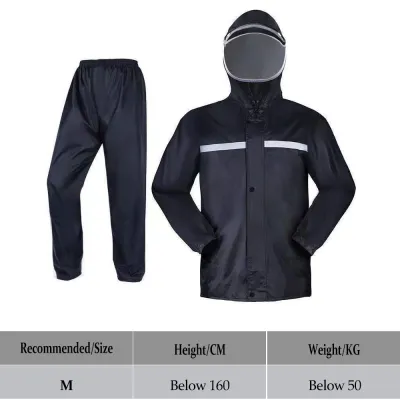
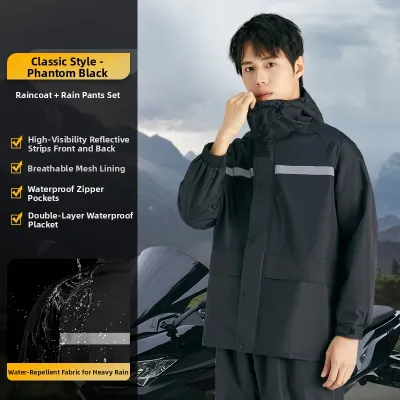
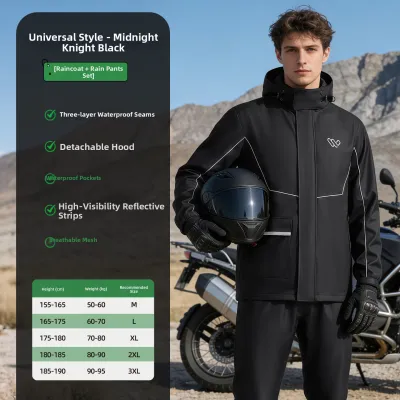
For upper and lower body protection, riders typically choose between a two-piece rain suit (jacket and pants) or a one-piece riding suit. Two-piece suits offer excellent versatility, allowing you to wear just the jacket during light drizzles or quickly pull on the pants when a sudden downpour begins. When evaluating these options, look for designs that accommodate your natural riding posture without binding at the knees or pulling down at the waist. One-piece suits provide a more continuous barrier against water but can be more challenging to put on quickly at the roadside.
Products mentioned in this guide
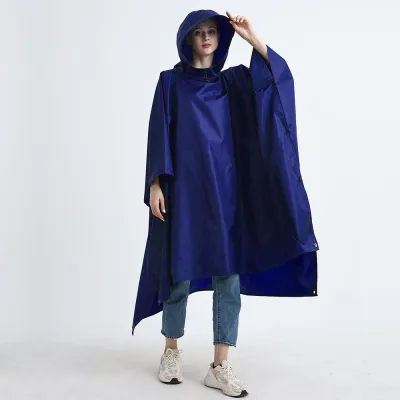
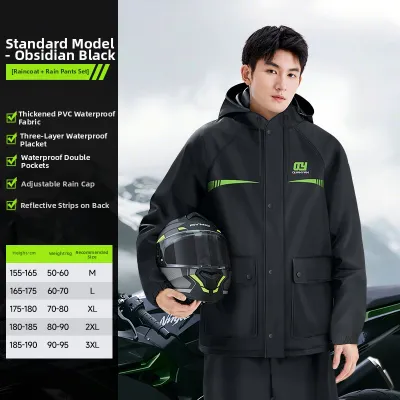
Prices are valid at publication and may change. Please refer to the product page for the latest price.
Protecting your luggage and personal items is equally important, especially when carrying electronics, documents, or spare clothing. Standard backpacks and panniers quickly saturate in heavy rain, making dedicated waterproof bag covers, heavy-duty dry bags, or tank bag rain covers essential. When choosing luggage protection, assess the securing mechanisms, such as roll-top closures, buckle straps, and elastic drawcords. Ensure that any external bags or covers can be fastened tightly to your motorcycle so they do not flap in the wind or interfere with moving parts like the rear wheel or drive chain.
Your extremities—hands, feet, and head—require specialized solutions to maintain control and visibility. Wet hands lose grip and sensitivity on the throttle, clutch, and brake levers, while saturated footwear reduces your ability to operate the rear brake and gear shifter accurately. Look for waterproof shoe covers (booties) with non-slip rubber soles that fit securely over your riding boots, and select waterproof riding gloves or over-gloves that maintain tactile feedback. For your helmet, consider anti-fog visor inserts or hydrophobic outer treatments to prevent condensation from blocking your view in high-humidity conditions.
How to Evaluate Kapote Rain Gear Specifications and Labels
Understanding how to read product labels and manufacturer specifications is key to selecting gear that can withstand real-world riding conditions. Relying solely on a product being labeled “waterproof” can lead to disappointment, as water resistance exists on a wide spectrum.

Begin by verifying the waterproof rating, which is often measured in millimeters of hydrostatic head pressure (e.g., 5,000mm, 10,000mm, or higher). A higher rating indicates the fabric can withstand greater water pressure before leaking, which is crucial for motorcyclists because wind pressure at speed forces water through fabric fibers much faster than standing rain. Additionally, examine the seam construction on the inside of the garment. Stitched seams will inevitably leak unless they are sealed internally with waterproof tape (taped seams) or joined using high-frequency welding (welded joints) to create a continuous barrier.
In hot, humid tropical climates, breathability is just as important as waterproofing. Non-breathable plastic or heavy PVC raincoats trap body heat and sweat, leaving you wet on the inside even if the rain is kept out. Look for gear featuring breathable membranes or built-in ventilation designs, such as mesh inner linings, back capes, and zippered underarm vents. These features allow hot air and moisture vapor to escape while preventing external water droplets from entering, keeping you dry and comfortable during extended rides.
Visibility drops dramatically during heavy downpours, making high-visibility features a non-negotiable safety requirement for motorcycle rain gear. Your kapote should feature bright, high-visibility colors such as neon yellow, orange, or lime green to stand out against grey road conditions. Furthermore, confirm the presence of retroreflective strips or piping on the back, chest, and sleeves. These reflective elements reflect headlight beams from other vehicles, ensuring you remain visible to drivers from multiple angles in low-light or night-time rain.
Sizing, Fit, and Riding Posture Considerations
Motorcycle rain gear must be sized and shaped differently than standard casual rainwear because it must fit over your existing riding apparel and protective armor without restricting your movement.
Your specific riding style and motorcycle type should dictate the cut of your rain gear. For instance, riding a scooter or underbone motorcycle involves a feet-forward or feet-down posture, which can cause the hem of a rain jacket to bunch up or the pant cuffs to pull upward, exposing your ankles to water. Conversely, riding a straddle or backbone bike requires a forward lean that stretches the fabric across your back and shoulders, demanding longer sleeves and a longer jacket hem to maintain coverage. Always try on rain gear while wearing your full riding jacket and pants, and sit on your motorcycle to check that the sleeves, torso, and pant legs do not restrict your reach or control inputs.
Another common point of water entry is the interface between your helmet and the collar of your rain jacket. Look for high-collar designs equipped with adjustable drawcords, Velcro tabs, or soft neoprene linings that seal snugly against the base of your helmet. Some advanced rain jackets include thin, under-helmet hoods that wear beneath your helmet shell, effectively channeling water over the outside of the collar rather than allowing it to trickle down your neck.
Fastening systems must be robust enough to resist wind-driven rain at highway speeds. Standard zippers can easily let water seep through the teeth under wind pressure. Ensure your gear utilizes heavy-duty zippers protected by double storm flaps that secure tightly with Velcro or snap buttons. Adjustable cuffs at the wrists and ankles, along with waist adjustment straps, are also vital to prevent the wind from ballooning your gear, which increases aerodynamic drag and can pull water inside the cuffs.
Maintenance, Storage, and Drying Best Practices
Proper care and maintenance are essential to preserve the waterproof integrity of your gear and prevent the buildup of mold, mildew, and unpleasant odors over time.
After riding through a storm, never fold your wet rain gear and stuff it immediately into a storage bag, under-seat compartment, or top box. This traps moisture, which rapidly degrades the waterproof coatings and seam tape. Instead, hang the gear on a wide, sturdy hanger in a well-ventilated, shaded indoor area to air dry completely. Keep the gear away from direct sunlight, radiators, or hot motorcycle exhaust pipes, as excessive heat can melt polyurethane coatings, warp synthetic fabrics, and dry out seam adhesives.
When cleaning your kapote, always follow the manufacturer’s care label instructions to avoid stripping away the water-repellent finishes. Hand washing in cold water with a mild, additive-free liquid soap is generally the safest method. Avoid harsh laundry detergents, bleach, and fabric softeners, as these chemicals can clog breathable membranes and dissolve the durable water repellent (DWR) coating on the outer fabric. Do not machine wash, spin dry, or iron your rain gear unless the manufacturer explicitly states it is safe to do so.
Store your dry rain gear loosely in a cool, dry closet rather than keeping it tightly compressed in its carrying pouch for months at a time. Periodically inspect the interior of the gear for physical signs of degradation, such as peeling polyurethane coatings, flaking seam tape, or cracked welded joints. If you notice water soaking into the outer fabric layer (wetting out) rather than beading off, you can apply a specialized spray-on waterproofing treatment to restore the DWR coating, or replace the gear if the internal membrane is cracked.
Building Your Personalized Rainy Season Riding Checklist
Creating a personalized checklist helps you prioritize your purchases based on your actual riding habits, route exposure, and budget constraints.
Start by assessing your daily commute. If you ride long distances on high-speed highways, you will need highly durable, breathable two-piece suits with excellent wind resistance and high waterproof ratings. For short, low-speed city commutes, a more compact, easily packable set that fits conveniently under your seat or in a small tail bag may be sufficient. Prioritize your budget (allocating around ₱1,500 to ₱3,500 for quality gear) toward core body protection first, as keeping your torso dry is critical for maintaining warmth and focus, before investing in secondary accessories like shoe covers or visor treatments.
Before making a purchase, always measure yourself while wearing your standard riding gear and compare those measurements to the manufacturer’s specific size chart. Buying a size too small will restrict your movement and strain the seams, while buying a size too large can cause dangerous ballooning at speed. Finally, purchase your gear through authorized local dealers or reputable online marketplaces to ensure you receive genuine products, and verify their return and exchange policies in case you need to adjust the fit.
Frequently Asked Questions (FAQ)
Can I use a standard Kapote rain poncho for high-speed highway riding?
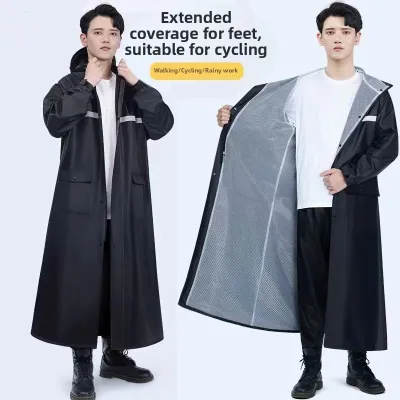
Using a loose, traditional rain poncho for highway riding is highly discouraged due to significant safety risks. At high speeds, the open design of a poncho allows wind to catch the fabric, causing it to balloon and flap violently, which can distract you, block your vision, or get caught in the motorcycle’s moving parts like the chain or wheels. Additionally, wind pressure will easily force water underneath the poncho, leaving you wet. For highway speeds, always use a fitted, two-piece rain suit with secure fastening systems.
How do I know if my Kapote waterproof gear needs to be replaced?
You can identify the need for replacement by looking for clear physical signs of wear and tear. Inspect the inside of the garment for peeling, cracking, or flaking of the waterproof polyurethane coating, and check if the seam tape is bubbling or lifting away from the fabric. If water begins to saturate the outer fabric layer (wetting out) rather than beading up and rolling off, and a fresh application of water-repellent spray fails to restore it, the waterproof barrier has degraded and the gear should be replaced.
Community discussion
Share your experience or ask a question. Comments are reviewed before publication.