
The Honda PS250, known for its rugged, minimalist design and utilitarian charm, relies on a series of consumable components to maintain its distinctive performance and on-road reliability. Because this scooter features exposed frame elements and minimal bodywork, its mechanical systems are directly subjected to environmental factors like dust, moisture, and heat. The most common replacement parts you will need to source over the lifespan of the vehicle include continuously variable transmission (CVT) drive belts, roller weights, brake pads, air and fluid filters, and tires. Proactively identifying wear on these parts prevents minor degradation from turning into costly mechanical failures on the road.
Maintaining a vintage or unique machine like the PS250 requires a systematic approach to inspection. While general wear patterns are predictable, your specific riding style, cargo load, and local climate heavily influence how quickly these components degrade. To ensure safety and preserve the scooter’s performance, always consult your official Honda PS250 Owner’s Manual for precise service intervals, torque specifications, and fluid capacities before undertaking any replacement work.
Diagnosing Drive System (CVT) Wear and Performance Loss
The continuously variable transmission (CVT) is the heart of the PS250’s automatic drivetrain, translating engine power directly to the rear wheel. Over time, the drive belt experiences intense thermal and mechanical stress, leading to gradual stretching, material degradation, and eventual failure. To inspect the belt, you must remove the CVT outer cover and perform a thorough visual check. Look closely for signs of fraying along the edges, cracking between the inner cogs, localized glazing, or any missing material. A compromised belt can snap without warning, leaving you stranded and potentially damaging the internal aluminum housings of the transmission.
Products mentioned in this guide
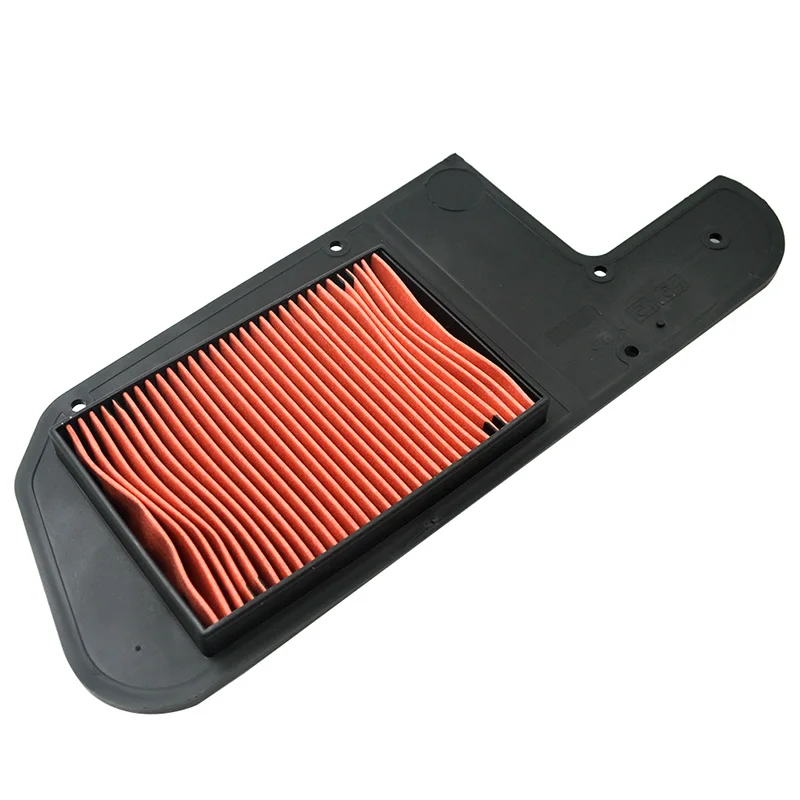
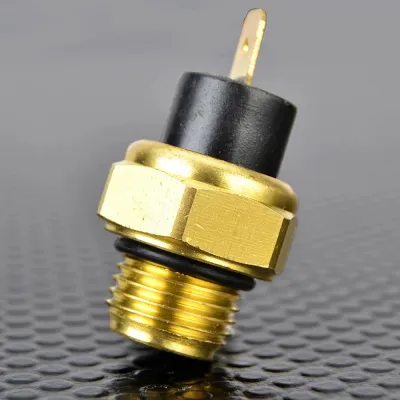
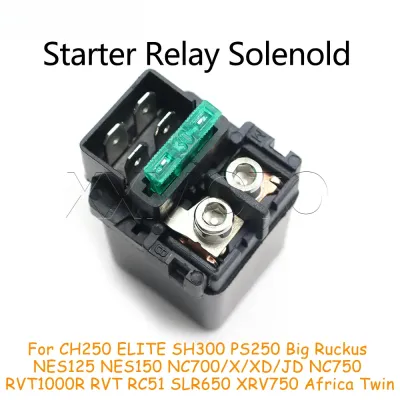
Prices are valid at publication and may change. Please refer to the product page for the latest price.
Beyond the belt itself, the variator roller weights and the variator pulley faces require close monitoring. As you ride, the roller weights slide outward to change the transmission ratio; over thousands of kilometers, these rollers develop flat spots. You can often diagnose worn roller weights by listening for an unusual metallic rattling sound from the transmission case at idle, or by feeling a distinct hesitation, shuddering, or loss of acceleration when you twist the throttle. If the variator assembly is clogged with accumulated belt dust and road grime, the smooth transition of gear ratios will be severely compromised.
To keep the drivetrain operating smoothly, establish a routine of cleaning and inspecting the CVT components at the intervals specified in your Honda PS250 Owner’s Manual. If your visual inspection reveals deep cracks, exposed cords, or if the belt width has worn below the service limit specified by the manufacturer, replace the belt immediately. For safety reasons, if you observe severe structural damage to the drive belt or experience a complete loss of drive while riding, stop operating the vehicle immediately and seek a professional mechanical assessment to prevent catastrophic transmission lockup.
Inspecting Braking Components for Safety and Stopping Power
The braking system on the Honda PS250 is your primary safety shield, requiring regular inspection to maintain optimal stopping power. The front disc brake and rear drum brake components must be checked consistently to ensure they can handle the weight of the scooter and its rider. Start by inspecting the front brake pads through the caliper viewing window or by removing the caliper if necessary. Measure the remaining thickness of the friction material against the built-in wear indicator grooves; if the friction material is worn down close to the metal backing plate, or if you notice uneven wear patterns and embedded road debris, the pads must be replaced immediately to prevent permanent damage to the rotor.

The brake rotor itself must be evaluated for physical integrity and wear. Run a finger carefully across the cool rotor surface to check for deep scoring, warping, excessive rust, or a pronounced lip at the outer edge. A warped or heavily scored rotor reduces the contact area of the brake pads, leading to spongy brake lever feel, increased stopping distances, and vibration during deceleration. If you observe these symptoms, the rotor must be measured with a micrometer to verify it still meets the minimum thickness specification outlined in the service documentation.
In addition to the physical hardware, the hydraulic brake fluid plays a critical role in system performance. Check the fluid level and color through the sight glass on the handlebar-mounted reservoir. Fresh brake fluid is clear with a light amber tint, while dark, cloudy, or murky fluid indicates moisture contamination and thermal breakdown, which can lead to brake fade under heavy use. Because brake maintenance directly impacts your safety on the road, always seek professional mechanic intervention for hydraulic bleeding, caliper rebuilding, or rotor replacement if you lack the specialized tools, torque wrenches, or mechanical experience required for these critical tasks.
Checking Engine and Transmission Filters and Fluids
Protecting the PS250’s 249cc engine from premature wear requires diligent management of its filtration systems and lubricating fluids. The air filter element is the first line of defense against airborne contaminants that can score cylinder walls and clog fuel delivery systems. In tropical environments, such as the humid and often dusty road conditions found across the Philippines, the air filter can become saturated with fine dust, pollen, and moisture much faster than in temperate climates. Regularly extract the filter element to check for heavy dirt accumulation or oil saturation, and replace it promptly rather than attempting to blow out a heavily clogged paper element with compressed air, which can tear the microscopic filtration fibers.
Engine oil is the lifeblood of the motor, providing both lubrication and critical cooling for the internal components. Use the dipstick to verify the oil level weekly, ensuring the scooter is parked on level ground on its center stand. Inspect the color and consistency of the oil on the dipstick; dark black oil filled with suspended carbon particles indicates it is time for a change, while a milky appearance suggests coolant contamination that requires immediate professional diagnosis. Always refer to your owner’s manual to select the correct oil viscosity grade and capacity suitable for warm-weather operation.
The final drive gear oil, located at the rear of the transmission case, is often overlooked but equally vital. Locate the gear oil fill and drain plugs to check for leaks and verify fluid levels. This oil lubricates the reduction gears and must be changed at the specific mileage thresholds or time intervals recommended by the manufacturer, or sooner if the scooter is frequently ridden through deep standing water or heavy monsoon downpours. Adjusting your inspection and replacement frequency based on the severity of your local riding environment—rather than relying solely on generic mileage estimates—will significantly extend the lifespan of these critical mechanical assemblies.
Evaluating Tires and Suspension for Grip and Comfort
Tires and suspension components dictate how the Honda PS250 handles corners, carries loads, and absorbs road imperfections. Regularly inspect the tire tread depth using the built-in Tread Wear Indicators (TWI) located within the tread grooves. If the tread is flush with these indicators, or if you observe dry rot, sidewall cracking, bulges, or uneven wear patterns caused by improper inflation, the tires must be replaced. Additionally, monitor tire pressure retention over several days; a gradual drop in pressure often points to a slow leak, a compromised valve stem, or a poor bead seal against a corroded rim.
The suspension system must be checked to ensure it can safely manage the scooter’s weight and maintain tire contact with the road. Inspect the front telescopic forks and rear shock absorbers for any signs of oil weeping or wetness around the seals, which indicates seal failure and loss of dampening fluid. If you experience a harsh bottoming-out sensation when navigating bumps, or if the scooter continues to bounce repeatedly after hitting a dip, the suspension components require servicing or replacement.
When managing your maintenance budget in ₱, always prioritize tire replacement over non-essential suspension upgrades or cosmetic modifications. Your tires represent the sole contact patch between the scooter and the road surface, making them the single most critical factor in braking traction, wet-weather grip, and overall riding safety. Investing in high-quality, correctly sized tires ensures the vehicle remains stable and predictable under all operating conditions.
Building a Reliable Parts Sourcing and Maintenance Plan
Sourcing the correct replacement parts for a unique model like the Honda PS250 requires a methodical approach to avoid compatibility issues. Always locate the Vehicle Identification Number (VIN) plate stamped on the scooter’s frame to identify the exact model year and regional variant. Use this VIN when consulting official Honda parts catalogs or authorized dealership databases to retrieve the precise OEM (Original Equipment Manufacturer) part numbers. Relying on generic model names or visual approximations on online platforms often leads to purchasing incompatible components that do not fit the specific brackets or electrical connectors of your machine.
When purchasing parts, weigh the trade-offs between Genuine Honda OEM components and aftermarket alternatives. For critical safety and performance systems—such as CVT drive belts, brake pads, and engine seals—using OEM parts is highly recommended to guarantee material quality and precise tolerances. For basic consumables like air filters, spark plugs, or handlebar grips, reputable aftermarket brands that meet or exceed OEM specifications can offer a cost-effective alternative without compromising reliability.
When navigating online marketplaces or visiting local brick-and-mortar dealerships, take steps to verify seller authorization, return policies, and part authenticity. Counterfeit parts are a common hazard online, so look for official distributor seals and avoid deals that seem unrealistically cheap. Finally, maintain a physical or digital maintenance log to record the date, mileage, and brand of every part you replace. This log creates a predictable timeline for future purchases, helping you anticipate wear patterns and budget for upcoming maintenance before a component fails on the road.
Frequently Asked Questions (FAQ)
How do I find the exact part numbers for my Honda PS250?
To find the exact part numbers, locate the metal VIN plate welded to the scooter’s frame, which displays the unique vehicle identification number, model year, and manufacturing details. Cross-reference this VIN with an official Honda parts catalog, which you can access through authorized local dealerships or reputable online parts databases. Avoid relying solely on generic model names or visual comparisons from online listings, as subtle design variations between production years can result in purchasing incompatible components.
Can I use aftermarket parts instead of genuine Honda components?
Yes, you can use aftermarket parts, but it is important to distinguish between critical safety components and basic consumables. For high-stress parts like CVT drive belts, brake pads, and engine gaskets, genuine Honda OEM parts are strongly recommended to ensure exact fitment and material durability. For simpler consumables such as air filters, spark plugs, or cosmetic accessories, reputable aftermarket brands are acceptable, provided you verify their material specifications and compatibility with the PS250 before installation.
Community discussion
Share your experience or ask a question. Comments are reviewed before publication.