
To protect your motorcycle from the harsh climate of the Philippines, a high-quality motor cover must balance heavy-duty waterproofing with active heat reflection and breathability. The ideal cover features a UV-treated outer layer with a silver reflective coating to deflect intense tropical sunlight, polyurethane (PU) coated fabrics with heat-sealed seams to block torrential monsoon rains, and built-in ventilation flaps to prevent trapped humidity from causing mold and rust. Additionally, robust windproofing elements like adjustable belly straps and elastic hems are essential to keep the cover secure during sudden typhoons.
How the Philippine Climate Affects Your Motorcycle
The Philippine climate presents a unique set of challenges for vehicle maintenance, characterized by intense equatorial sunlight, heavy seasonal monsoons, and persistent high humidity. Parking an unprotected motorcycle outdoors exposes it to a combination of environmental stressors that can rapidly degrade both its cosmetic appeal and mechanical integrity. Understanding these factors is the first step in selecting a protective barrier that goes beyond basic dust coverage.
Solar radiation in the tropics is exceptionally strong, especially during the dry season from March to May. Prolonged exposure to ultraviolet (UV) rays breaks down the chemical bonds in paint clear coats, leading to oxidation, fading, and a chalky finish. Plastic fairings and instrument clusters become brittle and prone to cracking under constant solar abuse, while vinyl or leather seats lose their essential plasticizers, resulting in stiff, easily torn surfaces.
Products mentioned in this guide
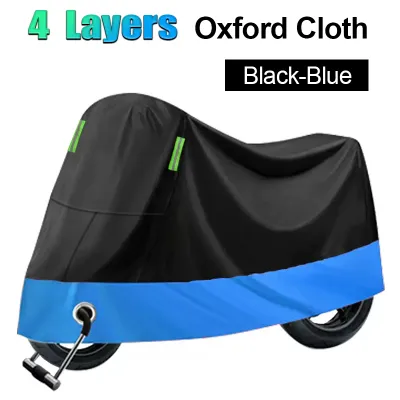
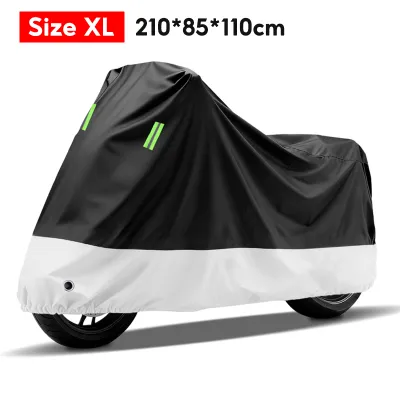
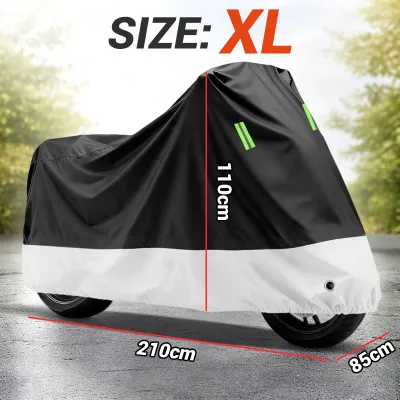
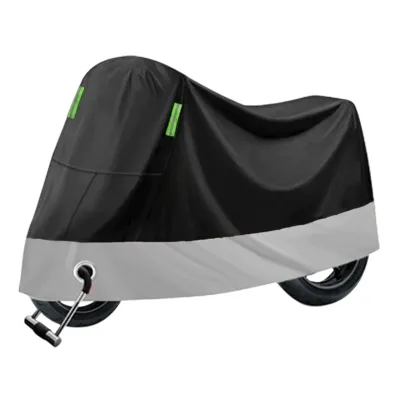
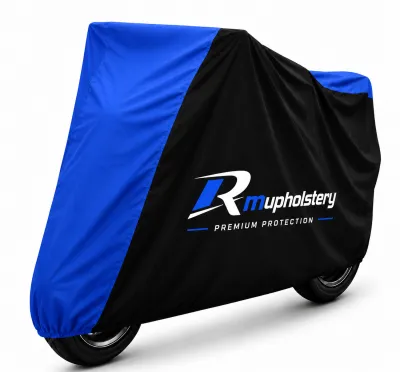
Prices are valid at publication and may change. Please refer to the product page for the latest price.
Rainfall during the monsoon season, which typically spans from June to November, introduces direct moisture risks. Rainwater can carry acidic pollutants, especially in highly urbanized areas like Metro Manila, which accelerate the oxidation of exposed metal parts. This leads to rapid rust formation on chains, frame welds, brake discs, and exhaust systems. Furthermore, water can seep into aging electrical connectors, causing short circuits, blown fuses, or malfunctioning instrument clusters.
High relative humidity, which regularly exceeds 80% across the archipelago, compounds these issues by trapping moisture in enclosed spaces. When wet ground warms up after a tropical downpour, water vapor rises and can become trapped beneath a non-breathable cover. This creates a highly humid microclimate that accelerates corrosion on metal components and fosters the rapid growth of mold and mildew on seat fabrics and rubber handlebar grips. The primary goal of a quality cover is to balance robust water exclusion with effective moisture dissipation.
Key Features for Intense Sun and UV Protection in a Motor Cover
Reflective Coatings and UV Treatment
Fabric thickness or density alone does not guarantee protection against intense tropical solar radiation. A thick, dark-colored polyester cover without specific chemical treatments will absorb solar energy, transferring heat directly to the motorcycle underneath and degrading rapidly under constant sun exposure. When shopping for a cover, it is essential to verify the material specifications rather than relying on generic marketing claims.

Look for product labels that explicitly state the presence of a silver polyurethane (PU) outer coating, aluminum-foil laminates, or specialized UV-inhibitor treatments. These materials are engineered to reflect solar radiation away from the vehicle. Additionally, check for certified UPF (Ultraviolet Protection Factor) ratings on the packaging, which provide verified evidence of the fabric’s ability to block harmful ultraviolet rays and extend the lifespan of your motorcycle’s paint and plastics.
Heat Dissipation and Interior Protection
Dark, non-reflective covers often create a greenhouse effect when parked in direct sunlight. Temperatures underneath a dark cover can easily exceed 60°C, a level of heat that can warp delicate plastic fairings, damage digital LCD instrument screens, and accelerate the degradation of fuel lines and rubber seals. To mitigate this risk, choose a cover with a light-colored or highly reflective exterior to actively deflect heat.
Equally important is the design of the cover’s interior. The inner lining should feature a soft, non-abrasive material, such as brushed cotton, fleece, or soft microfiber, to prevent the fabric from scratching the motorcycle’s clear coat during windy conditions. This inner layer also acts as a crucial thermal barrier, protecting the fuel tank and seat from extreme heat buildup and preventing the cover’s outer synthetic materials from bonding to plastic parts under intense sun.
Waterproofing Specs for Heavy Monsoon Rains
Coatings and Seam Construction
True waterproofing relies heavily on the structural construction of the cover rather than just the base fabric. While polyester and nylon are naturally water-resistant, they require a specialized internal coating, such as polyurethane (PU) or polyvinyl chloride (PVC), to successfully block heavy, wind-driven monsoon rains. Check the product specifications for a hydrostatic head rating, which measures water resistance in millimeters; a rating of 2000mm or higher is generally recommended for tropical storm conditions.
Seams are the most vulnerable points of any protective cover. Standard stitching creates thousands of tiny needle holes that allow rainwater to slowly seep through under the pressure of a heavy downpour. To prevent this, ensure the cover features taped seams or heat-sealed seams, where a waterproof thermoplastic tape is applied over the stitched lines to completely seal the needle holes. If the cover includes zippers for quick access, they should be covered by wide storm flaps to prevent water intrusion.
Water Pooling and Drainage Design
An improper fit often leads to water pooling in the sagging sections of the cover, particularly over the seat area or between the handlebars. The weight of pooled water puts continuous pressure on the fabric and seams, eventually forcing moisture through even high-quality waterproof coatings. Over time, this standing water can degrade the fabric’s protective treatments.
To prevent pooling, select a cover designed with structured panels and a tailored fit that matches your motorcycle’s category, whether it is a scooter, underbone, or adventure bike. A well-designed cover should encourage rapid water runoff by maintaining a natural slope from the handlebars down to the tail. Elasticized front and rear hems help keep the fabric taut, minimizing saggy pockets where water can accumulate.
Breathability Solutions for High Humidity and Mold Prevention
Using a completely sealed, non-breathable waterproof cover in a high-humidity environment like the Philippines can do more harm than good. When the ground warms up after a rainstorm, moisture evaporates from the pavement and rises into the air. A completely sealed plastic cover will trap this rising moisture, causing it to condense on the cool metal and electrical components of the motorcycle, which accelerates rust and electrical corrosion.
To combat trapped moisture, high-quality covers incorporate active breathability features. Look for built-in ventilation panels, which are typically mesh-lined vents located near the mirrors or along the upper sides of the cover. These vents are designed with downward-facing protective flaps that allow warm, moist air to rise and escape freely while preventing wind-driven rain from entering the interior.
In addition to ventilation panels, some premium covers utilize breathable fabric zones or moisture-wicking inner linings that help draw condensation away from the motorcycle’s surface. However, even the most breathable cover requires proper usage. As an operational rule, always ensure your motorcycle is completely dry and cool before applying the cover to avoid trapping existing moisture or condensation against the metal and paint.
Windproofing and Security for Stormy Weather
During the typhoon season, strong wind gusts can turn a loose motorcycle cover into a sail. If the wind catches the cover, it can create enough aerodynamic lift to tip the motorcycle over, leading to expensive structural and cosmetic damage. To prevent this, a cover must feature a robust, multi-point tie-down system.
Look for covers equipped with heavy-duty elastic bottom hems that wrap snugly under the front and rear tires. Additionally, adjustable belly straps with quick-release buckle closures are essential to anchor the cover firmly underneath the motorcycle’s frame, ensuring it remains secure during high winds. Some designs also include mid-body drawstrings to allow you to customize the tightness of the fit.
Security features are equally important when parking in public or semi-private spaces. High-quality covers feature reinforced metal grommets or heavy-duty fabric lock holes near the front and rear wheels, allowing you to pass a U-lock, cable lock, or disc lock through both the wheel and the cover. This setup deters opportunistic thieves from stealing the cover or accessing the bike. For nighttime safety, look for covers with high-visibility reflective strips or piping along the sides and corners to ensure passing motorists can easily spot the parked vehicle in low-light conditions.
Sizing and Fit: Accounting for Accessories and Modifications
Selecting the correct size is critical to ensuring all the protective features of your motor cover function as intended. A cover that is too tight will stretch the seams, leading to tears and water leakage, while a cover that is too loose will flap excessively in the wind, scratching the paint and allowing water to pool. Do not rely solely on generic “universal” labels, as sizing standards vary significantly between manufacturers.
Before purchasing, use a flexible measuring tape to determine your motorcycle’s actual dimensions. Refer to your vehicle’s official documentation for standard dimensions, and measure the following three key axes:
- Length: From the outermost edge of the front tire to the tip of the rear fender or license plate holder.
- Width: The widest point of the motorcycle, typically across the handlebars or side mirrors.
- Height: From the ground to the highest point, usually the top of the mirrors or the instrument cluster.
If you have modified your motorcycle with aftermarket accessories, you must account for these changes in your measurements. Common modifications like top boxes, side panniers, tall windshields, crash guards, and extended mirrors alter the bike’s profile significantly. Some manufacturers offer specialized covers with expandable zippered compartments designed specifically to accommodate top boxes or tall windscreens. Always compare your final measurements with the manufacturer’s detailed size chart and dimension diagrams to ensure a proper fit.
In the Philippine market, a basic motor cover may cost under ₱500, but these often lack UV-inhibitors or taped seams. Mid-range options with reliable PU coatings and basic vents typically range from ₱800 to ₱1,800, while premium, heavy-duty covers with certified UPF ratings and heat-resistant linings can cost ₱2,500 or more.
Best Practices for Using and Maintaining Your Cover
Safety Warning: Never place a synthetic motor cover over a hot engine or exhaust pipe. The extreme heat from the exhaust header and muffler can instantly melt materials like polyester, nylon, or polyurethane coatings, leaving a ruined cover and a difficult-to-clean residue on your motorcycle’s metal parts. Always refer to your motorcycle’s owner’s manual for cooling guidelines, and allow the engine and exhaust to cool down completely to room temperature before covering the vehicle.
To clean your cover and maintain its protective coatings, hand-wash it while it is spread out on a clean, flat surface. Use mild soap, lukewarm water, and a soft sponge or cloth to gently remove road grime, salt residue, and bird droppings, which can chemically degrade the waterproof and UV-resistant layers. Never machine-wash or tumble-dry the cover, as the aggressive mechanical agitation and heat will strip away the protective coatings and damage the sealed seams. Always check the cover manufacturer’s label for specific care instructions.
Proper storage is essential to prevent mold growth and fabric degradation. After a heavy rainstorm or cleaning session, hang the cover in a shaded, well-ventilated area and allow it to dry completely before folding it. Storing a damp cover inside its carry bag creates an ideal environment for mildew, which can rot the fabric fibers and ruin the waterproof lining.
Frequently Asked Questions (FAQ)
Can I use a heavy-duty tarpaulin instead of a dedicated motorcycle cover?
Using a heavy-duty utility tarpaulin is not recommended for daily motorcycle protection. While tarpaulins are highly waterproof, they lack the breathability required to let trapped ground moisture escape, which can accelerate rust on metal components. Additionally, the stiff, abrasive texture of a tarpaulin can easily scratch your motorcycle’s paint and plastic fairings when moved by the wind, and their lack of a tailored, aerodynamic shape makes them highly susceptible to catching wind and tipping your bike over during storms.
How do I know if my motorcycle cover needs to be replaced?
You should replace your motorcycle cover when you observe clear signs of material failure. These include the inner polyurethane coating flaking off, cracking, or becoming sticky to the touch, which indicates the waterproofing has degraded. Other signs include fabric that has become stiff, brittle, or easily torn due to prolonged UV exposure, water no longer beading on the surface, or seams that have unraveled and lost their waterproof sealing tape.
Should I use an indoor cover if my bike is parked in a covered garage?
Yes, using an indoor cover is highly beneficial even when your motorcycle is parked inside a covered garage. Indoor covers are typically made of lightweight, highly breathable fabrics like soft cotton or microfiber, which are designed to protect the vehicle from airborne dust, pollen, and accidental scratches while allowing ambient moisture to escape freely. However, avoid using heavy outdoor waterproof covers indoors unless the garage is exceptionally well-ventilated, as they can trap indoor humidity against the bike’s metal surfaces.
Community discussion
Share your experience or ask a question. Comments are reviewed before publication.