
Protecting a motorcycle in the Philippines requires a cover that can withstand rapid, intense weather shifts. A typical tropical day can transition from a torrential monsoon downpour to scorching equatorial sunlight within a single afternoon, putting immense stress on your vehicle’s exterior components.
To safeguard your investment, a high-quality motorcycle cover must feature robust waterproofing with taped seams, built-in ventilation to prevent condensation, UV-reflective coatings, heat-resistant panels, and a secure windproof fastening system. Selecting the wrong cover can often cause more damage than leaving the motorcycle exposed to the elements.
Cheap, non-breathable plastic sheets trap humidity underneath, accelerating rust on metal components and promoting mold growth on vinyl seats. Before purchasing, it is also essential to measure your motorcycle’s exact dimensions—including any aftermarket top boxes, side panniers, or tall windscreens—as generic size categories like Medium or Extra Large vary significantly between manufacturers.
Products mentioned in this guide
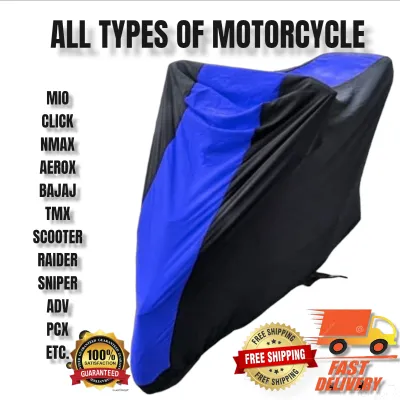
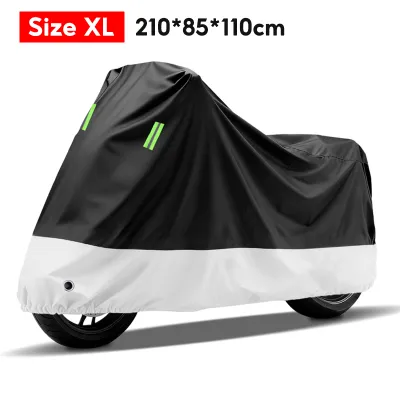
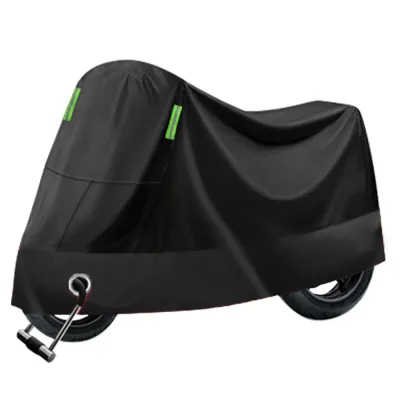
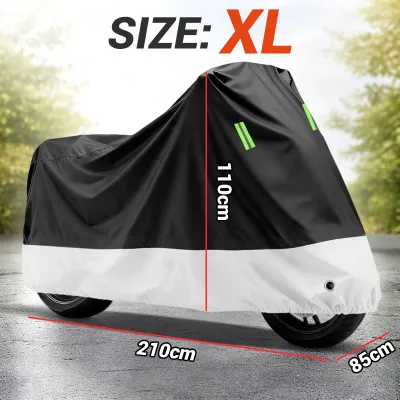
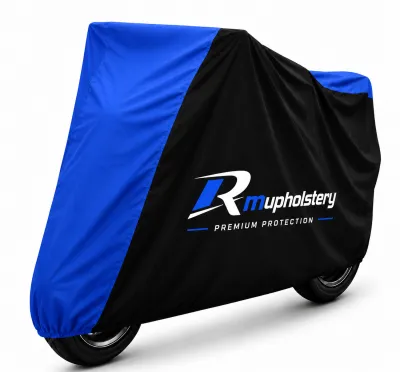

Prices are valid at publication and may change. Please refer to the product page for the latest price.
Understanding the Tropical Climate Impact on Your Motorcycle
The Philippine climate presents unique challenges for motorcycle maintenance, characterized by high relative humidity, heavy seasonal monsoons, and extreme UV exposure. During the wet season, sudden downpours can saturate a parked motorcycle within minutes, depositing rain on sensitive electrical connections and exposed metal surfaces.
Even when it is not raining, the ambient humidity in tropical regions regularly exceeds 80 percent. This constant moisture in the air settles on cold metal parts overnight, creating a thin layer of condensation that slowly corrodes steel frames, chain links, and brake rotors.
When a motorcycle is covered with a generic, non-breathable plastic tarp, this humidity becomes trapped inside. As the sun heats the cover, a greenhouse effect occurs underneath, accelerating chemical reactions that lead to rust, oxidation of aluminum engine blocks, and the dry-rotting of rubber hoses.
Additionally, the intense equatorial sun emits high levels of ultraviolet (UV) radiation. Over time, unshielded UV rays break down the chemical bonds in plastic fairings, causing them to fade, become brittle, and crack under minor stress.
Vinyl seats are equally vulnerable to sun damage, often cracking and splitting along the seams when exposed to prolonged heat. A specialized cover acts as a sacrificial barrier, but only if its materials are engineered to withstand these relentless environmental forces without degrading.
Waterproofing and Breathability: Managing Heavy Rain and Humidity
To combat heavy tropical rains, the outer shell of your motorcycle cover must be constructed from a high-density, water-resistant fabric. When browsing online marketplaces or local motorcycle shops, look for materials specified as high-denier polyester or Oxford cloth, typically ranging from 210D to 600D.

The “D” stands for denier, which measures the thickness of the individual threads; a higher denier rating generally indicates a thicker, more tear-resistant fabric that can withstand heavy downpours. These fabrics are usually treated with a polyurethane (PU) or polyvinyl chloride (PVC) inner coating to block water from penetrating the weave.
However, fabric water resistance is only effective if the construction prevents water from seeping through the stitching. Standard needle punctures along the seams create thousands of tiny holes where rainwater can slowly drip onto your motorcycle.
To prevent this, verify that the cover features heat-sealed, taped, or double-stitched seams with waterproof backing. These manufacturing techniques seal the needle holes, ensuring that water slides off the cover rather than penetrating the joints during prolonged monsoons.
While keeping water out is vital, allowing trapped moisture to escape is equally critical for preventing rust and mold. High-quality covers incorporate strategically placed ventilation vents, often located near the top handles or mirrors, protected by overhanging hoods to keep rain out while letting hot air and humidity rise and escape.
Without these vents, the moisture rising from the warm ground or a damp engine will condense on the inside of the cover, dripping back onto the motorcycle. This continuous cycle of evaporation and condensation creates an ideal environment for mold and mildew to colonize your seat and handgrips.
Furthermore, consider the texture of the cover’s inner lining. A soft, non-abrasive inner lining made of fleece, cotton, or brushed polyester protects your motorcycle’s delicate clear coat and plastic wind deflectors from micro-scratches.
These micro-scratches occur when wind causes a coarse cover to rub repeatedly against the bike’s painted surfaces. A soft lining acts as a cushion, ensuring that even if the cover shifts slightly in the breeze, your paintwork remains pristine.
UV Protection and Heat Deflection for Intense Sunlight
The sun’s heat can raise the temperature under a dark motorcycle cover to extreme levels, potentially damaging digital instrument clusters, melting adhesive seals, and cracking rubber components. To prevent this, look for covers with UV-resistant coatings or silver-treated outer layers.
These reflective coatings act as a shield, bouncing solar radiation away from the motorcycle and keeping the temperature underneath significantly lower than the ambient air temperature. This heat deflection is crucial for preserving the life of your battery, dashboard electronics, and synthetic leather seats.
Without UV stabilizers embedded in the cover’s fabric, the cover itself will quickly deteriorate. Cheap covers often become stiff, faded, and brittle after just a few months of exposure to the Philippine sun, eventually tearing along stress lines during a light breeze.
Another critical safety feature is the integration of heat-resistant panels along the lower rear section of the cover. These panels are typically made of heavy-duty, heat-tolerant materials like aluminized fabric or specialized fiberglass weaves.
When parking your motorcycle, the exhaust pipe and engine block remain extremely hot for quite some time. If a standard polyester cover makes contact with a hot exhaust, it can melt instantly, leaving a difficult-to-clean plastic residue on your chrome or matte exhaust pipe and ruining the cover.
Always consult your motorcycle manufacturer’s care guidelines regarding parking and covering procedures. While heat-resistant panels offer a layer of protection, it is still safest to let the engine cool down for at least 10 to 15 minutes before applying any cover.
Secure Fit and Wind Resistance for Stormy Conditions
The Philippines regularly experiences strong winds, particularly during typhoon season and sudden afternoon thunderstorms. A loose, poorly fitted cover can act like a sail, catching the wind and potentially tipping your motorcycle over, causing expensive structural or cosmetic damage.
To prevent wind lofting, select a cover equipped with heavy-duty elastic hems at both the front and rear. These elasticized edges hug the contours of your front and rear tires, pulling the cover tight around the lower profile of the motorcycle to minimize the entry points for gusting wind.
In addition to elastic hems, adjustable buckle straps or under-belly straps are essential for securing the cover in place. These straps run underneath the motorcycle’s chassis, clipping together to anchor the cover firmly against upward drafts.
Look for covers with adjustable tension buckles so you can tighten the straps according to your specific motorcycle model’s ground clearance and width. This adjustable tension prevents the cover from flapping violently, which can wear down the fabric and scratch your bike’s fairings.
Security is another major consideration when parking outdoors. High-quality motorcycle covers feature reinforced metal grommets or heavy-duty fabric lock holes near the front and rear wheels.
These openings serve a dual purpose: they allow you to thread a heavy cable lock, U-lock, or disc lock through both the wheel and the cover, securing your vehicle against theft while simultaneously locking the cover to the bike. This prevents opportunistic thieves from stealing the cover itself or easily accessing the motorcycle underneath.
Cleaning and Storing Your Cover in High Humidity
Maintaining your motorcycle cover is just as important as maintaining the motorcycle itself, especially in a humid environment where dirt, bird droppings, and tree sap can degrade the protective coatings over time. Regular cleaning extends the life of the waterproof and UV-resistant treatments.
To clean your cover safely, lay it flat on a clean surface or drape it over a clothesline. Gently hand wash the exterior using a soft sponge, lukewarm water, and a mild, pH-neutral soap; avoid harsh household detergents, bleach, or fabric softeners, as these chemicals can strip away the polyurethane waterproofing and UV-protective layers.
Never wash a motorcycle cover in a washing machine or use a high-pressure power washer. The aggressive agitation of a washing machine can delaminate the inner waterproof backing, while high-pressure water can tear the seams and puncture the fabric.
Allow the cover to air dry completely in a shaded, well-ventilated area before folding or storing it. Applying a damp cover to your motorcycle, or folding a wet cover into its storage bag, traps moisture and will inevitably lead to mold, mildew, and unpleasant odors.
For storage, fold the cover neatly to avoid sharp creases that can weaken the waterproof coating over time. Store it in a breathable mesh or ventilated carrying bag, and keep it in a cool, dry place away from direct sunlight and pests.
Budget-friendly motorcycle covers in local retail spaces typically start under ₱800, while premium, heavy-duty covers featuring advanced multi-layer waterproofing, heat shields, and soft inner linings generally range from ₱1,500 to ₱3,500. Investing in a high-quality cover tailored to these specifications ensures long-term protection for your vehicle’s mechanical and cosmetic integrity.
Frequently Asked Questions (FAQ)
Can I cover my motorcycle immediately after riding in the rain?
No, you should avoid covering a wet motorcycle immediately after riding, even if your cover is highly breathable. Covering a wet bike traps the moisture against the warm metal parts, creating a high-humidity chamber that accelerates rust and corrosion on the chain, brakes, and electrical connections.
If your motorcycle is wet from riding in the rain, wipe down the critical metal components, chain, and seat with a clean microfiber cloth first. Let the engine and exhaust cool down completely, and allow the remaining moisture to evaporate before applying the cover.
How often should I remove the cover to check for trapped moisture?
During the rainy season or periods of high humidity, it is highly recommended to remove the cover at least once or twice a week. Even the most breathable covers can trap some condensation during rapid temperature changes, such as when a cool night transitions into a hot, sunny morning.
Take advantage of dry, sunny days to remove the cover completely, allowing both the motorcycle and the inner lining of the cover to air out in the sun for a few hours. This simple maintenance routine prevents the buildup of mold on your seat and stops hidden rust from developing on your frame.
Community discussion
Share your experience or ask a question. Comments are reviewed before publication.