
Quick Answer: Core Features for Heavy Rain
Riding a motorcycle through a sudden downpour during the Philippine monsoon requires specialized gear designed to withstand both high-speed wind and heavy water volume. To stay dry and safe, your rain gear must feature fully sealed or taped seams that prevent water from seeping through the stitching. Look for garments with verified waterproof ratings on their manufacturer labels rather than relying on vague “water-resistant” marketing claims. Additionally, high-visibility reflective elements and secure, adjustable closures at the neck, wrists, and ankles are non-negotiable for maintaining safety and keeping water out.
Evaluating Waterproofing and Material Construction
When shopping for motorcycle rain gear, the manufacturer’s tag is your first line of defense. Look for a hydrostatic head rating, which is typically measured in millimeters (such as 10,000mm or higher). This rating indicates the amount of water pressure the fabric can withstand before moisture begins to penetrate. High breathability ratings are equally important in the hot, humid climate of the Philippines, as they allow sweat and body heat to escape, preventing you from getting wet from the inside out.

Beyond the fabric itself, inspect the physical construction of the garment. Turn the jacket inside out to verify that every seam is covered with a heat-sealed waterproof tape. The main front zipper should always be shielded by a wide storm flap, preferably secured by velcro or snap buttons, to block wind-driven rain from forcing its way through the zipper teeth. High-wear areas, such as the seat of the pants and the inner thighs, require reinforced panels or double-stitching to handle the constant friction against the motorcycle seat.
Products mentioned in this guide
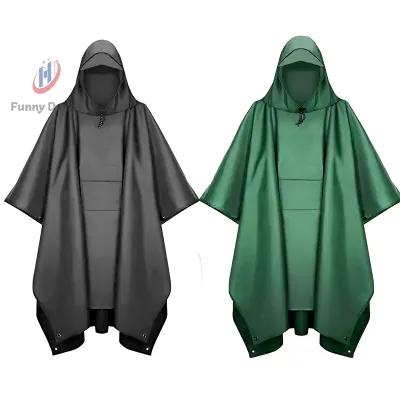
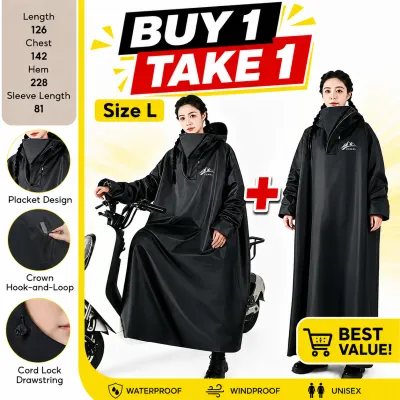
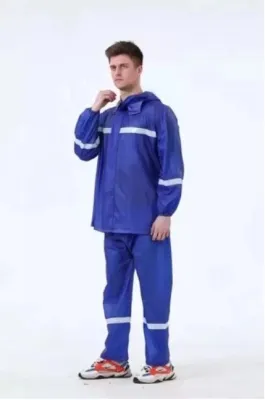
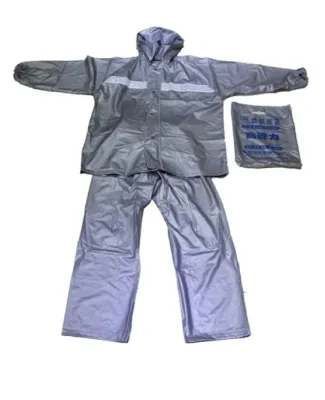
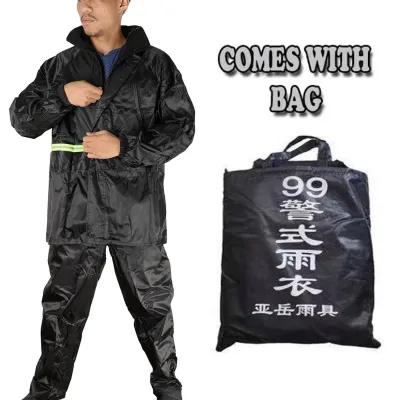
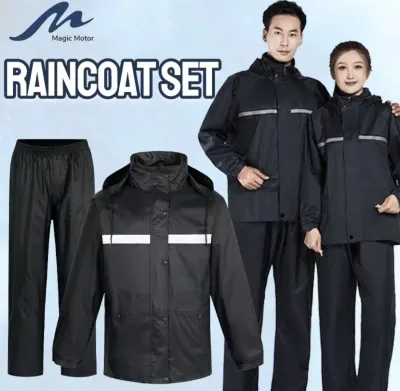
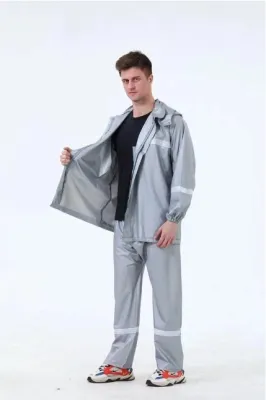
Prices are valid at publication and may change. Please refer to the product page for the latest price.
Material thickness plays a critical role in durability and performance at speed. Lightweight, cheap plastics will quickly shred or balloon under highway wind pressure. Opt for heavy-duty polyester, nylon, or polyurethane-coated fabrics that offer high tensile strength and abrasion resistance. These materials resist tearing from road debris and maintain their structural integrity when subjected to the buffeting forces of riding at 60 km/h or faster.
Visibility and Safety in Low-Light Conditions
Monsoon downpours in the Philippines can instantly reduce road visibility to near-zero, making it crucial that other motorists can see you clearly. Your rain gear should feature strategically placed reflective piping, strips, or patches across the upper back, shoulders, chest, and the sides of the legs. These reflective elements capture the headlights of surrounding vehicles from multiple angles, providing a critical safety buffer during dark, overcast daytime rides or night storms.
While dark colors like black or navy blue are popular for hiding road grime, they make you virtually invisible in heavy rain. Opting for high-visibility base colors such as neon yellow, bright orange, or fluorescent green significantly increases your visual profile on the road. If you prefer a darker suit, ensure it features large, high-contrast fluorescent panels integrated into the upper torso and sleeves.
The design of the collar and hood also directly impacts your safety. A bulky, non-adjustable hood can bunch up behind your neck, catching the wind or restricting your ability to turn your head and check your blind spots. Look for rain jackets with a low-profile, adjustable collar that seals tightly against your neck without interfering with your helmet’s base. If the jacket includes a hood, it should be fully detachable or designed to roll up tightly and secure into a dedicated collar pocket.
Fit, Ergonomics, and Riding Comfort
Standard rainwear is cut for walking, which does not translate well to the active posture of riding a motorcycle. Dedicated motorcycle rain gear features a riding-specific cut, including pre-curved sleeves that accommodate your reach to the handlebars without pulling the cuffs back. The jacket should also have an elongated back hem to ensure your lower back remains fully covered when you lean forward into your riding position.
Adjustability is key to preventing water intrusion and eliminating annoying fabric flapping at speed. Look for robust velcro straps or elastic cinches at the waist, upper arms, and cuffs. These allow you to customize the fit over your standard riding jacket and pants, sealing out wind and preventing the material from ballooning. Snap-button or zippered ankle closures are also essential, allowing you to easily slip the pants over bulky riding boots before tightening them down.
To keep the pant legs from riding up your shins while riding, check for integrated boot stirrups or elastic leg straps. These straps loop under the soles of your boots, keeping the cuffs securely anchored over your footwear. This simple feature prevents wind from pushing the pant legs upward, which would otherwise expose your socks and boot tops to incoming rain.
Inspecting and Maintaining Your Rain Gear
To preserve the waterproof integrity of your gear over multiple monsoon seasons, you must follow specific maintenance steps. Always refer to the manufacturer’s care label before cleaning your rain suit. Harsh household detergents and fabric softeners can strip away the specialized waterproof membranes and damage heat-sealed seam tape. Instead, hand-wash the gear using a mild, technical fabric cleaner designed for waterproof apparel, or wipe it down with a damp cloth to remove road grime and salt residue.
Over time, the durable water repellent (DWR) coating on the outer fabric will naturally wear off due to friction and exposure to the elements. You can identify this failure when water stops “beading” on the surface and instead begins to soak into the outer fabric layer—a state known as wetting out. When this occurs, clean the garment thoroughly and apply a manufacturer-approved wash-in or spray-on DWR treatment to restore the fabric’s water-shedding capabilities.
Proper drying and storage are critical in the humid Philippine climate to prevent the growth of mold and mildew, which can delaminate the waterproof backing. Never wring out your rain gear or place it in a mechanical dryer unless the care label explicitly permits it. Instead, hang the garments on wide, padded hangers in a well-ventilated indoor area away from direct sunlight. Ensure the gear is completely dry inside and out before folding it loosely and storing it in a cool, dry place.
Frequently Asked Questions (FAQ)
Can I use a standard everyday raincoat for motorcycle riding?
Using a standard commuter raincoat or a cheap plastic poncho on a motorcycle poses significant safety and functional risks. Everyday raincoats are not designed to withstand the intense wind pressure experienced at riding speeds, which can cause the fabric to flap violently, distract you, or even tear apart. Loose, billowing fabric can also catch on your motorcycle’s handlebars, footpegs, or moving parts, potentially causing a loss of control. Furthermore, standard rainwear lacks the abrasion resistance and riding-specific cut needed to protect you and keep you comfortable while operating a vehicle.
How do I know when it is time to replace my rain gear?
You should inspect your rain gear regularly for physical signs of wear that compromise its performance. Look closely at the inner lining for any signs of peeling, cracking, or flaking of the waterproof membrane. Check the seams to ensure the heat-sealed tape is not lifting, bubbling, or fraying away from the fabric. If you experience persistent dampness in specific areas despite reapplying a DWR treatment, or if the outer fabric continuously wets out and reduces your comfort, the internal waterproof barrier has likely failed, and the gear must be replaced.

Community discussion
Share your experience or ask a question. Comments are reviewed before publication.