
When navigating the unpredictable monsoon season in the Philippines, a motorcycle rider’s raincoat is not just a convenience—it is an essential piece of safety gear. A sudden afternoon downpour can turn a standard commute into a hazardous journey, making reliable wet-weather gear a necessity for every daily rider.
To stay dry and safe, you must prioritize four core features: full-body coverage, high visibility, tropical ventilation, and quick wearability. Balancing these features is key, as the primary trade-off in rain gear lies between maximum weather protection and commuter convenience. While heavy, multi-layered suits offer the best barrier against torrential rain, they can be warm and time-consuming to put on during a sudden roadside stop.
Full Coverage and Weather Protection
Riding a motorcycle exposes you to rain from multiple angles, not just from above. Wind forces water against your chest, while road spray from other vehicles hits your legs and boots, requiring gear that provides continuous protection.
Products mentioned in this guide
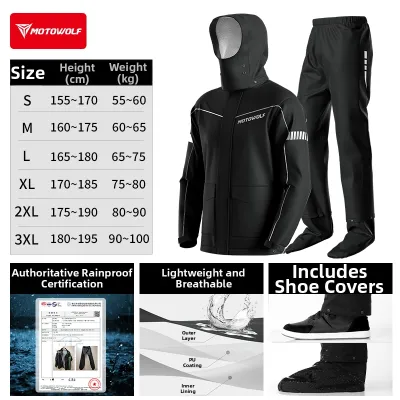
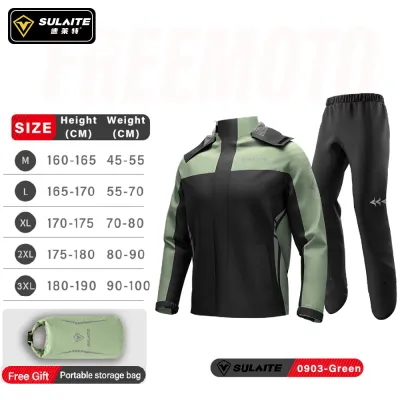
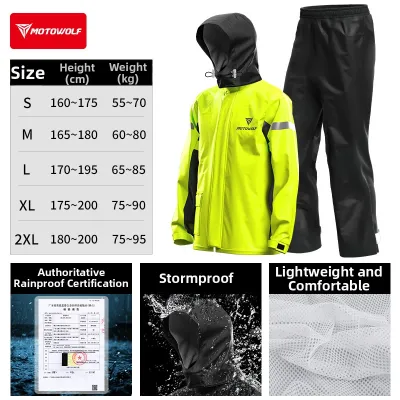
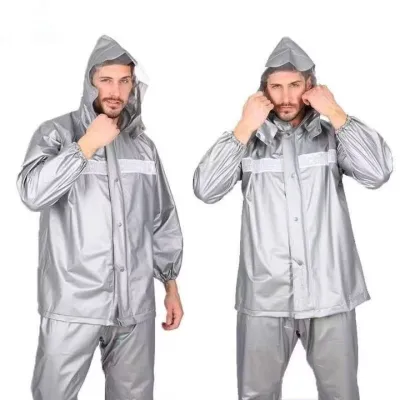
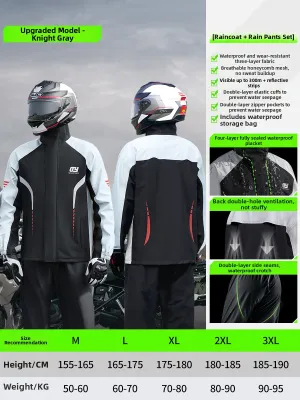
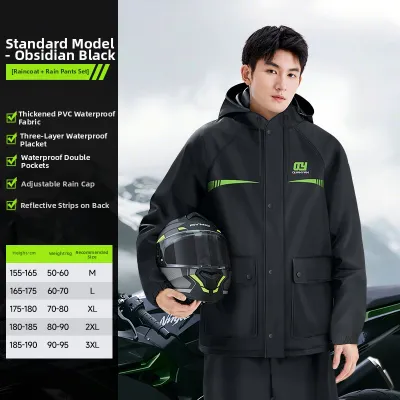
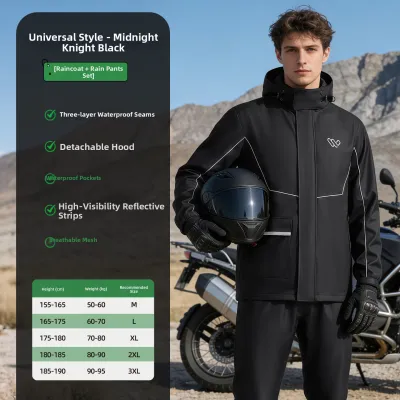
Prices are valid at publication and may change. Please refer to the product page for the latest price.
When comparing styles, a two-piece rain suit consisting of a separate jacket and trousers is far superior to a traditional poncho. A poncho might seem convenient for quick stops, but it fails significantly in a riding position. When you lean forward to reach the handlebars, a poncho bunches up in your lap, creating a pool of water that eventually leaks through the fabric. Meanwhile, the back of a poncho can flap violently in the wind, exposing your lower back and legs to the elements.
To ensure your gear can withstand heavy downpours, always check the product labels and specifications for construction details. Look for taped or heat-welded seams, as standard stitching leaves thousands of tiny holes that water will eventually penetrate under pressure. Waterproof zippers are another critical area; high-quality raincoats feature zippers covered by a double storm flap secured with hook-and-loop fasteners to block wind-driven water.
Adjustable cuffs on both the sleeves and ankles are essential for sealing out moisture. These allow you to create a tight barrier over your riding gloves and boots, preventing water from running up your arms or legs.
Pants length requires careful consideration when purchasing. When standing, rain pants should look slightly too long. This extra length is necessary because when you sit on your motorcycle and bend your knees, the pant legs naturally pull upward. If the pants are too short, they will ride up above your boot tops, allowing water to pool inside your footwear.
Visibility and Safety in Heavy Rain
Heavy tropical downpours drastically reduce visibility for all road users, making it difficult for drivers to spot motorcycles. In these low-light and stormy conditions, staying visible is your primary defense against road accidents.

Reflective strips are a non-negotiable safety feature on any commuter raincoat. These strips should be strategically placed to outline your silhouette from multiple angles. Look for gear with wide reflective bands across the upper back, along the outer seams of the arms, and around the lower legs, ensuring other motorists can identify you as a rider from a distance.
Color choice plays a significant role in your safety on the road. While dark colors like black or navy blue are popular for hiding road grime, they make you virtually invisible during a storm. High-visibility colors such as neon yellow, bright orange, or lime green are highly recommended for commuting. If you must maintain a sober look for professional reasons, consider a compromise: a dark-colored suit that features large, high-visibility neon panels across the shoulders and chest.
The design of the hood is another critical safety factor to evaluate. Many motorcycle raincoats feature a thin hood designed to be worn underneath your helmet. If you choose this style, ensure the fabric does not interfere with your helmet’s fit or comfort.
More importantly, the hood must not restrict your peripheral vision when you turn your head to check blind spots. Some riders prefer a collar-only design with a roll-away hood that tucks into the collar, allowing the helmet to seal directly against the neck roll to prevent water from running down the back.
Ventilation and Comfort in Tropical Climates
The tropical climate of the Philippines presents a unique challenge: high humidity combined with warm temperatures. Wearing a completely sealed, non-breathable plastic raincoat quickly turns the interior into a humid sauna, leaving you soaked in sweat rather than rain.
To combat this discomfort, effective ventilation features are essential. Look for raincoats equipped with underarm vents or zippered ventilation ports that allow hot air to escape from high-heat areas.
Back flaps, often designed as a cape-like overlay with a mesh opening underneath, are highly effective. They use the natural airflow generated while riding to draw warm, moist air out of the jacket while the physical overlap keeps water from entering.
A breathable mesh lining on the inside of both the jacket and pants is another key comfort feature. The mesh creates a small air gap between your skin and the waterproof outer shell, preventing the clammy, sticky sensation of wet polyester or PVC clinging to your limbs.
When reading manufacturer specifications, try to balance the waterproof rating with the breathability rating. While a completely impermeable PVC coat offers excellent water resistance, it has zero breathability and will cause rapid overheating. Polyurethane coatings or specialized breathable membranes offer a much better balance for tropical riding. Avoid cheap, single-layer plastic raincoats for daily commuting, as they trap sweat almost instantly and tear easily under wind pressure.
Ease of Use and Commuter Convenience
A daily commuter needs gear that is practical to use in real-world scenarios. When a sudden downpour begins, you need to be able to pull over and put on your rain gear quickly before getting soaked.
Look for wide-leg designs and expandable gussets at the bottom of the rain pants. These features allow you to slide the pants over your riding boots without needing to take your footwear off on the side of the road. Zippers or hook-and-loop expansions at the ankles make this process much faster and protect the inner lining of the pants from being torn by boot buckles or soles.
Storage is another major convenience factor for daily riders. When you arrive at your destination, you need a place to put your wet gear. Look for raincoats that come with a compact, breathable storage bag. Quick-dry materials are highly beneficial, as they allow you to shake off excess water before packing the suit into your motorcycle’s under-seat compartment, a top box, or an office locker.
Pay attention to the hardware of the raincoat. Zipper pulls should be large and glove-compatible, allowing you to operate them easily without removing your riding gloves. Secure fastenings, such as adjustable waist straps and sleeve cinches, are also important to prevent the fabric from flapping violently at highway speeds, which can cause rider fatigue and accelerate wear on the material.
How to Evaluate and Choose the Right Rain Gear
Selecting the right motorcycle rain gear requires a systematic approach to ensure comfort, safety, and durability over many riding seasons.
First, consider sizing. You should generally size up when purchasing a rain suit. Remember that the raincoat must fit comfortably over your regular daily clothing, which may include a padded riding jacket, elbow guards, or a backpack. If the rain suit is too tight, it will restrict your movement, making it difficult to steer, check your blind spots, or react quickly to road hazards. A tight fit also puts excessive stress on the seams, leading to premature tears and leaks.
Next, verify the material durability against your budget and expected usage. Heavy-duty polyester with a thick polyurethane coating offers excellent longevity and resistance to tearing, making it suitable for daily, year-round commuters. If you only ride occasionally in the rain, a lighter, more affordable nylon set may suffice. Check the product specifications for the fabric density, often indicated by a denier rating, to gauge its strength.
While premium materials cost more upfront, they often save money over time by outlasting multiple cheap plastic suits. A durable, well-constructed rain suit is a long-term investment in your daily commuting comfort.
Finally, utilize the resources available on online marketplaces. Since you cannot try on the gear before purchasing online, read user reviews specifically looking for feedback on fit, sizing accuracy, and real-world waterproof performance. Look for comments from other motorcycle riders who share your height and weight to determine if a specific brand runs large or small. Additionally, verify the seller’s return and exchange policies so you can easily swap the suit if the fit is not correct when it arrives.
Frequently Asked Questions (FAQ)
Is a rain poncho better than a two-piece rain suit for commuting?
For daily motorcycle commuting, a two-piece rain suit is significantly better and safer than a rain poncho. While a poncho is quick to put on, its loose, open design creates severe safety hazards on a motorcycle. At riding speeds, the loose fabric flaps violently in the wind, which can distract you, block your mirrors, or even get caught in the motorcycle’s moving parts, such as the chain or rear wheel. Furthermore, a poncho offers virtually no protection for your lower legs and feet, leaving you exposed to road spray and wind-driven rain. A two-piece suit provides a secure, form-fitting barrier that keeps you dry and safe.
How should I clean and maintain my motorcycle raincoat?
To preserve the waterproof properties of your rain gear, always follow the specific care instructions on the manufacturer’s label. As a general rule, avoid machine washing and machine drying unless explicitly permitted by the manufacturer. Instead, hand wash the raincoat using cool water and a mild, non-detergent soap. Never use harsh household detergents, bleach, or fabric softeners, as these chemicals can strip away the durable water repellent coating and damage the waterproof membrane. After washing, hang the gear to air dry in a well-ventilated area away from direct sunlight, as prolonged UV exposure can degrade the synthetic fabrics and seam tapes.
Community discussion
Share your experience or ask a question. Comments are reviewed before publication.