
For professional motorcycle couriers navigating the busy streets of Metro Manila, finding a reliable raincoat for Move It shifts is a critical safety decision. The sudden, intense downpours of the Philippine monsoon season (habagat) can turn a routine delivery route into a hazardous journey within minutes. Standard commuter raincoats or cheap plastic ponchos simply cannot withstand the physical demands of professional riding. To stay dry, comfortable, and safe during long shifts, riders must understand the specific technical features that separate professional-grade riding gear from basic rainwear.
Quick Guide: Non-Negotiable Raincoat Features for Delivery Riders
When you are on the road for eight to ten hours a day, your rain gear is your primary shield against the elements. A high-quality motorcycle raincoat must offer more than just basic water resistance; it must be engineered for high-speed wind, constant physical movement, and low-visibility conditions.
- Full-Body Waterproofing: Look for a two-piece jacket and pants set that prevents water from pooling in your lap or blowing up your torso at highway speeds.
- Fully Sealed Seams: Verify that all interior stitched lines are covered with heat-bonded waterproof tape to block water from seeping through needle holes.
- 360-Degree Reflective Elements: Ensure the garment features wide reflective strips across the back, shoulders, and lower sleeves to keep you visible to other motorists.
- Helmet-Compatible Design: Choose a collar and hood system that seals out water without restricting your head movement or compromising your helmet's safety fit.
- Durable, Wind-Resistant Materials: Opt for heavy-duty polyester, nylon, or PVC-coated fabrics that will not tear or flap violently when riding at speed.
Standard fashion raincoats fail because they lack these specialized features. They are designed for walking, not for resisting the high-pressure wind and water impact experienced at 50 km/h. By focusing on these non-negotiable features, you can protect your health, your cargo, and your safety on every rainy shift.
Products mentioned in this guide
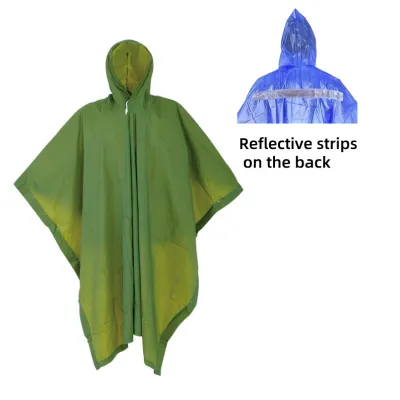
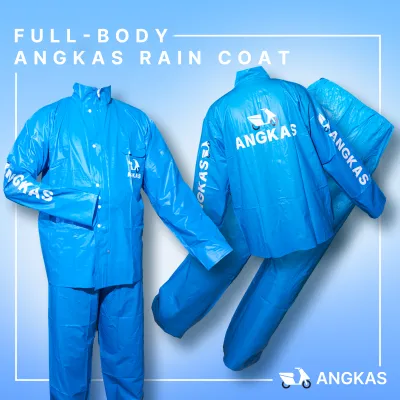
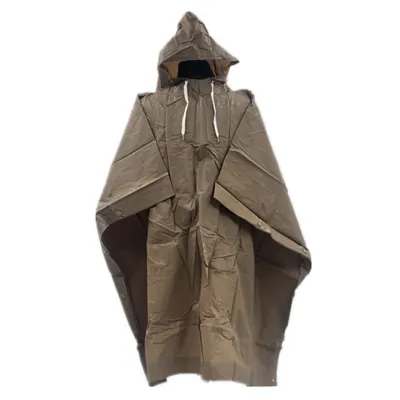
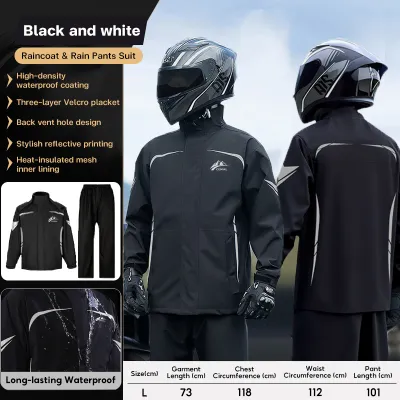
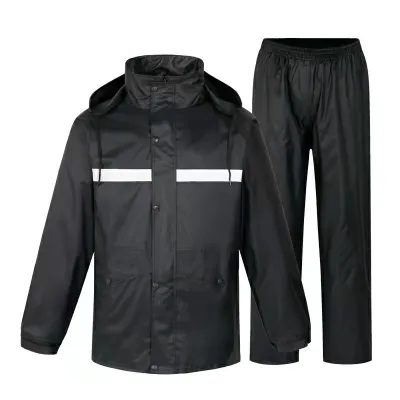
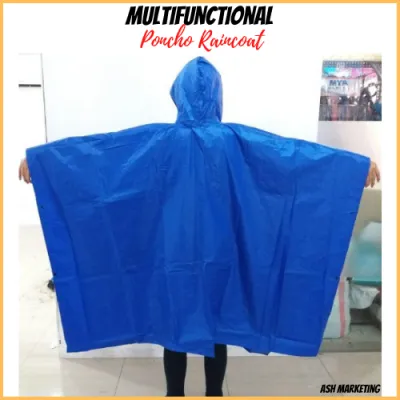
Prices are valid at publication and may change. Please refer to the product page for the latest price.
Choosing a Raincoat: Move It Rider Requirements for Full-Body Coverage
The debate between two-piece rain suits and traditional ponchos is easily settled when it comes to professional motorcycle deliveries. A two-piece suit consisting of a dedicated jacket and pants is the superior choice for riding in heavy rain. Ponchos act like sails at moderate speeds, catching the wind and destabilizing your motorcycle on open roads like EDSA or C5. Furthermore, the loose fabric of a poncho can easily drape over your mirrors, block your tail light, or even get caught in your rear wheel, posing a severe safety hazard. A snug, two-piece suit keeps your profile aerodynamic and ensures that water cannot blow upward under your jacket.

When evaluating a raincoat, do not rely solely on the word “waterproof” on the packaging. Instead, look for specific technical standards on the product tags. The hydrostatic head rating, measured in millimeters (mm), indicates how much water pressure a fabric can withstand before leaking. For professional riders facing sustained tropical downpours, a minimum rating of 10,000 mm is highly recommended, while ratings of 15,000 mm or higher offer the best protection for multi-hour shifts.
Even the most waterproof fabric will fail if the seams are not constructed properly. Every time a sewing machine needle pierces the fabric, it leaves a tiny hole. Under the pressure of riding wind, rainwater will easily force its way through these holes. To prevent this, professional riding gear features “fully taped seams” or “heat-sealed seams.” This means a specialized waterproof tape is heat-bonded over every stitched line on the inside of the garment, creating a continuous barrier against water.
Water is highly opportunistic and will find any gap in your defenses. Pay close attention to how the raincoat protects your extremities. Look for jackets with double-cuff designs, featuring an elastic inner cuff and an adjustable velcro outer strap to seal tightly around your riding gloves. For your lower body, select rain pants with wide ankle openings that feature zippers or snap closures, allowing you to easily pull them over bulky riding boots. Additionally, look for elastic stirrup straps that loop under the soles of your boots; these prevent the pant legs from riding up and exposing your shins to splashing road water.
High Visibility and Safety for Heavy Rain and Night Rides
Heavy tropical rain drastically reduces road visibility, making it incredibly difficult for jeepneys, buses, and private vehicles to spot a motorcycle rider. In these conditions, passive safety features on your raincoat are just as important as its waterproofing capabilities. Your gear must actively help other motorists see you from a distance, especially during late-night delivery shifts or dark afternoon storms.
To achieve maximum safety, avoid dark colors like black, navy blue, or deep grey. While these colors do not show road grime easily, they make you virtually invisible against wet, dark asphalt. Instead, choose high-visibility base colors such as neon yellow, fluorescent green, or bright orange. These colors contrast sharply with the gray, low-light environment of a rainstorm, giving other drivers precious extra seconds to notice your presence and react accordingly.
In addition to bright base colors, your raincoat must feature strategic reflective placement. A small reflective logo on the chest is insufficient for road safety. Look for wide retroreflective strips that provide 360-degree visibility. These strips should be positioned across your upper back, over your shoulders, and around your lower sleeves. Having reflective material on your sleeves is particularly critical because your arms are extended forward on the handlebars, making your silhouette clearly visible to cross-traffic at intersections.
The interaction between your raincoat’s collar and your helmet is another vital safety factor. A high, adjustable storm collar is excellent for preventing water from dripping down your neck, but it must not interfere with your helmet’s visor or restrict your neck movement. If the collar is too stiff or bulky, it can push against the bottom of your helmet, making it difficult to perform life-saving blind-spot checks. Ensure the collar seals comfortably below your chin without lifting your helmet or causing your visor to fog up from trapped breath.
Some modern premium raincoats utilize advanced retroreflective fabrics where microscopic glass beads are embedded directly into the textile fibers. Under normal daylight, the jacket appears as a standard high-vis color, but when struck by the headlights of an oncoming vehicle at night, the entire surface of the jacket glows a brilliant, bright white. This technology provides an outstanding secondary layer of passive safety that dramatically increases your visibility on dark, unlit roads.
Helmet Compatibility and Mobility for Frequent Stops
Professional delivery riders are constantly mounting and dismounting their motorcycles, transitioning from riding to walking as they pick up and drop off orders. This constant movement requires rain gear that offers both high mobility and seamless compatibility with your safety helmet.
If your raincoat features an integrated hood, you must evaluate its design carefully to ensure it does not compromise your safety. A hood designed to be worn under your helmet must be made of ultra-thin, stretchable material that does not alter the snug, protective fit of your helmet. Never wear a thick or loose hood under your helmet, as this can create dangerous pressure points or cause the helmet to shift during an impact. Check your helmet’s manufacturer documentation to ensure any under-helmet gear does not compromise the restraint system. Alternatively, look for raincoats with hoods that can be rolled up and zipped securely into the collar when you are riding, allowing you to use a dedicated waterproof helmet cover instead.
A dedicated waterproof helmet cover is an excellent alternative to an integrated hood. It fits snugly over the exterior shell of your helmet, keeping the outer surface and ventilation ports dry. This prevents rainwater from soaking into the interior EPS foam and comfort padding, which can take days to dry in the humid Philippine climate and lead to unpleasant odors and mold growth.
Standard raincoats are cut for standing upright, which causes them to pull tight and restrict your movement when you transition to a riding position. A proper motorcycle raincoat features ergonomic cuts designed specifically for the posture of a rider. Look for garments with articulated knees, gusseted underarms, and pre-curved sleeves. These design elements provide extra fabric where you need it most, preventing the sleeves from pulling back and exposing your wrists, and stopping the pants from riding up over your boots when your knees are bent on the footpegs.
Time is a critical factor during delivery shifts, and you cannot afford to struggle with your gear. Look for quick-release features that allow you to put on and take off the raincoat in seconds. Large, heavy-duty zippers with oversized pull tabs are essential, as they can be easily operated even while wearing wet riding gloves. Double-flap storm closures with velcro fasteners provide a fast, secure seal over the zipper, preventing wind-driven water from forcing its way through the zipper teeth while allowing you to strip the gear off quickly when entering a customer’s building lobby.
Recommended Raincoat Styles for Daily Delivery Routes
To help you decide which style of rain gear best suits your daily delivery routes, let us evaluate the three primary options available on the market. Each style offers distinct advantages and trade-offs depending on your riding habits, budget, and the severity of the weather.
Heavy-Duty Two-Piece Rain Suits are the ultimate choice for full-time riders who face long hours of continuous, heavy rain. Typically constructed from thick, PVC-coated nylon or heavy polyester, these suits offer unmatched durability and absolute protection against wind-driven water. They feature high hydrostatic head ratings and fully taped seams, ensuring you stay dry even during the most severe tropical storms. However, because these materials are thick and lack breathability, they can create a “sauna effect” in hot, humid weather, making you sweat during physical activity. They also take longer to put on and take off compared to other styles.
Reinforced Delivery Ponchos are specialized, heavy-duty ponchos designed specifically for urban delivery workers. Unlike standard flimsy ponchos, these feature weighted hems to prevent them from flapping in the wind and extended front and rear panels designed to drape over a front basket or a small rear delivery box. They are incredibly fast to put on and take off, making them convenient for short-distance runs with frequent stops. However, they are not suitable for highway speeds, as the loose fabric still creates significant aerodynamic drag, which can destabilize your motorcycle and increase the risk of the fabric catching on moving parts or blocking your mirrors.
Waterproof Shell Combos consist of ultra-lightweight, highly packable waterproof jackets and pants designed to be worn directly over your existing armored riding gear. These shells are often made from advanced breathable membranes that allow sweat vapor to escape while blocking rainwater from entering. They offer exceptional mobility and comfort, making them ideal for riders who already wear professional protective gear. While they are highly convenient and pack down very small, they are generally more expensive and offer less physical abrasion resistance on their own compared to heavy-duty PVC suits.
Let us compare these three styles across key performance dimensions to help you make an informed decision:
| Rainwear Style | Coverage Level | Mobility & Fit | Setup/Removal Time | Best Riding Scenario |
|---|---|---|---|---|
| Heavy-Duty Two-Piece Suit | Maximum (Full body protection) | Snug, aerodynamic fit; minor stiffness | Moderate (Requires stepping into pants) | Full-time shifts in continuous, heavy tropical downpours |
| Reinforced Delivery Poncho | Moderate (Torso and upper legs) | Loose fit; high risk of wind-flapping | Very Fast (Over-the-head throw) | Low-speed, short-distance urban deliveries in light rain |
| Waterproof Shell Combo | High (Full body protection over armor) | Excellent; lightweight and highly flexible | Fast (Quick-zip over existing gear) | Variable weather; riders who already wear armored protective gear |
Maintenance Tips to Keep Your Rain Gear Waterproof
Investing in a high-quality raincoat is only the first step; you must maintain it properly to preserve its waterproof integrity and safety features over time. Road grime, oil splatter, exhaust soot, and sweat will accumulate on your gear during daily shifts, clogging the pores of breathable membranes and breaking down the outer water-repellent coatings.
When cleaning your raincoat, always check both the raincoat’s care label and the cleaner’s instructions before washing. Hand-wash your gear using cool water and a mild liquid detergent. Never use harsh powder detergents, bleach, or fabric softeners, as these aggressive chemicals can dissolve the adhesives holding the interior seam tape in place and strip away the Durable Water Repellent (DWR) coating from the fabric’s exterior.
After washing, proper drying is critical, especially in the highly humid climate of the Philippines. Never wring out your raincoat, as this physical twisting can crack the internal waterproof lining and peel away the seam tape. Instead, hang the garments on wide, padded plastic hangers in a shaded, well-ventilated area. Avoid exposing your gear to direct, intense sunlight; prolonged UV exposure will degrade the synthetic fabrics, fade high-visibility colors, and cause the waterproof membranes to delaminate.
Over time, you may notice that rainwater stops beading on the surface of your jacket and instead begins to soak into the outer fabric layer, a condition known as “wetting out.” This indicates that the factory-applied DWR coating has worn off. You can restore this water-beading performance by applying a high-quality aftermarket DWR restoration spray. Ensure the garment is completely clean and dry, then apply the spray evenly according to the product’s specific instructions, paying extra attention to high-wear areas like the shoulders and knees.
Finally, proper storage is essential for longevity. Never stuff a damp raincoat into your motorcycle’s under-seat compartment or top box and leave it there. The trapped moisture in a dark, warm space will rapidly lead to mold, mildew, and foul odors, which will permanently destroy the waterproof lining and seam tapes. Always allow your gear to dry completely before rolling it up loosely and storing it in a cool, dry, and well-ventilated area.
Frequently Asked Questions (FAQ)
Can I use a standard fashion raincoat for motorcycle delivery?
No, standard fashion raincoats are highly unsuitable and dangerous for professional motorcycle delivery work. They lack the durable seam sealing and high hydrostatic head ratings required to resist wind-driven rain at riding speeds, meaning you will end up soaked within minutes. Furthermore, fashion raincoats are not designed with aerodynamic riding cuts; they will balloon with air, flap violently in the wind, and potentially block your mirrors or catch on the motorcycle’s moving parts, posing a severe safety hazard. They also lack the critical high-visibility reflective elements needed to keep you safe in low-light rainstorms.
How do I keep my delivery bag dry under a raincoat?
Keeping your delivery cargo dry requires a coordinated approach. If you use a two-piece rain suit, your delivery backpack or top box must have its own dedicated, integrated waterproof cover, as the suit is designed to fit snugly around your body. If you use a specialized reinforced delivery poncho, some designs feature an extended rear flap that can drape over a small delivery bag, but you must ensure the fabric is secured tightly so it does not flap or obscure your rear lights. For the best protection, always use a heavy-duty waterproof liner inside your delivery box to safeguard the cargo even if water manages to seep through the outer bag.
What should I do if my raincoat starts leaking at the seams?
If your raincoat begins to leak at the seams, you must address it immediately to prevent water from ruining your shift. First, clean the garment thoroughly and allow it to dry completely. Inspect the interior seams to identify where the waterproof tape is lifting, cracking, or peeling. Check the manufacturer’s care label for approved repair methods; you can often apply a specialized flexible polyurethane seam sealant or heat-activated seam tape to the affected area. However, if the inner waterproof membrane is severely delaminated or the fabric itself is torn, temporary patches will not hold up against riding wind pressures, and you should replace the garment to ensure your continued safety and comfort.
Community discussion
Share your experience or ask a question. Comments are reviewed before publication.