
Riding a motorcycle during the rainy season in the Philippines is an exercise in both skill and preparation. With the arrival of the southwest monsoon (habagat) and sudden tropical depressions, clear blue skies can transform into blinding downpours within minutes. For any commuter or long-distance rider, staying dry is not just a matter of personal comfort; it is a critical safety requirement. Getting soaked leads to shivering, muscle stiffness, reduced reaction times, and loss of concentration on slick, unpredictable roads.
To navigate these challenging conditions safely, a raincoat motorcycle rider setup must extend far beyond a basic plastic poncho to include a complete system of specialized waterproof gear. A rider’s wet-weather arsenal should ideally consist of a heavy-duty two-piece rain suit, waterproof overpants, specialized footwear protection, waterproof gloves, visor anti-fog treatments, and sealed dry bags. Together, these items ensure you maintain full control of your motorcycle, remain visible to other motorists in low-visibility downpours, and protect your valuable electronics from water damage.
Essential Rain Gear Checklist for the Raincoat Motorcycle Rider
When the skies open up over busy thoroughfares like EDSA or during a long ride across provincial highways, having the right gear readily accessible makes the difference between a safe trip and a hazardous ordeal. Standard rainwear designed for walking or light outdoor activities is entirely inadequate for the demands of motorcycling. At speeds of 40 to 80 km/h, wind pressure forces water through standard zippers, unsealed seams, and loose cuffs, leaving you drenched within minutes.
Products mentioned in this guide
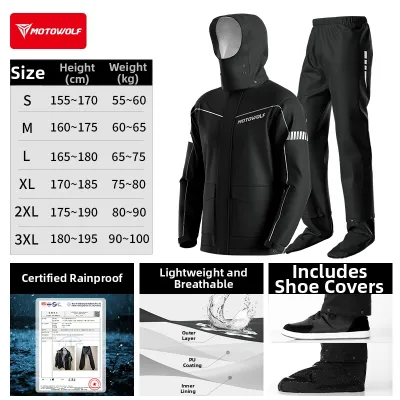
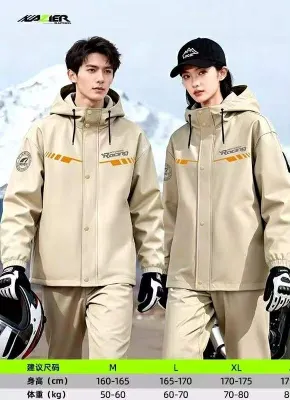
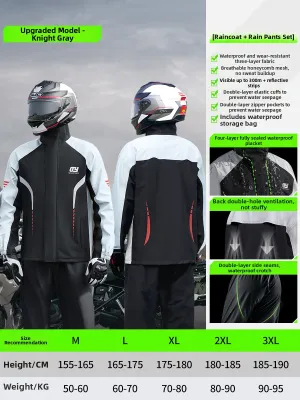
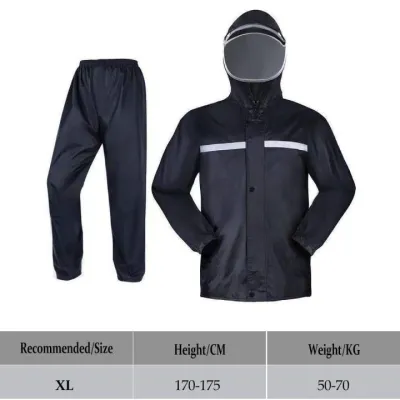
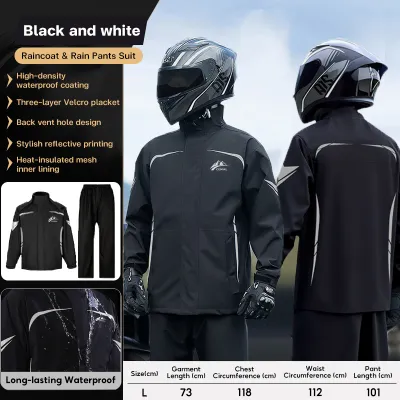
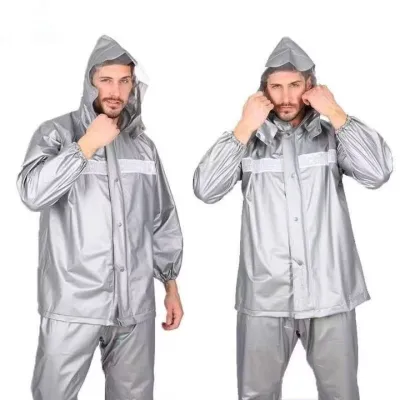
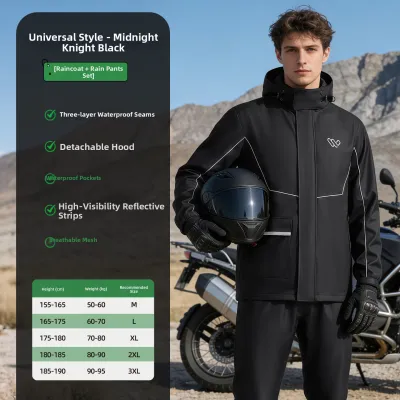
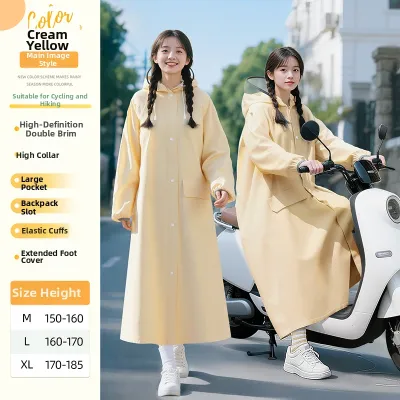
Prices are valid at publication and may change. Please refer to the product page for the latest price.
A comprehensive waterproof setup requires gear designed specifically to withstand the unique forces of riding. Below is an essential checklist of gear that every motorcycle rider should carry during the rainy season:
- Motorcycle-Specific Rain Jacket or Suit: Constructed from heavy-duty materials like PVC, polyurethane, or polyester with a waterproof membrane, featuring reinforced seams and wind-resistant closures designed to block high-velocity rain.
- Waterproof Overpants: These slide easily over your regular riding jeans or work trousers, protecting your lower body from road spray kicked up by your front tire and surrounding vehicles.
- Waterproof Boots or Heavy-Duty Shoe Covers: Keeping your feet dry is essential for maintaining precise control over your rear brake pedal and gear shifter. Wet, slippery footwear can easily slip off the footpegs, creating a severe safety hazard.
- Waterproof Riding Gloves: Wet hands quickly lose grip on the handlebars and controls. Specialized waterproof gloves protect your hands from wind chill and ensure you maintain a firm, secure grip on the throttle, clutch, and brake levers.
- Helmet Visor Anti-Fog Treatment: High humidity and cool rain cause rapid condensation inside your helmet visor. An anti-fog insert or chemical treatment keeps your line of sight completely clear.
- Dry Bags and Waterproof Backpacks: Your personal belongings, registration documents, and electronics need dedicated protection. Heavy-duty roll-top dry bags keep water out even during prolonged exposure to torrential rain.
Investing in these dedicated items ensures that you remain warm, focused, and dry, allowing you to react quickly to the sudden stops and slippery surfaces common on wet roads.
How to Choose the Right Raincoat for Motorcycle Riding
Selecting the ideal raincoat requires a deep understanding of how wind, rain, and humidity interact on a moving motorcycle. A proper riding raincoat must balance absolute waterproof performance with aerodynamic stability and rider comfort.

Two-Piece Rain Suits vs. Rain Ponchos
When shopping for wet-weather gear, riders generally choose between two-piece rain suits and traditional rain ponchos. Understanding the trade-offs of each style is crucial for making an informed decision that matches your daily riding habits.
Two-piece rain suits, consisting of a separate jacket and trousers, are widely considered the gold standard for motorcycle safety and performance. Because they fit snugly to the body, they offer excellent aerodynamics and do not flap violently at highway speeds. This snug fit prevents wind drag, which can tire you out on long commutes, and ensures that water cannot easily find its way under the hem of the jacket. Two-piece suits are highly durable and provide comprehensive coverage, making them the ideal choice for daily commuters and long-distance touring riders who must face unpredictable weather over extended periods.
In contrast, traditional rain ponchos are often favored by casual city riders for their convenience and low cost. They are incredibly easy to pull over regular clothing and can easily drape over a backpack, keeping your luggage dry without requiring a separate cover. However, ponchos present significant safety hazards when used on a motorcycle. The loose, open design allows wind to catch the fabric, causing it to flap wildly. This flapping can block your side mirrors, obscure your peripheral vision, or even get caught in the motorcycle’s rear wheel, chain, or hot exhaust pipes. Additionally, at speeds above 30 km/h, wind pressure will inevitably blow water up underneath the poncho, leaving your chest and legs soaked. For these reasons, ponchos are only suitable for very short, low-speed emergency trips in urban areas, while two-piece suits are highly recommended for standard riding.
Key Features to Look For
To ensure your chosen raincoat can withstand a tropical downpour, you must evaluate several technical specifications and design features before making a purchase.
- Waterproof Ratings and Seam Construction: Look for manufacturer specifications indicating the waterproof rating, typically measured in millimeters of water column (mm H2O). A rating of 5,000mm is generally the minimum required to resist light rain under wind pressure, while ratings of 10,000mm or higher are recommended for heavy, prolonged monsoons. Furthermore, examine the interior seams of the garment. Even the most waterproof fabric will leak if the stitching is exposed. Ensure the raincoat features fully taped or heat-sealed seams to block water from penetrating the needle holes.
- High-Visibility and Reflective Elements: Heavy rain severely reduces visibility for all road users. To ensure truck and car drivers can see you through rain-streaked windows, choose rain gear in high-visibility colors such as neon yellow, bright orange, or high-vis green. Additionally, verify that the garment features integrated reflective strips or piping on the chest, back, and sleeves. These reflective materials catch the headlights of other vehicles, significantly improving your safety during night rides or dark, overcast afternoon storms.
- Ventilation Systems: The tropical climate of the Philippines means that rainy days are often accompanied by high humidity and warm temperatures. Wearing a completely sealed, non-breathable raincoat can quickly lead to the "sauna effect," where perspiration builds up inside the suit, leaving you just as wet from sweat as you would be from the rain. Look for raincoats equipped with dedicated ventilation features, such as zippered underarm vents (pit zips) or covered mesh vents across the upper back. These designs allow body heat and moisture to escape while preventing rain from entering.
- Adjustability and Storm Closures: A good motorcycle raincoat must feature adjustable closures to seal out wind and water. Look for Velcro or elastic adjustments at the cuffs, waist, and collar. Tightening the cuffs prevents water from riding up your sleeves as you reach for the handlebars, while a high, adjustable collar prevents rain from dripping down your neck from the bottom of your helmet. Finally, ensure the main zipper is protected by a wide storm flap secured by Velcro or snap buttons to prevent water from forcing its way through the zipper teeth.
- Budget and Selection: Basic rain suits can be found on online marketplaces starting around ₱500, while heavy-duty, brand-certified motorcycle rain suits range from ₱2,000 to ₱5,000 or more.
Waterproofing Your Lower Body and Extremities
While many riders focus heavily on protecting their torso, the lower body and extremities are often the first areas to get soaked. Water running off your jacket pools directly in your lap, while road spray from your front wheel continuously drenches your shins, feet, and hands.
Overpants vs. Riding Jeans
Many modern motorcycle jeans come with water-resistant coatings or specialized liners. While these jeans are excellent for light drizzles or short commutes, they will eventually saturate and soak through during a heavy Philippine downpour. Once wet, heavy denim takes hours to dry, causing intense discomfort and chafing. Water pooling on the motorcycle seat also quickly seeps through the crotch area of regular pants.
Dedicated waterproof overpants are essential for complete wet-weather protection. These pants are designed with a generous cut to slide easily over your standard riding jeans, armor, and boots. They are constructed from lightweight, packable waterproof materials that block both rain and wind. When choosing overpants, look for models with long side zippers running up the calves or thighs. These zippers allow you to put the pants on or take them off quickly at the roadside without needing to remove your riding boots.
Footwear Protection
Riding with wet feet is not only uncomfortable but also compromises your safety. Wet soles reduce your grip on the metal footpegs and controls, making it easier for your foot to slip when shifting gears or applying the rear brake. You have two primary options for keeping your feet dry:
- Waterproof Shoe Covers: These are packable, elasticized covers made of silicone, rubber, or treated nylon that slide directly over your regular shoes or riding boots. They are highly cost-effective, take up very little space in your under-seat compartment, and are perfect for sudden downpours. However, when choosing shoe covers, verify that they feature a textured, non-slip sole. Smooth soles can slip dangerously when you put your foot down on wet asphalt, painted road markings, or oil-slicked intersection surfaces.
- Dedicated Waterproof Riding Boots: For daily commuters and touring enthusiasts, investing in dedicated waterproof riding boots is the superior long-term solution. These boots feature integrated waterproof, breathable membranes (such as Gore-Tex or proprietary alternatives) that keep water out while allowing foot perspiration to escape. They also provide essential ankle protection, impact armor, and sturdy, high-traction soles that perform reliably on wet, slippery roads.
Gloves
Your hands are your primary point of contact with the motorcycle’s controls. When your hands get wet and cold, your fingers stiffen, significantly slowing your braking and clutching reaction times. Standard leather or textile riding gloves absorb water like a sponge and can bleed dye onto your skin.
To prevent this, you should carry a pair of dedicated waterproof motorcycle gloves. Look for gloves that incorporate a breathable waterproof membrane rather than a simple exterior water-repellent coating, as coatings quickly wear off under the friction of riding. Additionally, check for a built-in visor wiper—a small rubber squeegee strip on the index finger or thumb of the left glove. This simple feature allows you to wipe away rain droplets from your helmet visor safely while riding, maintaining a clear view of the road ahead.
Protecting Your Vision and Luggage
Maintaining a clear line of sight and keeping your personal belongings dry are critical components of a safe rainy-season ride. Without proper preparation, a sudden downpour can blind you and ruin expensive electronic devices.
Helmet Visor Care
When riding in the rain, temperature differences between the warm air inside your helmet and the cool rain outside cause moisture from your breath to condense rapidly on the inner surface of your visor. This fogging can completely blind you within seconds, forcing you to crack your visor open and expose your face to stinging rain.
To maintain clear vision, consider the following solutions:
- Anti-Fog Inserts: A double-pane insert (such as a Pinlock lens) is the most effective way to prevent fogging. It attaches to the inside of compatible visors, creating a sealed pocket of air that prevents condensation from forming.
- Water-Repellent Coatings: Applying a hydrophobic treatment to the exterior of your visor causes rain droplets to bead up and blow away with the wind as you ride.
- Safety Warning: Always check your helmet manufacturer's instructions before applying any chemical treatments or cleaners to your visor. Never use harsh household glass cleaners, dish soaps, or ammonia-based products, as these chemicals can degrade the polycarbonate material, strip away factory anti-scratch coatings, or cause the visor to become brittle and crack under impact.
Luggage Protection
Whether you are commuting to the office with a laptop or embarking on a weekend road trip, keeping your luggage dry is essential. Standard backpacks and canvas saddlebags will leak through their zippers and fabric seams almost immediately.
To secure your belongings, use heavy-duty roll-top dry bags made from durable, waterproof materials like PVC or heavy TPU tarpaulin. These bags feature welded seams instead of stitched ones, ensuring a completely watertight seal. Alternatively, you can use dedicated high-visibility rain covers designed to slip over your existing backpack or saddlebags. For top boxes and hard panniers, consider using lightweight dry bags as internal liners to provide an extra layer of defense against water that might seep past worn rubber seals during a heavy storm.
Electronics
Smartphones and GPS units mounted on your handlebars are highly vulnerable to water damage, even if they claim to have water-resistant IP ratings. The force of riding through heavy rain can drive water past phone seals and into charging ports or speakers.
Always use a fully sealed, waterproof phone mount or case specifically designed for motorcycle use. If your mount is not waterproof, store your phone safely inside an inner pocket of your waterproof jacket or within a sealed dry bag inside your luggage.
Maintaining Rain Gear in Tropical Humidity
The high humidity of the Philippine climate creates an ideal environment for mold, mildew, and material degradation. Proper maintenance of your waterproof gear is essential to preserve its performance, prevent foul odors, and extend its lifespan.
Drying
After riding through a storm, never fold up your wet rain gear and stuff it under your motorcycle seat or inside a top box. Leaving wet gear crumpled in a warm, dark space encourages rapid mold growth and can damage the waterproof polyurethane linings.
Instead, hang your rain suit, gloves, and shoe covers on wide, padded hangers in a well-ventilated, shaded indoor area. Allow the gear to air-dry completely before storing it. Avoid hanging your gear in direct, intense tropical sunlight, as prolonged exposure to ultraviolet (UV) radiation can break down waterproof coatings, dry out elastic bands, and fade high-visibility fabrics.
Cleaning
Over time, road grime, oil splatters, and sweat will accumulate on your rain gear, clogging breathable membranes and degrading the outer fabric. When cleaning is necessary, always consult the manufacturer’s care label first.
Avoid using standard household laundry detergents, bleach, or fabric softeners. These harsh chemicals can strip away the Durable Water Repellent (DWR) coating on the outer fabric and damage heat-sealed seam tapes. Instead, hand-wash your gear using a mild, specialized technical wash designed specifically for waterproof outerwear. Gently rinse the garment in cool water and hang it to dry.
Re-waterproofing
If you notice that rainwater is no longer beading up on the surface of your jacket but is instead soaking into the outer fabric layer (a phenomenon known as “wetting out”), the factory DWR coating has likely worn off. While the inner waterproof membrane may still keep you dry, a saturated outer fabric makes the garment heavy, cold, and highly non-breathable.
To restore your gear’s performance, apply a wash-in or spray-on DWR restoration product. Always follow the product’s specific application instructions carefully. Many spray-on treatments require the garment to be clean and slightly damp during application, followed by a specific curing process to activate the water-repellent properties.
Storage
Once your gear is completely dry, store it in a cool, dry place away from direct sunlight and high humidity. If you carry your rain suit on your motorcycle daily, fold it loosely and store it in a breathable mesh bag rather than a tightly sealed plastic pouch. This allows any residual moisture to escape, preventing mildew and unpleasant odors from developing.
Frequently Asked Questions (FAQ)
Can I use a regular everyday raincoat for motorcycle riding?
No, regular everyday raincoats are not suitable or safe for motorcycle riding. Standard raincoats are designed for low-speed walking and lack the structural integrity to withstand the high wind pressures experienced while riding. At speeds above 30 km/h, the wind will cause a standard raincoat to flap violently, which can distract you, block your mirrors, or even tear the fabric at the seams. Furthermore, everyday raincoats usually lack motorcycle-specific safety features, such as high-visibility colors, reflective strips, and adjustable storm cuffs to prevent water from riding up your sleeves.
How do I stop my helmet visor from fogging up in heavy rain?
The most reliable solution to prevent helmet visor fogging is to install a Pinlock anti-fog insert. This insert attaches to the inside of your visor, creating a sealed double-pane barrier that prevents condensation from forming. If your helmet visor does not support Pinlock inserts, you can apply a specialized anti-fog spray designed specifically for polycarbonate visors. Always check your helmet manufacturer’s instructions before applying any chemical treatments. Additionally, cracking your visor open slightly while stopped can help increase airflow and clear condensation quickly.
What should I do if my waterproof gear starts leaking?
If your waterproof gear begins to leak, first inspect the garment for visible physical damage, such as small tears, punctures, or peeling seam tape on the interior. Minor punctures can often be repaired using specialized waterproof gear repair patches. If the fabric is physically intact but water is soaking into the outer layer, the Durable Water Repellent (DWR) coating has likely worn off. You can restore the waterproof performance by thoroughly cleaning the garment with a specialized technical wash and applying a spray-on or wash-in DWR renewal treatment according to the manufacturer’s instructions.
Community discussion
Share your experience or ask a question. Comments are reviewed before publication.