
Riding a motorcycle in the Philippines presents a unique set of meteorological challenges. With temperatures frequently climbing past 34°C and relative humidity levels regularly exceeding 80 percent, the atmospheric conditions can feel like a heavy, warm blanket. Navigating the dense traffic of metropolitan areas or cruising along provincial highways means dealing with intense solar radiation, engine heat, and sudden, torrential afternoon downpours.
Under these conditions, wearing a standard, heavy textile or leather jacket can quickly lead to severe physiological strain. As a duhan jacket motorcycle rider, you must understand that heat exhaustion is a very real threat on daily commutes. When your body heat cannot escape because of thick, non-breathable gear, your core temperature rises, leading to dizziness, slowed reaction times, and fatigue—all of which are highly dangerous when navigating unpredictable traffic.
This reality creates a difficult dilemma for riders. On one hand, you need maximum airflow to keep your body cool and maintain focus on the road. On the other hand, asphalt and concrete do not soften in the heat; the physical requirement for robust abrasion resistance and impact absorption remains absolute. Operating a motorcycle in short sleeves or light streetwear might keep you cool in the breeze, but it leaves you completely vulnerable to severe road rash and joint injuries in the event of a slide.
Products mentioned in this guide
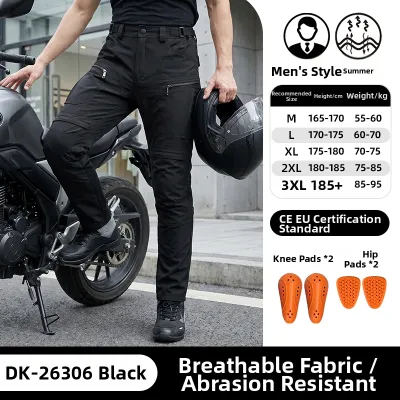
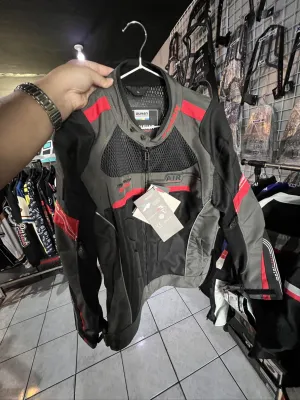
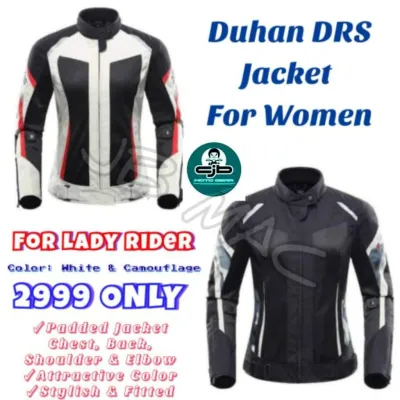
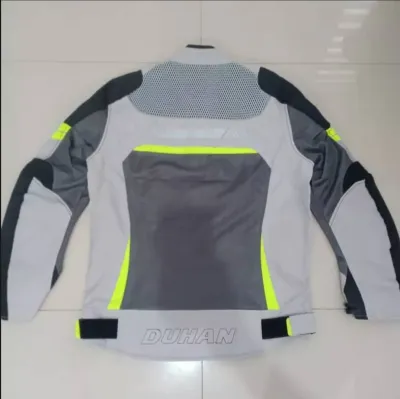
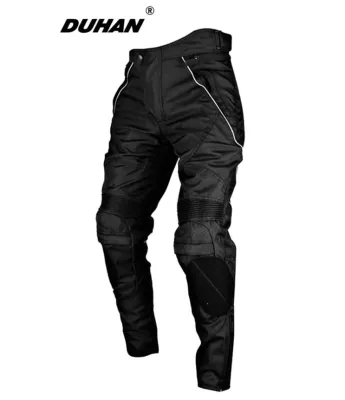
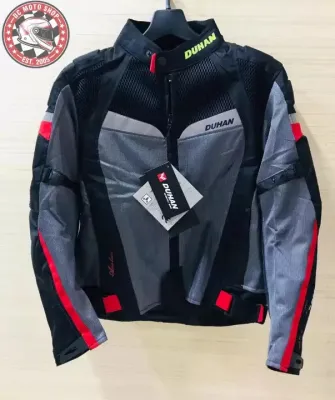
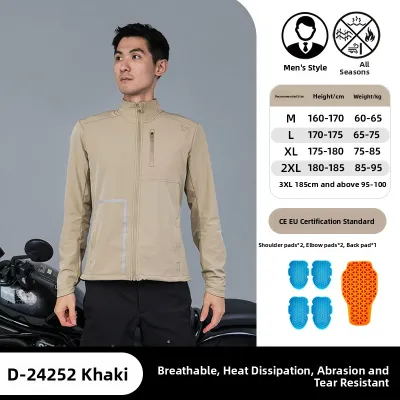
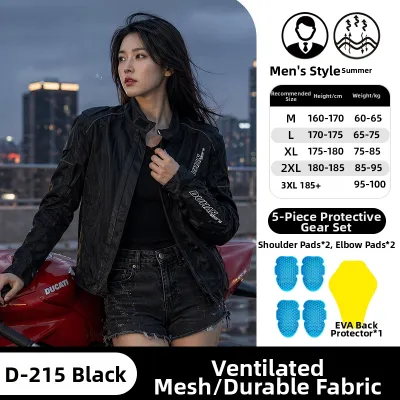
Prices are valid at publication and may change. Please refer to the product page for the latest price.
Evaluating a brand’s hot-weather gear, such as the offerings from Duhan, is therefore not just a matter of comfort, but a critical safety decision. The ideal tropical riding jacket must strike a precise balance, allowing wind to pass through freely while maintaining a structural skeleton strong enough to keep protective armor properly positioned during an impact.
Key Ventilation Features to Check in a Duhan Jacket Motorcycle Rider Setup
When evaluating whether a Duhan jacket can handle the intense heat of the Philippines, you cannot rely on aesthetics alone. You need to inspect the physical construction of the garment to understand how it manages both passive and active cooling. A well-designed summer jacket uses specific engineering principles to maximize airflow without compromising the structural integrity of the outer shell.
Mesh Panel Placement and Density
The primary source of cooling in a hot-weather jacket is passive ventilation, which relies on mesh panels to let ambient air pass directly to your body. When examining a Duhan jacket, look closely at the placement and density of these mesh zones. High-quality summer jackets position these panels in high-pressure airflow zones: the chest, the inner arms, and the back.
There is a significant difference between large, structurally reinforced mesh zones and standard woven fabric. The mesh must be tightly woven from high-tensile synthetic fibers, such as polyester or nylon, to ensure it does not tear easily upon contact with the road. While a looser weave might feel slightly cooler at a standstill, it lacks the tensile strength required for safety. Look for mesh that feels stiff and robust to the touch, indicating a dense, protective weave that still allows light to shine through when held up to the sun.
Active Ventilation Zippers and Exhaust Vents
While passive mesh panels do the heavy lifting, active ventilation features provide crucial adjustability. These typically consist of zippered intake vents located on the forearms or upper chest, coupled with dedicated exhaust vents on the upper back or lower rear of the jacket.
This push-pull aerodynamic system is essential for managing varying riding conditions. When you are moving at highway speeds, open intake zippers capture the oncoming air, forcing it around your torso before it escapes through the rear exhaust vents. This continuous flow prevents the ballooning effect common in poorly ventilated jackets. Conversely, when you are idling in stop-and-go city traffic, these vents help hot air naturally rise and escape from the jacket, reducing the greenhouse effect inside your gear.
Removable Thermal and Waterproof Liners
The weather in the Philippines can change rapidly, transitioning from dry heat to a sudden tropical downpour within minutes. To handle this variability, a riding jacket must offer modularity. Many Duhan jackets come equipped with inner liners designed for windproofing, waterproofing, or thermal insulation.
For tropical riding, it is absolutely essential that these inner liners are fully removable. A non-removable liner, even a thin windproof one, acts as a vapor barrier that traps your body heat and sweat. If you ride with a thermal or windproof liner zipped inside during a typical afternoon, the outer mesh shell becomes useless, and you will quickly overheat. Ensure the jacket allows you to easily zip out these layers, leaving only the highly breathable outer mesh shell for daytime riding, while keeping the waterproof liner stored in your top box or backpack for sudden rainstorms.
Balancing Airflow with Impact and Abrasion Protection
A common mistake among riders seeking relief from the heat is prioritizing breathability to the detriment of safety. A true motorcycle jacket must protect you from both impact and abrasion, which requires high-strength materials in key areas. When inspecting a mesh jacket, look at the chassis construction; the mesh panels should only occupy low-impact zones, such as the center chest, inner underarms, and center back.

The high-impact zones—specifically the shoulders, elbows, and outer forearms—must be constructed from heavy-duty, abrasion-resistant textile panels, typically 500D to 600D polyester or nylon. These reinforced sections hold the jacket together during a slide and prevent the asphalt from wearing through to your skin. Before making a decision, verify the material specifications on the product tags to ensure these critical zones are not made of fragile, single-layer mesh.
Beyond abrasion resistance, impact protection is vital. Check the product labels and internal pockets for armor specifications. Look for impact protectors in the elbows and shoulders that carry official safety certifications, such as CE Level 1 or Level 2 ratings. For tropical riding, look for armor designed with perforations or flexible, open-lattice structures. This modern armor design allows air passing through the outer mesh to reach your joints, preventing hot spots from forming under solid rubber or plastic guards.
Do not overlook back protection, which is often omitted or replaced with a thin foam pad in entry-level summer jackets to reduce weight and cost. Verify whether a substantial back protector is included, or if the jacket features a dedicated internal pocket that allows you to insert an aftermarket CE-rated back protector. Upgrading to a perforated back protector is highly recommended for tropical climates, as it offers vital spinal protection without completely blocking the exhaust airflow out of the back of the jacket.
Finally, consider visibility. Sudden tropical downpours and night riding in poorly lit areas demand high visibility. Look for jackets that integrate retroreflective piping or panels on the chest, shoulders, and back. These reflective elements do not block airflow or compromise the mesh, but they ensure you remain visible to other motorists when heavy rain or darkness reduces road visibility.
Choosing the Right Duhan Jacket for Your Riding Style
Your daily riding route and style should dictate the specific configuration of the jacket you choose. A rider who spends hours navigating the congested streets of Manila has very different gear requirements than someone who regularly takes weekend tours through the winding roads of Marilaque or the cold heights of Sagada.
If you are primarily a city commuter, your average speed will be low, and you will spend significant time idling at traffic lights. For this scenario, you need maximum passive airflow. A jacket with large, permanent mesh panels across the chest and back is ideal, as it relies on the natural movement of ambient air to keep you cool at low speeds. Highway and provincial tourers, however, face higher speeds and changing altitudes. For these longer rides, a hybrid jacket with adjustable zippered vents and removable windproof liners is more suitable, allowing you to seal out the cold wind chill of early morning mountain passes and open them up as the midday sun heats up.
When shopping, make it a habit to read the manufacturer’s product labels carefully. Focus on the intended season ratings—look for terms like “summer,” “mesh,” or “all-season” (provided the liners are fully removable). Check the material composition to ensure the outer shell uses high-denier polyester or polyamide in the impact zones, and read the care instructions to understand what cleaning methods are safe for the specific fabrics used.
Proper fit and sizing are also critical safety factors that directly impact ventilation. A motorcycle jacket must fit snugly enough to prevent the elbow and shoulder armor from shifting away from your joints during a crash. However, it should not be so tight that it compresses your body or restricts movement. A proper fit leaves a small, natural gap of a few millimeters between your skin (or base layer) and the inner lining. This gap allows a thin layer of air to circulate throughout the jacket, which is essential for evaporative cooling to work effectively as you sweat.
Maintenance and Care in High-Humidity Environments
The high humidity and intense heat of the Philippines mean your riding gear will inevitably be exposed to heavy sweat, road grime, and rain. Without proper maintenance, these factors can lead to the growth of mold, mildew, and unpleasant odors, which can prematurely degrade the synthetic fibers and stitching of your jacket.
After every ride, especially those in hot weather or heavy rain, never leave your jacket crumpled up inside a humid top case, under-seat compartment, or backpack. Hang the jacket immediately in a well-ventilated, shaded area out of direct sunlight. Direct, prolonged exposure to harsh sunlight can UV-damage the synthetic fibers and fade the colors, while a dark, unventilated closet will encourage mold growth. Allow the jacket to air-dry completely before storing it.
When it comes to cleaning, always consult the manufacturer’s care label sewn inside the jacket first. Before washing, remove all protective armor pads from their internal pockets and zip out any removable liners. Wash these components separately. For the outer mesh shell, hand-washing in cool water with a mild, non-biological detergent is generally the safest method. Avoid using bleach, fabric softeners, or harsh chemical solvents, as these can weaken the high-tensile mesh fibers and degrade any water-resistant coatings. If the care label permits machine washing, use a gentle cycle and place the jacket inside a mesh laundry bag to prevent the straps and zippers from snagging.
Store your clean, dry jacket on a wide, padded hanger. Narrow wire hangers can distort the shoulder padding and put unnecessary stress on the shoulder seams over time. Keep it in a dry, cool closet with adequate air circulation, or use a breathable garment bag if storing it for an extended period during the peak of the rainy season.
Frequently Asked Questions (FAQ)
Is a mesh motorcycle jacket safe enough for highway riding?
Yes, a high-quality mesh motorcycle jacket is safe for highway riding, provided it is constructed correctly. The safety of a mesh jacket does not rely on the mesh panels alone, but on the structural skeleton of the garment. Look for jackets that feature heavy-duty, abrasion-resistant fabrics (such as 500D or 600D polyester) on high-impact zones like the shoulders and elbows, along with certified CE-rated armor. This design ensures that the mesh zones provide airflow while the reinforced panels and armor protect you during a slide.
How do I wash a Duhan jacket with built-in armor?
To wash a Duhan jacket, you must first remove all of the protective armor pads from the shoulders, elbows, and back pockets, as well as any removable inner liners. Never machine wash or submerge the armor pads, as water and detergents can degrade their shock-absorbing materials; instead, wipe the armor clean with a damp cloth. Check the jacket’s specific care label for temperature and detergent restrictions. Hand-wash the outer textile shell in cool water with a mild liquid detergent, rinse thoroughly, and hang it to air-dry in a shaded, well-ventilated area.
Community discussion
Share your experience or ask a question. Comments are reviewed before publication.