
Evaluating whether MRF tires are suitable for the intense monsoon season in the Philippines requires looking beyond the brand name and focusing on specific tire specifications, tread designs, and maintenance habits. MRF produces a diverse lineup of tires ranging from entry-level passenger car radials to heavy-duty commercial and utility vehicle options. While many of their all-season models are designed to handle wet roads, their performance during a severe tropical downpour depends entirely on whether the specific model matches your vehicle’s requirements and how well the tire has been maintained.
Driving during the rainy season presents unique hazards that test the limits of any tire’s grip. To ensure your safety on wet asphalt and flooded streets, you must understand how to read tire sidewall markings, evaluate tread patterns, and perform regular safety checks. Relying on a brand’s general reputation is never enough; drivers must actively verify that their specific tires meet the demanding safety thresholds required for wet-weather driving.
Understanding Monsoon Road Conditions in the Philippines
The monsoon season in the Philippines brings prolonged heavy rains, sudden cloudbursts, and severe localized flooding that can transform ordinary roads into hazardous pathways within minutes. One of the most critical dangers drivers face during this period is hydroplaning, also known as aquaplaning. This phenomenon occurs when a layer of water builds up between the tire tread and the road surface, causing the vehicle to lose traction and slide uncontrollably. When a tire cannot evacuate water quickly enough, it rides on top of the water film, completely disconnecting the driver from steering and braking inputs.
Products mentioned in this guide
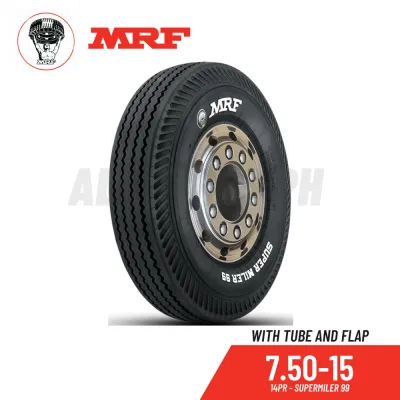
78 Lazada user ratings
product received in good condition. no damage and complete items receieved. good quality tire! perfect for heavy duty use. recommended for e…Read full reviewShow less
product received in good condition. no damage and complete items receieved. good quality tire! perfect for heavy duty use. recommended for everyday use. long lasting tire. ive been using this brand of tire for a long time, and no bad issues.
High-quality materials used, Perfect fit for my truck. Legit MRF made in India and 14 ply rating. Thanks seller will buy again.
Great value for money, Improved fuel efficiency, High-quality materials used, Smooth and comfortable ride,
Legit!thnks po seller.will order again.
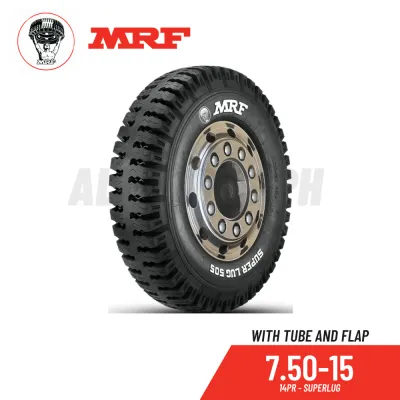
5 Lazada user ratings
Comes with free interior tube and flap, High-quality construction and materials, Perfect for off-road adventures, Long-lasting and wear-resi…Read full reviewShow less
Comes with free interior tube and flap, High-quality construction and materials, Perfect for off-road adventures, Long-lasting and wear-resistant,
Prices are valid at publication and may change. Please refer to the product page for the latest price.
In addition to hydroplaning, poor drainage systems on both major urban highways and rural roads often lead to sudden water pooling. Hitting a deep puddle at high speed can cause a violent pull on the steering wheel, potentially throwing the vehicle out of its lane. Reduced visibility during heavy downpours further compounds these risks, leaving drivers with less time to react to road hazards, debris, or stalled vehicles ahead.
These environmental challenges place an immense demand on a vehicle’s tires, which serve as the sole point of contact with the road. Navigating wet, slippery, and unpredictable surfaces safely requires tires that can maintain a stable contact patch. Drivers must maintain high vigilance, reduce their speeds, and ensure their tires possess the mechanical capability to cut through standing water and grip the underlying pavement.
How to Evaluate MRF Tire Specifications for Wet Grip
To determine if your specific MRF tires are equipped to handle wet monsoon roads, you must examine the standardized ratings molded directly into the tire’s sidewall. The most reliable indicator of a tire’s wet braking capability is the Uniform Tire Quality Grading (UTQG) traction rating. This rating, which is graded as AA, A, B, or C, measures the tire’s ability to stop on wet concrete and asphalt under controlled testing conditions. For monsoon driving, tires with an “A” or “AA” traction rating are highly recommended, as they offer the highest level of wet braking performance, while ratings of “B” or “C” indicate lower grip thresholds on wet surfaces.

Beyond traction ratings, you must verify that the tire’s speed and load index align perfectly with your vehicle manufacturer’s original specifications. The load index indicates the maximum weight the tire can safely support, while the speed rating designates the maximum speed the tire can sustain under its recommended load. During the monsoon, a vehicle carrying passengers or heavy cargo through water-logged streets puts additional stress on the tires; using a tire with an inadequate load index can compromise structural integrity and safety. Always consult your vehicle’s owner’s manual or the placard on the driver’s side door jamb to confirm the required specifications before purchasing or operating your vehicle.
Another critical factor to check is the tire’s manufacturing date, which is represented by a four-digit DOT code on the sidewall. The first two digits indicate the week of manufacture, while the last two digits represent the year. Over time, the rubber compounds in tires naturally age, harden, and lose their flexibility, even if the tread looks unused. Hardened rubber cannot conform to the micro-textures of wet road surfaces, drastically reducing wet grip and increasing stopping distances. If your MRF tires are several years old, the rubber may have degraded to the point where it can no longer provide safe traction during heavy rains, making replacement necessary.
Assessing Tread Design and Water Dispersion Features
The physical design of a tire’s tread pattern plays a direct role in how effectively it prevents hydroplaning. High-quality wet-weather tires feature deep circumferential grooves—the wide channels running around the circumference of the tire—which act as primary pathways for water evacuation. As the tire rotates, these grooves collect water from the road and channel it backward and outward. Complementing these grooves are lateral sipes, which are small, narrow slits cut into the tread blocks. Sipes act like miniature windshield wipers, slicing through the thin film of water on the road surface to allow the rubber blocks to make direct contact with the pavement.
Before driving in heavy rain, you must visually inspect your MRF tires to identify their tread category and evaluate their condition. Standard passenger car tires often feature symmetric or asymmetric all-season tread patterns designed for balanced performance in dry and moderately wet conditions. However, dedicated rain tires or highway terrain (HT) tires designed for SUVs and light trucks feature wider grooves and specialized silica-infused compounds that remain pliable in wet weather. If your MRF model is a budget-oriented or dry-weather-biased tire, its water dispersion capabilities will be inherently limited compared to models specifically optimized for wet traction.
To ensure your tread is deep enough to disperse water effectively, you should perform a standardized measurement check. While professional tread depth gauges provide the most accurate readings, you can use a simple coin test as an initial check. In the Philippines, placing a ₱1 coin upside down into the main tread grooves can help you estimate wear. If the entire outer rim of the coin is clearly visible, your tread depth has worn down to a dangerously low level. For safe monsoon driving, maintaining a tread depth well above the legal minimum is crucial, as shallow tread blocks cannot channel water away fast enough, leaving the vehicle highly susceptible to hydroplaning even at moderate speeds.
Critical Tire Maintenance for Monsoon Safety
Even the highest-quality tire cannot perform safely during the monsoon if it is poorly maintained. Maintaining the correct tire inflation pressure is the single most important maintenance step you can take to prevent hydroplaning. When a tire is underinflated, its center section sags inward, reducing the contact patch and preventing the tread grooves from staying open to channel water. This structural collapse allows water to easily wedge underneath the tire, causing a loss of control at much lower speeds than normal. Conversely, overinflation reduces the overall size of the contact patch, concentrating the vehicle’s weight on a narrow strip of rubber and reducing lateral grip. Always adjust your tire pressure to the exact levels recommended by your vehicle manufacturer, which can be found in the owner’s manual or on the door placard.
Regular visual inspections are also essential for identifying hidden hazards before they lead to a tire failure on a wet road. Inspect the entire tread area and sidewalls for signs of uneven wear, which can indicate alignment or suspension issues. Look closely for sidewall bulges, cuts, or deep cracks that compromise the tire’s structural integrity, as hitting a water-filled pothole with a weakened tire can cause an immediate blowout. Additionally, check for and remove any embedded debris, such as sharp stones, nails, or metal fragments, which can slowly puncture the tire or cause localized air leaks.
To maximize your tires’ contact with the road, schedule regular wheel alignment and balancing services at a professional service center. Proper wheel alignment ensures that all four tires are pointing in the correct direction and sitting flat on the pavement, which promotes even tread wear and predictable handling during emergency braking maneuvers on wet surfaces. Wheel balancing prevents vibrations that can unevenly stress the tire carcass and suspension components. Because wet roads offer significantly less friction, any misalignment or imbalance will be magnified, making professional calibration a vital safety boundary before the heavy rains arrive.
Recognizing When to Replace or Seek Professional Advice
Knowing when to retire your tires is a critical aspect of vehicle safety, especially when facing the severe driving conditions of the Philippine monsoon. The absolute legal minimum tread depth in many regions is 1.6 millimeters, which is indicated by the tread wear indicator (TWI) bars molded into the bottom of the tread grooves. When the tread wears down level with these bars, the tire is legally worn out and must be replaced immediately. However, for safe driving on wet and flooded roads, waiting until the tire reaches this legal limit is highly dangerous. Safety experts strongly recommend replacing tires once the tread depth drops below 3 millimeters, as water evacuation capacity decreases exponentially below this threshold.
In addition to tread depth, you must remain alert to physical warning signs that indicate your tires are no longer fit for service. Persistent steering wheel vibrations, unusual road noise, or a noticeable pulling to one side can indicate internal tire damage, belt separation, or severe misalignment. Visible dry rot, characterized by fine cracks along the sidewall or within the tread grooves, indicates that the rubber compound has oxidized and lost its structural flexibility. If you observe any of these warning signs, or if your tires have sustained a puncture near the sidewall shoulder, do not attempt to drive on them in wet conditions; seek immediate professional evaluation.
If you are uncertain whether your current MRF tires are suitable for your specific vehicle, load requirements, or the local road conditions you encounter daily, consult a certified tire professional. A qualified technician can inspect your tires for internal damage, verify correct sizing, and recommend appropriate replacements if necessary. Never attempt to perform complex tire installations, bead seating, or major suspension modifications yourself, as these tasks require specialized equipment and training to ensure road legality and passenger safety.
Frequently Asked Questions (FAQ)
Do MRF tires come with a specific wet-weather warranty?
To determine if your MRF tires carry any specific wet-weather or hydroplaning guarantees, you must carefully review the official warranty booklet provided at the time of purchase or consult an authorized MRF dealer. Standard manufacturer warranties typically cover defects in materials and workmanship, as well as premature tread wear under normal driving conditions, rather than environmental damage or performance outcomes on wet roads. No tire manufacturer can guarantee absolute safety or prevent hydroplaning under all conditions, as wet-weather performance depends heavily on vehicle speed, water depth, inflation pressure, and driver behavior.
How often should I check tire pressure during the rainy season?
You should check your tire pressure at least once a month and always before embarking on long provincial trips. During the monsoon season, sudden temperature drops caused by heavy downpours and cool rainwater can cause the air inside your tires to contract, leading to a rapid drop in inflation pressure. Regular monitoring ensures that your tires remain at the vehicle manufacturer’s recommended levels, preserving the optimal contact patch required to safely evacuate water and maintain grip on slippery roads.
Community discussion
Share your experience or ask a question. Comments are reviewed before publication.