
Evaluating how a motorcycle raincoat like the Motowolf Raincoat V2 performs during the Philippine rainy season requires looking closely at its construction, materials, and fit. Commuting through sudden downpours and high tropical humidity demands gear that balances water resistance with breathability. Rather than relying solely on manufacturer specifications, riders must know how to inspect seams, closures, and ventilation points to ensure their gear can handle the harsh realities of daily monsoon travel.
For daily motorcycle commuters, a reliable rain suit is not just a convenience; it is a critical safety item. Riding in wet conditions reduces visibility, slickens road surfaces, and exposes the body to wind chill and moisture. Understanding how to assess your gear ensures you stay dry, comfortable, and focused on the road ahead.
Understanding Monsoon Requirements for Motorcycle Rain Gear
Navigating the Philippine monsoon season presents unique environmental challenges that standard rainwear cannot handle. The combination of torrential downpours, strong winds, and high ambient temperatures requires specialized motorcycle gear. When selecting or evaluating a rain suit, riders must first understand the difference between water-resistant and fully waterproof labels. Water-resistant garments are typically treated with a light coating that sheds brief showers but will quickly saturate under continuous rain. Fully waterproof gear utilizes non-porous membranes or heavy-duty polyurethane coatings designed to withstand sustained water pressure.
Products mentioned in this guide
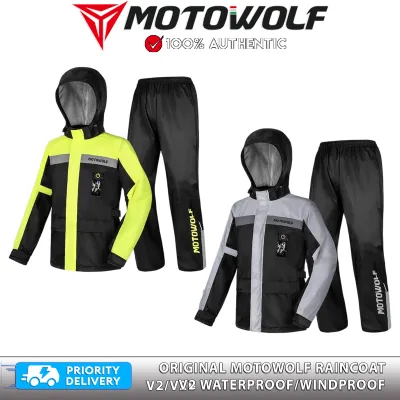
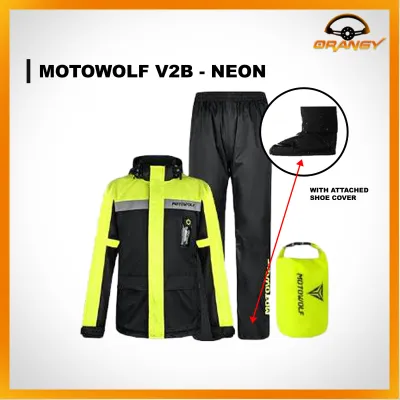
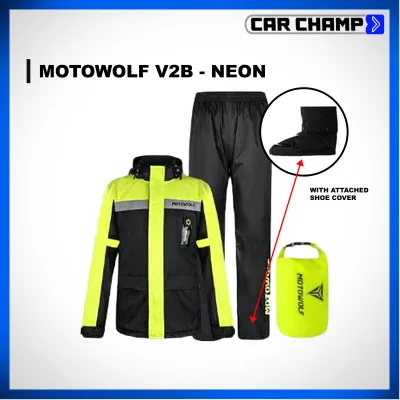
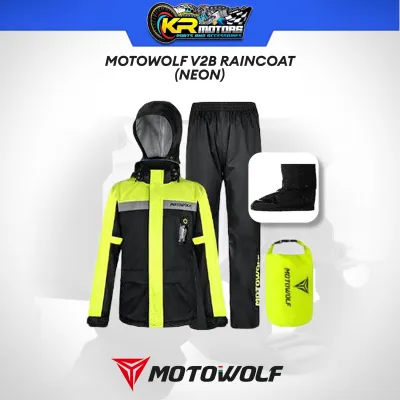
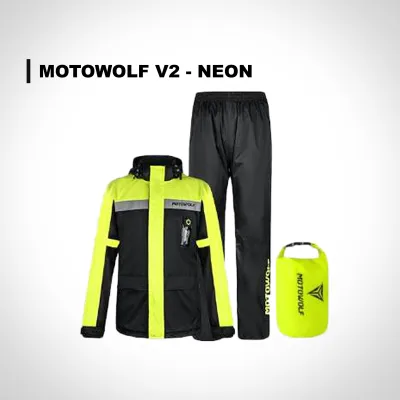
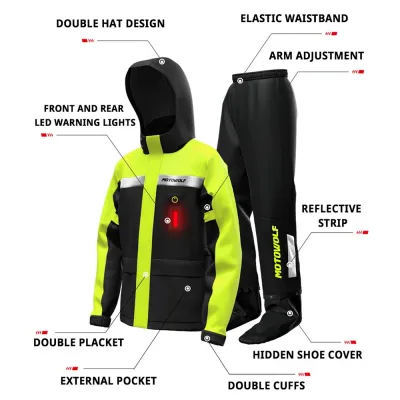
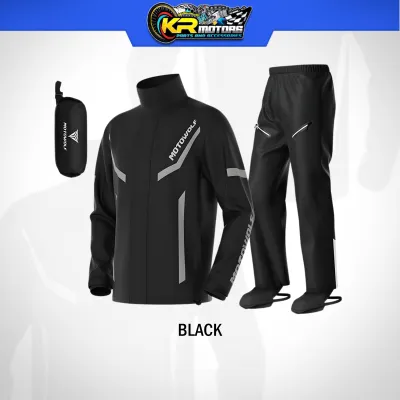
Prices are valid at publication and may change. Please refer to the product page for the latest price.
Wind-driven rain at typical commuting speeds significantly increases the pressure exerted on the fabric. When riding at 40 to 60 km/h, raindrops hit the suit with force, easily penetrating weak seams, loose zippers, or basic fabrics. This is known as hydrostatic pressure. Gear that keeps you dry while walking down the street will often fail on a motorcycle because the wind forces water through the microscopic gaps in the weave or stitching.
Furthermore, the tropical climate of the Philippines introduces the challenge of high ambient humidity. When it rains, the air is already saturated with moisture, and the temperature often remains warm. If a raincoat lacks proper breathability, the heat and sweat generated by your body cannot escape. This leads to heavy condensation inside the suit, leaving you just as wet from sweat as you would have been from the rain. Effective motorcycle rain gear must address both external water exclusion and internal moisture management.
Inspecting the Motowolf Raincoat V2 Waterproofing Features
To determine if the Motowolf Raincoat V2 can withstand a heavy downpour, you should perform a detailed physical inspection of its construction. Start by turning the jacket and pants inside out to examine the seam construction. Standard sewing needles leave thousands of tiny holes along every seam. In high-quality riding gear, these seams are sealed on the inside with a specialized waterproof tape applied under heat and pressure. Check that this tape is fully adhered, flat, and free of bubbles or lifting edges, particularly around high-stress areas like the shoulders, crotch, and underarms.

Next, evaluate the main zipper and its surrounding closures. Zippers are notorious entry points for water. A robust rain suit should feature a heavy-duty zipper protected by a double storm flap. This design uses an outer layer of fabric that folds over the zipper and secures with snap buttons or high-grip hook-and-loop fasteners. This barrier redirects wind-driven water away from the zipper track. Inspect the snaps to ensure they click tightly into place and do not pop open easily when you bend or stretch.
Finally, examine the closure mechanisms at the collar, cuffs, and ankles. Water often enters a rain suit by running down the neck or riding up the sleeves and pant legs. The collar should feature an adjustable strap that seals snugly against your neck without restricting your breathing or head movement. The cuffs should have elastic bands combined with adjustable hook-and-loop straps to create a tight seal over or under your riding gloves. Similarly, the ankle cuffs need wide openings for easy entry over riding boots, paired with strong tightening straps to prevent the wind from blowing the pant legs upward during your ride.
Assessing Comfort and Ventilation During Humid Rides
Staying dry is only half the battle; staying cool and comfortable is equally important for rider safety and focus. When evaluating the Motowolf Raincoat V2, look for built-in ventilation points designed to release body heat without letting rain inside. These vents are typically located across the upper back or under the arms, covered by downward-facing fabric flaps. This design allows warm, humid air to rise and escape while gravity and wind carry falling rainwater over the vents rather than into them.
Another critical comfort feature is the inner lining material. Directly touching a wet, cold polyurethane or nylon shell can feel sticky and uncomfortable against bare skin or short-sleeved shirts. A high-quality rain suit features a lightweight polyester mesh lining. This mesh acts as a physical barrier, keeping the waterproof outer shell from clinging to your skin. It also creates a small air gap that facilitates minor circulation, helping to manage sweat and condensation during stop-and-go traffic in congested urban areas.
The cut and fit of the rain suit must also accommodate your daily riding habits. Because you will wear this suit over your regular clothes, and potentially over a padded motorcycle jacket with elbow and shoulder armor, you must ensure the sizing is generous enough. Try the suit on while wearing your full riding gear. Practice mounting and dismounting your motorcycle, reaching for the handlebars, and turning your torso. The fabric should not pull tightly across your back or shoulders, and the pants should not ride up past your boot tops when your knees are bent in the riding position.
Maintenance and Care for Prolonged Rain Gear Lifespan
To protect your investment and ensure your rain gear remains waterproof for multiple seasons, proper maintenance is essential. Always locate and read the manufacturer’s care label inside the garment before attempting to clean it. Never throw a technical waterproof suit into a standard washing machine with harsh laundry detergents, bleach, or fabric softeners. These chemicals are highly abrasive and will strip away the durable water repellent coating on the exterior fabric, while the machine’s agitation can delaminate the inner waterproof membrane and tear the seam tape.
Instead, clean the suit by hand using cool water and a mild, neutral soap or a specialized technical wash designed for outdoor gear. Gently wipe away road grime, oil splatters, and mud with a soft sponge or microfiber cloth. Do not scrub aggressively, and never wring or twist the fabric to remove excess water. Wringing damages the internal structures and compromises the waterproof seals.
Once clean, hang both the jacket and pants on wide, padded hangers to air-dry in a well-ventilated, shaded area. Keep the gear away from direct sunlight, as prolonged ultraviolet exposure degrades synthetic fibers and dries out waterproof coatings, leading to cracking. Never use a high-heat clothes dryer or place the gear near a mechanical heat source. Ensure the suit is completely dry inside and out before folding it loosely and storing it in its carrying bag. Storing damp gear encourages the growth of mold and mildew, which ruins the fabric and creates persistent, unpleasant odors.
Frequently Asked Questions (FAQ)
How do I test the waterproofing before a long ride?
Before heading out into a major storm, perform a simple, controlled test at home to verify your rain suit’s integrity. Start with a thorough visual inspection under a bright light, looking for any peeling seam tape, bubbling coatings, or small punctures. Next, place dry paper towels inside the jacket sleeves, chest area, and pant legs. Wear the suit and have someone gently spray you with a garden hose, or stand under a showerhead for a few minutes. Focus the water spray on critical entry points like the main zipper, shoulders, and crotch. Avoid using high-pressure washers, as the extreme pressure can force water past intact seals and damage the fabric. Afterward, remove the suit and check the paper towels; any damp spots will pinpoint exactly where a leak or compromised seam is located.
Can I wear a helmet comfortably with the Motowolf Raincoat V2 hood?
Using a raincoat hood in conjunction with a motorcycle helmet requires careful adjustment to maintain safety and comfort. If you choose to wear the hood under your helmet, ensure the fabric is thin and fits flat against your head without bunching. A bunched hood can alter the fit of your helmet, compromising its safety performance, and may block your peripheral vision. Alternatively, many riders prefer to roll the hood tightly into the collar or detach it entirely if the design allows. In this setup, rely on a high, adjustable collar that seals tightly around the base of your helmet. This configuration prevents water from running down your neck while allowing full, unrestricted head rotation to check your mirrors and blind spots safely.

Community discussion
Share your experience or ask a question. Comments are reviewed before publication.