
A sudden tropical downpour during a daily commute can turn a smooth ride into a stressful, soaking ordeal in seconds. To stay dry and safe, investing in a raincoat original high quality is essential for every motorcycle rider in the Philippines. However, the market is flooded with cheap counterfeits that look identical to premium brands in online photos but fail completely when put to the test. Spotting the difference between a genuine, highly engineered riding raincoat and a low-grade imitation requires looking closely at the materials, seam construction, hardware, and security features.
Why Counterfeit Riding Raincoats Fail in Heavy Rain
During the intense wet season, a motorcycle rider faces high-velocity wind and relentless rain. Counterfeit raincoats typically utilize cheap, uncoated polyester or low-grade plastics that lack basic water-repellent properties. These substandard fabrics degrade rapidly when exposed to the harsh tropical sun and UV rays, causing the material to crack, thin out, and lose whatever minimal water resistance it initially had.
The most critical failure point of fake rain gear is the stitching. When riding at speeds of 60 km/h or higher, the force of the wind drives rainwater directly into the seams. Genuine gear uses specialized hot-press sealing tape over every stitch line to block water, whereas counterfeit manufacturers skip this expensive step. As a result, water quickly seeps through the needle holes, soaking your clothes, causing intense physical discomfort, and distracting you from the road.
Products mentioned in this guide
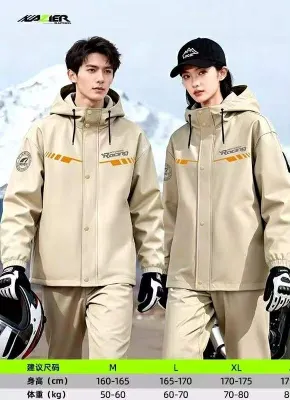
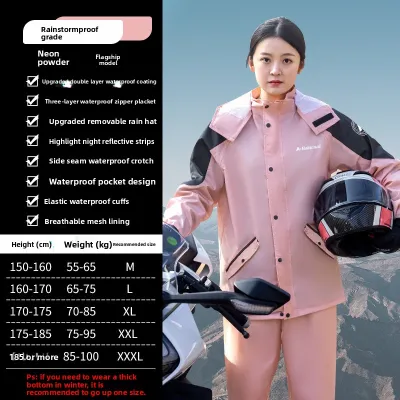
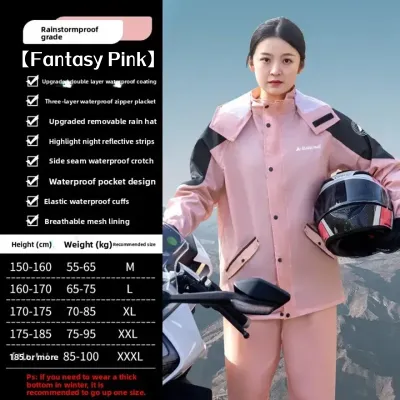
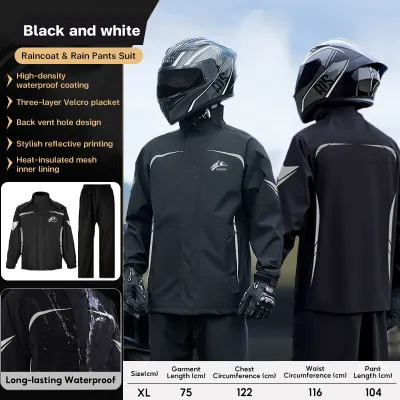
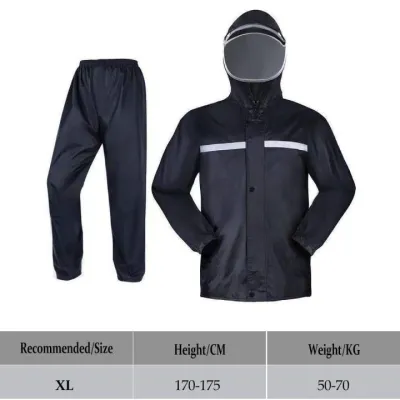
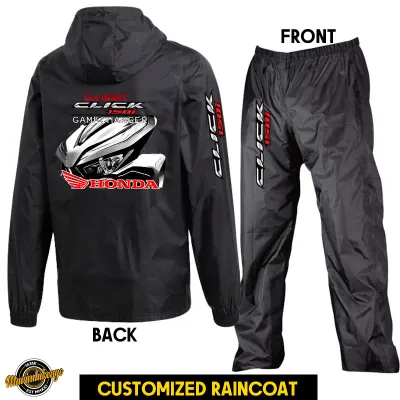
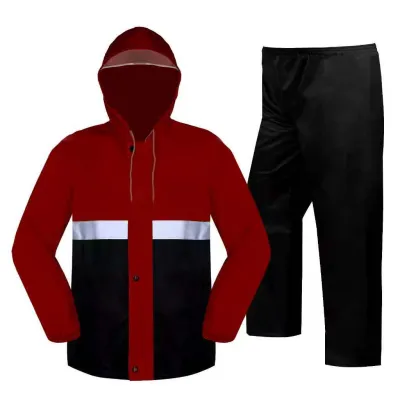
Prices are valid at publication and may change. Please refer to the product page for the latest price.
Furthermore, shivering from being wet and cold while riding can lead to mild hypothermia, which slows down your reaction times and impairs muscle control. Original riding gear undergoes rigorous hydrostatic pressure testing to ensure it can withstand high-speed wind and rain, while counterfeit factories prioritize visual imitation over actual safety and performance.
Key Features of Original High-Quality Riding Raincoats
To ensure you are buying a genuine raincoat original high quality, you must familiarize yourself with the technical standards and structural features of authentic riding gear.

Advanced Waterproof Materials
Authentic riding raincoats are constructed from high-denier polyester or nylon (such as 190T or 70D fabrics) laminated with a premium polyurethane (PU) or polyvinyl chloride (PVC) inner coating. These materials are chosen for their high hydrostatic head ratings—often starting at 5,000mm to 10,000mm—which measure the fabric’s ability to resist water penetration under pressure. Always check the product label or manufacturer specifications for these technical details, as genuine brands proudly display their material ratings.
Fully Taped and Sealed Seams
Turn the raincoat inside out to inspect the seams. An original, high-quality riding raincoat will feature flawless, heat-sealed waterproof tape over every single stitched seam. This tape is applied using specialized industrial heat presses, leaving no gaps or loose edges where water could penetrate. The sealing should feel smooth, uniform, and firmly bonded to the inner fabric.
Heavy-Duty, Weatherproof Hardware
The zippers on authentic raincoats are robust, smooth-gliding, and often sourced from reputable manufacturers. They are designed to withstand tension and resist rust from constant exposure to moisture. Genuine gear also features a double storm flap system—a thick strip of waterproof fabric that folds over the zipper and secures with heavy-duty snaps or Velcro—to prevent water from being forced through the zipper teeth. Some models include double-slider zippers, allowing you to unzip from the bottom to accommodate bulky riding boots.
Rider-Specific Design Elements
High-quality riding gear is designed with safety and ergonomics in mind. Look for wide, highly reflective strips on the back, chest, and sleeves that comply with international visibility standards to keep you visible during dark, rainy nights. The cuffs should have strong, adjustable Velcro straps to seal out wind and water, and the collar should sit high on the neck with soft lining to prevent chafing. Hoods are typically helmet-compatible, featuring adjustable elastic drawstrings with sturdy toggle locks.
Authentic Packaging and Documentation
Original manufacturers invest in professional packaging, clear and accurate sizing charts, and detailed care instructions. Look for official brand holograms, unique serial numbers, and high-quality printed tags attached to the garment.
Red Flags: How to Identify Fake or Low-Quality Rain Gear
Counterfeiters cut corners to keep production costs low, leaving distinct clues that reveal their poor quality. By keeping an eye out for these red flags, you can easily filter out substandard gear.
Visual and Tactile Flaws
When you handle a counterfeit raincoat, the fabric often feels unusually thin, stiff, or excessively noisy when rustled. Out of the packaging, fakes frequently emit a strong, toxic chemical or plastic odor, indicating the use of cheap, non-compliant industrial PVC. If the inner coating feels sticky to the touch, bubbles, or peels away when gently rubbed, it is a clear sign of low-grade lamination that will fail during the first heavy downpour.
Substandard Construction
Examine the stitching closely. Counterfeit rain gear is notorious for loose threads, uneven hems, and crooked stitch lines. Most importantly, you will often find exposed stitching on the inside with absolutely no seam tape, or poorly applied tape that is already peeling at the corners. Logos and brand names may also be misaligned, off-center, or printed with low-resolution graphics that scratch off easily.
Flimsy and Unreliable Hardware
Cheap raincoats use lightweight plastic zippers that easily snag, split open under pressure, or lose their teeth. The storm flaps on fakes are often thin, single-layered, or completely missing, leaving the zipper fully exposed to the elements. Elastic drawstrings on the hood or waist are typically thin, easily frayed, and paired with cheap plastic toggles that fail to lock in place.
Branding and Labeling Errors
Counterfeiters often make spelling mistakes on care labels, use pixelated or blurry brand logos, and omit specific sizing dimensions. If the product tags lack a barcode, batch number, or official manufacturer contact information, the item is highly likely to be a fake. While a single minor cosmetic flaw might occasionally occur in genuine factory seconds, a combination of these issues is a definitive indicator of a counterfeit.
Step-by-Step Verification Methods Before You Buy
Protect your investment by performing these practical verification checks before finalizing your purchase, whether you are shopping in a physical store or browsing online.
Perform a Physical Quality Check
If you are buying in-store, test the fabric’s water repellency by performing a simple “water drop test.” Pour a few drops of clean water onto the outer shell; on a high-quality, DWR-treated raincoat, the water should bead up and roll off instantly without soaking into the fibers. Next, run your fingers along the inner seam tape to check for a smooth, permanent bond, and zip the main closure up and down several times under slight tension to ensure it does not snag or separate.
Verify Digital Codes and Serial Numbers
Many premium motorcycle gear brands include unique QR codes, scratch-off authenticity labels, or serial numbers on their product tags. Scan the QR code using your smartphone or enter the serial number directly into the brand’s official verification portal. Keep in mind that advanced counterfeiters sometimes copy valid serial numbers from genuine products, so digital verification must always be paired with a physical inspection of the garment’s build quality.
Analyze the Price and Deal
Be highly skeptical of deals that seem too good to be true. In the Philippines, a genuine, high-quality riding raincoat typically costs between ₱1,500 and ₱4,000 or more, depending on the brand and technical specifications. This price reflects the cost of premium waterproof membranes, specialized seam-taping machinery, and safety certifications. If an online listing offers a premium brand raincoat for ₱300 to ₱500, it is almost certainly a low-quality counterfeit.
Where to Buy Authentic Riding Raincoats in the Philippines
To guarantee you are getting a genuine product, always purchase your riding gear from authorized and reputable retail channels.
Authorized Dealers and Flagship Stores
The safest option is to buy directly from official physical stores of established motorcycle gear brands or their authorized distributors in the Philippines. If shopping online, only purchase from verified flagship stores on major e-commerce platforms. Look for the platform’s official mall or preferred seller badges, which guarantee product authenticity and offer robust return policies.
Avoid Risky Third-Party Terminology
Exercise extreme caution when dealing with independent online sellers who use misleading buzzwords like “factory overruns,” “unauthorized authentic,” “OEM replicas,” or “mirror copy.” These terms are common euphemisms used to market counterfeit goods. Original manufacturers have strict quality control protocols and do not sell defective or excess high-performance gear through unofficial channels.
Check Seller Credibility and Reviews
Before clicking the checkout button, thoroughly inspect the seller’s profile. Check their overall rating, the age of their shop, and customer feedback. Focus specifically on one-star and two-star reviews to see if previous buyers have complained about receiving fake items. Look for user-uploaded photos and videos in the review section to verify the actual texture, seam tape, and hardware of the delivered product before making your decision.
What to Do If You Accidentally Buy a Fake
If you realize that the raincoat you purchased is a counterfeit, take immediate action to protect yourself and the riding community.
First, do not wear or use the suspected counterfeit raincoat in a heavy downpour. Using it on the road poses a safety hazard due to potential water intrusion and distraction, and any wear and tear will make it much harder to return.
Next, document the counterfeit details thoroughly. Take clear, well-lit photos and videos highlighting the specific defects, such as untaped seams, flimsy zippers, peeling coatings, or misspelled brand tags. Compare these issues side-by-side with official product images from the manufacturer’s website.
File a formal return and refund request immediately through your e-commerce platform’s buyer protection program or by visiting the physical retail store where you bought it. Provide your documented evidence to support your claim. Finally, report the seller and the listing to the platform’s customer support to help prevent other Filipino riders from falling victim to the same scam.
Frequently Asked Questions (FAQ)
Can I apply aftermarket waterproofing spray to a fake raincoat to make it usable?
No, you should not rely on aftermarket waterproofing sprays to make a counterfeit raincoat safe for riding. While Durable Water Repellent (DWR) sprays can temporarily improve water beading on the outer surface of the fabric, they cannot fix structural defects. Water will still penetrate through the untreated stitch holes and untaped seams under the pressure of high-speed riding winds. For proper protection during intense tropical rains, it is always safer to replace the gear with a verified original, high-quality riding raincoat.

Community discussion
Share your experience or ask a question. Comments are reviewed before publication.